
 ChatGPT
 Perplexity
 Claude
 Gemini
 Grok
Grok

If you run ads, you already know the bottleneck is not ideas. It is creative. You need a fresh batch of on-brand visuals this week, you do not have a designer free, and the stock-photo library makes your skincare brand look like every other skincare brand. An AI image generator should fix that. The catch is that most of them were built to make pretty pictures, not to make ads that ship and convert.
"For advertising" changes the requirements. You need commercial usage rights you can actually trust, brand colors and logos that stay consistent across a campaign, text that renders cleanly inside the image, and output sized for the placements you run. So we ranked seven of the most-used tools against that ad-specific bar instead of a generic "which makes the nicest art" bar.
Here is the short version: the prettiest image rarely wins the auction. The image that becomes a working ad does. That single idea reshuffles the usual rankings, and it is why this list looks a little different from the standard "best AI image generator" roundup.
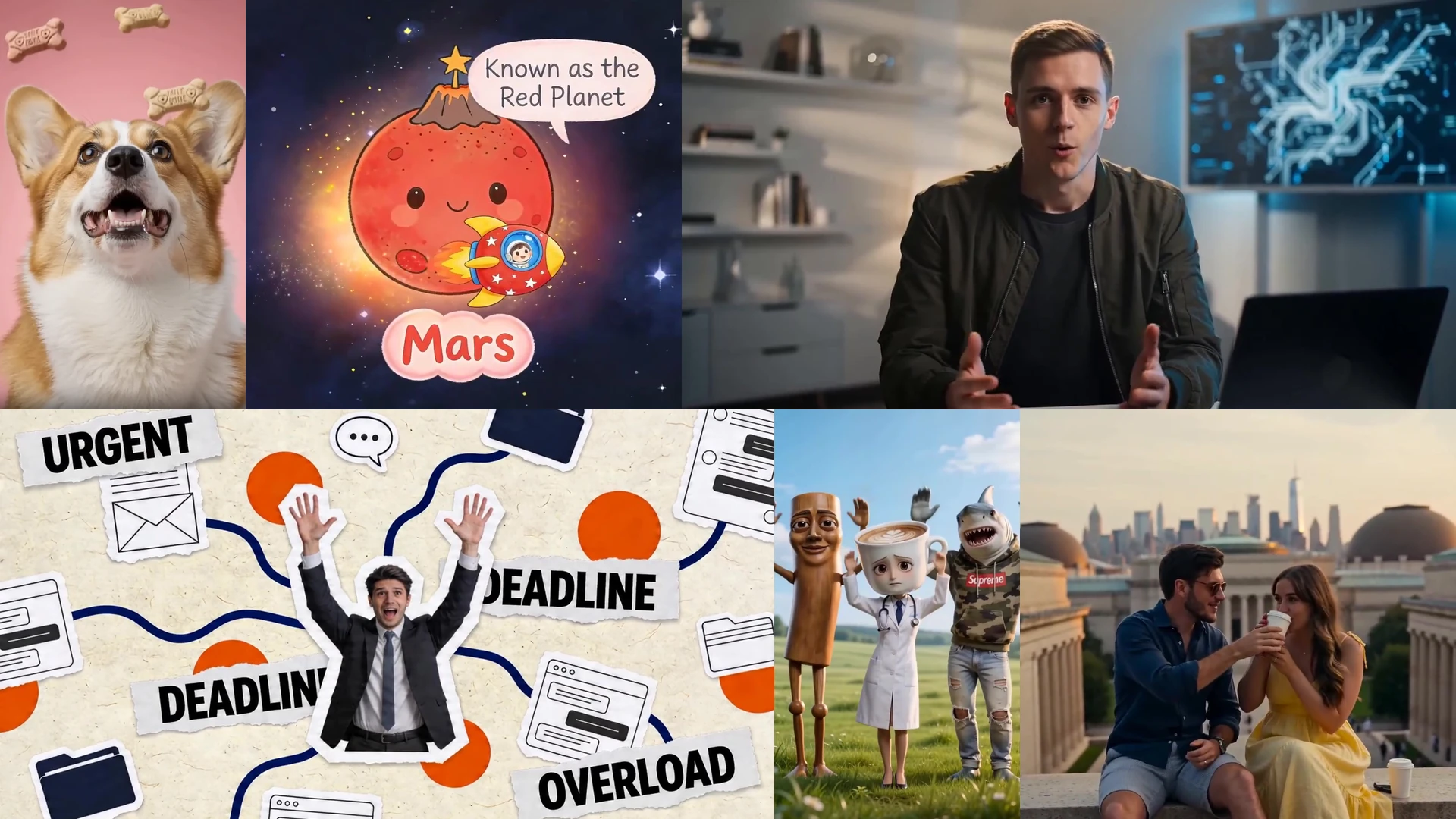
 Pexo turns a one-line product description into ad-ready visuals, then lets you extend the same scene into a video ad.
What Makes an AI Image Generator Good for Advertising?
An AI image generator for advertising is a generative tool you use to produce ad creative: product shots, social ad backgrounds, display banners, hero visuals, and the variations you need for testing. The difference between a fun image toy and a real ad tool comes down to five things, and most tools are strong on one or two and weak on the rest.
Commercial rights you can trust. If you cannot legally run the output in a paid placement, nothing else matters. Some models are trained on licensed or public-domain data and offer clear commercial terms or indemnification; others leave the rights gray. For advertising, this is the first filter, not a footnote.
Brand consistency. A campaign is not one image, it is twenty that have to look related. Brand kits, custom-trained models, color locks, and reference-image support are what keep a series on-brand instead of looking like twenty different brands.
Text inside the image. Ads carry headlines, prices, product names, and calls to action. Plenty of models still mangle on-image text into gibberish. The ones that render type cleanly save you a round trip to a design app.
Ad-ready formats and speed. You need 1:1, 4:5, 9:16, and wide, fast, in batches. A tool that makes you crop and resize every export by hand is a tool that slows down testing.
The path to a moving ad. Static images are half the job. Video ads usually outperform on social, so the shortest distance from "I have an idea" to "I have a video ad running" is a real advantage, and almost no pure image generator covers it.
Keep those five in mind as you read. The reason generic image generators disappoint advertisers is that they optimize for the first impression of a single image and ignore rights, consistency, text, and what happens after the still.
The Best AI Image Generators for Advertising at a Glance
Here is the quick comparison before the detailed reviews. Pricing is the starting paid tier as of June 2026 and is worth re-checking, since these vendors change plans often.
| # | Tool | Best for | Free tier | Paid from | Commercial rights | In-image text | Ad edge |
|---|---|---|---|---|---|---|---|
| 1 | Adobe Firefly | Commercially safe brand ads | Yes (limited credits) | ~$9.99/mo | Strong, IP-indemnified for enterprise | Good | Brand kits + Creative Cloud |
| 2 | Pexo | Ad images that become video ads | Yes (free credits) | $30/mo | Yes, commercial use | Good | Still to video ad, no prompts |
| 3 | Midjourney | Premium artistic visuals | No | ~$10/mo | Yes on paid plans | Weak | Best raw aesthetics |
| 4 | Ideogram | Ads with text in the image | Yes (limited) | ~$8/mo | Yes on paid plans | Excellent | Reliable typography |
| 5 | DALL·E 3 / GPT Image | Concept ads inside ChatGPT | Limited | $20/mo (ChatGPT Plus) | Yes | Good | Conversational iteration |
| 6 | Leonardo.ai | Brand-consistent product shots | Yes (daily tokens) | ~$12/mo | Yes on paid plans | Fair | Custom-trained models |
| 7 | Canva Magic Studio | All-in-one marketing teams | Yes | ~$15/mo (Pro) | Yes | Good | Image plus design plus copy |
The table is the map. The reviews below are why each tool sits where it sits, including where each one falls short, because every tool here has a real weakness for advertising.
How We Compared
We did not rank on a single "image quality" score, because the best-looking generator is not automatically the best ad generator. We weighted five criteria toward what actually moves ad production:
- Ad-readiness (30%): commercial rights, brand consistency, in-image text, and native ad formats.
- Output quality (25%): realism, lighting, and how often a result is usable without heavy fixing.
- Workflow speed (20%): how fast you get from idea to a batch of variations, and how steep the learning curve is.
- Beyond the still (15%): whether the tool helps you turn an image into a video ad or a finished placement.
- Price and value (10%): free tier, paid entry point, and what a working ad actually costs to make.
For each tool we reviewed its current models and documented capabilities, the ad formats and commercial-license terms it actually supports, its public pricing, and the limitation most likely to bite a real campaign. We cross-checked reputation against public user ratings in G2's AI image generator category and each vendor's own pages. Figures below are drawn from those sources and are current as of June 2026.
The 7 Best AI Image Generators for Advertising
1. Adobe Firefly — Best for Commercially Safe, Brand-Consistent Ad Images
Adobe Firefly is Adobe's family of generative image models, trained on Adobe Stock and licensed or public-domain content, and built so the output is safe to use commercially. For a brand or agency, that training story is the headline feature, not a detail.
Where it pulls ahead of the pack is trust and integration. Firefly ships commercial-use terms (with IP indemnification on enterprise plans), brand-kit support so your colors and assets stay consistent, and it lives inside Photoshop and Adobe Express through Generative Fill and text-to-image. If your team already works in Creative Cloud, the ad image and the retouch happen in the same place.
It fits brands and agencies that have to defend where their imagery came from, and teams that value on-brand consistency over raw artistic flair. A regulated advertiser, for example, gets the legal comfort that Midjourney simply does not offer in writing.
Where it falls short: Firefly's results can look a touch safer and less striking than Midjourney's, its content filters block some legitimate ad concepts, and the genuinely useful features sit behind a Creative Cloud subscription. It also stops at the still image, so a video ad means another tool.
Firefly is wired into Photoshop, Lightroom, and Adobe Express, and Adobe backs commercial use with IP indemnification on enterprise plans, the assurance regulated advertisers actually buy. Pricing starts with a limited free tier, with the standalone Firefly plan from roughly $9.99/month and broader access bundled into Creative Cloud.
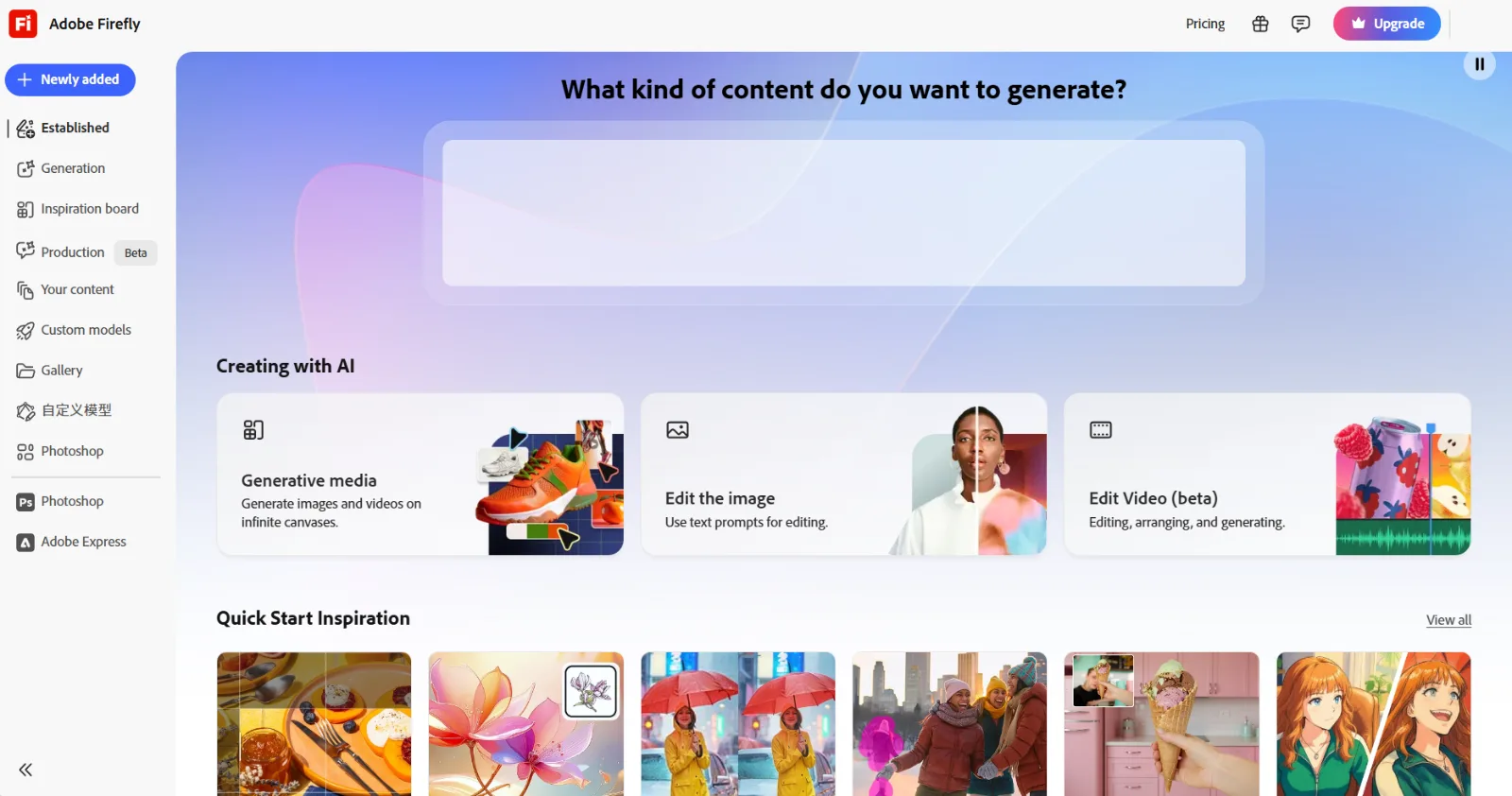 Firefly leans on commercial safety and brand kits, which matters more for ads than a leaderboard score.
Try it at Adobe Firefly.
2. Pexo — Best for Turning Ad Images Into Video Ads, No Prompts
Need an ad image now and the matching video ad soon after? That is the gap Pexo is built for. You describe the product and the angle the way you would text a teammate, and Pexo, an AI video partner that also generates stills, hands back the visual. That sounds like every other tool until you notice two things it does that the pure image generators do not.
First, no prompts and no model-picking. There is no prompt box to engineer and no menu of models to guess between. You describe the idea in plain words, and Pexo works with leading models, Seedance, Sora, Kling, GPT Image 2, Nano Banana, and more, routing to the right one for the shot. You can generate the still directly with Pexo's text-to-image or its broader image generation feature, without ever knowing which engine did the work.
Second, the still does not dead-end. Because Pexo is built around video, the same ad image extends into a video ad in the same place, with no export to a second app. For advertisers, that closes the gap between a nice image and a running placement that every other tool here leaves open. The models it routes to, like GPT Image 2 and Nano Banana, are worth a look on their own.
It fits marketers, e-commerce sellers, and founders who need ad creative fast without a designer or a prompt-engineering habit, and who will probably want video ads too. A DTC seller can hand over a product photo, ask for a 9:16 ad scene, and walk out with both a still and a short ad cut.
Where it falls short: Pexo is a creative partner, not a pixel-level art-direction suite. If you want fine compositional control, a huge parameter surface, or to dial in a single hero image to the millimeter, a dedicated image model like Midjourney or Firefly gives you more granular control. Pexo is also credit-based, so heavy daily volume is something to plan around, not unlimited.
Pexo is free to start with credits, and paid plans run $30/month (Pro, 4,800 monthly credits), $60/month (Elite, 10,000 credits), and $100/month (Max, 18,000 credits), with credits covering the full workflow from visuals through to video. It is not the cheapest way to make a single static image, and it does not try to be. Its value is the distance it covers, from a sentence to an ad you can run.
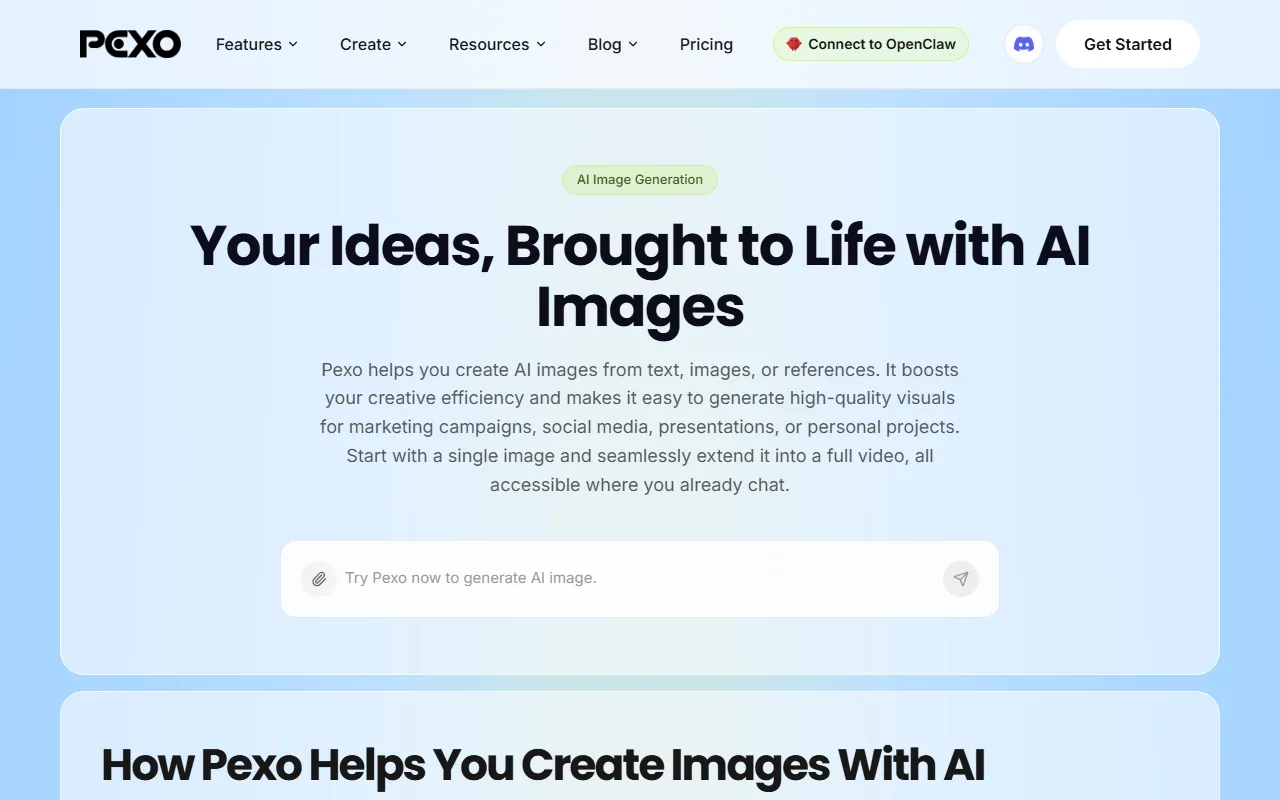 In Pexo you describe the ad in plain language, and the same scene can extend straight into a video ad.
Start at Pexo.
3. Midjourney — Best for Premium, Scroll-Stopping Artistic Visuals
Midjourney is the quality benchmark of the AI image world. When an ad needs an editorial-grade hero image, the kind that makes someone stop scrolling, Midjourney's output is hard to beat on lighting, texture, and composition.
Its edge is pure aesthetics. The latest model produces images with a depth and polish that consistently reads as "shot by a professional," which is exactly what a premium brand wants at the top of a funnel. For mood, concept art, and lifestyle scenes, it sets the bar the others are measured against.
It suits brands and creatives chasing standout visual quality, and teams comfortable iterating to find the perfect frame. A fashion or lifestyle brand building a look-book-style campaign is the ideal user.
Where it falls short: Midjourney is weak at rendering legible in-image text, so headline-and-price ad layouts usually need a second design pass. It offers no brand-kit or custom-model consistency tools, the interface has a learning curve, and there is no free tier. Commercial rights come with paid plans but without Firefly-style indemnification.
Midjourney runs through both a Discord bot and a web app, and its public feed of community images is a deep well of ad-ready styles to borrow and remix. Pricing starts around $10/month for the Basic plan, with higher tiers near $30/month for more fast generations.
 Midjourney wins on raw aesthetics, but on-image text and brand consistency are not its strengths.
Try it at Midjourney.
4. Ideogram — Best for Ads With Text Baked Into the Image
Ideogram built its reputation on the one thing most generators fail at: text. If your ad needs a headline, a logo wordmark, a price, or a call to action rendered cleanly inside the image, Ideogram is the specialist.
Its differentiator is typography. The current model reliably places legible, well-kerned text into a generated scene, which means you can produce a finished social ad or poster without bouncing into a layout tool to add the words. For text-forward ad formats, that is a genuine time-saver.
It is a strong fit for performance marketers who run text-heavy creative, social ads, sale announcements, and event posters where the message lives in the image. A small team running a flash-sale campaign can spin up dozens of on-message variations quickly.
Where it falls short: photorealism and fine artistic detail trail Midjourney and Firefly, so product hero shots can look slightly synthetic. The free tier is limited and slower, and the deepest control still takes prompt practice.
Ideogram has grown quickly since launch and is widely cited in marketing roundups as the go-to for in-image text, a reputation backed by strong user ratings on software review sites. Pricing includes a limited free tier, with paid plans from roughly $8/month.
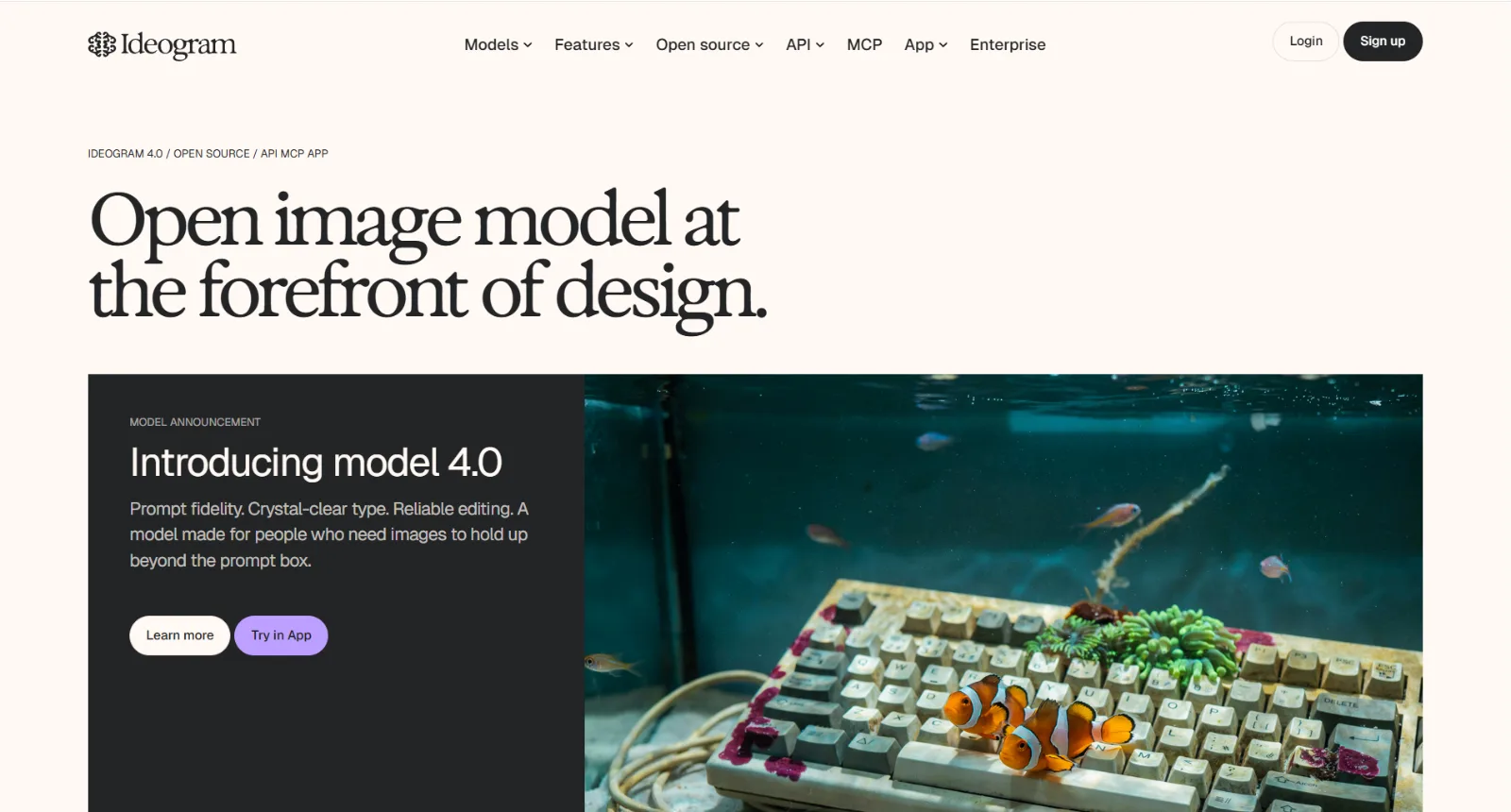 Ideogram is the pick when the headline has to live inside the image and render cleanly.
Try it at Ideogram.
5. DALL·E 3 / GPT Image — Best for Concept Ads With Readable Copy
DALL·E 3 (and OpenAI's newer GPT Image model) lives inside ChatGPT, which makes it the most conversational way to brainstorm and generate ad concepts. You describe what you want in chat, see a result, and refine by talking, no separate app to learn.
Its strength is prompt understanding plus solid in-image text. DALL·E reads a detailed, plain-language request well and renders headlines and product names more legibly than most, so it is handy for fast concept ads and first-draft visuals while you are still shaping the idea.
It fits marketers who already work in ChatGPT and want quick concepting without a new login, plus anyone who values iterating by conversation over wrestling with parameters. A founder sketching three ad directions before a designer touches them is the sweet spot.
Where it falls short: it is less art-directable than Midjourney for a polished final hero, the free access is rate-limited, and steady use effectively requires a ChatGPT Plus subscription. Output style can also feel recognizably "DALL·E" across many images.
Because DALL·E lives inside ChatGPT, it is available to anyone with an account, which makes it the lowest-friction option to try if you are already there drafting ad copy. Access comes with ChatGPT Plus at $20/month, with API pricing available for programmatic use.
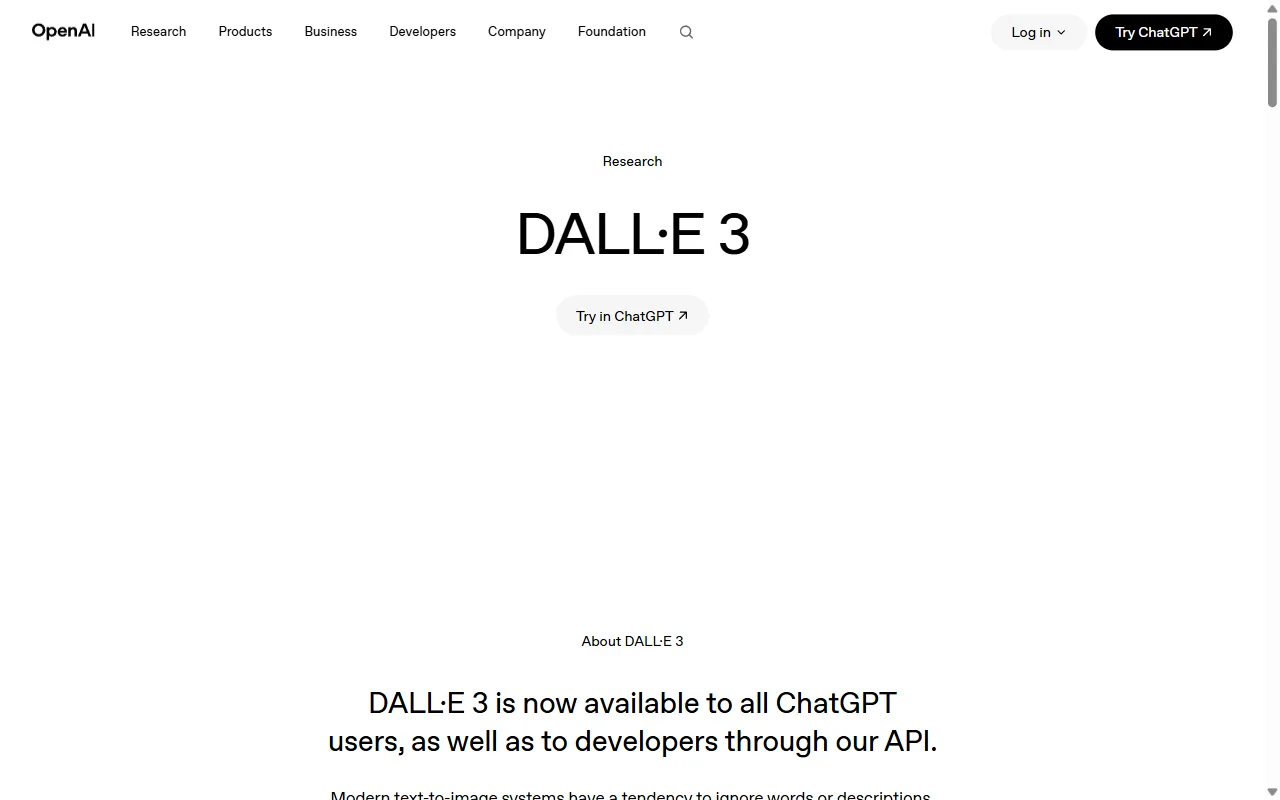 DALL·E 3 inside ChatGPT is great for fast, conversational concept ads with legible copy.
Try it at OpenAI DALL·E 3.
6. Leonardo.ai — Best for Brand-Consistent Product Imagery via Custom Models
Leonardo.ai is the control-and-consistency option. Its standout feature is the ability to train custom models on your own assets, so you can generate a whole catalog of product images that share a consistent look, lighting, and style.
That custom-model approach is the differentiator. For an e-commerce brand that needs forty product shots to feel like one campaign, training Leonardo on your reference images beats prompting from scratch every time. It also offers fine-grained controls for pose, composition, and structure that art directors appreciate.
It suits e-commerce and product teams that prize a cohesive catalog and are willing to invest a little setup time for repeatable consistency. A homeware brand standardizing its product photography across a season is a textbook fit.
Where it falls short: the learning curve is steeper than the all-in-one tools, the free tier runs on daily token limits that serious use exhausts quickly, and since its 2024 acquisition by Canva, parts of its roadmap are tied to Canva's direction.
Leonardo was acquired by Canva in 2024, and its custom-model training plus structure controls for pose and composition remain its calling card for teams that need repeatable, on-brand output. Pricing offers a free daily-token tier, with paid plans from around $12/month.
 Leonardo's custom models are the tool of choice for a consistent product catalog.
Try it at Leonardo.ai.
7. Canva Magic Studio — Best for All-in-One Marketing Teams
Canva Magic Studio folds AI image generation (Magic Media) into the design suite millions of marketers already use. The pitch is not the best single image, it is the whole ad assembled in one place: generate the visual, drop it into a template, add the copy, resize for every placement, done.
Its real advantage is the workflow, not the model. You go from generated image to finished, on-brand, correctly-sized ad without leaving the canvas, with brand kits, templates, and AI copy tools alongside the image generator. For a small team without a designer, that end-to-end convenience is worth more than a marginally prettier render.
It fits small marketing teams, social media managers, and non-designers who need image, layout, and copy together and fast. A startup running its own social ads can produce a week's worth of placements in an afternoon.
Where it falls short: the raw image quality of Magic Media sits below Midjourney and Firefly, the best generation and brand features need a Canva Pro subscription, and the template-driven look can make ads feel generic if you do not customize.
Canva reports more than 200 million monthly active users, which makes its design ecosystem one of the largest places ad creative gets made. Pricing includes a capable free tier, with Canva Pro at roughly $15/month unlocking the fuller AI and brand toolkit.
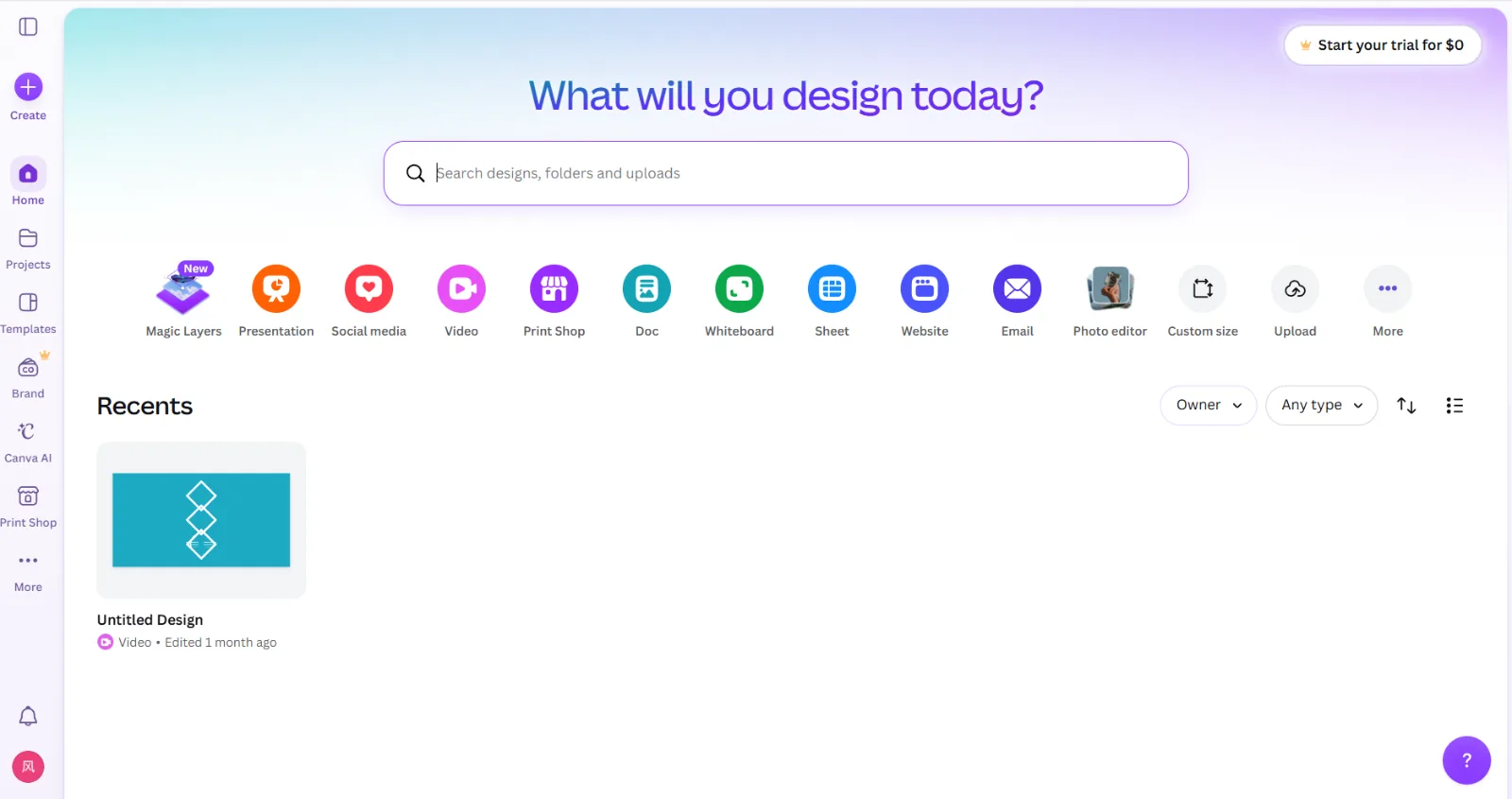 Canva's strength is generating the image and finishing the whole ad in one place.
Try it at Canva Magic Studio.
How to Choose the Right AI Image Generator for Your Ads
The right pick depends on the job in front of you, not on a leaderboard. A few quick decision routes:
- You need legal safety above all (regulated brand, big agency): start with Adobe Firefly for its commercial terms and indemnification.
- You want ad creative fast and you will also want video ads: Pexo, because it skips prompt engineering and takes the same scene from still to video ad without switching apps.
- You are chasing premium, editorial visuals: Midjourney for raw aesthetic quality.
- Your ads live and die by the headline inside the image: Ideogram for reliable text.
- You concept inside ChatGPT already: DALL·E 3 / GPT Image for conversational iteration.
- You need a consistent product catalog: Leonardo.ai and its custom models.
- You are a small team that needs image plus design plus copy in one tool: Canva Magic Studio.
A practical tip: most of these have a free tier, so test two against the same brief, a product on a clean background and a text-forward social ad, before you commit a budget. The tool that gets you a usable, on-brand result with the least cleanup is your tool, regardless of which one tops a generic quality chart.
Conclusion
There is no single best AI image generator for advertising, only the best one for what you are trying to ship. If commercial safety is non-negotiable, Adobe Firefly leads. If you want premium art, Midjourney. If text-in-image is the whole game, Ideogram.
But for most advertisers the real goal is not a picture, it is a working ad, and increasingly a video one. That is where Pexo earns its top-tier spot: you describe the ad in plain language, Pexo handles the models and the visual, and the same idea extends into a video ad without a second tool. If your next campaign needs to move from idea to ad quickly, try Pexo free, and if you specifically need a legally bulletproof static image, keep Firefly on the shortlist beside it.
Pick the tool that matches your bottleneck, test it on a real brief, and let the results, not the hype, decide.