
 ChatGPT
 Perplexity
 Claude
 Gemini
 Grok
Grok

Vibe creating is the practice of making content by describing the result you want in natural language and letting AI handle the technical production. You bring the vision and the taste; the AI does the building. It is the same shift that vibe coding brought to software, now reshaping how video, images, and music get made, and for video, Pexo is the AI video partner built around it.
If you have seen the phrase floating around and weren't sure what it actually meant, this guide is the plain answer. We will cover what vibe creating is (and what it isn't), where the term came from, how it works in practice, how it differs from the old way of producing content, who it is for, and how to start.
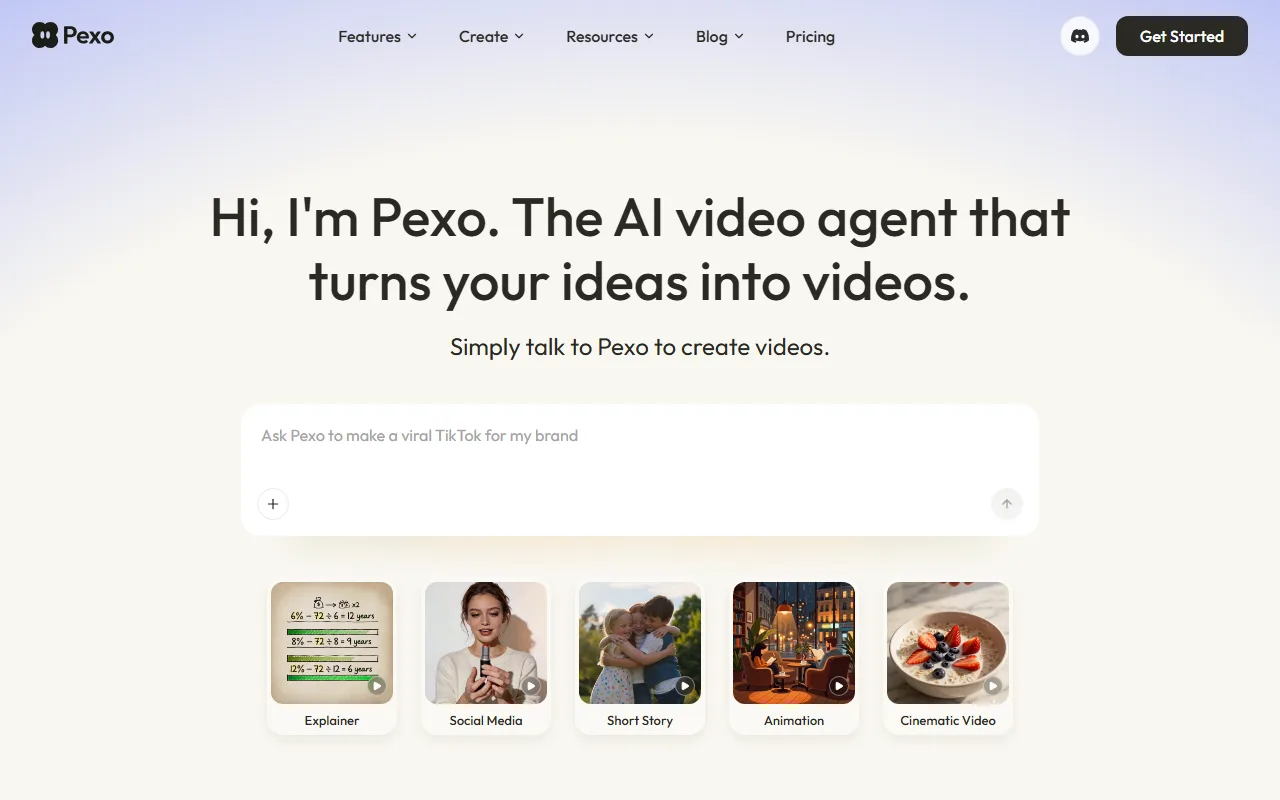 Vibe creating, live on Pexo: you describe the video you want in the box, and Pexo builds it.
The short version:
- Vibe creating means describing what you want and letting AI produce it, across video, images, music, and design.
- The term descends from "vibe coding," a phrase the AI researcher Andrej Karpathy popularized in February 2025.
- It shifts the creator's job from operating software to directing outcomes, so taste and judgment matter more than technical skill.
- For video, it looks like describing a clip in plain language and getting a finished, ready-to-post result back, with no editing timeline involved.
What Is Vibe Creating?
At its core, vibe creating is a way of working where you express creative intent and an AI system carries out the execution. Instead of learning a timeline editor, a node graph, or prompt syntax, you say what you are going for in everyday language, react to what comes back, and steer it until it matches the picture in your head. The skill that matters is no longer button-pushing. It is knowing what good looks like and being able to describe it. In that sense vibe creating is less a tool than a posture: you stay the author, and the production work moves to the AI.
It helps to be clear about what vibe creating is not. It is not one-click templates, where you pour your content into a fixed mold. It is not fully hands-off automation that removes you from the loop, because your taste and direction are the whole point. And it does not mean quality no longer matters. When everyone can produce a polished result, the differentiator becomes judgment: the ideas you choose, the references you bring, and the calls you make on what to keep.
Where Vibe Creating Came From
The lineage starts with vibe coding. In February 2025, Andrej Karpathy described a way of building software where you simply tell a large language model what you want and let it generate the code, accepting and refining by feel rather than reading every line. The idea spread fast and became a recognized term, with its own Wikipedia entry within months. The pattern was bigger than programming, though.
As AI models for images, audio, and video matured through 2025 and into 2026, the same "describe it and direct it" approach jumped to every creative field. People started talking about vibe designing with image tools, vibe composing with music tools, and vibe filmmaking with video models. Vibe creating is the umbrella term for all of it: the broad move from operating creative software to directing AI that does the operating for you. It matters now because the models finally got good enough that a described idea comes back looking genuinely finished, not like a rough draft. That timing is the whole story. Once the output stopped looking like a prototype and started looking shippable, describing a result became a faster route to it than building it by hand, even for people who could build it themselves.
How Vibe Creating Works in Practice
The mechanic is a loop, not a single command. You describe an outcome, the system proposes a direction and shows you something, you react and redirect, and you repeat until it is right. The back-and-forth is the work. You are not filling in a form and praying; you are having a conversation that converges on the result. Because you can jump around, reroll one part, or change your mind late, it feels closer to directing a small production crew than to using a piece of software.
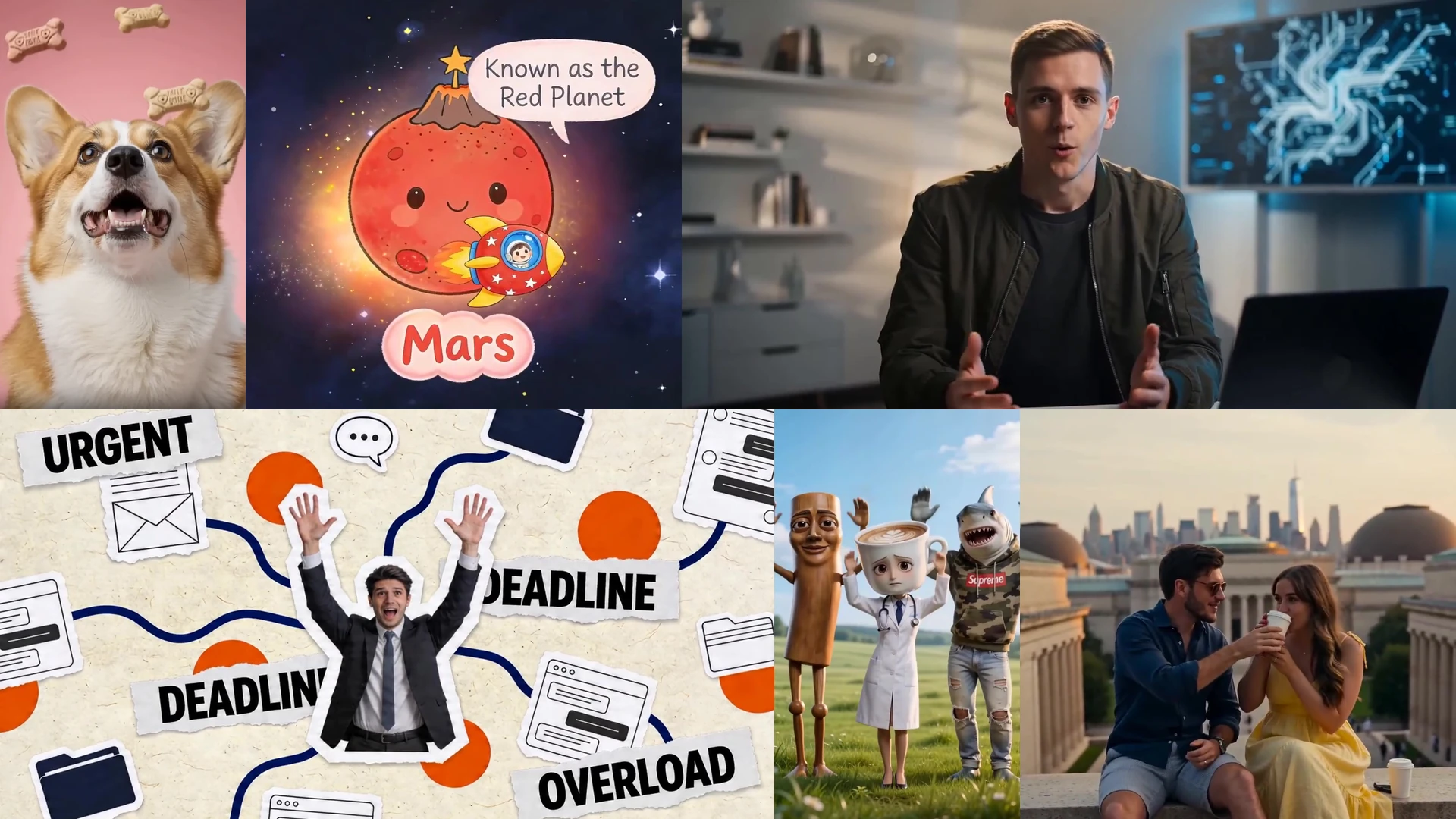
Here is what that looks like for video. You tell Pexo something like "make a 15-second product video for my coffee brand" and hand it a photo of the bottle. Pexo reads your intent, suggests a creative direction, shows you a quick preview, and produces a complete clip with pacing, transitions, and a soundtrack. Want a punchier opening or a different mood? You just say so, something like "cut the intro, start on the pour, and warm up the music," and it reworks that part without touching the rest. Behind the scenes Pexo works with the leading models, including Seedance, Kling AI, Sora, and more, and picks the right one for the shot so you never have to. That is vibe creating applied to text to video: your words in, a finished video out.
Vibe Creating vs the Traditional Way
The contrast with traditional production is sharp. The old path starts from raw materials and technical skill; the vibe-creating path starts from a described outcome and a sense of taste.
| Traditional production | Vibe creating | |
|---|---|---|
| Starting point | Footage, assets, a blank timeline | A described idea or a reference |
| Skills needed | Editing, design, or coding craft | Knowing what you want and how to describe it |
| The tool's role | You operate it, step by step | You direct it, it executes |
| Iteration | Re-edit by hand | Say what to change |
| What's scarce | Technical ability | Taste and judgment |
None of this means craft stops mattering. A trained editor still has range a beginner does not. What changes is the floor: someone with a clear vision and no production background can now reach a finished result that used to require a studio, and an expert can move far faster. Technique gets democratized, so the human contribution shifts toward direction.
Who Is Vibe Creating For?
Vibe creating is for anyone who has ideas but is blocked by the production step. A few groups feel it most:
- Solo creators and influencers who need a steady stream of content and cannot spend a day editing each clip.
- Small brands and e-commerce sellers who want product videos and ads without hiring a crew or learning an editor.
- Marketers who repurpose existing material, where being able to turn a URL into a video from a product page or blog post is a real time-saver.
- Educators and teams who need explainers and updates quickly and care more about clarity than cinematic polish.
It is worth noting that vibe creating is not only a video idea. The same approach covers stills: describing an image and getting it back is AI image generation working the same way, and those images can feed straight into a video. The common thread across all of these users is that they trade technical effort for clear direction.
 Same loop, different output: describing a still image is vibe creating too, and the result can extend straight into a video.
How to Start Vibe Creating With Pexo
For video, the fastest way to feel the shift is to start describing instead of operating. Pexo's whole design follows one principle: no prompts, just talk. You open Pexo, say what you are imagining in plain language (messy and half-formed is fine), and it thinks with you, suggesting directions and showing previews before it commits. You react, it adjusts, and you end up with a finished video. There is no timeline to learn and no prompt engineering to figure out.
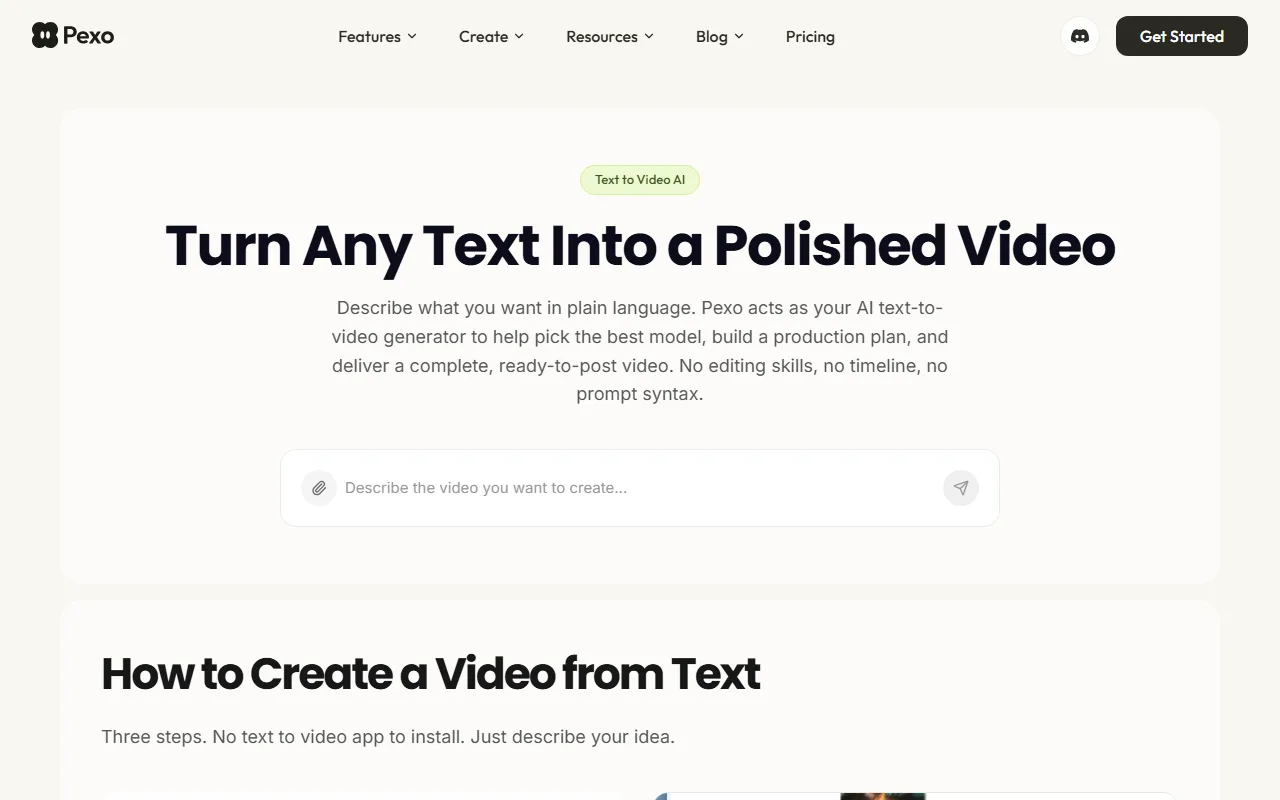 Starting point for vibe creating a video with Pexo: describe the idea in plain text and direct the result.
A couple of things make the first try go smoothly. Lead with the outcome you want and one or two concrete references, since a clear "what" gives the AI more to work with than a vague mood. Then treat the first result as a starting point, not a verdict: the value of vibe creating is in the redirecting, so say what to change and let it iterate. The same habit works whether you are making a video, a still image, or a quick social clip.
Vibe Creating by Scenario
Vibe creating adapts to whatever you are making. See how it works for a specific use case:
- TikTok videos
- YouTube videos
- ecommerce and product videos
- video ads
- teaching and educational videos
- creator content
- explainer videos
Conclusion
Vibe creating is the shift from operating creative tools to directing them: you describe the outcome, AI handles the production, and your taste becomes the thing that sets the work apart. It started with vibe coding in early 2025 and has since spread across video, images, and music as the models got good enough to deliver finished results. The technical barrier that used to sit between an idea and a polished video is quietly disappearing. The best way to understand it is to try it, so describe your next idea and make a short video with Pexo.