
GPT-5.6 Sol
OpenAI's Frontier Reasoning Model
GPT-5.6 Sol is the flagship of OpenAI's GPT-5.6 series, built for frontier reasoning and long-horizon agentic work, and it reaches its results using a fraction of the output tokens earlier models needed. Available on Pexo.
See What You Can Make with Pexo
Here's a glimpse of what people create with Pexo — just a description, no setup.
What Makes GPT-5.6 Sol Different
OpenAI released the GPT-5.6 series on July 9, 2026. Sol is the top of three, and these are the areas it was built to lead.
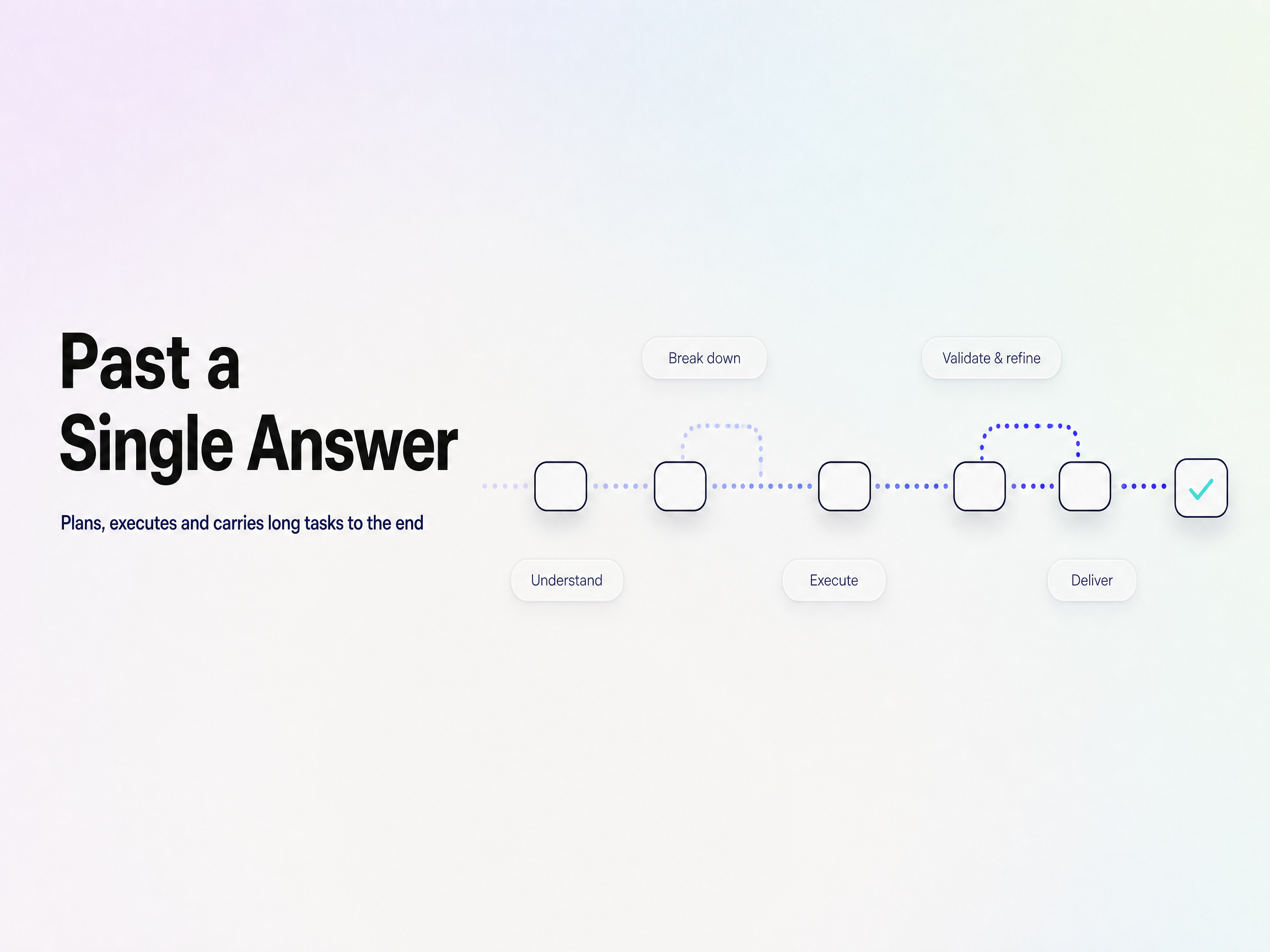
Built for Work That Runs Past a Single Answer
OpenAI positions Sol for frontier reasoning and long-horizon agentic work, the jobs that unfold over many steps rather than resolving in one reply. It advances long-horizon planning and agentic workflows alongside coding and scientific reasoning, which is what makes it useful inside a harness rather than only in a chat window.
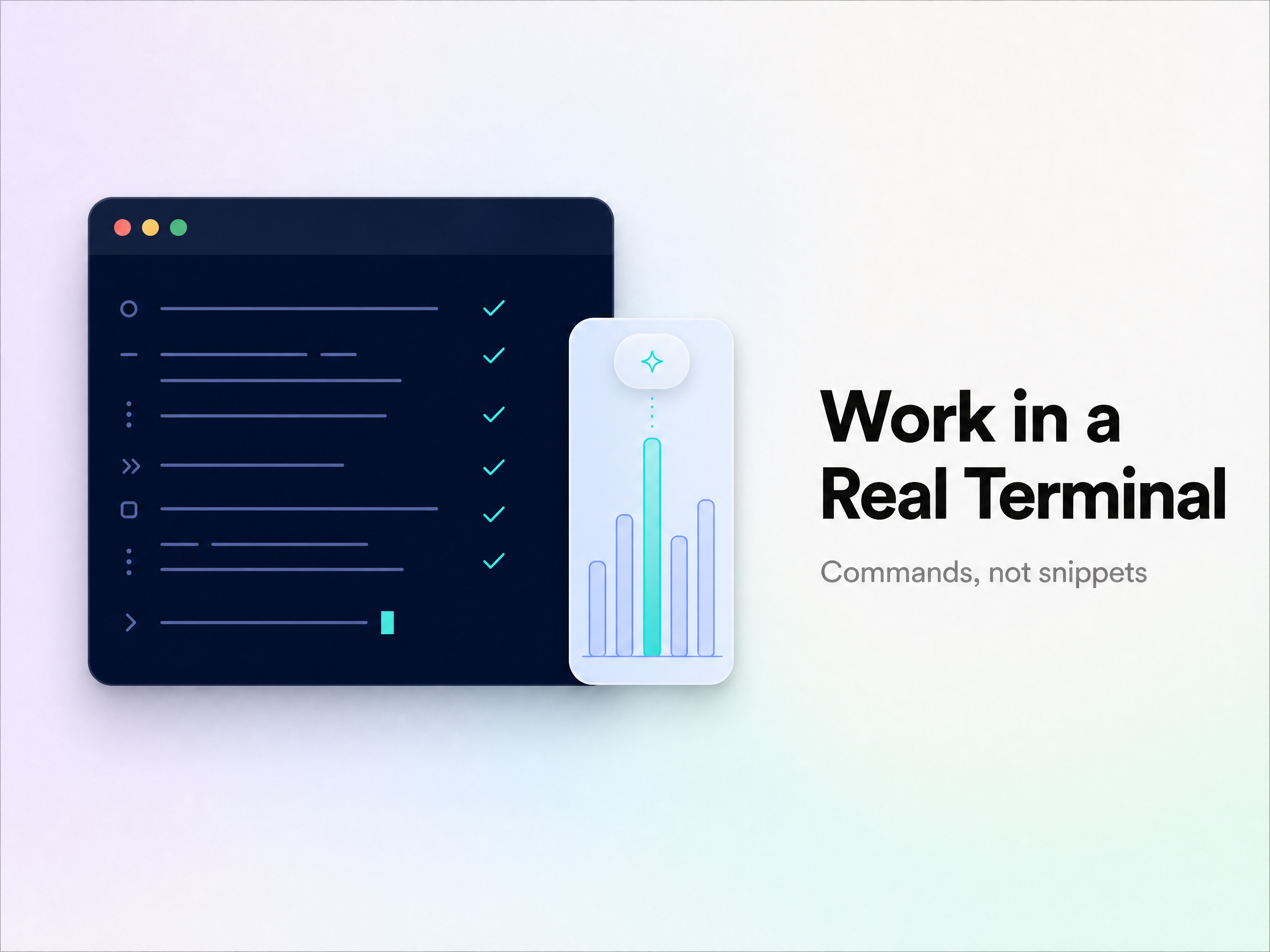
A New State of the Art on Terminal-Bench
OpenAI describes Sol as its best coding model and reports a new state of the art on Terminal-Bench 2.1, the benchmark that measures real terminal work rather than isolated snippets. Sam Altman has said Sol is 54% more token-efficient on AI coding tasks than previous versions.
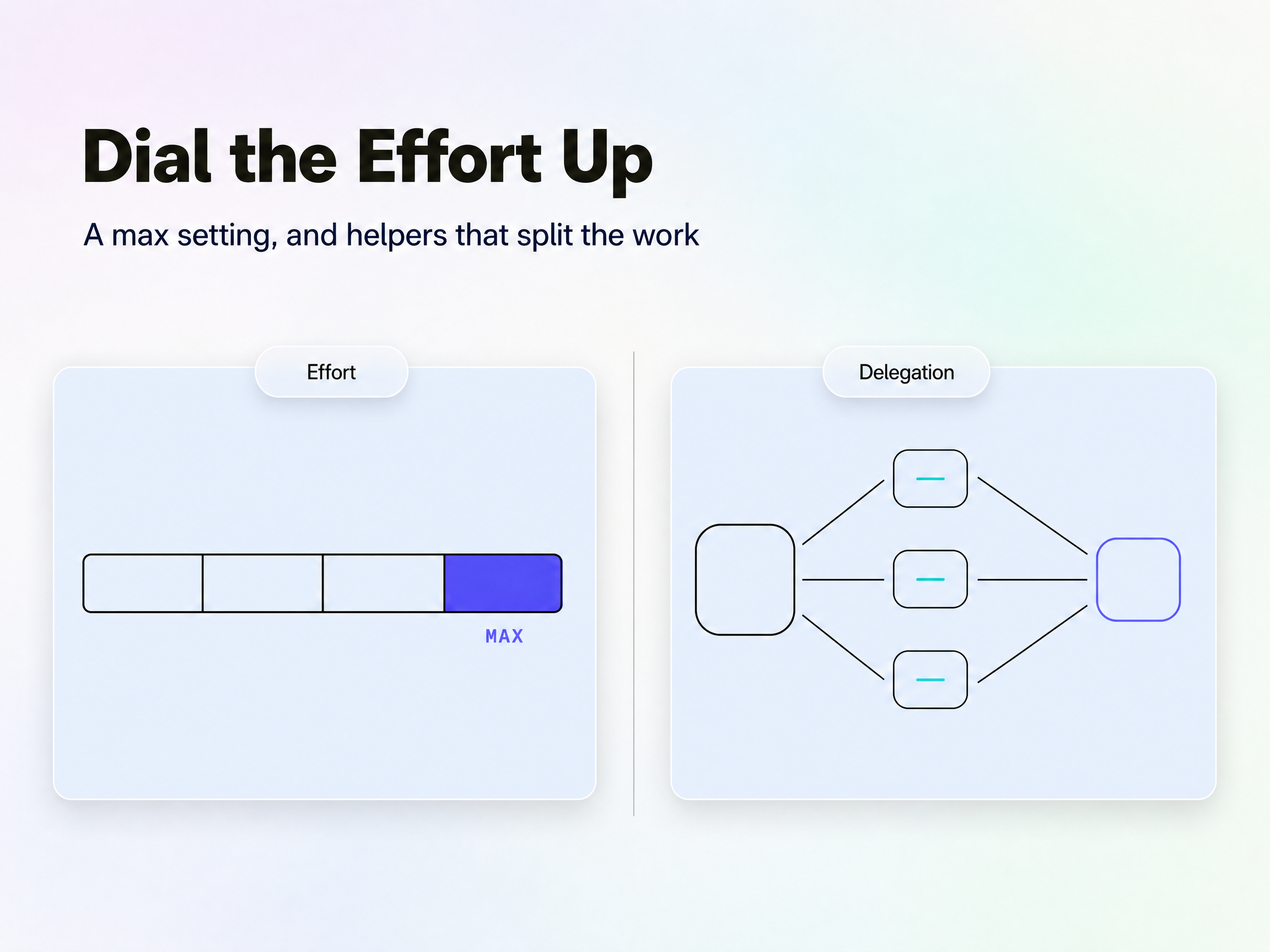
A Max Effort Setting and an Ultra Mode That Delegates
Two controls arrive with this release. A new max reasoning effort lets you spend more compute on the hardest problems, and ultra mode accelerates complex work by dispatching subagents. On ExploitBench, OpenAI reports Sol staying competitive while using roughly one third of the output tokens another leading system needed.
GPT-5.6 Sol vs Terra, Luna, and GPT-5.5
The GPT-5.6 series ships as three models with one job each. Here is where Sol sits, using OpenAI's own framing of the lineup.
| Capability | GPT-5.6 Sol | GPT-5.6 Terra | GPT-5.6 Luna | GPT-5.5 |
|---|---|---|---|---|
| Role in the lineup | Flagship | Balanced everyday | Fastest and most affordable | Previous generation |
| Frontier reasoning | Frontier | Strong | Standard | Strong |
| Long-horizon agentic work | Frontier | Strong | Standard | Standard |
| Coding | Frontier | Strong | Standard | Strong |
| Max reasoning effort and ultra mode | ✓ | — | — | — |
| Reachable through Pexo | ✓ | ✓ | ✓ | ✓ |
Sources: OpenAI: Introducing the GPT-5.6 series · OpenAI · OpenAI Model Release Notes
How to Use GPT-5.6 Sol with Pexo
GPT-5.6 Sol is built to run inside an agent harness. Give it the Pexo skill and it can make video for you, not just talk about it.
Run GPT-5.6 Sol where it already works — Claude Code, Codex, or OpenClaw — and install the Pexo skill. Pexo exposes generation as a skill plus an API, so the agent gains video as a capability it can call.
Stay in the same conversation you're already working in. Describe the shot, the mood, or the whole story in plain language. No prompt syntax and no separate tool to open.
GPT-5.6 Sol turns your intent into the right call, Pexo generates the video, and the file comes back into your workflow. Want a different take? Say so and it iterates.
What You Can Make with Pexo
No prompt writing. No model picking. Just describe what you want.






Frequently Asked Questions About GPT-5.6 Sol
What is GPT-5.6 Sol?+
GPT-5.6 Sol is the flagship model of OpenAI's GPT-5.6 series, released on July 9, 2026. OpenAI describes it as built for frontier reasoning and long-horizon agentic work, and says it advances coding, scientific reasoning, long-horizon planning, and agentic workflows.
What is the difference between Sol, Terra, and Luna?+
They are three tiers of the same release. Sol is the flagship for frontier reasoning and long-horizon agentic work. Terra is the balanced everyday model, which OpenAI says performs competitively with GPT-5.5 at half the cost. Luna is the fastest and most affordable member of the family.
Is GPT-5.6 Sol good at coding?+
That is one of its headline claims. OpenAI calls Sol its best coding model and reports a new state of the art on Terminal-Bench 2.1, which tests work in a real terminal rather than isolated code snippets. Sam Altman has said it is 54% more token-efficient on coding tasks than previous versions.
What are max reasoning effort and ultra mode?+
Both are new with GPT-5.6. Max is an additional reasoning effort setting for spending more compute on genuinely hard problems. Ultra mode speeds up complex work by dispatching subagents rather than working through everything in a single pass.
How do I get access to GPT-5.6 Sol?+
OpenAI opened the series through the API and Codex to selected partners first, then broadened access across ChatGPT, Codex, and the API. If you want it to make video as well as reason about it, add the Pexo skill to the agent you already run it in, such as Claude Code, Codex, or OpenClaw, and Pexo becomes a capability the model can call.
Why was the GPT-5.6 release delayed?+
The series first went out on June 26, 2026 as a limited preview to a small group of trusted partners at the request of the U.S. government, and the broad launch followed on July 9 after the Department of Commerce signed off. OpenAI stated it does not believe this kind of government access process should become the long-term default.
Give GPT-5.6 Sol Video with Pexo
Add the Pexo skill to Claude Code, Codex, or OpenClaw, then describe the video you want and let the model make it.