
Kimi K3
Frontier Intelligence With the Weights Published
Kimi K3 is Moonshot AI's open-weight, native multimodal agentic model and its most capable to date, a 2.8 trillion parameter design that activates 104 billion per token and reads a million tokens of context. Available on Pexo.
See What You Can Make with Pexo
Here's a glimpse of what people create with Pexo — just a description, no setup.
What Makes Kimi K3 Different
Moonshot opened the API on July 16, 2026 and published the full weights on July 27. Three things make K3 worth understanding.
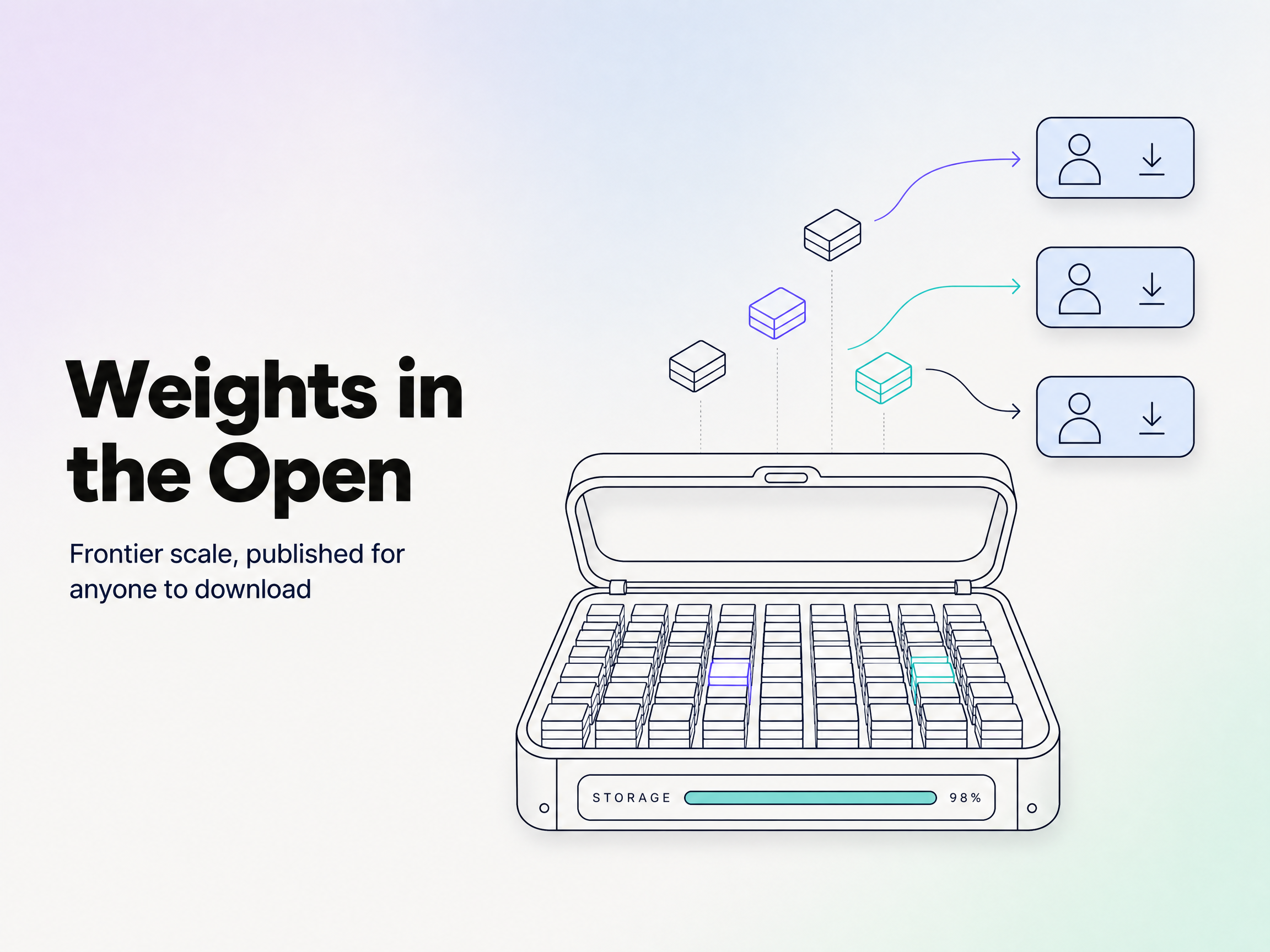
The World's First Open 3T-Class Model
Moonshot published the complete weights on Hugging Face under the Kimi K3 License, alongside parts of its infrastructure including attention kernels, an MoE communication library, and tooling for running agents at scale. Stored with MXFP4 quantization the download still runs to roughly 1.4 terabytes, so this is frontier capability made public rather than frontier capability made portable.
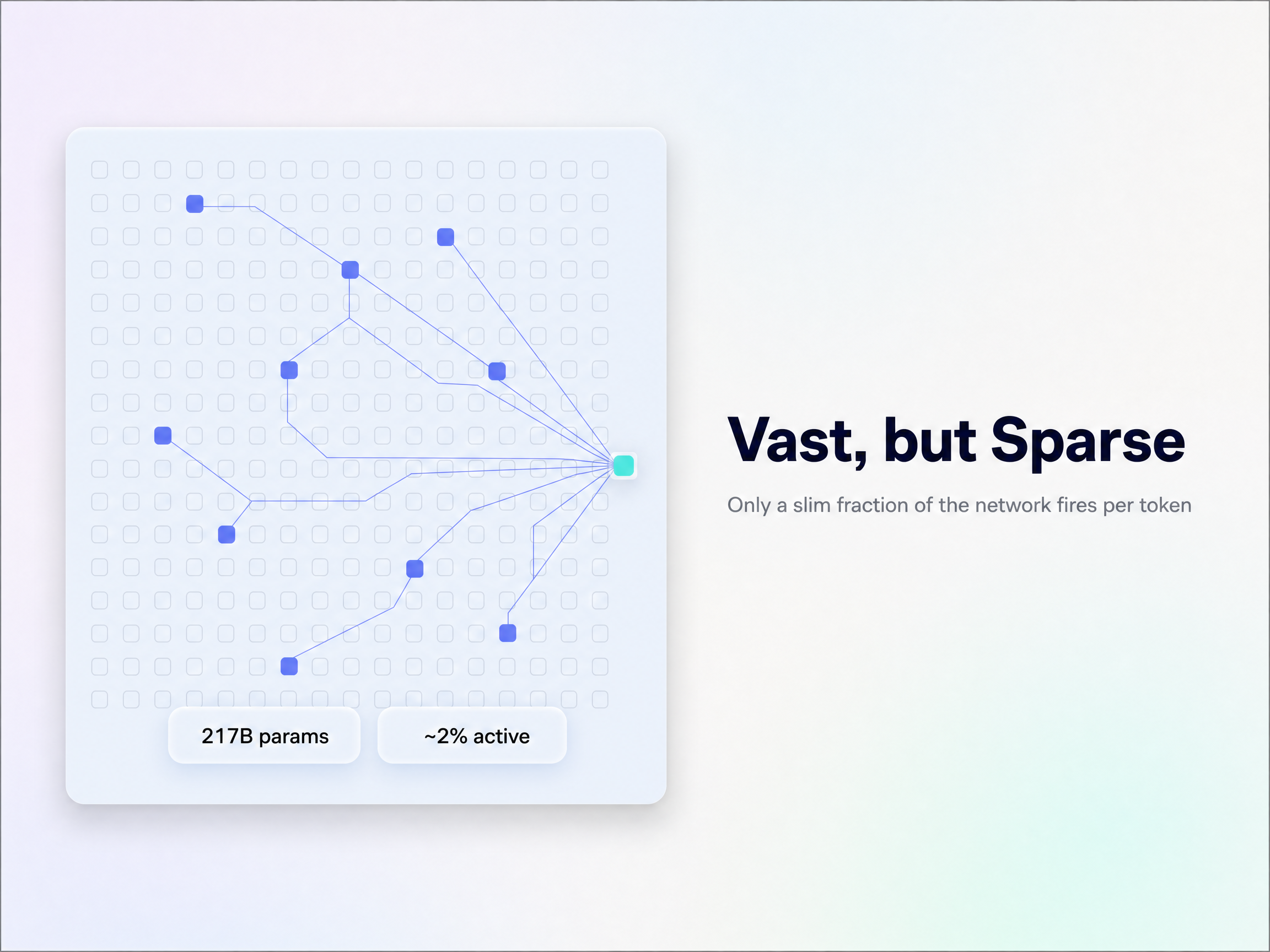
2.8 Trillion Parameters, 104 Billion Doing the Work
K3 is a sparse mixture of experts that selects 16 of 896 experts per token plus 2 shared ones, inside a Stable LatentMoE framework Moonshot credits with roughly 2.5 times the scaling efficiency of Kimi K2. Its 93 layers split into 69 running Kimi Delta Attention and 24 running Gated MLA, a hybrid Moonshot reports decoding up to 6.3 times faster in million-token contexts.
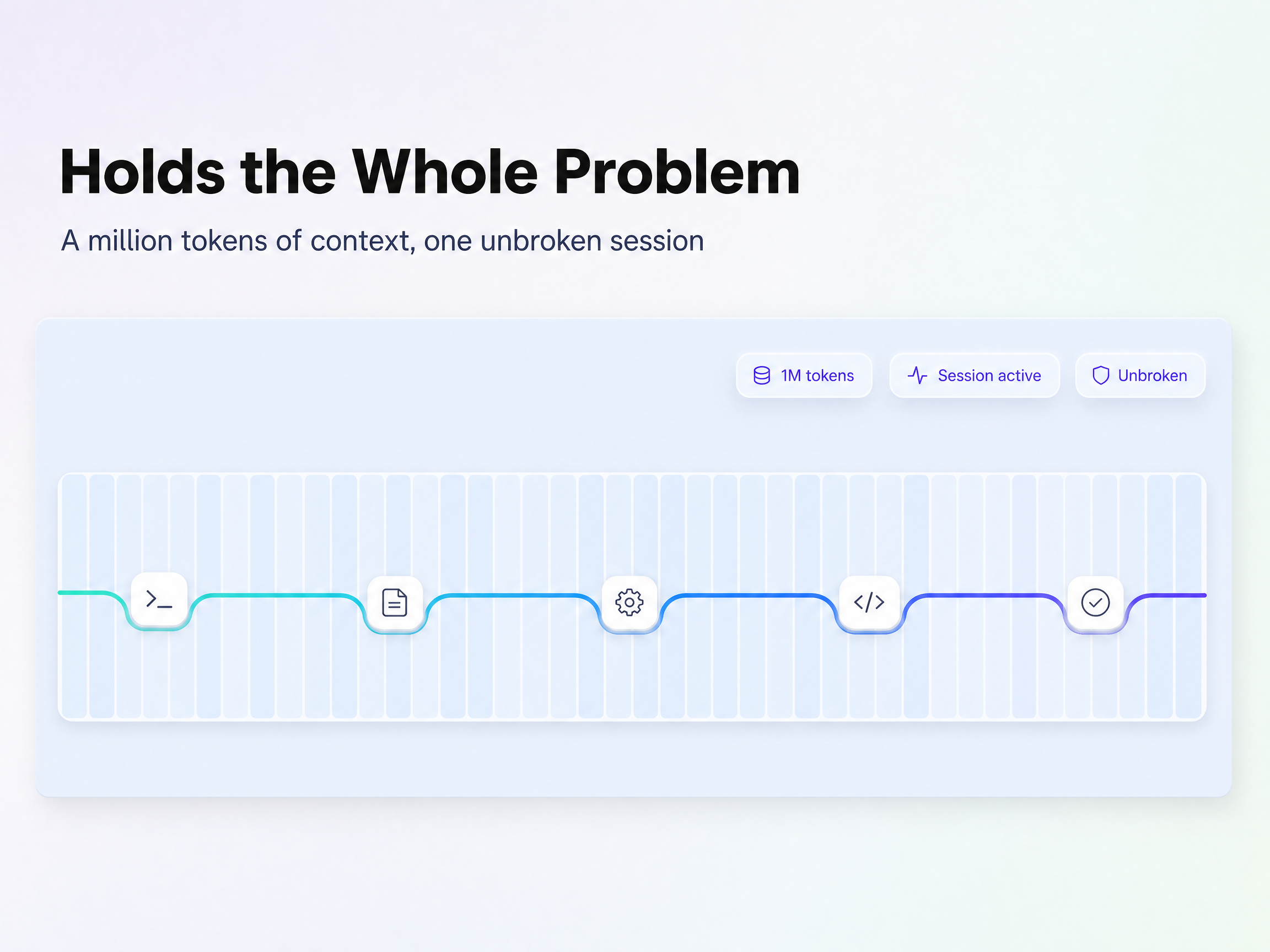
Built to Stay in One Session for a Long Time
Moonshot points K3 at long-horizon coding, where it sustains long engineering sessions, navigates massive repositories, and orchestrates terminal tools, and at agentic knowledge work, where it produces deep research with interactive visualizations. The million-token window is what makes both practical, since the model can hold the whole problem rather than rereading it.
Kimi K3 vs Kimi K2 and the Closed Frontier
K3's real distinction is not a benchmark score, it is that a model at this scale shipped with its weights attached. Here is how that positions it.
| Capability | Kimi K3 | Kimi K2 | Claude Opus 5 | GPT-5.6 Sol |
|---|---|---|---|---|
| Weights published | ✓ | ✓ | — | — |
| Total parameters | 2.8T | Smaller | Not disclosed | Not disclosed |
| Context window | 1M tokens | Shorter | Not disclosed | Not disclosed |
| Native multimodal input | ✓ | — | ✓ | ✓ |
| Long-horizon agentic work | Frontier | Strong | Frontier | Frontier |
| Reachable through Pexo | ✓ | ✓ | ✓ | ✓ |
Sources: Moonshot AI: Kimi K3 model card · Moonshot AI · Kimi Platform
How to Use Kimi K3 with Pexo
Kimi K3 is built to run inside an agent harness. Give it the Pexo skill and it can make video for you, not just talk about it.
Run Kimi K3 where it already works — Claude Code, Codex, or OpenClaw — and install the Pexo skill. Pexo exposes generation as a skill plus an API, so the agent gains video as a capability it can call.
Stay in the same conversation you're already working in. Describe the shot, the mood, or the whole story in plain language. No prompt syntax and no separate tool to open.
Kimi K3 turns your intent into the right call, Pexo generates the video, and the file comes back into your workflow. Want a different take? Say so and it iterates.
What You Can Make with Pexo
No prompt writing. No model picking. Just describe what you want.






Frequently Asked Questions About Kimi K3
What is Kimi K3?+
Kimi K3 is Moonshot AI's open-weight, native multimodal agentic model and, in Moonshot's words, its most capable model to date. It is a 2.8 trillion parameter mixture of experts that activates 104 billion parameters per token, reads a 1,048,576 token context window, and handles text and images in the same model.
Are the Kimi K3 weights really open?+
Yes. Moonshot published the full weights on Hugging Face on July 27, 2026, which made K3 the world's first open 3T-class model. They are released under the Kimi K3 License, a custom license rather than a permissive one like MIT or Apache 2.0, so read the terms before building on it commercially.
Can I actually run Kimi K3 myself?+
Only with serious hardware. Even with MXFP4 quantization the download is roughly 1.4 terabytes across dozens of safetensors shards, and serving 2.8 trillion parameters needs a large GPU cluster. For most people the practical route is the hosted API or a product that already routes to it.
What is Kimi Delta Attention?+
It is the hybrid linear attention mechanism K3 is built on, used in 69 of the model's 93 layers with the remaining 24 running Gated MLA. Moonshot reports it delivers up to 6.3 times faster decoding in million-token contexts, which is what makes agentic work over huge codebases and document sets affordable.
How is K3 different from Kimi K2?+
K3 is a scale and architecture jump rather than a tuning pass. Moonshot credits its Stable LatentMoE framework with roughly 2.5 times the overall scaling efficiency of K2, adds native vision through a MoonViT-V2 encoder, and moves to the KDA plus Attention Residuals foundation.
How do I get access to Kimi K3?+
Moonshot serves it at platform.kimi.ai as kimi-k3, with OpenAI-compatible and Anthropic-compatible endpoints, and the weights are on Hugging Face if you have the hardware. If you want it to make video as well as reason about it, add the Pexo skill to the agent you already run it in, such as Claude Code, Codex, or OpenClaw, and Pexo becomes a capability the model can call.
Give Kimi K3 Video with Pexo
Add the Pexo skill to Claude Code, Codex, or OpenClaw, then describe the video you want and let the model make it.