
Claude Opus 5
Frontier Work Without the Frontier Bill
Anthropic describes Claude Opus 5 as a thoughtful and proactive model that comes close to the frontier intelligence of Claude Fable 5 at half the price, with a new state of the art on coding and knowledge work. Available on Pexo.
See What You Can Make with Pexo
Here's a glimpse of what people create with Pexo — just a description, no setup.
What Makes Claude Opus 5 Different
Anthropic released Opus 5 on July 24, 2026. Three things define it: what it costs, how it works, and how carefully it behaves.

Close to the Frontier, at Half the Cost per Task
This is the headline Anthropic leads with. Opus 5 approaches Fable 5's frontier intelligence at half the price, and on CursorBench 3.2 at max effort it lands within 0.5% of Fable 5's peak score while costing half as much per task. Against its own predecessor it more than doubles Opus 4.8's Frontier-Bench score while holding the same price of $5 per million input tokens and $25 per million output.
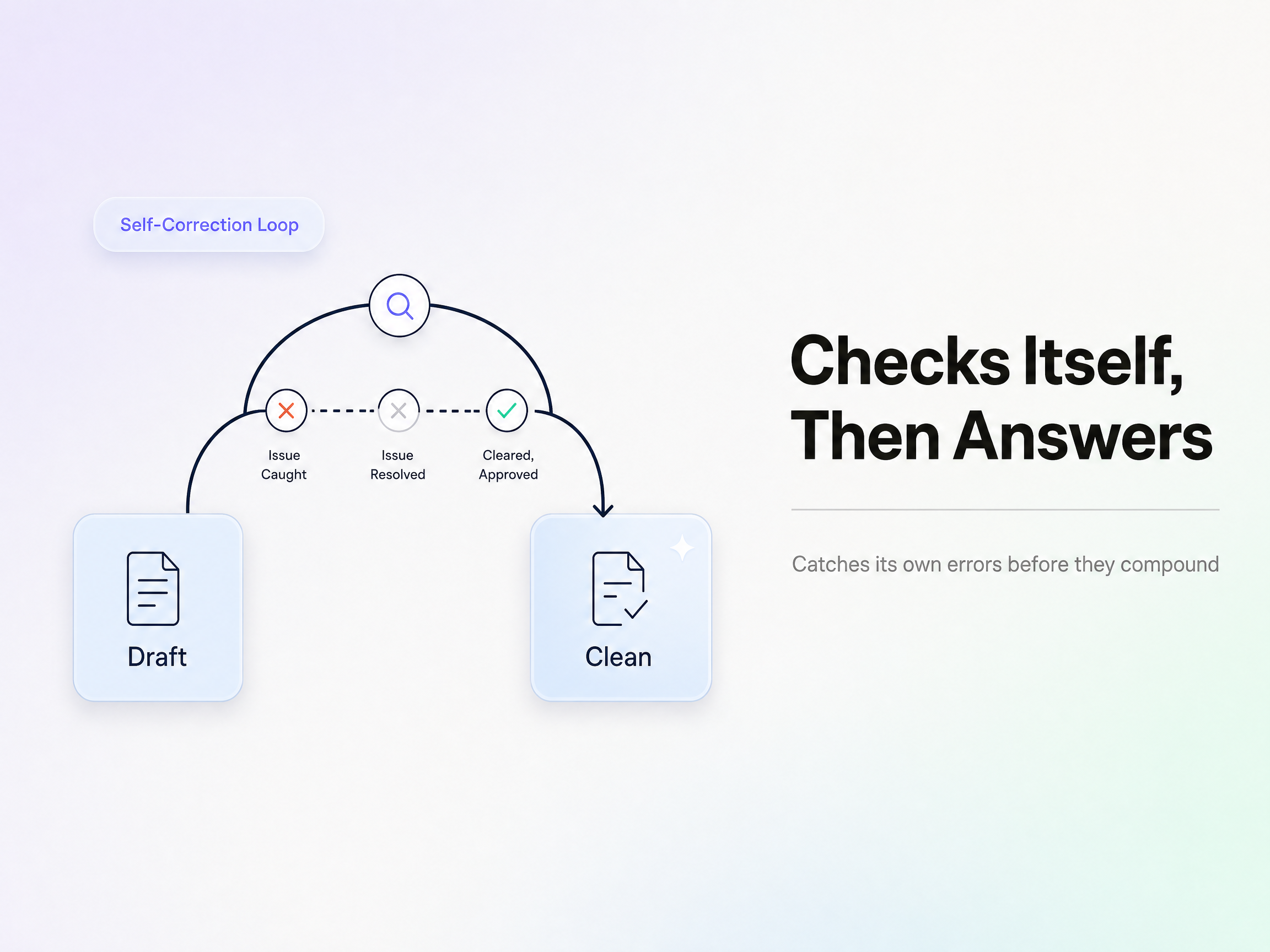
It Checks Its Own Work Before Handing It Back
Anthropic calls Opus 5 thoughtful and proactive, and singles out how much better it has become at verifying its own output and iterating on it. That matters most in agentic, long-horizon work, where a small unchecked error early on compounds through every step that follows.
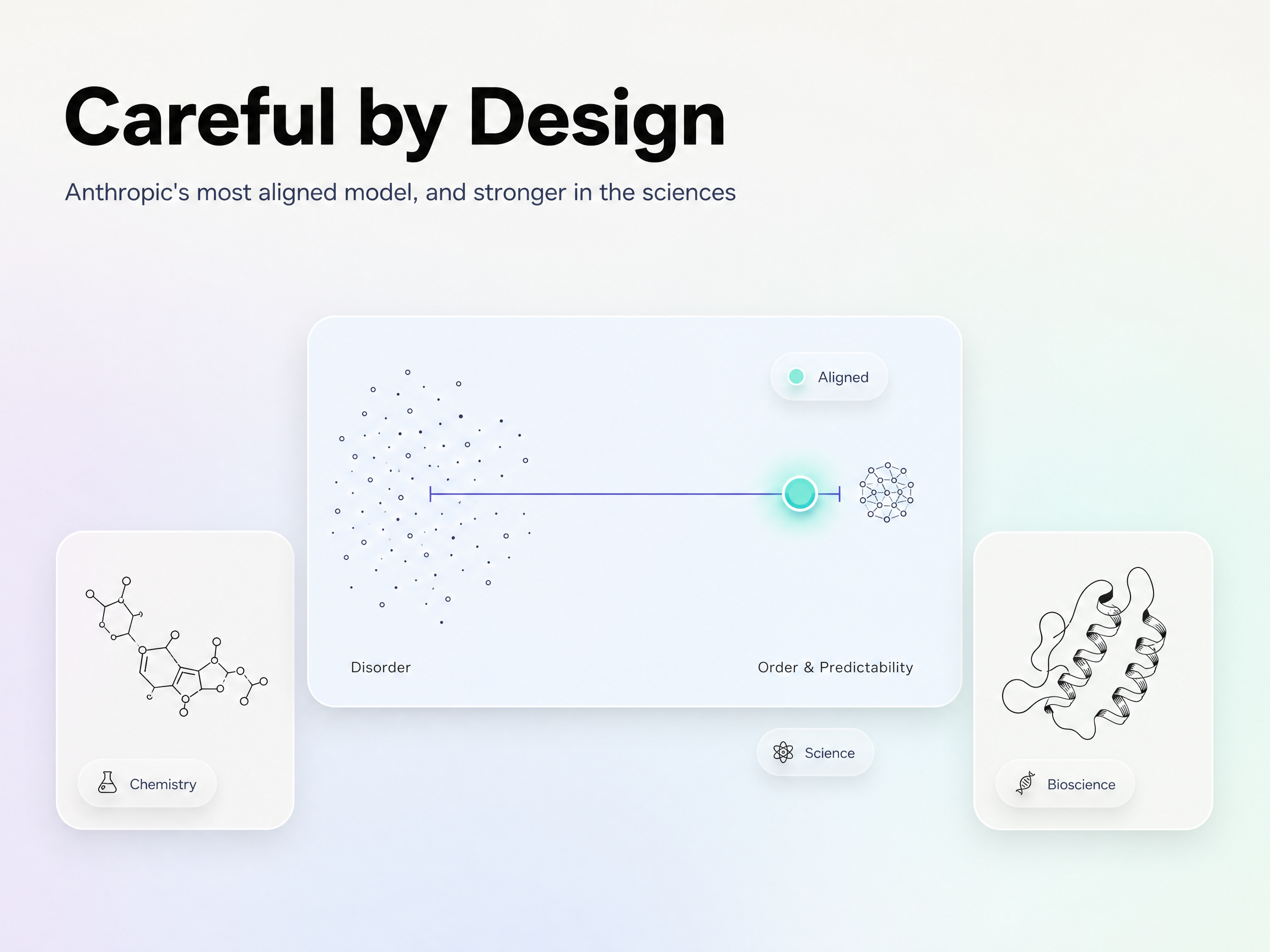
Anthropic's Most Aligned Model to Date
Anthropic reports Opus 5 as its most aligned model so far, scoring 2.3 on overall misaligned behavior. Alongside that it posts gains across the life sciences, including 10.2 points on organic chemistry and 7.7 points on protein tasks over Opus 4.8, which is the kind of research work where a confidently wrong answer is expensive.
Claude Opus 5 vs Fable 5, Opus 4.8, and Mythos 5
Opus 5 is not the most capable model Anthropic has released. It is the one that gets closest to that ceiling for the least money, and Anthropic frames it exactly that way.
| Capability | Claude Opus 5 | Claude Fable 5 | Claude Opus 4.8 | Claude Mythos 5 |
|---|---|---|---|---|
| Model class | Opus-class | Mythos-class | Opus-class | Mythos-class |
| Price per million tokens | $5 in / $25 out | $10 in / $50 out | $5 in / $25 out | $10 in / $50 out |
| Coding and knowledge work | Frontier | Frontier | Standard | Frontier |
| Verifies its own output | ✓ | ✓ | — | ✓ |
| Generally available to everyone | ✓ | ✓ | ✓ | — |
| Reachable through Pexo | ✓ | ✓ | ✓ | — |
Sources: Anthropic: Introducing Claude Opus 5 · Anthropic: Claude Fable 5 and Claude Mythos 5 · Anthropic
How to Use Claude Opus 5 with Pexo
Claude Opus 5 is built to run inside an agent harness. Give it the Pexo skill and it can make video for you, not just talk about it.
Run Claude Opus 5 where it already works — Claude Code, Codex, or OpenClaw — and install the Pexo skill. Pexo exposes generation as a skill plus an API, so the agent gains video as a capability it can call.
Stay in the same conversation you're already working in. Describe the shot, the mood, or the whole story in plain language. No prompt syntax and no separate tool to open.
Claude Opus 5 turns your intent into the right call, Pexo generates the video, and the file comes back into your workflow. Want a different take? Say so and it iterates.
What You Can Make with Pexo
No prompt writing. No model picking. Just describe what you want.






Frequently Asked Questions About Claude Opus 5
What is Claude Opus 5?+
Claude Opus 5 is a language model Anthropic released on July 24, 2026. Anthropic describes it as a thoughtful and proactive model that comes close to the frontier intelligence of Claude Fable 5 at half the price, and reports a new state of the art on coding and knowledge work evaluations including Frontier-Bench and GDPval-AA.
How is Opus 5 different from Fable 5?+
Fable 5 is Mythos-class and sits higher in raw capability. Opus 5 is Opus-class and gets close to it for half the money. Anthropic reports that on CursorBench 3.2 at max effort, Opus 5 lands within 0.5% of Fable 5's peak score at half the cost per task. Fable 5 also stays ahead on the risk-sensitive work Anthropic gates behind classifiers.
How much does Claude Opus 5 cost?+
$5 per million input tokens and $25 per million output tokens, the same price as its predecessor Opus 4.8, which Anthropic pairs with a large jump in performance. A fast mode runs at roughly 2.5 times the default speed for twice the base price.
Is Opus 5 better than Opus 4.8?+
By Anthropic's numbers, substantially, and at the same price. It more than doubles Opus 4.8's score on Frontier-Bench v0.1 at lower cost, and improves on every life sciences evaluation Anthropic ran, including 10.2 points on organic chemistry and 7.7 points on protein tasks.
How do I get access to Claude Opus 5?+
Anthropic made it available across its platforms on launch day, as the default model on Claude Max and the strongest model on Claude Pro, with the API model ID claude-opus-5. If you want it to make video as well as reason about it, add the Pexo skill to the agent you already run it in, such as Claude Code, Codex, or OpenClaw, and Pexo becomes a capability the model can call.
Which Anthropic model should I pick for agentic work?+
Anthropic points Opus 5 at agentic, long-horizon work specifically, and highlights its ability to verify its own output and iterate. Fable 5 remains the choice when you want the highest ceiling regardless of cost. For most multi-step work the price gap is what decides it.
Give Claude Opus 5 Video with Pexo
Add the Pexo skill to Claude Code, Codex, or OpenClaw, then describe the video you want and let the model make it.