Pexo
World Labs Atlas

Atlas
Build the scene. Direct the camera.

Atlas is World Labs’ multimodal world model for generating and reconstructing visual scenes. Build a spatial context from images, explore new viewpoints and render camera-led video. Public tools and developer access opened on November 12, 2026.

Core capabilities

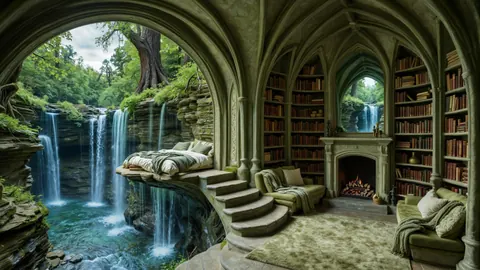
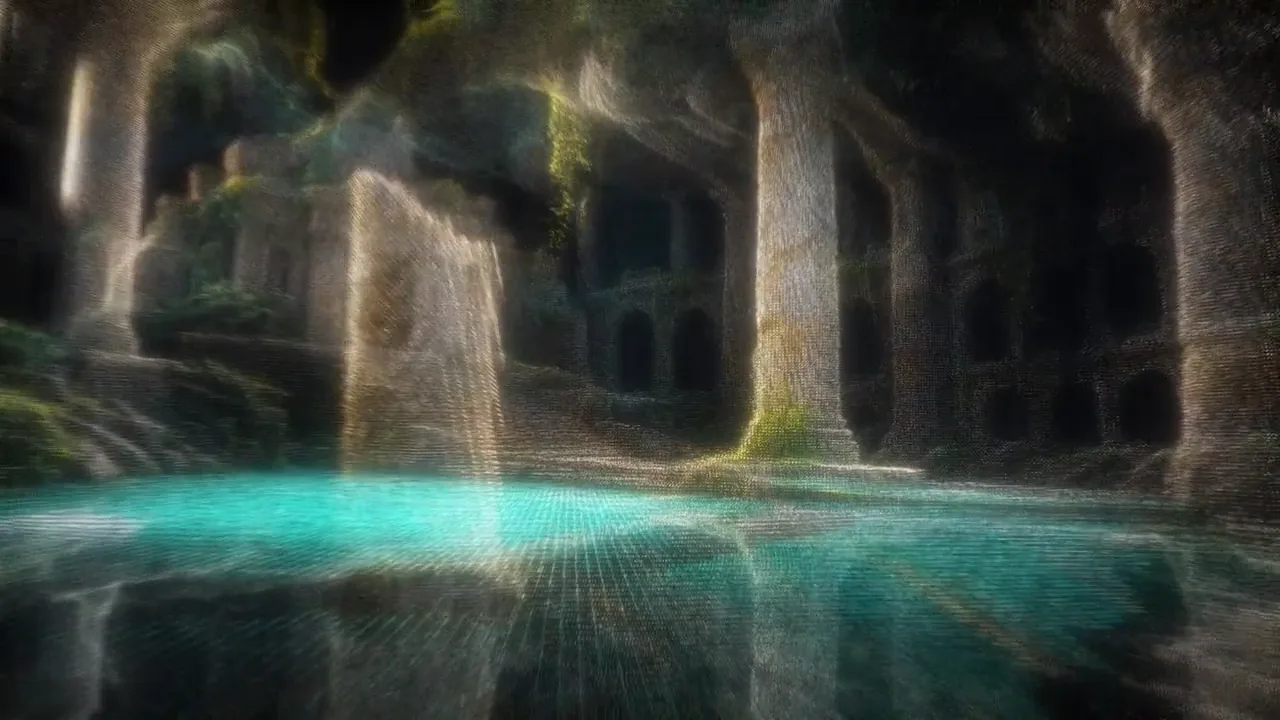
Pool and waterfall in the Atlas creative workflow

Pool-side view

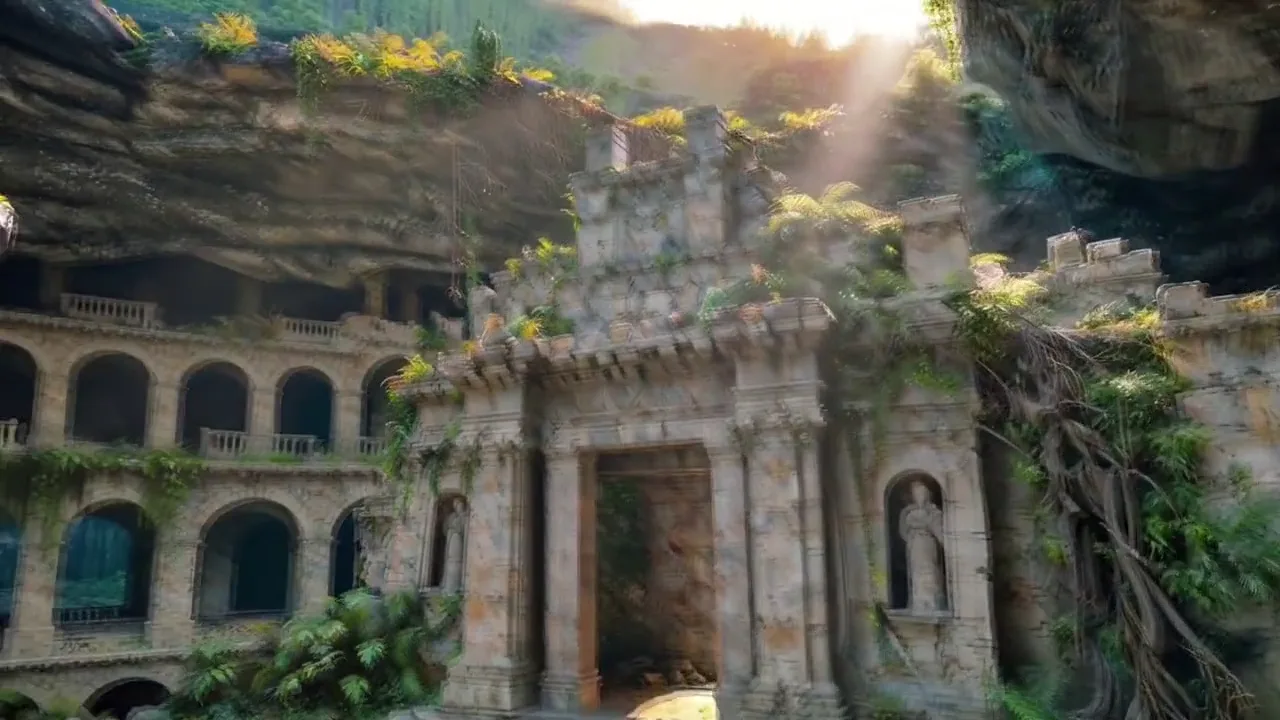
Another camera viewpoint into the Atlas courtyard

Courtyard view

Two actual frames from the same camera-led scene demonstration.

Explore a scene from another camera position

Atlas uses spatial context to generate viewpoints beyond the supplied images. The courtyard demonstration moves between a waterfall pool and the surrounding ruins. Decide what the next camera view should reveal, then inspect surfaces that were not visible before: the model must imagine those regions, rather than recover a hidden photograph.
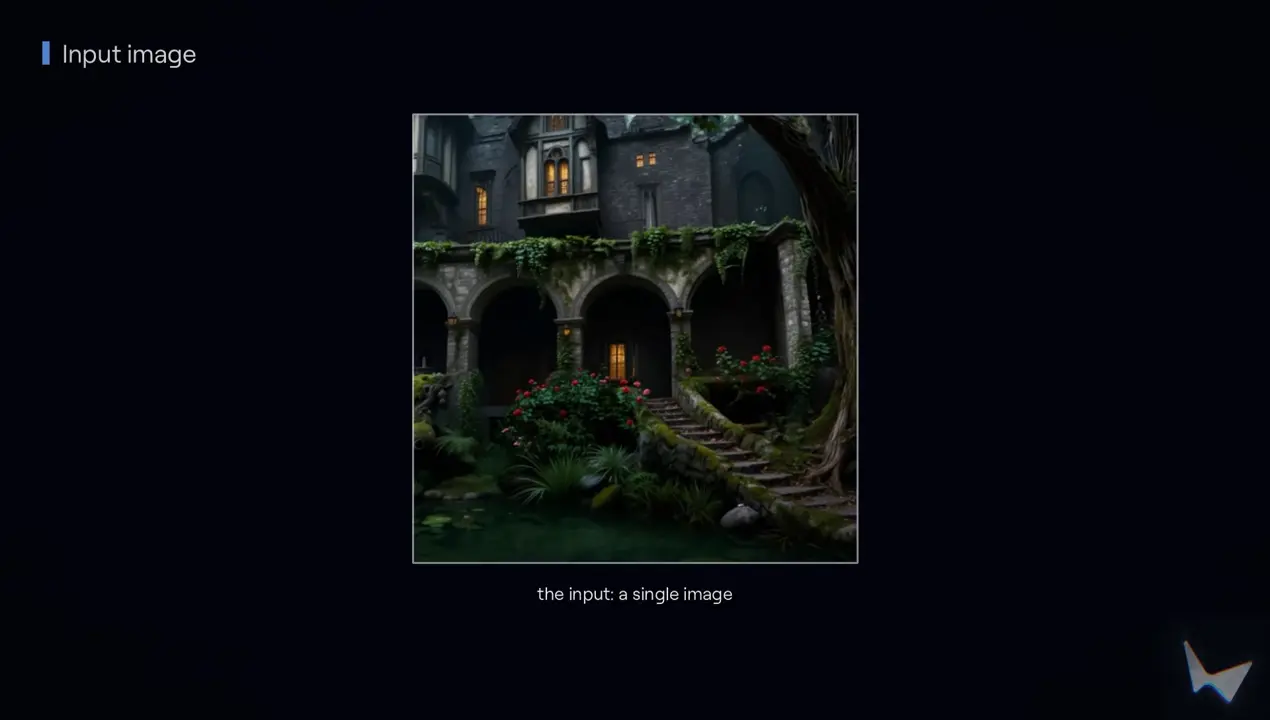
A single input image in the official Atlas garden demonstration

Actual input image

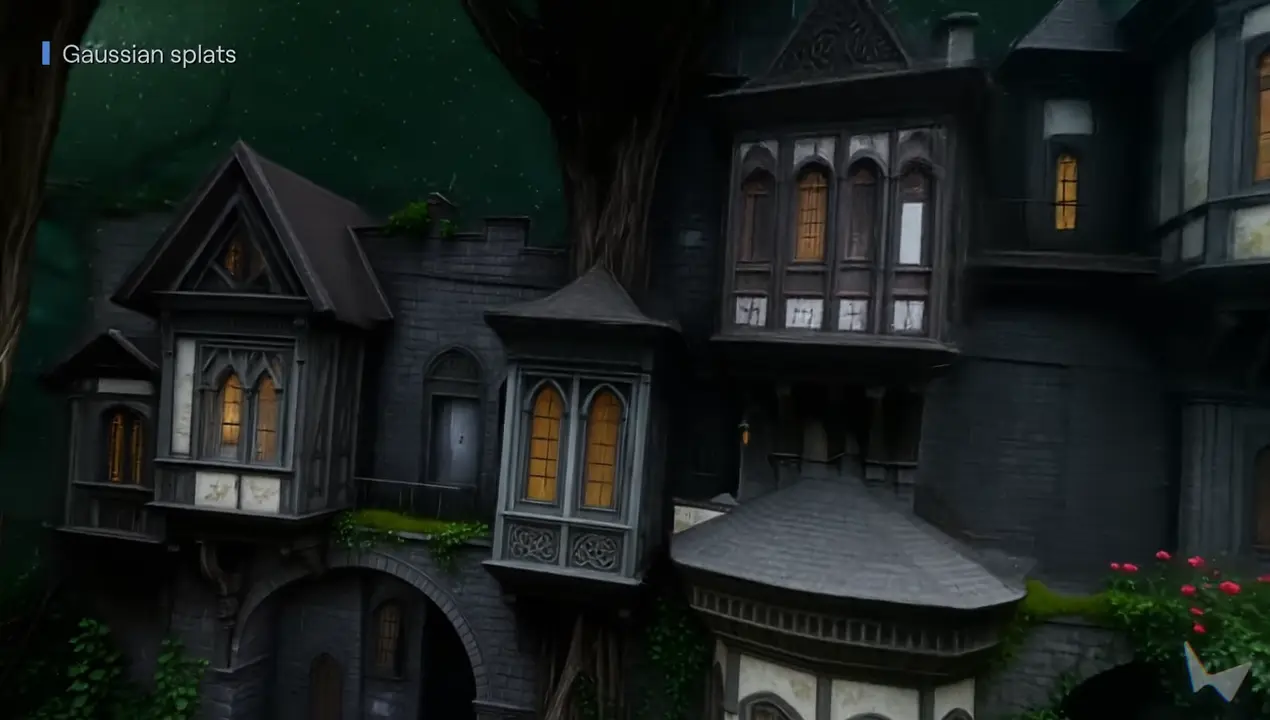
A novel camera view of the same Atlas-generated garden scene

Generated scene view

Input → generated viewpoint, taken from the same official demonstration.

Generate a moving viewpoint from an image

A single garden image establishes the starting scene in this official demonstration. Atlas generates additional views and builds a scene that can be explored along a camera path. Compare the input with the later camera view: newly revealed walls, roofs and vegetation are inferred. Use extra references when those unseen details must match a real location.

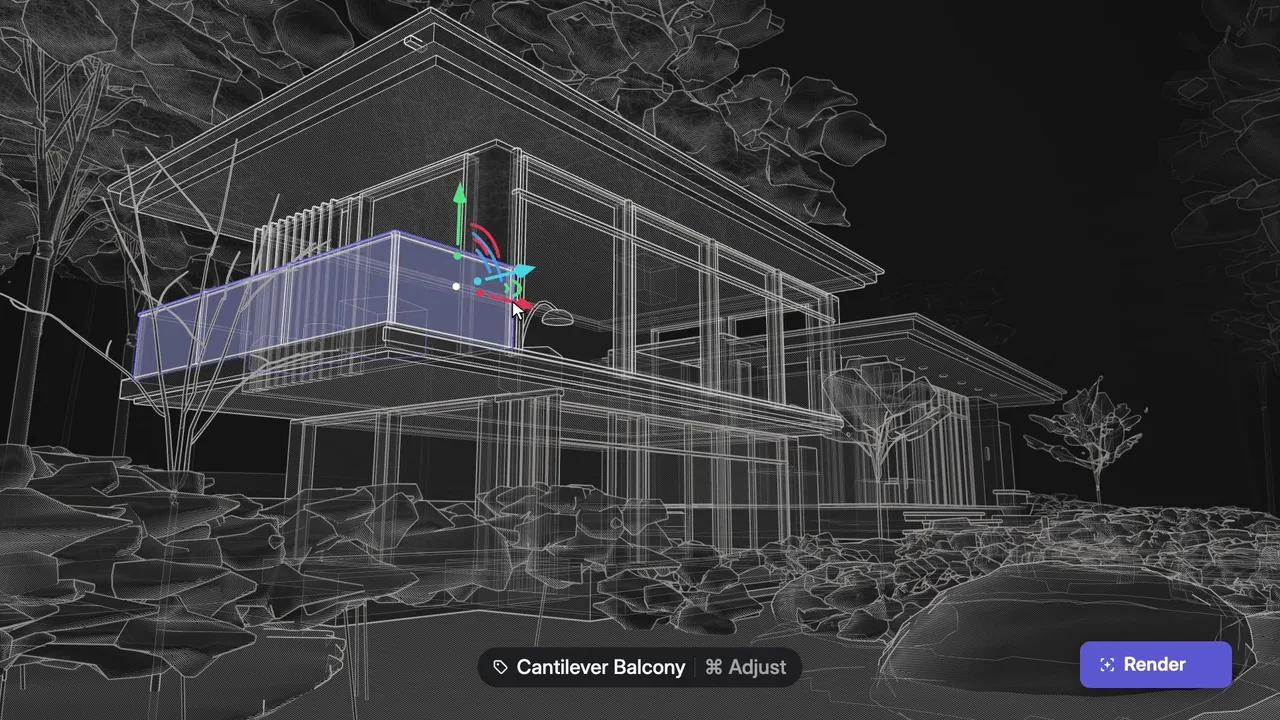
A structured wireframe guide for an architectural scene

Structural guide

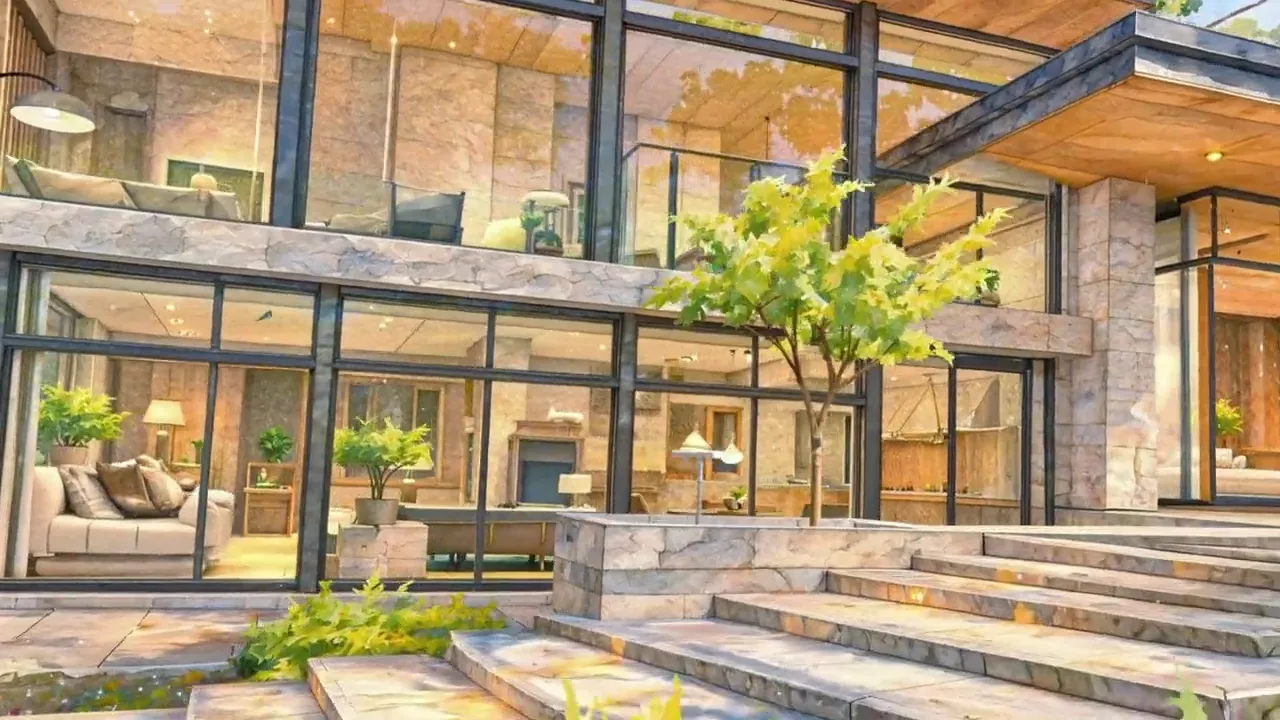
The corresponding architectural rendering

Rendered scene

Official architecture workflow: geometry guides the proposed visual result.

Guide the structure before refining the view

In the current Atlas workflow, structured scene building can establish a layout before the finished view is rendered. A wireframe house becomes a furnished, planted architectural scene. For an interior or set concept, decide where the camera, walls and major objects belong. Treat the result as a design proposal and check geometry before relying on dimensions.

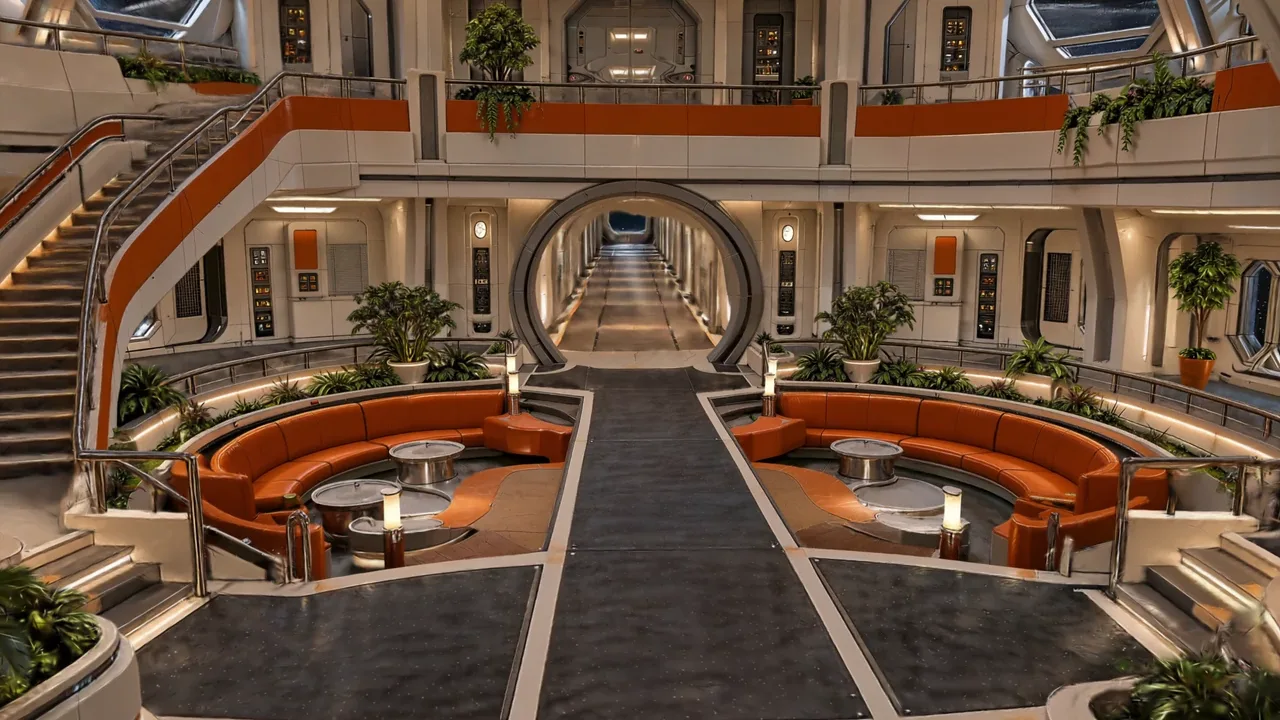
An atrium under bright daytime lighting

Bright treatment

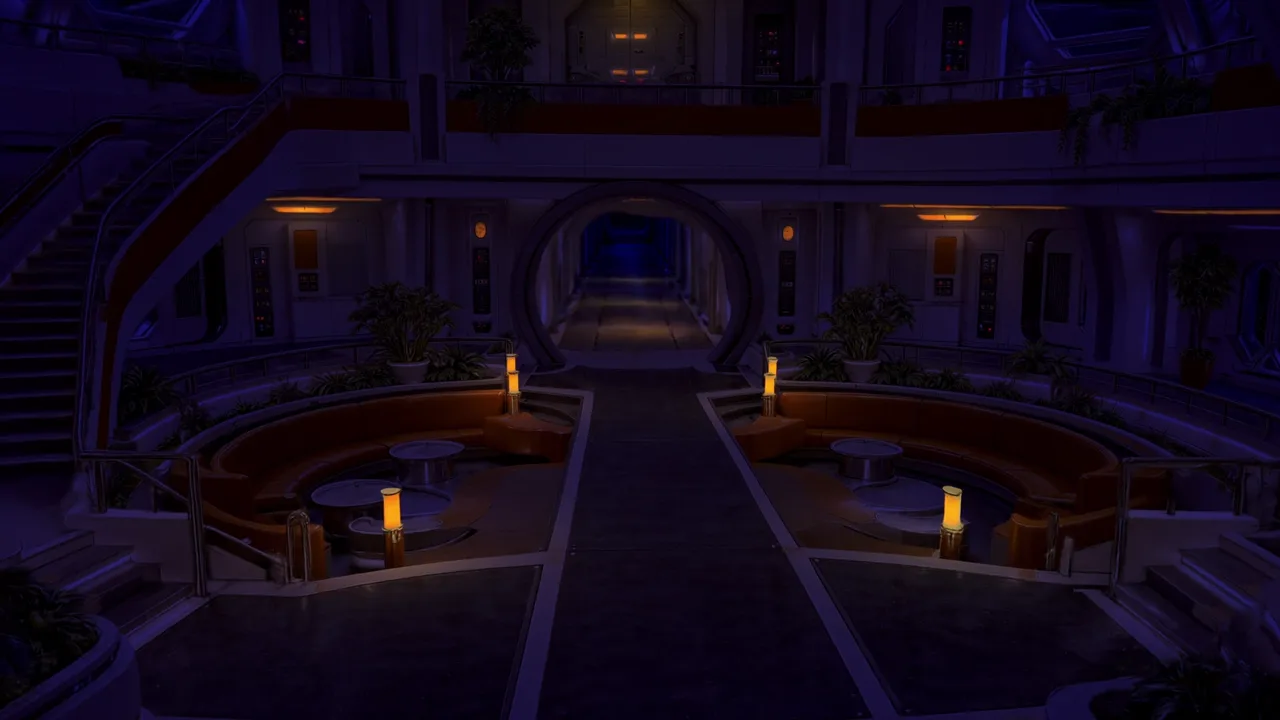
The atrium with dark blue lighting

Dark treatment

Two lighting states from the official Relight demonstration.

Explore a different lighting treatment

Relight is one of the tools released with Atlas. The atrium demonstration changes the lighting of a scene while keeping the same broad viewpoint. This can help explore a daytime or darker dramatic direction for a set. Inspect reflections, small objects and visibility in the shadows; a lighting variation is not proof that every pixel or material remains unchanged.

Image showcase

Source: World Labs official Atlas scene previews and tool demonstrations; actual video frames extracted for display.

Model comparison

DIMENSIONAtlasMarble
PositioningWorld model with image, video and spatial outputsEarlier multimodal world model for creating and editing worlds
Creative controlSpatial context and explicit camera geometry; current tools include Viewfinder and ChiselText, image, video and coarse 3D layout inputs; interactive editing, expansion and combination
Documented outputsNovel-view frames, camera-led video, depth and explicit 3D representationsWorlds exportable as Gaussian splats, meshes or videos
Video demonstrationTechnical announcement demonstrates up to one minute at 1440p; check current product limits separatelyNo matched duration or resolution claim used in this comparison
Release contextAnnounced September 1, 2026; public release November 12, 2026Public release announcement dated November 12, 2025

The highlighted column identifies this page’s main model. This compares documented model and workflow scope, not a same-input quality benchmark performed by Pexo.

Use-case scenarios

Film and VFX camera planning

Develop a setting, explore where a camera could move and compare the resulting viewpoints before building a longer sequence.

Architectural scene development

Use photographs or a rough layout to explore a space from different angles. Review imagined regions and geometry before presenting a design.

A consistent environment for several shots

Work with a shared setting while varying framing and lighting. Inspect continuity across the sequence instead of relying on one attractive frame.

Use cases

Develop the wider visual idea with Pexo’s video creation workflows.

Frequently Asked Questions About Atlas

What is Atlas, and when did it become public?

Atlas is World Labs’ multimodal world model for generating, reconstructing and simulating visual scenes. It was introduced on September 1, 2026. The public release of its tools and developer access is dated November 12. Public availability does not imply a new numbered model version.

Is Atlas only for 3D or robotics?

Its technical announcement also documents camera-controlled images and videos, novel-view generation, and text-to-image and panorama tasks. This page focuses on creative visual work. The current tools and their controls should be checked separately from the full set of model capabilities shown in research demonstrations.

Does every request produce a one-minute 1440p video?

No. That is a demonstrated maximum in the technical announcement, not a guaranteed output for every request. Current product routes, input limits, duration and delivery settings may differ. Check the route you intend to use before planning a production around a particular format.

What are Viewfinder, Chisel and Relight?

They are tools in the Atlas workflow. Viewfinder reconstructs scenes from images and supports new viewpoints and camera-path rendering. Chisel provides structured scene building and grayboxing. Relight explores scene lighting. These tool names do not each identify a separate model release.

Can I treat a reconstruction as ground truth?

No. Atlas can imagine surfaces and regions the source images never show. More useful reference views can constrain the scene, but inspect geometry, objects, text and continuity before relying on the output. A plausible image is not proof of a measured reconstruction.

Official World Labs guide

Describe your idea and start your next creation.

Start creating