 ChatGPT
 Perplexity
 Claude
 Gemini
 Grok
Grok



Every app gets one chance to make a first impression. If new users don't understand the value within the first minute, they leave. That is where app onboarding videos come in.
An app onboarding video is a short, guided visual walkthrough that introduces new users to an app's core features, interface, and value proposition during their first interaction with the product.
Unlike static tooltips or text-heavy tutorials, onboarding videos combine motion, narration, and visual demonstration to compress learning curves and get users to their "aha moment" faster.
Why App Onboarding Videos Matter
User attention is the scarcest resource in mobile and SaaS products. Research consistently shows that 91% of people watch videos to understand a product better, making video the most natural format for first-time user education.
The numbers back this up across the funnel. Apps that implement video onboarding see a 20 to 40% increase in activation and conversion rates compared to text-only flows. The reason is straightforward. Video lets you show, not tell. A 30-second clip of someone completing a task inside your app communicates more than a page of instructions ever could.
Beyond activation, onboarding videos directly reduce support ticket volume. When users see how a feature works before they encounter it, they are far less likely to get stuck. This compounds over time. Lower support costs, higher retention, and stronger word-of-mouth all trace back to a confident first experience.
For product teams shipping explainer videos for business use cases, the onboarding video is often the highest-ROI piece of content they produce.
Types of App Onboarding Videos
Not every onboarding video serves the same purpose. The format you choose should match where the user is in their journey.
Welcome Tour Videos
These play immediately after signup or first launch. They set expectations, establish brand tone, and preview the app's main value. Think of Calm's opening sequence. It does not teach features. It sets a mood and tells users what they will gain by staying.
Feature Walkthrough Videos
Feature walkthroughs zero in on a single capability. They work best when triggered contextually. For example, the first time a user opens the reporting dashboard, a 20-second video shows how to filter data and export a chart. These are surgical and specific.
Interactive Tutorial Videos
These blend video with user input. The video plays a step, then pauses for the user to replicate the action in the live app. Duolingo uses a version of this pattern. The lesson flow is essentially an interactive onboarding sequence disguised as gameplay.
Tooltip and Micro Videos
Short clips embedded directly in the UI, often three to ten seconds, that demonstrate a single interaction. Figma uses this approach for its more complex tools. A tiny looping animation shows exactly how a feature works without pulling the user out of their workflow.
What Makes a Great App Onboarding Video
The difference between onboarding videos that retain users and ones that get skipped comes down to a few consistent patterns.
Keep It Under 90 Seconds
Duolingo's onboarding takes users through their first lesson in under a minute. No feature tour, no settings walkthrough. Just the core loop. If your onboarding video runs longer than 90 seconds, you are probably trying to cover too much.
Use Progressive Disclosure
Slack does not show new users every channel feature, integration, and admin setting on day one. It introduces messaging first, then threads, then channels. Each concept builds on the last. Your onboarding video should follow the same principle. Reveal complexity gradually.
Defer Signup and Permissions
The best onboarding videos let users experience value before asking for an account or permissions. Notion's approach is instructive. New users can interact with templates and see the product working before they hit any gate. Your video should demonstrate the payoff before the ask.
Show Real Workflows, Not Feature Lists
Nobody cares that your app has 47 features. They care about solving one specific problem. Great onboarding videos follow a user through a realistic task from start to finish. Headspace does not list meditation categories. It walks you through your first session.
Match Your Brand Voice
If your app is playful, the onboarding video should be playful. If your product serves enterprise finance teams, the tone should be precise and professional. Consistency between the video and the in-app experience prevents cognitive dissonance.
How to Create an App Onboarding Video
Building an effective onboarding video does not require a production studio. Here is a practical workflow.
Step 1. Define the Core Action
Identify the single most important thing a new user needs to do. Not three things. One. For a task manager, it might be creating and completing a task. For a design tool, it might be placing an element on a canvas. Everything in your video should drive toward that action.
Step 2. Script the Flow
Write a script that follows a new user's perspective. Start with the problem ("You have a dozen tasks scattered across apps"), move to the solution ("Here is how to capture them all in one place"), and end with the result ("Now you can see your whole day at a glance"). Keep narration conversational and under 120 words.
Step 3. Capture or Generate Visuals
You have two paths. Screen recording works for products with clean, visual interfaces. For app explainer videos that need stylized motion graphics or animated sequences, AI video generation is increasingly the faster route.
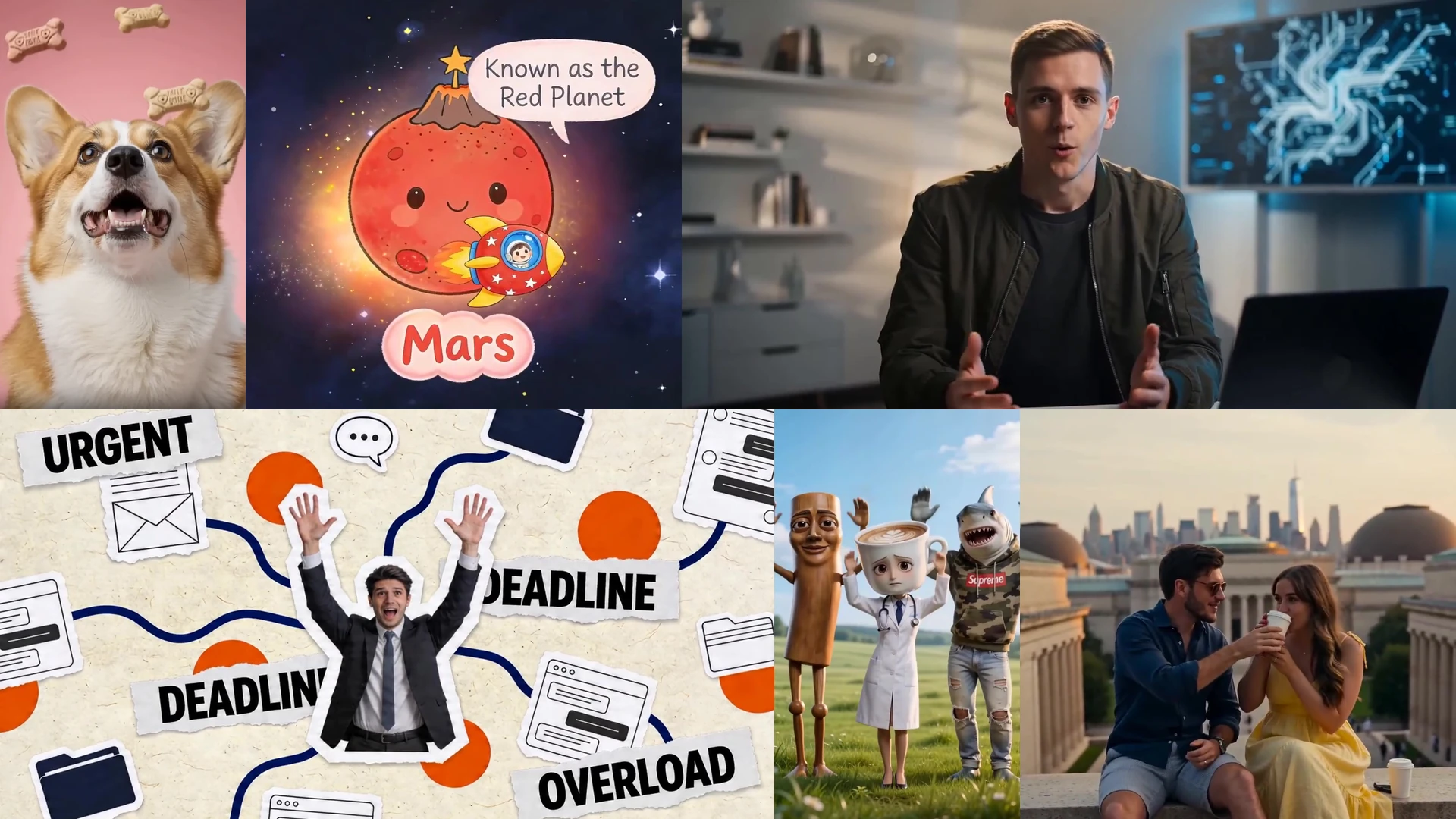
Pexo, for example, works as an AI video partner that can generate polished visual sequences from text descriptions. You describe the scene, select a model like Seedance 2.0 or Kling AI, and get broadcast-quality clips without manual animation. This is particularly useful for startups and product teams that need to iterate on onboarding videos as their product evolves.
Step 4. Edit for Pacing
Cut aggressively. Every second that does not move the user closer to understanding should go. Add captions for accessibility. Use visual cues like highlights and zoom-ins to direct attention to the right part of the screen.
Step 5. Integrate into Your Product
The video should live inside the app, not on a landing page users might never visit. Embed it in the onboarding flow, trigger it contextually, or make it accessible from a help menu. The goal is to meet users exactly where they need guidance.
App Onboarding Video vs Employee Onboarding Video
These terms sound similar but serve completely different audiences and objectives.
An app onboarding video targets end users. Its purpose is to reduce time-to-value, improve activation rates, and prevent churn. It lives inside the product and runs 30 to 90 seconds.
An employee onboarding video targets new hires within a company. Its purpose is to communicate company culture, policies, and role-specific training. It lives in an LMS or HR platform and typically runs 5 to 30 minutes.
The production approach differs too. App onboarding videos prioritize brevity and UI demonstration. Employee onboarding videos prioritize thoroughness and compliance documentation. Conflating the two leads to app videos that are too long and employee videos that are too shallow.
Common Mistakes to Avoid
Covering every feature at once. Overloading new users with a full product tour guarantees they remember nothing. Focus on one workflow.
Making it skippable without an alternative. If users skip the video, they still need a path to understanding. Provide fallback tooltips or a help center link.
Ignoring mobile context. If your app is mobile-first, your onboarding video must work on a small screen with sound off. Captions and large visual elements are not optional.
Using generic stock footage. Users need to see your actual product. Abstract visuals or unrelated stock clips erode trust during a moment when credibility matters most.
Never updating the video. Your app changes. Your onboarding video should change with it. Outdated UI in an onboarding video creates confusion from the very first interaction. AI video partners like Pexo make re-creation fast enough that updates become routine rather than a quarterly project.
Burying the video behind signup. Let users see the onboarding experience before committing. Pre-signup onboarding videos on landing pages can lift conversion rates significantly.