
 ChatGPT
 Perplexity
 Claude
 Gemini
 Grok
Grok


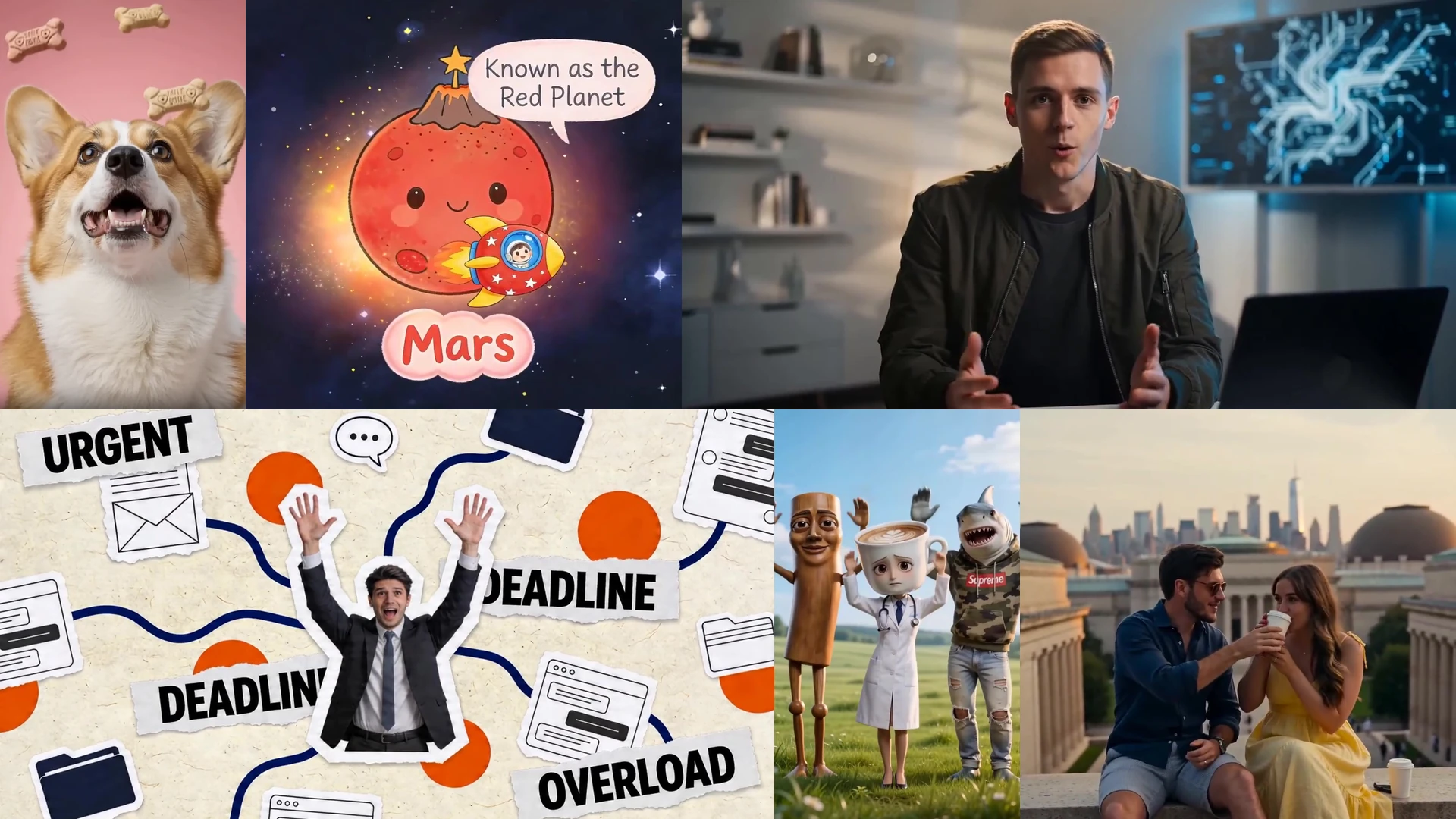
Explainer video styles are the distinct visual and narrative formats used to present complex ideas in short, engaging videos. Common styles include 2D animation, whiteboard animation, motion graphics, live action, screencast, and kinetic typography. Each style carries its own tone, production method, and audience fit.
Key takeaways:
- Style refers to the production format, not the script. The same message can become a 2D cartoon, a whiteboard sketch, or a filmed presenter piece.
- Six core styles dominate: 2D animation, whiteboard, motion graphics, live action, screencast, and kinetic typography.
- The right style depends on your audience, your message complexity, and your timeline.
- AI video generation has made it possible to test multiple styles before committing to one.
What Are Explainer Video Styles?
An explainer video style is the combination of visual language, pacing, and storytelling format that shapes how information reaches the viewer. Two videos covering the same topic can produce completely different results depending on the style. For a broader look at the format itself, see this overview of what an explainer video is.
Style signals context before a single word is spoken. A hand-drawn whiteboard animation feels educational and approachable. A polished motion graphics piece signals corporate authority. A live-action clip with a real presenter builds personal trust. The distinction matters because viewers form impressions about credibility and relevance within seconds, and those impressions are shaped by visual style before content registers.
Where Explainer Video Styles Came From
The concept of matching visual format to educational content traces back to instructional design theory from the 1960s, but explainer videos as a commercial format took off around 2009 when Dropbox published a simple 2D animated explainer that helped drive early adoption. That single video demonstrated that a short, well-styled animation could replace pages of product copy.
By the mid-2010s, agencies had codified the format into repeatable style categories. According to Wyzowl's annual video marketing survey, explainer videos remain the most commonly created marketing video type year after year. What has changed in 2025 and 2026 is the production side: AI video models now generate footage across visual styles from plain-language descriptions, which means teams can explore multiple styles in hours rather than committing to one before seeing any footage.
The Core Explainer Video Styles
Here is what each major style looks like and where it works best. For deeper examples across these categories, see this collection of explainer video examples.
2D Animation. Flat, illustrated characters act out a story. This is the classic startup explainer look: a relatable protagonist encounters a problem, and your product solves it. 2D animation builds emotional connection quickly and works for consumer products, healthcare messaging, and HR topics.
Whiteboard Animation. A hand draws illustrations on a white surface while a narrator explains. The sequential drawing guides attention and aids retention, making whiteboard ideal for training content, complex processes, and educational material where step-by-step clarity matters more than visual polish.
Motion Graphics. Animated shapes, icons, data visualizations, and typography convey information without characters or storylines. Motion graphics feels modern and authoritative, which makes it the default for SaaS, fintech, and B2B products. It integrates naturally with existing brand design systems. For more on animated approaches, see this guide to explainer video animation.
Live Action. Real people, real locations, real cameras. Live action builds trust through human presence. Founder stories, customer testimonials, and healthcare messaging all benefit from a face the viewer can connect with. The trade-off is logistics: casting, location scouting, and reshoots are expensive.
Screencast. A recorded software interface with voiceover narration. Screencasts show the exact experience a user will have, which makes them the standard for product demos, onboarding tutorials, and support documentation. The limitation is emotional range.
Kinetic Typography. Text itself becomes the visual element, animated with rhythm, scale, and color in sync with a voiceover or music track. This style works for manifesto-style brand videos, social media announcements, and any message where the words carry the emotional weight. It requires minimal illustration but demands strong copywriting and precise timing.
How Modern Styles Differ From Traditional Production
Traditional video production follows a sequential pipeline: scripting, storyboarding, filming or animating, editing, and revising. Each stage involves specialized roles, and changing direction mid-production is expensive.
| Dimension | Traditional Production | Modern AI-Assisted Workflows |
|---|---|---|
| Timeline | Weeks to months | Days to hours |
| Revision cost | High (re-shoots, re-animation) | Low (adjust the description, regenerate scenes) |
| Skill barrier | Requires editors, animators, directors | Accessible to marketers and founders directly |
| Style flexibility | Locked early in pre-production | Can test multiple styles before committing |
AI-assisted workflows compress this pipeline. With Pexo, an AI video agent, you describe an explainer concept in natural language and receive a styled video draft without scripting, storyboarding, or timeline editing. Pexo works with Seedance 2.0, Kling AI, and more, routing your concept through the model best suited to the visual style you describe.
Who Uses Each Style
Matching a style to your context matters more than picking the trendiest option. Here are practical guidelines by type of explainer video.
- Startups explaining a new product category. 2D animation or motion graphics. Both handle abstract concepts well and scale without reshooting.
- Educators and trainers. Whiteboard or screencast. Sequential logic and step-by-step clarity are the priority.
- Brands building personal connection. Live action. A real face builds trust faster than any illustration.
- SaaS companies onboarding users. Screencast for the product walkthrough, motion graphics for the "why it matters" overview.
- Agencies producing brand manifestos. Kinetic typography for emotional impact, motion graphics for data-backed credibility.
How to Get Started
Starting an explainer video does not require a production studio or animation experience.
Pick your style based on message, not trend. If your concept is abstract, lean toward animation or motion graphics. If trust matters most, consider live action. If you are demonstrating software, screencast is the obvious choice.
Draft your core message first. Write one sentence that captures what the viewer should understand after watching. Every style decision flows from that sentence.
Use an AI video agent to prototype quickly. With Pexo, you describe what you want in plain language. The system assembles visuals, motion, and pacing from your description. You can iterate by pointing at specific elements and describing changes. No editing skills needed, no prompt syntax required. Because Pexo works with multiple models (Seedance 2.0, Kling AI, and more), it selects the rendering approach that fits your style intent.
Review, refine, and ship. Watch the draft, request adjustments through conversation, and export when the result matches your vision.
Conclusion
Explainer video styles shape how your audience receives your message. 2D animation simplifies complexity. Whiteboard builds sequential understanding. Motion graphics communicates data and systems. Live action earns personal trust. Screencast shows the real product. Kinetic typography lets words carry emotional weight. The style you choose should follow your content, your audience, and your goal. With AI video agents like Pexo, testing multiple styles before committing is no longer a luxury reserved for large production budgets. Describe what you need, see it take shape, and refine from there.