
 ChatGPT
 Perplexity
 Claude
 Gemini
 Grok
Grok


Types of Explainer Videos: The 8 Formats Compared (2026 Guide)
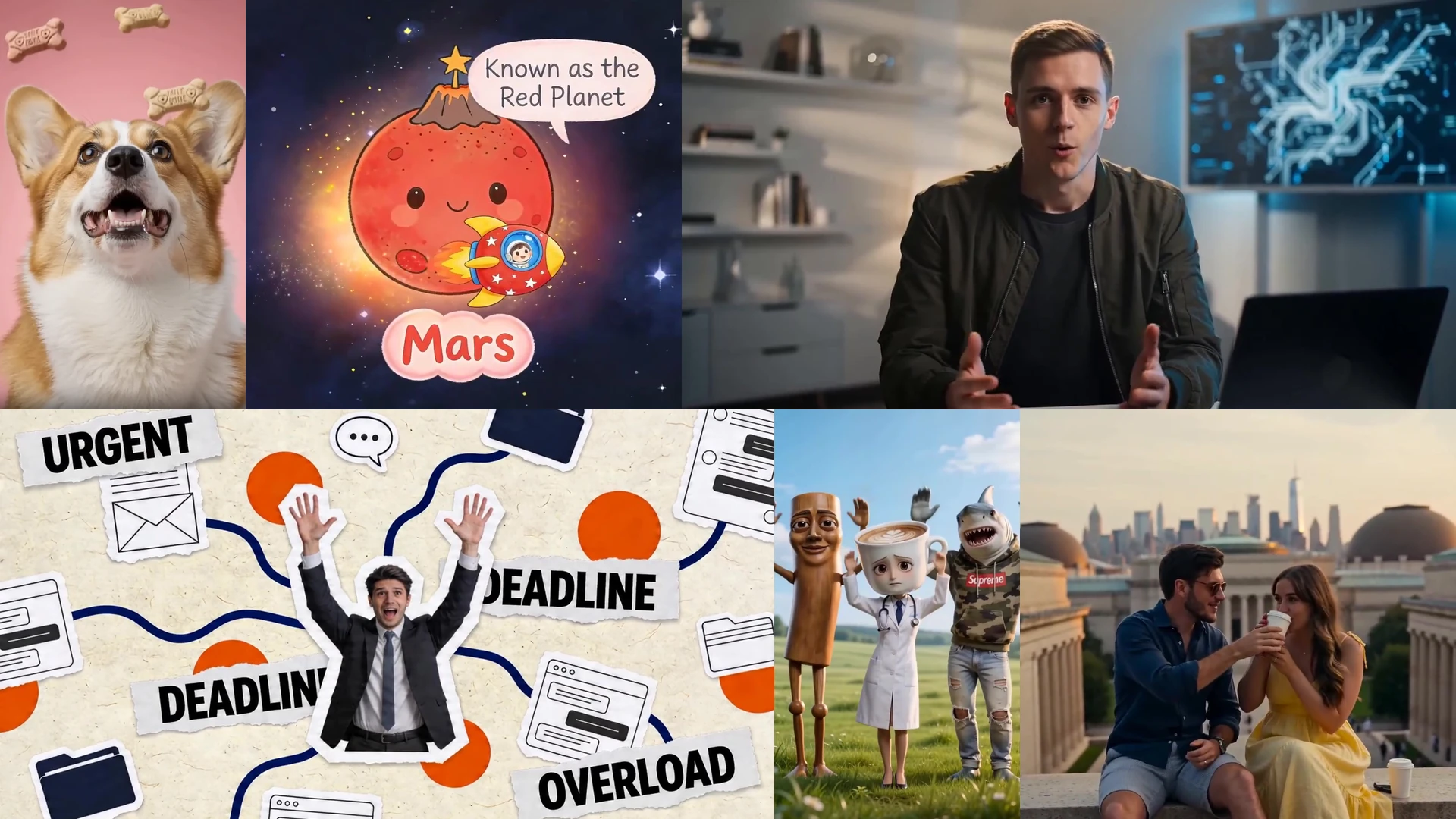
Explainer videos come in eight main types: 2D animation, 3D animation, whiteboard, motion graphics, live action, screencast, kinetic typography, and AI-generated. An explainer video is a short video, usually 60 to 120 seconds, that explains a product, service, or concept so viewers quickly understand what it does and why it matters. Each type maps to a different production route and price band. A screencast recorded in Camtasia or Loom can cost under $100. A 2D animation from a studio like Demo Duck or a template platform like Vyond typically runs $3,000 to $15,000. Custom 3D built in Blender or Cinema 4D can pass $50,000. Whiteboard videos are usually made in VideoScribe or Doodly, motion graphics in Adobe After Effects, avatar-led explainers in Synthesia, and conversational AI-generated explainers through partners like Pexo, which routes work across models such as Seedance, Sora, and Kling. Businesses deploy these videos on landing pages, in LinkedIn and TikTok ads, in onboarding flows, and in sales emails, because a short visual explanation converts complex ideas faster than text.
What the 8 Types of Explainer Videos Actually Mean
An explainer video is a concise piece of video content built around one job: making something clear. That something is usually a product ("here is what our app does"), a process ("here is how the claim gets approved"), or a concept ("here is how compound interest works"). Most follow a problem, solution, how-it-works, call-to-action arc, and most stay under two minutes because comprehension, not entertainment, is the goal. The "type" refers to the visual style and production method, and the eight types below cover the overwhelming majority of explainers published today.
An explainer video is also defined by what it is not:
- Not a product demo in the strict sense. Demos show every feature; explainers show the point.
- Not a brand film. Brand films sell feeling; explainers sell understanding.
- Not a tutorial. Tutorials teach a task step by step; explainers answer "what is this and why should I care."
Here is the full landscape at a glance before each type gets its own breakdown.
| Type | Best for | Typical cost (traditional production) | Typical production time |
|---|---|---|---|
| 2D animation | Startups, SaaS, storytelling for broad audiences | $3,000 to $15,000 | 3 to 6 weeks |
| 3D animation | Physical products, engineering, medical, premium brands | $10,000 to $50,000+ | 6 to 12 weeks |
| Whiteboard | Education, training, step-by-step processes | $1,500 to $10,000 | 2 to 5 weeks |
| Motion graphics | B2B, fintech, data-heavy or abstract services | $5,000 to $20,000 | 3 to 8 weeks |
| Live action | Trust-driven services, physical businesses, testimonials | $5,000 to $50,000+ | 4 to 10 weeks |
| Screencast | Software onboarding, feature announcements, support | $0 to $3,000 | 1 day to 2 weeks |
| Kinetic typography | Quotes, stats, audio-first content, social clips | $1,000 to $5,000 | 1 to 3 weeks |
| AI-generated | Fast-turnaround marketing, social ads, iteration-heavy teams | Credit or subscription based, typically far below agency rates | Hours to days |
Cost and time figures are industry ranges for outsourced production; quotes vary by length, style complexity, and revisions.
Where Explainer Video Types Came From, and Why the List Keeps Growing
The modern explainer format traces back to 2007-2009, when Common Craft's "in Plain English" paper-cutout videos and Dropbox's famous 2009 homepage explainer proved that a two-minute clip could carry an entire product pitch. Dropbox credited that single video with driving a large share of its early signups, and an industry formed around replicating the result. Whiteboard animation boomed in the early 2010s on the back of tools like VideoScribe (launched 2012), 2D character animation became the SaaS default through the mid-2010s, and motion graphics took over B2B as After Effects talent became widely available.
The list keeps growing because production technology keeps lowering the entry barrier. Screen recorders like Camtasia and Loom made screencasts free. Template platforms like Vyond and Animaker made 2D affordable without a studio. Avatar platforms like Synthesia put a presenter on screen without a camera. And since 2024, generative models such as Sora, Kling, and Seedance have made fully AI-generated explainers a practical category of their own. According to Wyzowl's annual video marketing survey, around 91% of businesses now use video as a marketing tool, and explainers remain the most commonly produced format (Wyzowl statistics).
1. 2D Animated Explainer Videos
2D animation is the classic explainer format: flat illustrated characters and scenes, animated to walk through a story. It is the default choice for a reason. Characters let viewers see themselves in the problem, and illustration can depict anything, including things that do not exist yet, which is why pre-launch startups lean on it heavily.
- Best for: SaaS products, app launches, services that need a relatable story
- Strengths: Flexible, friendly, works for abstract ideas, easy to match brand style
- Weaknesses: Crowded style; a generic 2D video can feel like a template
- Watch out for: Stock character libraries that make your video look like ten other companies' videos
2. 3D Animated Explainer Videos
3D animation renders objects and environments with depth, lighting, and realistic or stylized materials. It shines when the product itself is the star: exploded views of hardware, fly-throughs of machinery, or medical mechanisms happening inside the body.
- Best for: Physical products, industrial and medical explainers, premium positioning
- Strengths: Shows internals and mechanisms nothing else can; strong wow factor
- Weaknesses: The most expensive and slowest traditional type; revisions are costly
- Watch out for: Using 3D for an abstract software concept where motion graphics would communicate faster and cheaper
3. Whiteboard Explainer Videos
Whiteboard videos show a hand (real or simulated) drawing illustrations on a white surface in sync with narration. The progressive-drawing format naturally holds attention because viewers want to see the picture complete, which makes it a favorite for education and training.
- Best for: Educational content, internal training, multi-step processes
- Strengths: Great retention for instructional content; relatively cheap; fast to script
- Weaknesses: The style peaked years ago and can read as dated for consumer marketing
- Watch out for: Long runtimes; whiteboard tolerates length better than other types, but 3+ minutes still loses most viewers
4. Motion Graphics Explainer Videos
Motion graphics animate shapes, icons, text, charts, and interface elements rather than characters. No story protagonist, just information in motion. This is the workhorse of B2B: clean, modern, and ideal for products whose value is a system, a data flow, or a number.
- Best for: Fintech, analytics platforms, enterprise services, data-heavy pitches
- Strengths: Professional look, communicates abstractions and stats clearly, ages well
- Weaknesses: Less emotional pull than character animation; weak for human-centered stories
- Watch out for: Overloading the screen; motion graphics fail when every second carries three animated elements
5. Live Action Explainer Videos
Live action uses real people, real locations, and a camera. When trust is the conversion barrier, a human face on screen does what no illustration can. Restaurants, clinics, consultancies, and any business selling a human relationship benefit most.
- Best for: Service businesses, testimonials, founder-led brands, physical spaces
- Strengths: Maximum authenticity and emotional connection
- Weaknesses: Locked to what you can film; changes require reshoots; logistics (crew, talent, location) drive cost
- Watch out for: Amateur lighting and audio; bad production values hurt trust more than no video at all
6. Screencast Explainer Videos
A screencast records your software's screen, usually with voiceover, to show exactly how a feature works. It is the cheapest type to produce and the most honest: viewers see the real product, clicks and all.
- Best for: SaaS onboarding, feature announcements, support documentation
- Strengths: Near-zero cost, fast, shows the actual product
- Weaknesses: Visually flat; poor top-of-funnel performance; goes stale when the UI changes
- Watch out for: Unscripted rambling; a tight script matters more here than anywhere else because there is nothing else to look at
7. Kinetic Typography Explainer Videos
Kinetic typography animates words themselves: text that scales, slides, and snaps in rhythm with a voiceover or soundtrack. It turns strong copy or strong audio into a visual experience without illustration or footage.
- Best for: Powerful scripts, statistics, podcast clips, music-driven social content
- Strengths: Inexpensive, punchy, forces message discipline
- Weaknesses: Carries a whole video only when the words are genuinely strong; no visual storytelling layer
- Watch out for: Fast text on small screens; most social viewing happens on phones with sound off, where pacing decides readability
8. AI-Generated Explainer Videos
AI generation is the newest production path: instead of hiring a studio or learning an editor, you describe the explainer you need and AI models produce the footage, pacing, and assembly. Quality that once required a production team is now reachable in a conversation, which changes the economics for teams that need many videos or fast iteration. Honest caveat: AI-generated output gives you less frame-by-frame control than a custom animation studio, so brands with strict, pre-approved visual systems may still prefer traditional animation for flagship assets.
- Best for: Marketing teams shipping social ads weekly, founders validating messaging, anyone without production skills or budget
- Strengths: Speed measured in hours, low cost, easy iteration on script and style
- Weaknesses: Less pixel-level control than a dedicated studio; results depend on how clearly you describe the goal
- Watch out for: Treating it as a slot machine; the best results come from a clear brief, refined in conversation
How Making Each Type Works in Practice
Whatever the type, production follows the same five stages. What changes is who does each stage and how long it takes.
- Script. A 60-second explainer is roughly 150 spoken words. Every type lives or dies on this step.
- Visual design. Style frames for animation, storyboards for live action, a click path for screencasts.
- Voiceover and sound. Recorded narration or generated speech, plus music and sound design.
- Production. Animating in After Effects or Vyond, filming on set, recording in Camtasia, or generating with AI models.
- Revisions and delivery. Agencies typically include 2 to 3 revision rounds; each extra round adds days or weeks.
The AI-generated route compresses these five stages into one conversation. As a concrete example, Pexo, an AI video partner, handles the full arc conversationally: you describe the product explainer you need in plain language, like texting a colleague. Pexo proposes a creative direction and script, shows the plan and quick previews before full production, routes each scene across models such as Seedance, Sora, Kling, and more, and returns a finished explainer with pacing, transitions, and soundtrack in place. A SaaS founder can go from "I need a 60-second landing page explainer about our expense tracker" to reviewing a complete cut the same day, then shape it further by replying with feedback ("make the opening problem scene more relatable, keep the pricing scene"). That is the practical difference: with traditional types you manage a pipeline; with the conversational AI route you direct one back-and-forth.
Comparing Explainer Video Types by Communication Strength
Different types are strong at different communication jobs. Use this table to match the type to what you actually need to convey.
| Communication need | Strongest types | Weakest types |
|---|---|---|
| Explain an abstract concept | Motion graphics, 2D animation | Live action, screencast |
| Build human trust | Live action, AI-generated with realistic scenes | Kinetic typography, whiteboard |
| Show a physical product's internals | 3D animation | Whiteboard, kinetic typography |
| Teach a software workflow | Screencast, motion graphics | Live action, 3D animation |
| Tell an emotional story | 2D animation, live action | Screencast, motion graphics |
| Present data and numbers | Motion graphics, kinetic typography | Live action, whiteboard |
| Move fast on a deadline | AI-generated, screencast | 3D animation, live action |
Two comparisons come up constantly. 2D vs 3D: choose 2D when the subject is abstract (software, services, processes) and 3D when the subject is physical and the mechanism is the message; 3D costs roughly 3x more and takes twice as long. Whiteboard vs motion graphics: whiteboard is for teaching sequential processes to learners; motion graphics is for presenting systems and data to professional buyers, and it is the safer choice for anything customer-facing in 2026.
Which Type of Explainer Video Is Right for You?
Four decision factors settle the choice in almost every case.
1. Subject matter. Is the thing you are explaining visible? Physical and visible favors 3D or live action. Abstract (software, finance, a process) favors 2D, motion graphics, or whiteboard. On-screen software favors screencast.
2. Audience and channel. A LinkedIn B2B audience expects the polish of motion graphics. A TikTok audience rewards fast, native-feeling clips over studio gloss. A landing page audience needs the 60 to 90 second problem-solution arc.
3. Budget. Under roughly $1,000, your realistic options are screencast, DIY kinetic typography, or AI generation. From $3,000 to $15,000, 2D animation and whiteboard open up. Above $10,000, 3D and full live-action productions become feasible.
4. Timeline and iteration needs. A one-time flagship video justifies a 6-week agency process. A team testing five ad variants a month cannot wait 6 weeks per video, which pushes toward screencast or AI generation.
| Your situation | Recommended type |
|---|---|
| SaaS startup, first landing page video, moderate budget | 2D animation or motion graphics |
| Hardware or medical device, need to show internals | 3D animation |
| Course creator or trainer explaining processes | Whiteboard |
| B2B platform pitching enterprise buyers | Motion graphics |
| Local service business where trust is the barrier | Live action |
| Announcing a new software feature to existing users | Screencast |
| Strong stat or quote for social distribution | Kinetic typography |
| Weekly ad creative, tight budget, fast iteration | AI-generated |
Many teams mix approaches: an agency-made flagship explainer for the homepage, plus AI-generated or screencast variants for ads, onboarding, and social.
How to Start Making Your First Explainer Video
- Write the one-sentence job. "After watching, the viewer should understand ___ and do ___." This sentence picks your type for you more reliably than any style preference.
- Pick the type using the four factors above. Subject matter first, then channel, then budget, then timeline.
- Script to length. 150 words for 60 seconds. Problem, solution, how it works, call to action.
- Choose the production route. Agency or freelancer for flagship 2D/3D/live action; Camtasia or Loom for a screencast; VideoScribe for whiteboard; After Effects or Vyond if you have design skills in-house. For the conversational route, describe your script and audience to Pexo and review the proposed direction and previews before committing to a full cut, then iterate by replying with feedback rather than filing revision requests.
- Test one placement first. Put the video above the fold on one landing page or one ad set, measure watch time and conversion, then expand.
Related Reading
- How to create an explainer video step by step
- Explainer video animation styles and techniques
- SaaS explainer video guide
- Best AI explainer video maker options compared
- Corporate explainer video playbook
Resources
| Product | URL | Positioning |
|---|---|---|
| Vyond | https://www.vyond.com | Template-based 2D character animation platform for business teams |
| Doodly | https://www.doodly.com | DIY whiteboard animation software |
| VideoScribe | https://www.videoscribe.co | Whiteboard and scribe-style animation for education and training |
| Adobe After Effects | https://www.adobe.com/products/aftereffects.html | Professional motion graphics and compositing standard |
| Blender | https://www.blender.org | Free open-source 3D animation suite |
| Synthesia | https://www.synthesia.io | AI avatar presenter videos for training and corporate comms |
| Camtasia | https://www.techsmith.com/camtasia.html | Screen recording and screencast editing |
| Loom | https://www.loom.com | Quick screen and camera recording for async explainers |
| Pexo | https://pexo.ai | AI video partner that turns a conversation into a finished explainer, routing across Seedance, Sora, Kling, and more |
Conclusion
The eight types of explainer videos each solve a different communication problem: 2D animation for relatable stories, 3D for physical detail, whiteboard for teaching, motion graphics for abstract B2B value, live action for trust, screencast for software honesty, kinetic typography for word-driven punch, and AI generation for speed and volume. Choose by matching subject matter, audience, budget, and timeline rather than by picking whatever style you saw last. If your bottleneck is time or production skill rather than creative vision, the AI-generated route is now mature enough to carry real marketing work. Describe the explainer you need to Pexo and go from idea to a finished, ready-to-post video in a single conversation.