Pexo
LTX-2.5

LTX-2.5
Connect the shots. Keep control.

LTX-2.5 is Lightricks’ open-weight video and audio generation model, released on August 11, 2026. It adds native multi-shot sequences, a new diffusion video decoder and automatic duration, with local workflows for fine-tuning and EXR-based post-production. The hosted Fast and Pro variants support video up to 4K; duration and frame-rate limits depend on the selected variant and resolution.

Core capabilities

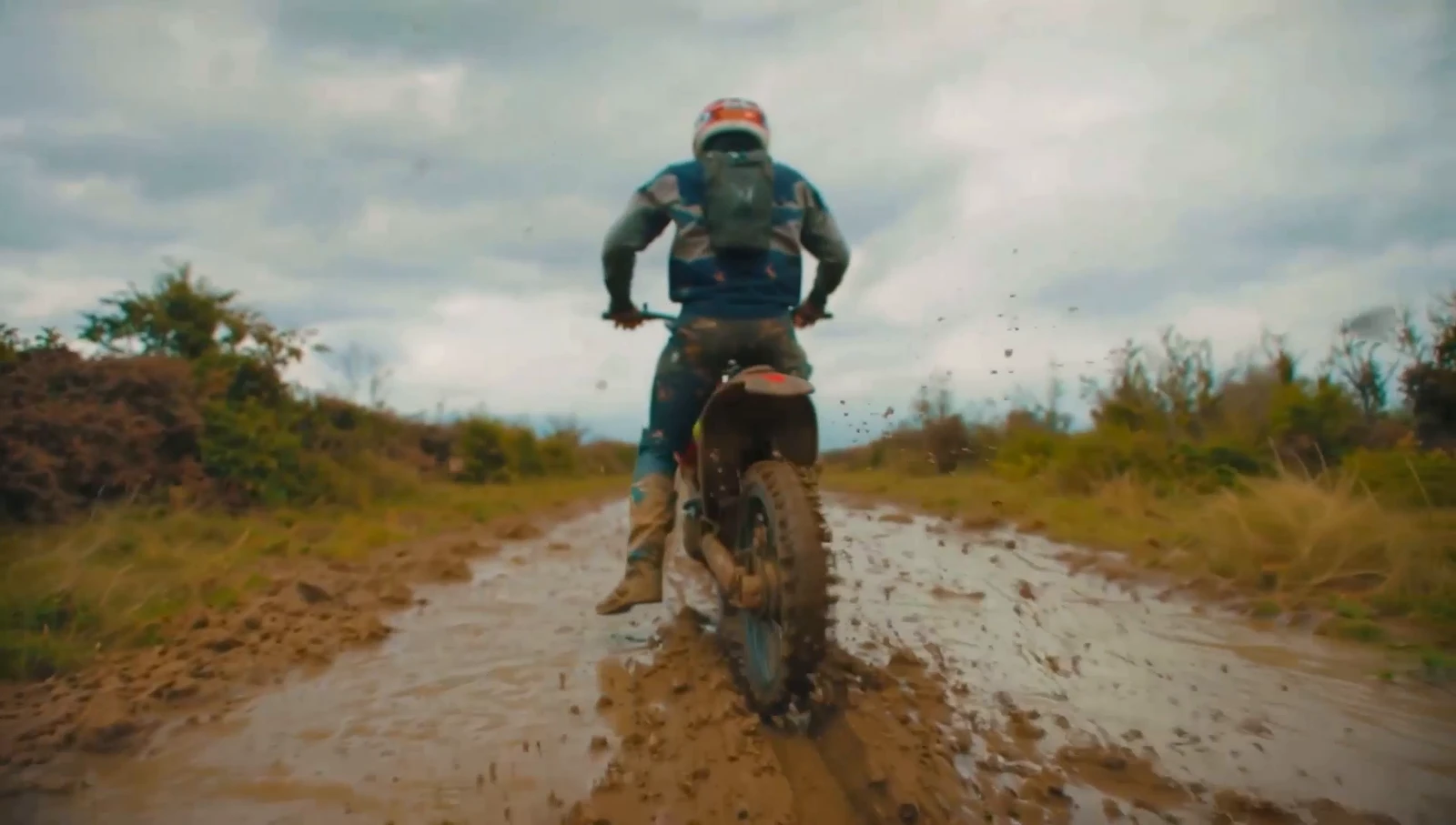
Frame from LTX-2.5 motion demonstration
Official motion-demo frame · A rider crosses a muddy track.

Give motion a clear action to follow

Describe the subject, action and camera behavior before adding atmosphere. The motorcycle example makes motion easy to judge: watch the rider, wheel contact and mud as the camera follows. LTX-2.5’s decoder is designed to improve fine detail and motion stability. Inspect the moving sequence, since a sharp still cannot establish consistency throughout a clip.


Frame from LTX-2.5 sequence-a demonstration
Opening shot
Frame from LTX-2.5 sequence-b demonstration
Later shot
One official video sequence · Opening setting → Crystal close-up.

Generate connected shots in one sequence

Use a prompt with distinct beats when the scene needs a cut. Native multi-shot generation aims to carry the character, environment, light and voice across connected shots. The astronaut sequence moves from the aurora setting to the glowing crystal; the panels below are actual frames from the same clip shown above. Review continuity at every cut.

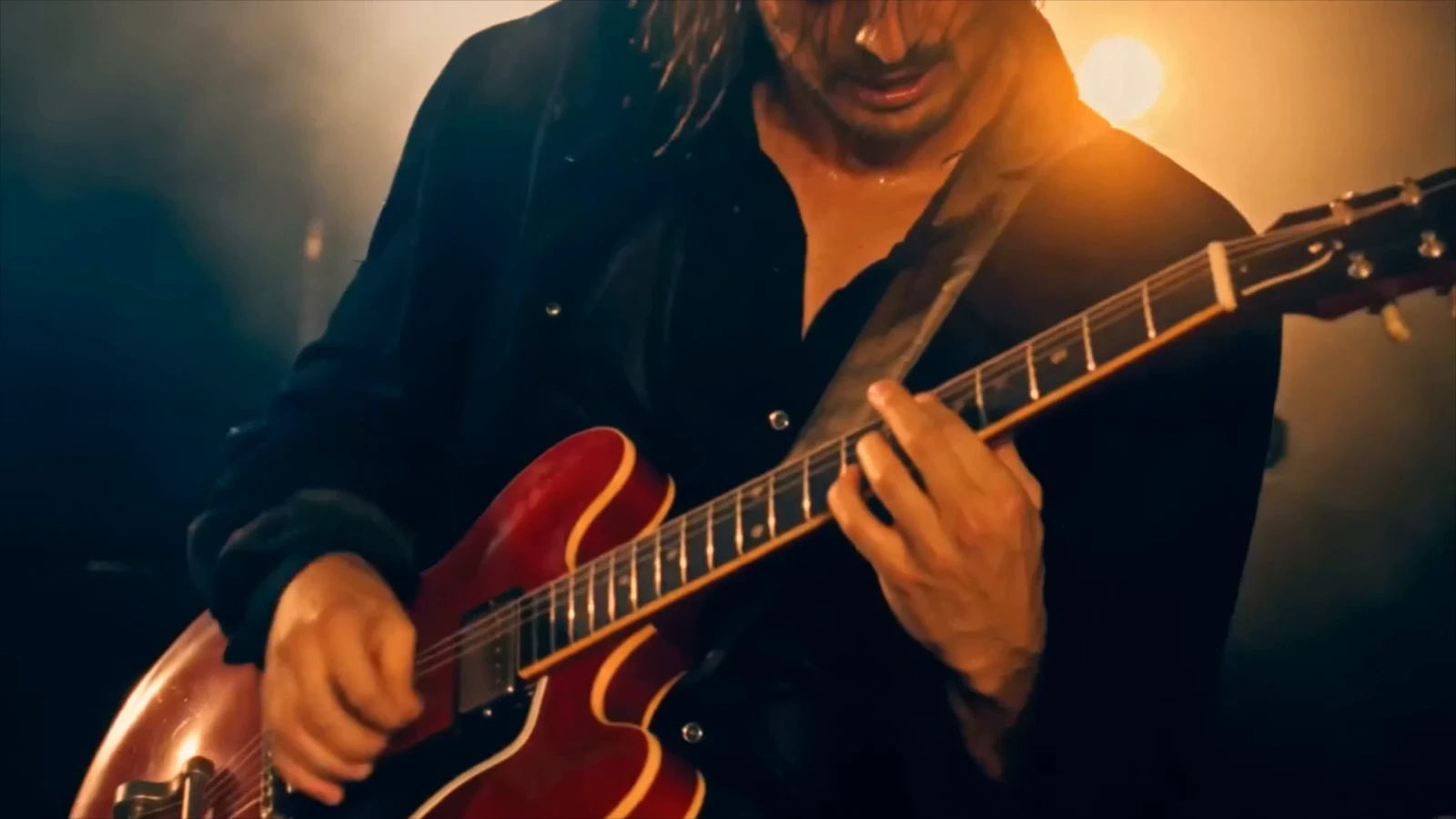
Frame from LTX-2.5 guitar demonstration
Performance-demo frame · The sample is not a test of musical fingering accuracy.

Direct a performance through the prompt

Describe the performance, setting, viewpoint and changes over time. The guitar demonstration combines close detail with a wider performance view. A custom Gemma 4 12B text encoder conditions the model, and an optional prompt enhancer can expand a short brief. Keep the enhancer off when exact wording matters, then assess the result against the original instruction.

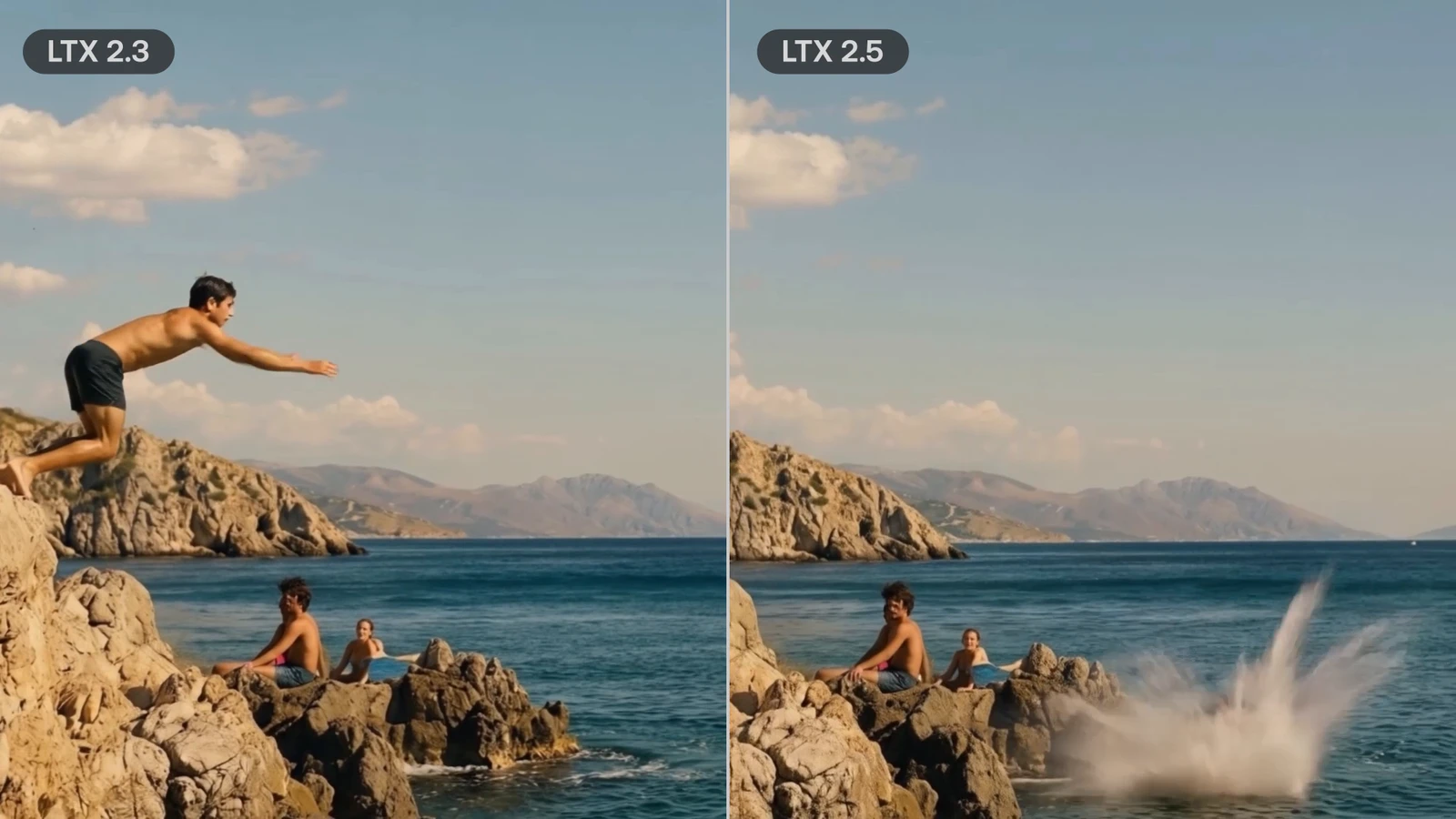
Frame from LTX-2.5 duration demonstration
Provider comparison frame · LTX-2.3 at left, LTX-2.5 at right; not a Pexo benchmark.

Let the action determine the clip length

Automatic duration lets the model choose a length from the described action. The provider’s cliff-jump comparison illustrates the idea; its LTX-2.3 and LTX-2.5 labels are preserved. In the current API, send duration as null rather than omitting it. The result remains within the variant’s duration limit, and automatic duration cannot be combined with an image-to-video last frame.

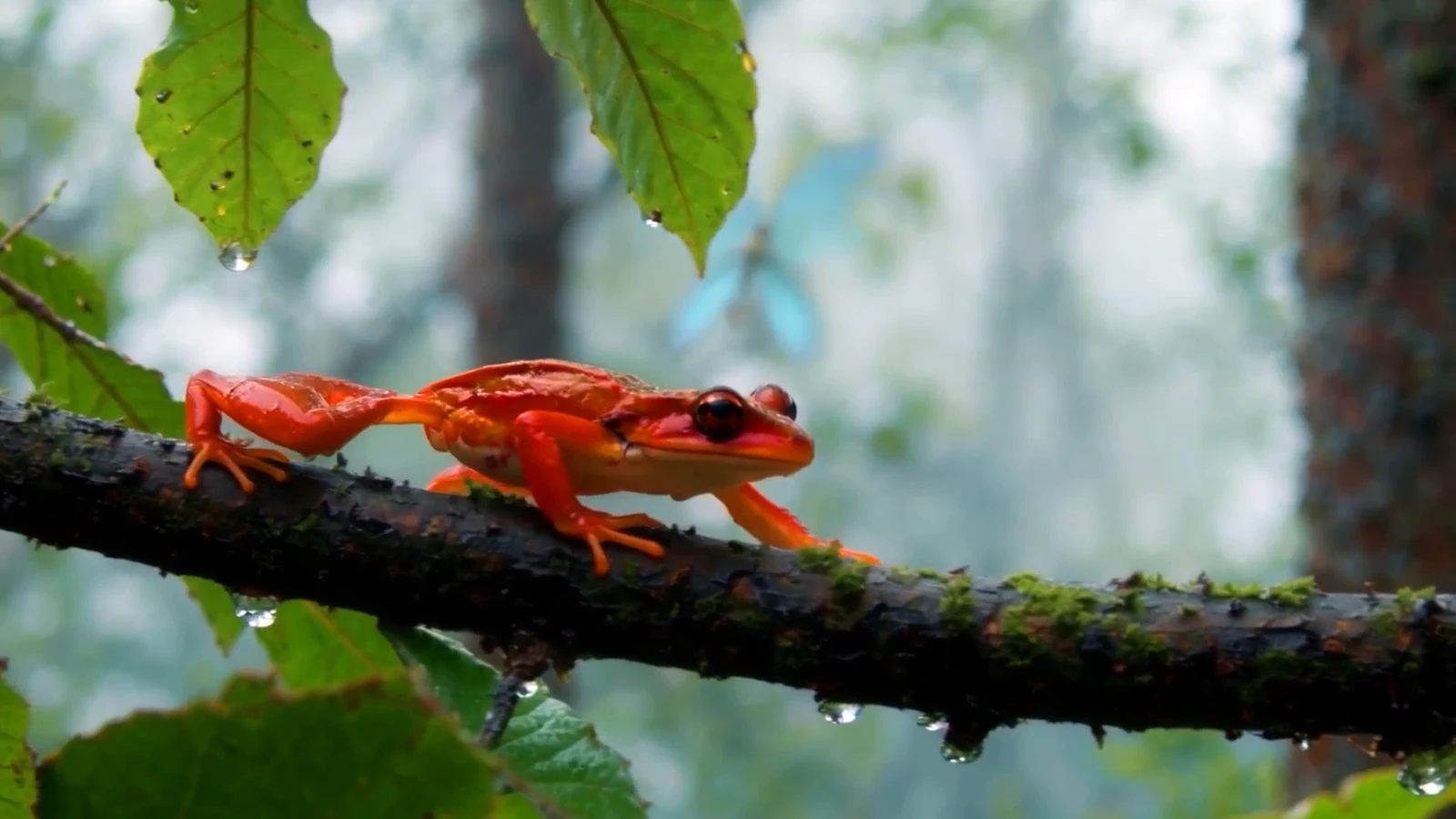
Frame from LTX-2.5 distilled demonstration
Frame from the publisher’s improved-distillation demonstration.

Evaluate the lighter generation route

The improved distilled model is intended to retain more of the full model’s visual and motion quality with less compute. This frame comes from the publisher’s efficiency demonstration, not a timed test performed here. In the hosted API, Fast offers longer clips at selected settings; Pro prioritizes fidelity. Compare cost, motion and detail on the same brief before choosing a production route.

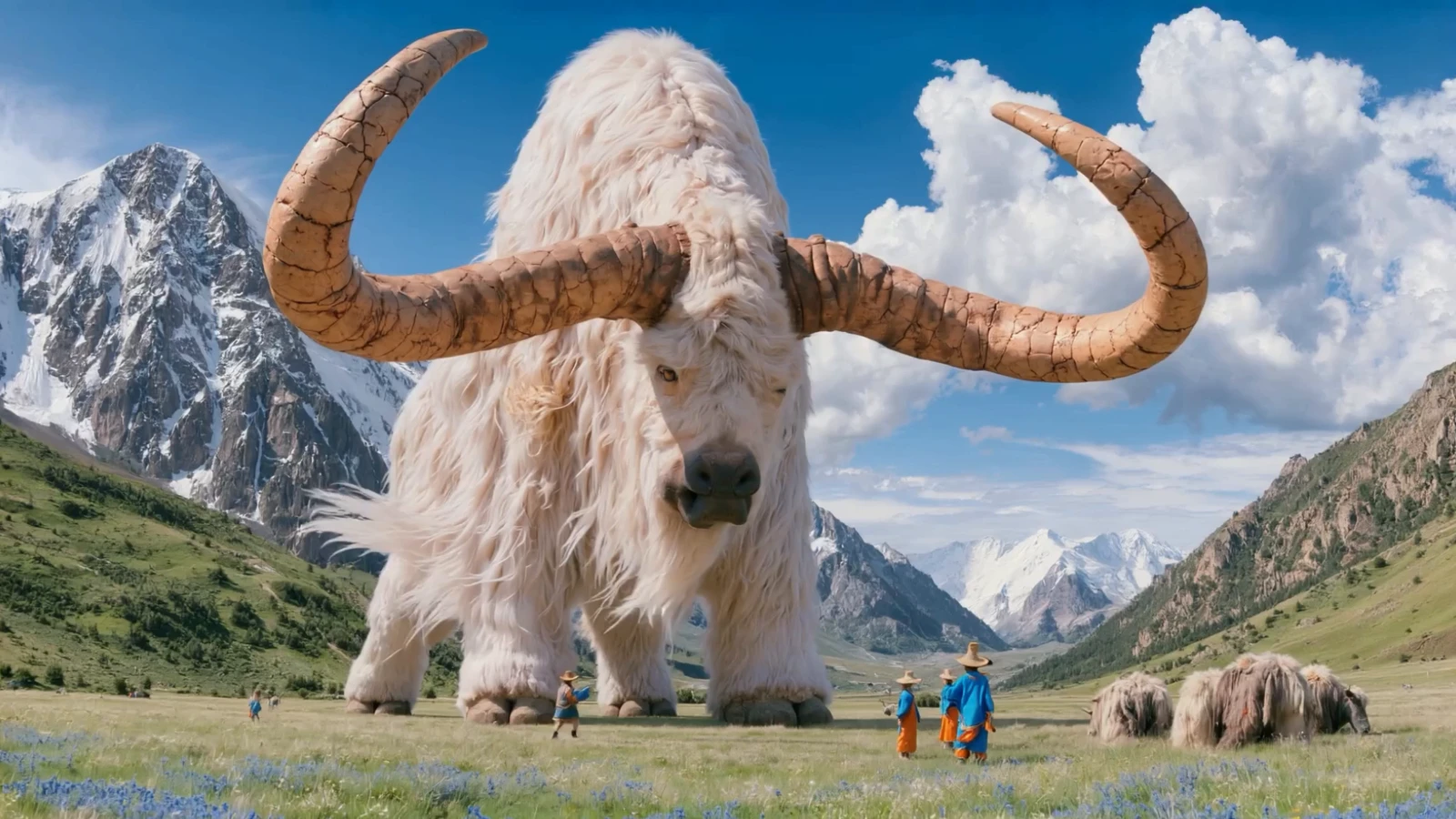
Frame from LTX-2.5 finetune demonstration
Official fine-tuning montage frame · No custom training was performed in this run.

Build a specialized local workflow

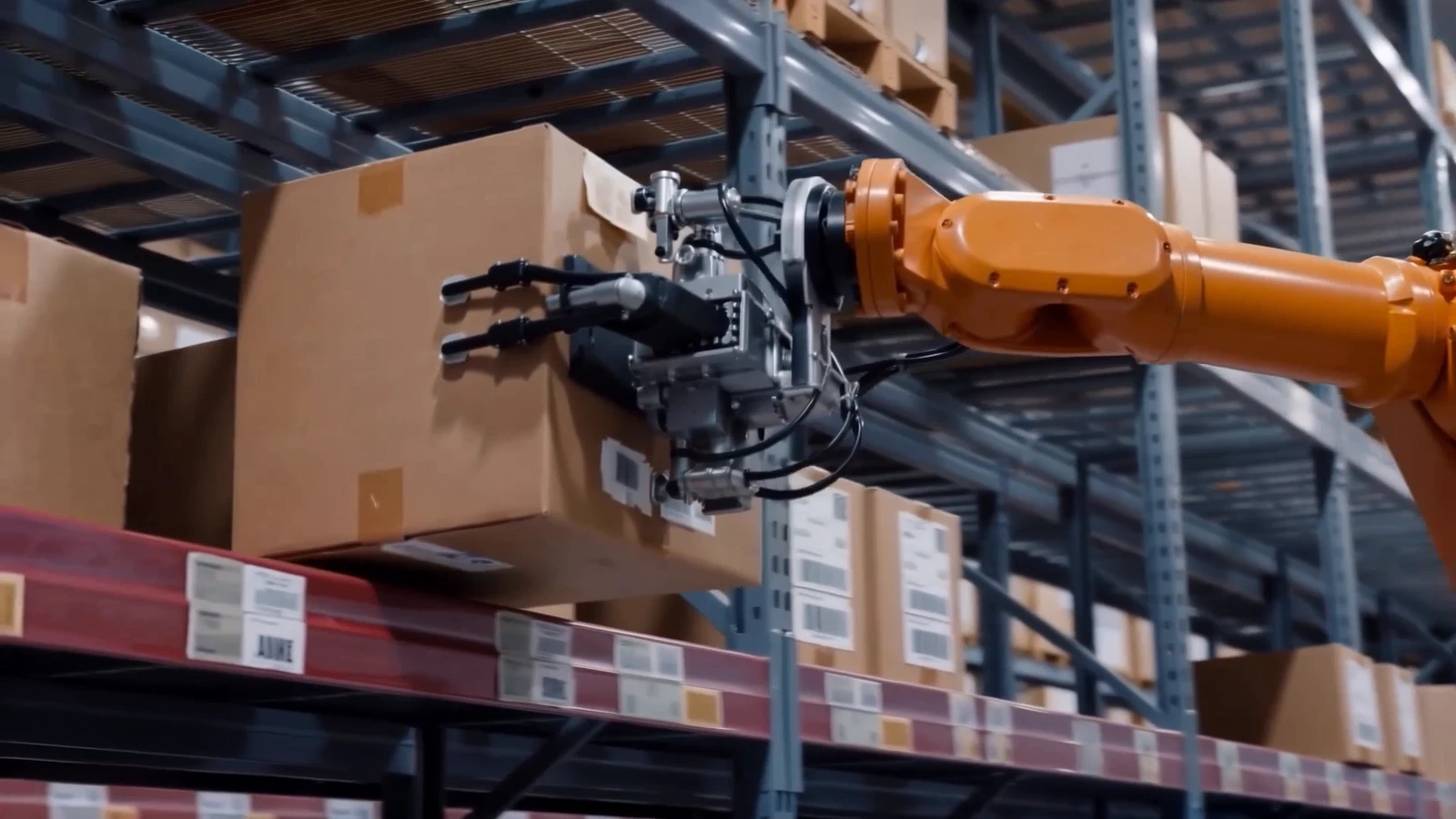
Open weights and a pretrained checkpoint let teams adapt the model with their own data. LoRA and IC-LoRA workflows can specialize style, motion and structure; the official fine-tuning montage includes industrial and stylized subjects. Native EXR input and output also support compositing and finishing. These local capabilities do not mean every hosted API endpoint exposes the same controls.

Image showcase

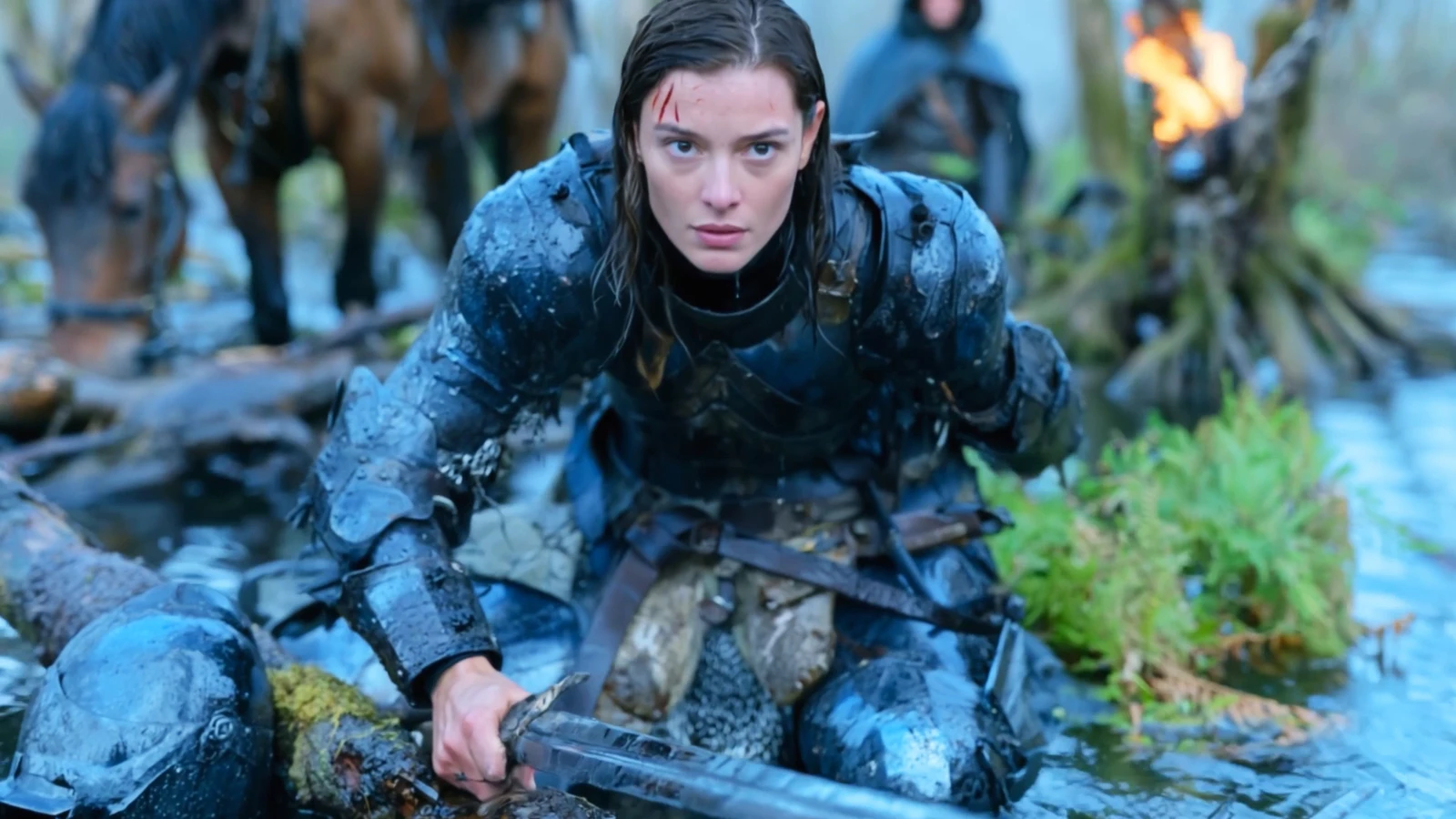
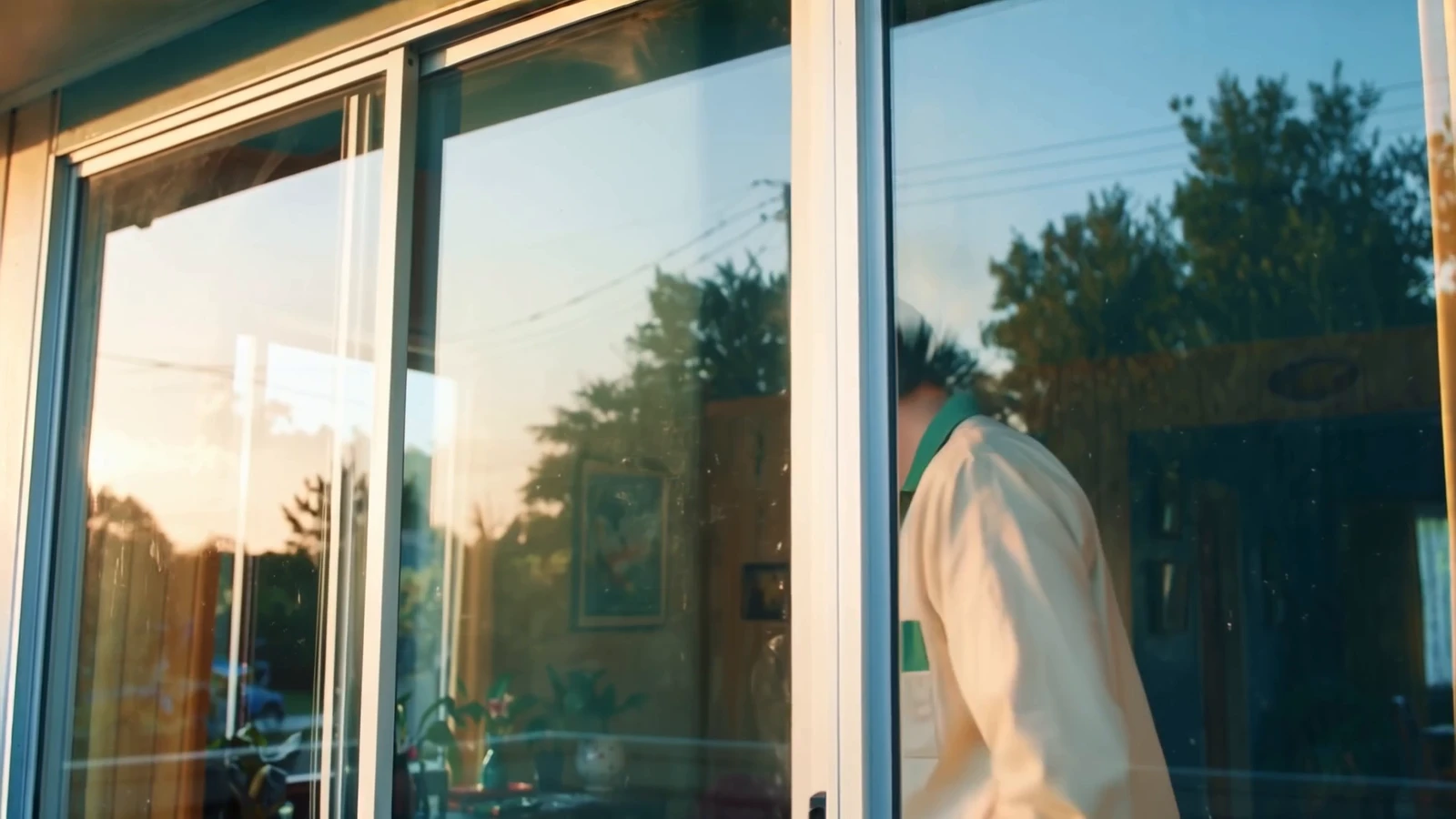
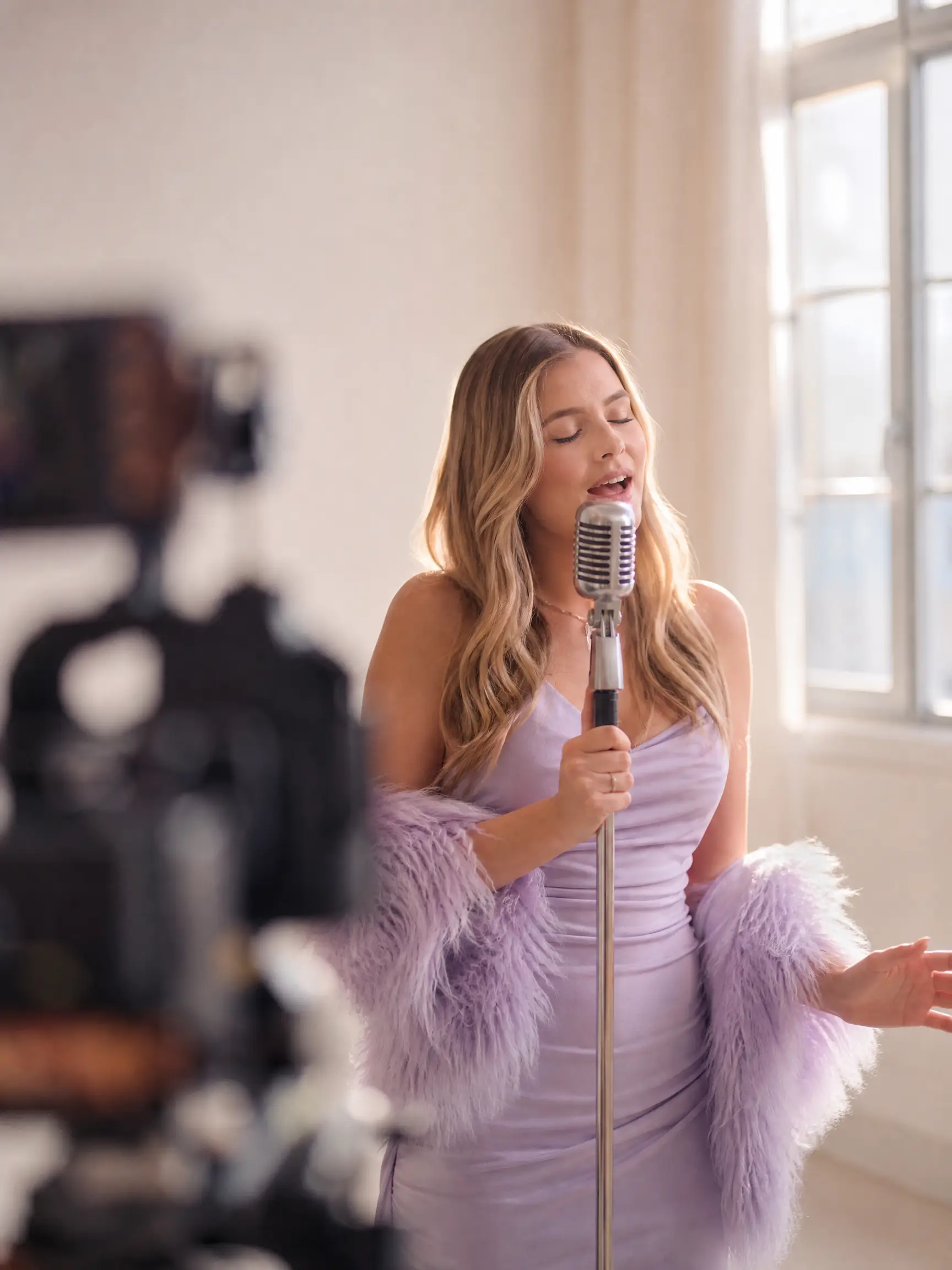
Source: LTX’s official LTX-2.5 demonstrations; gallery images are selected video frames, not six separate generation tests. Pexo navigation previews below are separate product images.

Model comparison

DIMENSIONLTX-2.5 · FastLTX-2.5 · Pro
Main API positioningSpeed and lower costHigher fidelity
720p / 1080p at 24 or 25 fps6–20 seconds in 2-second increments6, 8 or 10 seconds
720p / 1080p at 48 or 50 fps6, 8 or 10 seconds6, 8 or 10 seconds
1440p / 4K at 24, 25, 48 or 50 fps6, 8 or 10 seconds6, 8 or 10 seconds
Aspect ratios16:9, 9:16, 1:1, 3:2, 2:316:9, 9:16, 1:1, 3:2, 2:3
Automatic duration for T2V/I2VSupported; within selected settings’ limitSupported; within selected settings’ limit

Current LTX API support matrix checked November 21, 2026; duration rows apply to text-to-video and image-to-video. Audio-to-video follows input audio length under its own limits. Local open-weight and post-production workflows have separate settings. Bold identifies this page’s Fast variant, not a measured quality winner.

Use-case scenarios

Connected story beats

Plan a short sequence with a clear action and deliberate cuts. Check the same character, light and environment through the transitions before editing it into a longer piece.

Performance and music concepts

Develop a visual performance with a specific instrument, camera plan and mood. Review generated sound and motion; do not infer accurate technique from one frame.

Compositing and custom production

Evaluate local adapters, fine-tuning or EXR workflows when the job needs controlled changes and a finishing pipeline. Check the model license, hardware and workflow compatibility.

Use cases

Develop connected scenes, performance ideas and story beats further with these related Pexo video workflows.

Frequently Asked Questions About LTX-2.5

What is LTX-2.5, and when was it released?

LTX-2.5 is Lightricks’ open-weight video and audio model released on August 11, 2026. It supports synchronized audiovisual generation, native multi-shot sequences and local customization. It is available through LTX’s hosted tools and API, with downloadable weights subject to the model’s access and license terms.

How long can a video be?

In the current API, Fast offers 6–20 seconds in two-second increments at 720p or 1080p and 24 or 25 fps. At 48 or 50 fps, or at 1440p / 4K, Fast offers 6, 8 or 10 seconds. Pro offers 6, 8 or 10 seconds at all listed settings. These limits apply to text-to-video and image-to-video; audio-to-video uses the input audio’s length and its own documented ceiling.

Does it generate multiple shots in one request?

Yes. Native multi-shot can produce connected shots in one generation, carrying character, scene, lighting, style and voice across cuts. Structure the prompt around distinct beats and inspect continuity yourself; the capability is not a guarantee that every sequence will remain consistent.

What does automatic duration require?

For text-to-video or image-to-video, set the required duration field to null. The model selects a duration within the chosen settings’ maximum. Do not combine it with last_frame_uri. Prepaid accounts must have enough balance for the maximum possible duration, even though billing is based on the delivered result.

Can I run it locally or use it commercially?

LTX provides open weights, local execution, fine-tuning and LoRA/IC-LoRA workflows. Its current model licensing page describes free use below $10 million annual recurring revenue and separate commercial licensing above the threshold. Weight access, third-party components and the hosted API have applicable terms; open weights do not mean unlimited rights or identical requirements for every workflow.

Official LTX-2.5 guide

Describe your idea and start your next creation.

Start creating