
 ChatGPT
 Perplexity
 Claude
 Gemini
 Grok
Grok


A SaaS explainer video is the fastest way to show a potential customer what your product does and why it matters. 96% of consumers watch explainer videos to learn about a product, and 82% say a video convinced them to buy. Those numbers make sense: SaaS products are abstract, invisible, and hard to photograph. A 60-to-90-second video turns a feature list into a story, a dashboard into a demo, and a pricing page bounce into a signup.
The production math has changed, too. AI video generation volume grew 840% between January 2024 and January 2026, which means teams that once budgeted $5,000 and four weeks for a single explainer can now produce multiple versions in a day. This guide walks through how to create a SaaS explainer video from scratch in seven steps, whether you use a studio, a freelancer, or an AI video partner like Pexo.
What You Need
Before you start production, gather these inputs. Missing any of them mid-project stalls the timeline.
- A one-sentence value proposition. If you cannot say what your product does in one sentence, the video will ramble. Example: "Pexo turns a product description into a polished video ad in minutes."
- A target viewer. One persona, one pain point. A video aimed at "everyone" converts no one.
- 3 to 5 product screenshots or screen recordings. These become your visual anchors, even if the final style is animated.
- Brand assets. Logo (SVG or PNG with transparency), brand colors (hex codes), and fonts.
- A reference video. Find one SaaS explainer you like and note what works. This collection of 25 explainer video examples is a good starting point.
- A distribution plan. Where the video will live (landing page, YouTube, LinkedIn, app store) determines aspect ratio, length, and captions.
What Is a SaaS Explainer Video?
A SaaS explainer video is a short video, typically 60 to 90 seconds, that explains what a software product does, who it is for, and why someone should sign up. It compresses a product's value into a visual narrative that moves from a relatable problem to a clear solution to a call to action.
What separates a SaaS explainer from a generic explainer is the subject matter. SaaS products have no physical form. You cannot hold project management software or photograph an analytics dashboard in a way that communicates value. The video does the work that a product photo does for physical goods: it makes the abstract concrete.
The standard structure follows a six-part arc that fits inside 90 seconds:
| Section | Duration | Purpose |
|---|---|---|
| Hook | 5 seconds | Grab attention with a bold claim or question |
| Problem | 15 seconds | Name the pain the viewer already feels |
| Solution | 25 seconds | Introduce the product as the fix |
| Feature walkthrough | 25 seconds | Show 2 to 3 key features in action |
| Proof | 10 seconds | Social proof, stats, or a testimonial |
| CTA | 10 seconds | Tell the viewer what to do next |
This arc works because it mirrors how people evaluate SaaS: "Do I have this problem? Does this solve it? Can I see it working? Do others trust it? How do I start?"
Common visual styles include animated motion graphics (the most popular for SaaS because they simplify abstract workflows), screen recordings (best for mature products with polished UIs), whiteboard animation, AI-generated video, and mixed media that blends two or more approaches.
Step 1: Define Your Product's Core Value Proposition
Write one sentence that answers: "What does this product do for the user, and why should they care?" Not a tagline. A plain sentence a stranger could repeat back.
Good: "Loom lets you record your screen and camera so you can explain anything without scheduling a meeting."
Weak: "Loom is a next-generation asynchronous communication platform."
The test matters because a 90-second video holds roughly 225 words of script. Every sentence that drifts from the core value proposition is wasted. Write 5 versions, read each aloud in under 8 seconds, and pick the one a stranger would nod at. That sentence becomes the spine of your script.
Step 2: Write the Script
The script is the highest-leverage asset. A rough video with a sharp script still converts. A polished video with a weak script does not.
Follow the 90-second arc from the table above. Write conversationally, read every draft aloud, and cut anything that sounds like a press release.
- Hook (5s). Open with a question or stat the viewer already agrees with. "Tired of spending three hours on a task that should take ten minutes?"
- Problem (15s). Describe the pain in specific terms. Name what they use now (spreadsheets, email chains, manual exports).
- Solution (25s). Introduce the product and show one workflow. "With [Product], you connect your data, choose a template, and hit publish."
- Feature walkthrough (25s). Pick 2 to 3 features. Show each in 5 to 8 seconds. Demonstrate, do not list.
- Proof (10s). A stat, a logo wall, or a one-line testimonial.
- CTA (10s). "Start your free trial at [URL]" or "Sign up in 30 seconds."
Aim for 12 to 15 words per sentence. Avoid jargon unless your audience uses it daily.
Step 3: Choose Your Visual Style
| Style | Best for | Budget range |
|---|---|---|
| Animated motion graphics | Abstract SaaS workflows, early-stage products | $1,500 to $10,000 (studio) |
| Screen recording / demo | Polished UIs, feature-heavy products | $500 to $3,000 |
| Whiteboard animation | Educational, onboarding content | $1,000 to $5,000 |
| AI-generated video | Fast iteration, multiple variants, tight budgets | Credit-based |
| Mixed media | Real UI combined with storytelling | $2,000 to $12,000 |
Animated motion graphics dominate SaaS explainers because they turn invisible processes (syncing data, automating workflows, generating reports) into visible movement. Screen recordings work better when the UI is polished enough to sell itself.
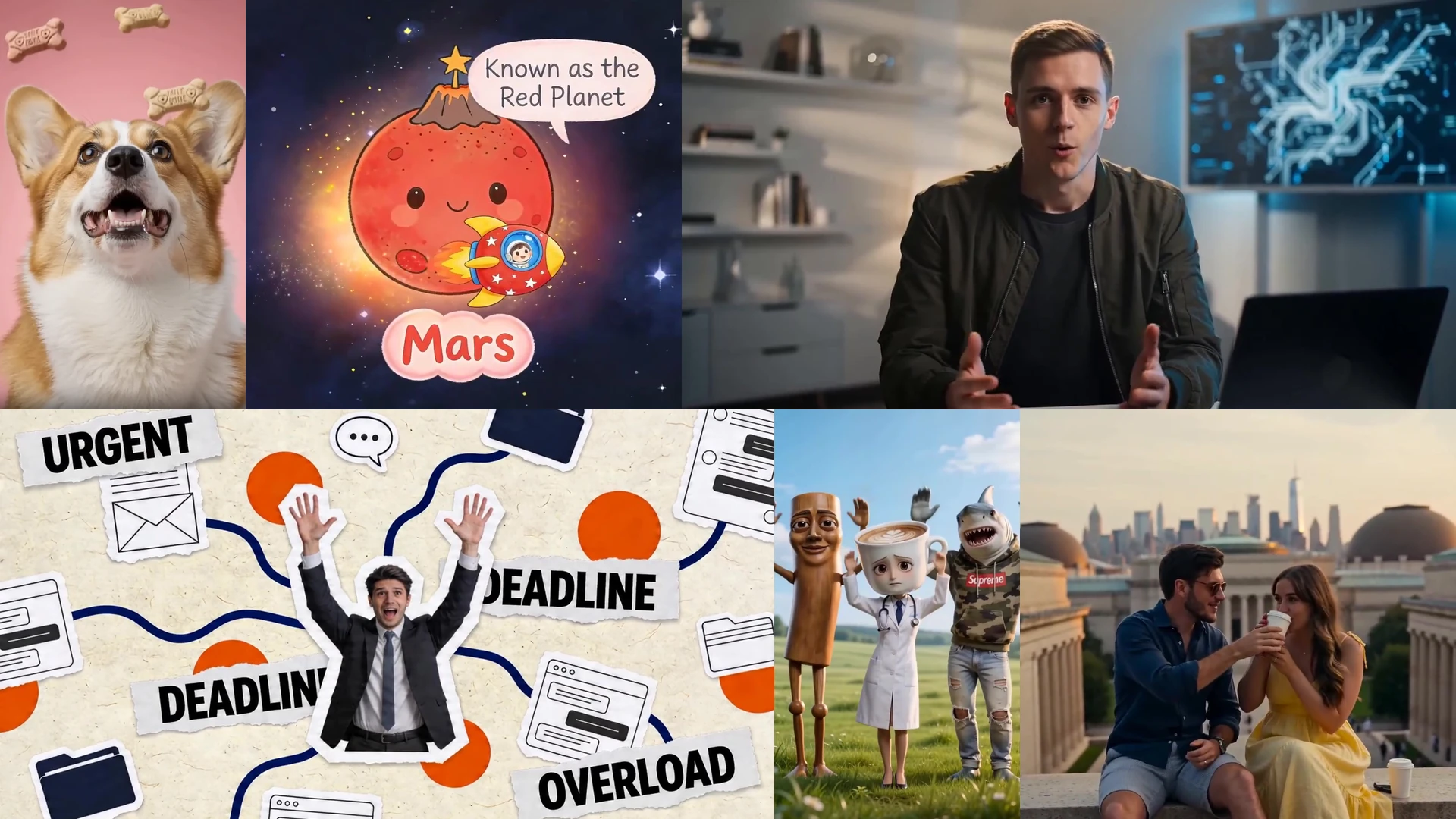
AI-generated video is growing fast. AI video partners turn a script or product description into a full video in minutes, letting teams test multiple styles before committing to a studio production.
Step 4: Create Visuals and Animate
For motion graphics: Storyboard one frame per script section. One focal point per frame, consistent palette, smooth transitions.
For screen recordings: Use a demo environment with clean data. Record at 60fps, crop to the action, and add zoom effects to guide the eye.
For AI-generated video: Describe each scene in a prompt, upload product screenshots or brand assets, and generate clips. Pexo lets you input a script and produces scenes using models like Seedance 2.0, Kling AI, and more. You can generate, review, and regenerate a scene in minutes instead of days.
Match visual pacing to the script. Cut on every new idea. Hold shots for 3 to 5 seconds maximum.
Step 5: Record or Generate Voiceover
- Professional voice actor. Highest quality, $100 to $500 for 90 seconds.
- AI-generated voiceover. Realistic, fast, available in dozens of voices and languages.
- Internal recording. Free and authentic, but requires a decent mic and a quiet room.
Match the voice to the brand. A playful consumer SaaS needs a different tone than an enterprise security platform. Record the full voiceover before finalizing the visual edit so cuts sync to narration.
Step 6: Add Music, Captions, and Branding
Music. Background track that sets energy without competing with the voice. Keep it at 10 to 15% of voiceover volume. Royalty-free libraries like Artlist or Epidemic Sound work well.
Captions. Mandatory. 85% of Facebook video is watched without sound, and LinkedIn autoplay is muted by default. Use a readable sans-serif font with high contrast in the lower third.
Branding. Logo in the first and last 3 seconds. Brand colors in text overlays. The video should feel like your product, not a template.
Step 7: Optimize Length and Format for Distribution
Cut platform-specific versions from your 90-second master.
| Platform | Length | Aspect ratio | Notes |
|---|---|---|---|
| Landing page | 60 to 90s | 16:9 | Full arc, autoplay muted |
| YouTube | 60 to 120s | 16:9 | SEO title, chapters |
| 30 to 60s | 1:1 or 16:9 | Hook in 3s, captions on | |
| Instagram Reels / TikTok | 15 to 30s | 9:16 | Vertical, text-heavy |
| Product Hunt | 15 to 30s | Varies | Show product immediately |
Export at 1080p minimum, MP4 with H.264. Compress to under 50 MB for web embedding. Use a thumbnail showing the product interface, not a generic play button.
For adapting explainers to specific verticals, see this guide to app explainer videos.
Common Mistakes
- Opening with your logo instead of the problem. The first 5 seconds decide whether someone keeps watching. Lead with the viewer's pain, not your brand.
- Trying to show every feature. Pick 2 to 3. A feature dump overwhelms the viewer and dilutes the core message. Save the rest for a feature tour video.
- Writing a script that sounds like a press release. "Leveraging cutting-edge AI to revolutionize workflow optimization" tells the viewer nothing. Say what the product does in plain language.
- Skipping captions. Most social video plays on mute. No captions means no message for the majority of your viewers.
- Making the video too long. If the script does not need 90 seconds, do not stretch it. A tight 45-second explainer beats a padded 2-minute one every time.
Pro Tips
- Test the script before production. Read it to 3 people who do not work at your company. If they cannot explain the product back to you, rewrite.
- Create a "silent version" first. Edit the video with captions and no voiceover. If it communicates the full message on mute, the voiceover will only make it stronger.
- A/B test your hook. Generate 2 to 3 different opening sequences and run them as paid ads for a week. Let data pick the winner before you promote the full video.
- Repurpose aggressively. One 90-second master yields a 30-second social cut, a 15-second ad, a GIF for email, and 3 to 5 screenshots for your website. Plan these cuts during scripting, not after.
- Update every 6 months. SaaS products change fast. An outdated UI in your explainer erodes trust. AI video workflows make frequent updates practical because regenerating scenes costs minutes, not weeks.
What Else Can You Use
SaaS explainer videos are one format in a larger video strategy. Once you have a working explainer, consider these adjacent formats:
- Product demo videos. Longer, feature-deep walkthroughs for prospects already in the pipeline. These focus on how, while explainers focus on why.
- Customer testimonial videos. Real users describing the problem and how your product solved it. Proof-heavy, best used mid-funnel.
- Onboarding videos. Short clips inside the product that guide new users through setup. 10 to 20 seconds each, one per feature.
- Social proof compilations. Montages of stats, logos, and quotes designed for paid social retargeting.
- Comparison videos. Side-by-side breakdowns of your product against a competitor or the old way of doing things. For a deeper look at AI-powered options, this list of AI explainer video tools covers the current landscape.
Conclusion
A SaaS explainer video turns an abstract product into a story a stranger can understand in 90 seconds. The process is straightforward: define the value, write the script, choose a style, build the visuals, add voice and polish, and cut for every platform.
The biggest shift in 2026 is that production speed no longer requires a proportional budget. AI video partners like Pexo compress the timeline from weeks to minutes, letting teams generate, test, and iterate on explainer videos without waiting for studio availability or burning through production budgets. Whether you are launching a new feature, entering a new market, or just replacing a stale homepage hero, starting with a clear script and a focused message will get you further than any amount of production polish applied to a muddled story.