
 ChatGPT
 Perplexity
 Claude
 Gemini
 Grok
Grok


Vibe Creating vs Video Editing: Which Workflow Actually Fits Your Next Video? (2026)
Vibe creating vs video editing is a choice between two production models that solve the same problem differently. Vibe creating means describing a video in plain language and letting an AI agent plan the shots, generate visuals, compose audio, and return a finished result. Video editing means importing raw footage into Adobe Premiere Pro, Final Cut Pro, DaVinci Resolve, CapCut, After Effects, iMovie, or Filmora, then cutting, color-grading, and mixing it yourself. Pexo, the conversational AI video agent, auto-routes each shot across models like Seedance 2.0 and Kling AI and delivers a complete video from a text prompt, a script, images, or a URL. Traditional editors give you frame-level precision over footage you already own. The right pick depends on whether you start from zero for YouTube, TikTok, or Instagram content, or refine existing clips with exact creative control.
Quick Answer
No footage and no editing experience? Vibe creating is the shorter path. Raw clips that need precise cuts and color grading? Video editing wins. Most 2026 teams use both.
| Factor | Vibe Creating | Video Editing |
|---|---|---|
| Starting point | Text prompt or script | Raw footage or assets |
| Skill required | None | Intermediate to advanced |
| Time to first draft | Minutes | Hours to days |
| Frame-level control | Limited | Full |
| Best for | Speed from zero | Precision, existing footage |
What Is Vibe Creating
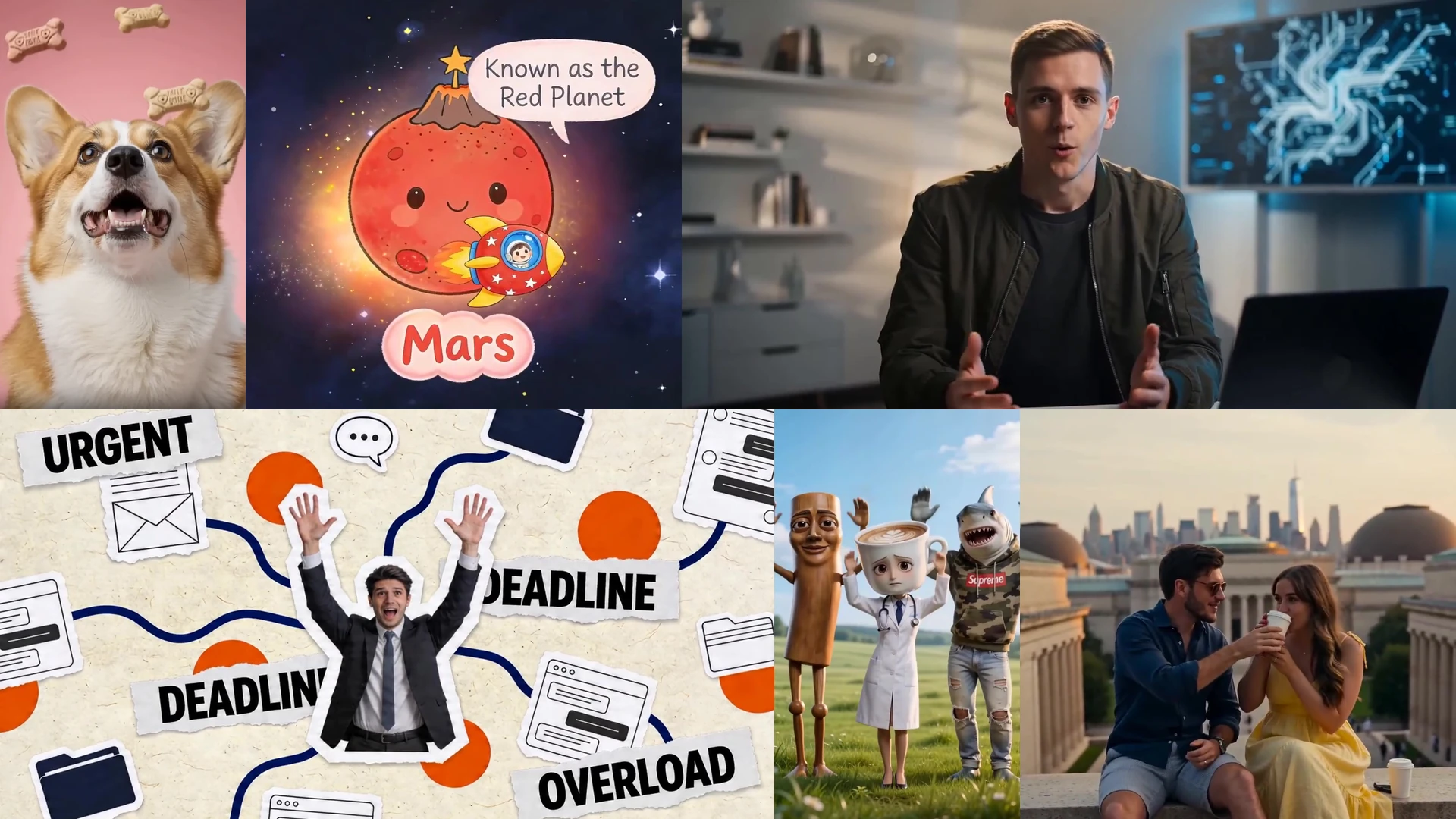
Vibe creating means describing a video's intent in natural language and receiving a finished, scored video back. A vibe creator types "a 30-second product launch video, cinematic, upbeat music" and the agent handles shot planning, generation, soundtrack, subtitles, and export.
Pexo is the clearest example: it accepts five input types (text, image, URL, script, audio), auto-selects the best model per shot across engines including Seedance 2.0 and Kling AI, and composes a three-layer soundtrack with voiceover, music, and Foley sound effects. The output is a finished multi-shot video in 16:9, 9:16, or 1:1. The human never touches a timeline. For best practices, the key is writing a specific, structured prompt.
What Is Video Editing
Video editing is the manual process of importing, cutting, arranging, color-grading, and mixing raw footage. The core tools in 2026 are Adobe Premiere Pro (industry standard for teams), Final Cut Pro (optimized for Apple hardware), DaVinci Resolve (strongest color grading), CapCut (free, social-first), After Effects (motion graphics and VFX), iMovie (entry-level Mac), and Filmora (beginner-friendly with templates).
Video editing assumes you have footage from a camera, screen recording, stock library, or AI-generated clips. A skilled editor using DaVinci Resolve can match multi-cam footage, grade specific colors, and mix Dolby Atmos audio. That frame-level control is not available in any vibe creating workflow today. The trade-off is time: a basic YouTube edit in Premiere Pro takes 2 to 8 hours, and learning a professional NLE takes months.
Side-by-Side Comparison
This table compares the two workflows across the dimensions that actually decide the choice.
| Dimension | Vibe Creating | Video Editing |
|---|---|---|
| Input | Text prompt, script, images, URL, audio | Raw footage, assets, stock clips |
| Planning | AI agent plans shot list automatically | Editor storyboards manually |
| Audio | Three-layer auto-composed (VO + music + SFX) | Manual mixing in DAW or NLE |
| Time to first cut | 8 to 15 minutes (Pexo, 3-shot video) | 2 to 8+ hours |
| Revision model | Re-prompt or adjust instructions | Scrub timeline, re-cut, re-render |
| Precision | Shot-level | Frame-level |
| Skill floor | Zero | Intermediate |
| Cost | AI agent subscription | Software + time + stock |
| Best output | Social video, explainer, product ad | Film, documentary, branded series |
Where Video Editing Wins
Video editing wins in three scenarios. First, when you have raw footage and need to shape it: no AI agent can sync multi-cam angles and color-match across scenes like DaVinci Resolve or Premiere Pro. Second, when you need frame-level precision: cutting on a beat, speed-ramping a 12-frame window, or rotoscoping a subject requires a timeline. Third, when the project demands an established visual language: a branded YouTube series with custom lower thirds and a specific LUT chain lives in an NLE template, not a text prompt. The best AI video editing software can accelerate parts of this, but the editor still drives.
Where Vibe Creating Wins
Vibe creating wins when you start from zero: no footage, no editing skill, no stock library. First, speed: a 15-second product ad from Pexo takes about 8 to 10 minutes, compared to half a day in a traditional edit. Second, accessibility: a founder or marketer who has never opened a timeline can produce a polished explainer by writing a clear brief. Third, volume: teams publishing daily to TikTok, Instagram Reels, or YouTube Shorts cannot sustain manual editing at that pace. The limitation is control: you direct at the shot level rather than the frame level, which is sufficient for social and marketing video but not for pixel-precise branded series.
Can You Use Both Together
Yes. The combined workflow is increasingly common in 2026:
| Step | Workflow | Tool |
|---|---|---|
| 1. First draft | Vibe create from a brief or script | Pexo (text/script/URL input) |
| 2. Review | Watch the AI-generated cut, note what to keep and change | Any video player |
| 3. Fine-tune in NLE | Import the exported video into an editor for precise adjustments | Premiere Pro, Final Cut Pro, DaVinci Resolve, CapCut |
| 4. Final mix | Re-grade, adjust audio levels, add brand-specific elements | The same NLE |
| 5. Export and publish | Render final deliverable for each platform | NLE or direct upload |
This hybrid approach cuts production time by 50% to 70% compared to editing from raw footage while preserving brand-level precision.
Conclusion
Vibe creating removes the blank-canvas problem. Video editing removes the control problem. The decision matrix below simplifies the choice.
| Your situation | Choose | Why |
|---|---|---|
| No footage, no editing skill, need it today | Vibe creating | Fastest path from zero to finished video |
| Raw footage from a shoot, need precise cut | Video editing | Frame-level control over your own clips |
| Daily social content at scale | Vibe creating | Volume without headcount |
| Branded series with established visual language | Video editing | Template consistency across episodes |
| Fast first draft, then polish | Both | Vibe create the draft, edit the details |