
 ChatGPT
 Perplexity
 Claude
 Gemini
 Grok
Grok


Vibe Creating Best Practices: 12 Habits That Get You Better Videos, Faster
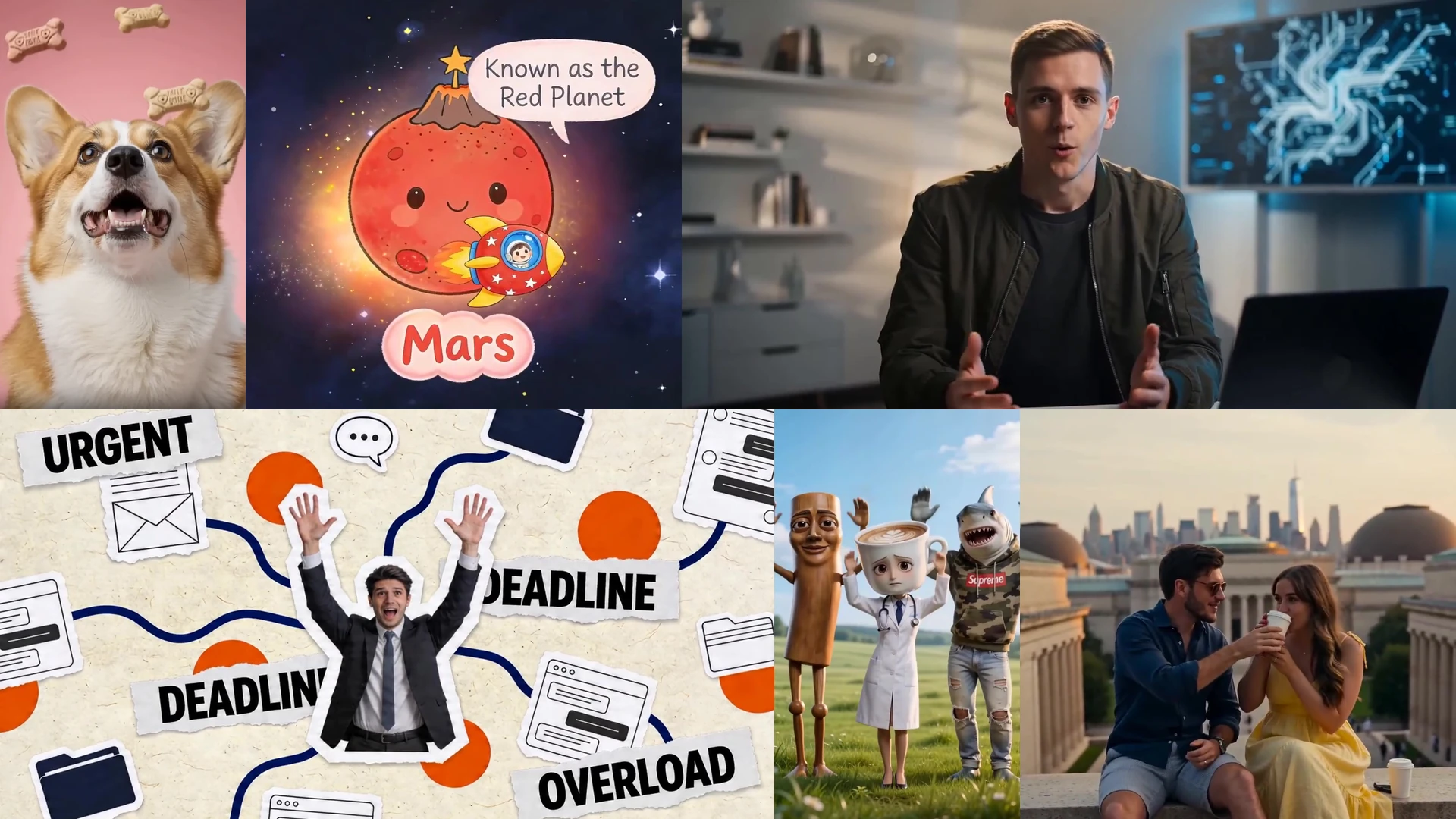
Vibe creating best practices are the repeatable habits that separate creators who get polished videos on the first or second try from those who burn through dozens of revision rounds. The term vibe creating describes telling an AI video agent what you want in plain language and receiving a finished, edited video back. Pexo, for instance, auto-selects models like Seedance 2.0 and Kling AI per shot, composes three-layer audio (voiceover, music, and Foley sound effects), and exports in 16:9, 9:16, or 1:1. But even the best AI video agent produces mediocre output when the input is vague. These 12 practices, drawn from real creator sessions across Claude Code, Instagram Reels, TikTok, and YouTube Shorts, organize into three phases: preparation, conversation, and post-generation.
Why Best Practices Matter for Vibe Creating
A vibe creating session is a conversation, not a single prompt. Creators who follow a structured approach see fewer revision rounds (two or three instead of eight-plus) and higher consistency across batches. The reason is mechanical: AI video agents like Pexo route each shot to a specialized model. Seedance 2.0 handles product close-ups while Kling AI handles human motion. Specific briefs produce accurate routing on the first pass. Vague briefs force guessing.
| Approach | Avg. Rounds | Batch Consistency | Audio Quality |
|---|---|---|---|
| No structure (vague prompt) | 8+ | Low | Often missing Foley/SFX |
| Basic brief (topic + length) | 4-5 | Medium | Voiceover + music only |
| Full best-practice workflow | 2-3 | High | Three-layer (VO + music + Foley) |
Before You Start (Practices 1-4)
Practice 1: Collect 2-3 Reference Videos
Find two or three existing videos matching your target tone or pacing. References give concrete vocabulary: "quick cuts every 1.5 seconds with bass-heavy music" instead of "energetic." AI video agents interpret specific descriptors far more accurately than abstract adjectives.
Practice 2: Write a One-Paragraph Brief
The ideal vibe creating prompt is 40-80 words covering subject, audience, tone, and format. Example: "A 30-second product reveal for a ceramic mug, home-decor shoppers on Instagram Reels, warm and minimal, 9:16." That routes Seedance 2.0 to the close-up and matches music to "warm and minimal."
Practice 3: Specify Aspect Ratio and Duration Upfront
Aspect ratio determines shot composition and text placement. State "9:16, 15 seconds, 3 shots" in your first message to prevent the most common revision: reformatting after the fact.
Practice 4: Declare Audio Expectations Early
Three-layer audio (voiceover, music, Foley) is where most sessions succeed or stall. Pexo includes Foley by default. Still, state preferences: "Female voiceover, upbeat lo-fi music, include the sound of pouring coffee" is actionable. "Add some sound" is not.
| Practice | What to Prepare | Why It Matters |
|---|---|---|
| 1. References | 2-3 links or screenshots | Concrete vocabulary for tone/pacing |
| 2. Brief | 40-80 words: subject, audience, tone, format | Prevents model-routing errors |
| 3. Aspect ratio | e.g., "9:16, 15s, 3 shots" | Avoids reformatting revisions |
| 4. Audio | VO style, music genre, specific SFX | Saves 1+ revision rounds |
During the Conversation (Practices 5-8)
Practice 5: Give Shot-Level Feedback
Reference specific shots: "Shot 2 needs a slower zoom. Shot 3 is too dark." Pexo can re-route a single shot to a different model without regenerating the full video. General feedback like "make it better" triggers full regeneration, wasting time and potentially losing shots you liked.
Practice 6: Iterate in Layers
Fix visuals first, then pacing, then audio, then text overlays. Trying to fix everything in one message creates conflicting instructions. This mirrors how Pexo's pipeline already operates: shot list, then visuals, then transitions, then three-layer soundtrack and titles.
Practice 7: Replace Adjectives with References
"Cinematic" is ambiguous. "Slow dolly movement with shallow depth of field" is not. Concrete references anchor model routing: documentary-style handheld suggests Kling AI's realism, while clean motion graphics suggests Pexo's stylized animation (infographic, 2.5D, kinetic typography).
Practice 8: Ask for Variations When Stuck
If three rounds haven't solved a shot, request variations instead: "Give me three approaches to Shot 2." Many vibe creating examples show variation requests unlock directions the creator hadn't considered, because Seedance 2.0 and Kling AI have different strengths.
After Generation (Practices 9-12)
Practice 9: Review Audio and Visuals Separately
Watch once with sound off (check visuals and pacing). Then listen with eyes closed (check voiceover clarity, music fit, Foley timing). This two-pass method catches subtle issues in one round instead of discovering them across three.
Practice 10: Batch Export All Formats
A single vibe creating session with Pexo can produce 16:9, 9:16, and 1:1 from one conversation. Request all formats before closing. Re-entering context in a new session risks different model routing and inconsistent outputs.
Practice 11: Save Winning Prompts as Templates
Copy your final brief and key feedback into a template labeled by use case: "Product Reveal, Warm Tone, 9:16." Over 10-15 videos, a prompt library cuts session time roughly in half.
Practice 12: Run a Freshness Check Before Publishing
Watch the final video again after a few hours. You will catch pacing issues or color inconsistencies that adrenaline masked. If something feels off, send one targeted revision.
Quick-Reference Checklist
| Phase | # | Practice | One-Line Test |
|---|---|---|---|
| Before | 1 | Collect references | Do I have 2-3 links saved? |
| Before | 2 | Write a brief | Is it 40-80 words with subject, audience, tone, format? |
| Before | 3 | Set aspect ratio + duration | Did I state dimensions and length in message one? |
| Before | 4 | Declare audio needs | Did I specify VO style, music genre, and SFX? |
| During | 5 | Shot-level feedback | Am I naming specific shot numbers? |
| During | 6 | Iterate in layers | Am I fixing one layer per round? |
| During | 7 | Concrete comparisons | Did I replace adjectives with references? |
| During | 8 | Ask for variations | Stuck 3+ rounds on one shot? |
| After | 9 | Two-pass review | Watched silent, then listened eyes-closed? |
| After | 10 | Batch export | Requested all platform sizes before closing? |
| After | 11 | Save templates | Copied winning brief to my library? |
| After | 12 | Freshness check | Waited before publishing? |
Common Anti-Patterns
| Anti-Pattern | What Happens | The Fix |
|---|---|---|
| "Make it cooler" feedback | Full regeneration, good shots lost | Shot-level feedback (Practice 5) |
| 500-word first prompt | Contradictions force guessing | 40-80 word brief (Practice 2) |
| Skipping audio direction | Silent or generic-music video | Declare audio in message one (Practice 4) |
| Fixing everything at once | Improvements in one layer break another | Iterate in layers (Practice 6) |
| Publishing immediately | Miss pacing and color issues | Freshness check (Practice 12) |
Conclusion
Vibe creating rewards preparation and specificity more than creativity or technical skill. Start with Practices 1-4 for the fastest improvement. Whether you use Pexo, work with Seedance 2.0 or Kling AI directly, or explore any AI video agent, these 12 habits transfer.