
 ChatGPT
 Perplexity
 Claude
 Gemini
 Grok




A brand film gives the viewer a reason to stay with a story before it asks for a click. That changes the brief. The product still needs a role, but it may arrive through a person, a place, a cause or a service moment rather than a direct product claim.
These branded content examples show three ways to make that choice. Volvo builds a documentary around owners. Patagonia builds films around the planet and action. Airbnb shows its service through Hosts and the trips they make possible. Their value is the narrative mechanism.
What Makes a Brand Film Different From a Direct-Response Ad?
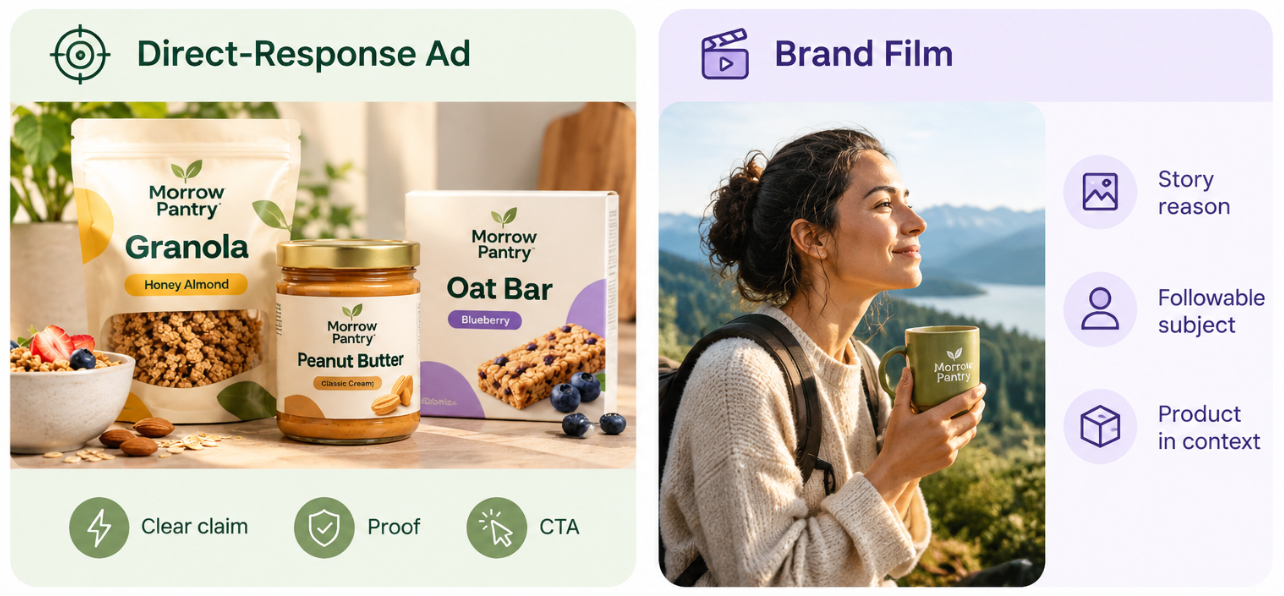
A direct-response ad asks the viewer to understand an offer quickly and take a measurable action. A brand film can take longer to establish a person, place or tension before the product appears.
The review standard changes with the job. A direct-response cut needs a clear claim, proof and CTA. A brand film needs a credible reason for the story to exist, a subject the audience can follow and a product presence that feels connected to the story. The product should still be accurate. The narrative simply carries more of the opening work.
For a small team, choose one story question before choosing the camera style. What does this customer, place or action reveal that a product list cannot?
Volvo's The Family Car: Real Owners as the Story
Amazon Ads describes Volvo's “The Family Car: An American Love Story” as a four-episode documentary series and feature film distributed across Prime Video and Fire TV. The case study says the campaign moved attention away from engineering specifications and toward real owners whose cars were present during moves, family changes and career milestones. Read the Volvo case study.
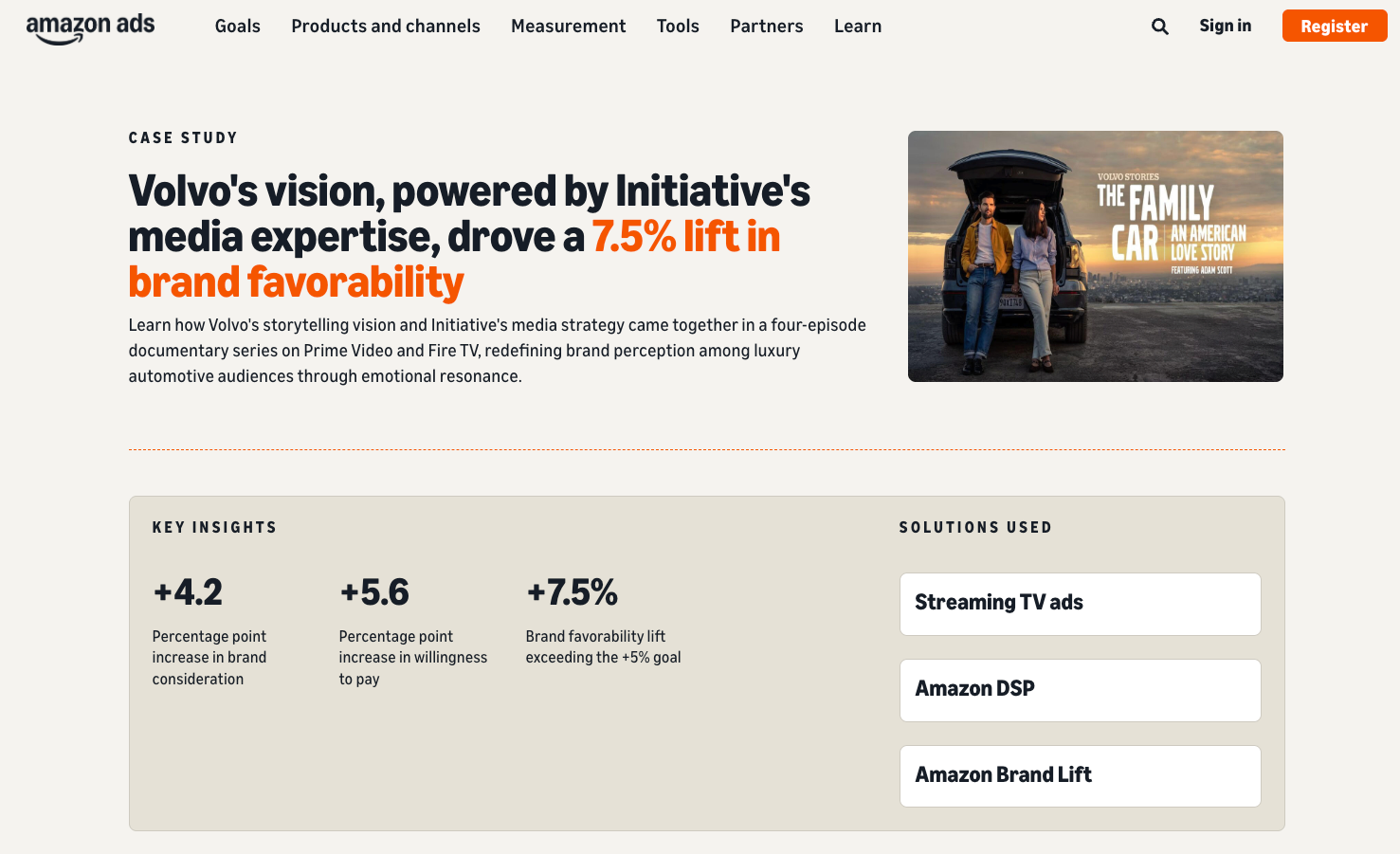
The mechanism is a relationship story. The car is present in meaningful moments, while the owners carry the emotional arc. The audience learns what ownership means to these people.
For a smaller brand, choose one real customer, one transition and one product role. A meal-planning app might follow a parent preparing for the first week of school, with the app appearing in the routine. The final frame can point to the planning feature.
Keep the source record clear. A real customer story requires permission for the person's identity, voice, footage, location and the claims made in the edit. A fictional customer cannot be presented as a real case.
Patagonia Films: A Cause Before a Product Pitch
Patagonia's current Films page presents a large collection of films about the planet, activism, sport and culture. It describes Patagonia Films as a collective of storytellers making films on behalf of its home planet. Explore Patagonia Films.
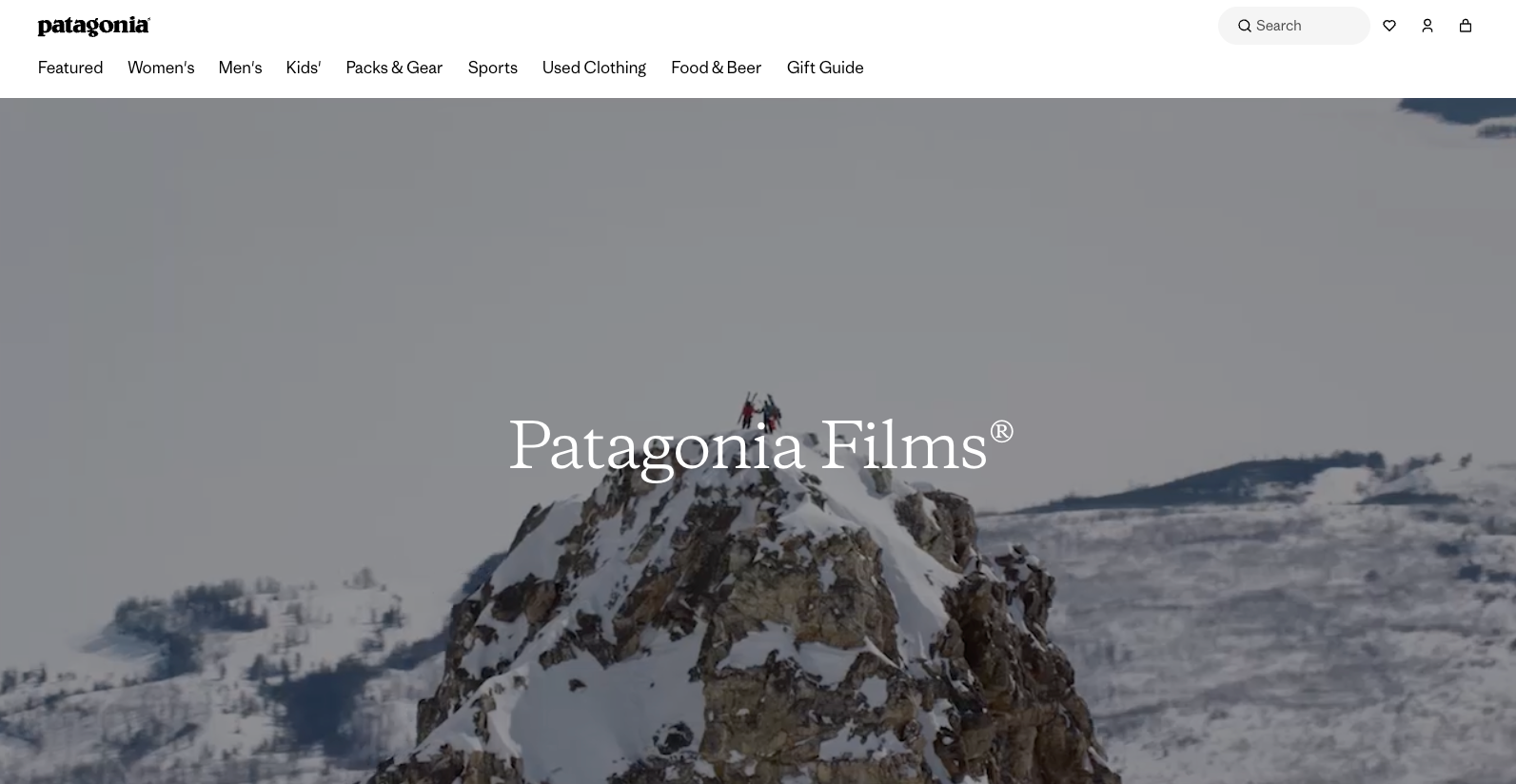
The mechanism is a cause-led editorial frame. The viewer enters through a place, community or environmental question. The brand's values shape the story selection, while the product may remain secondary.
A small outdoor brand can choose one local issue it is genuinely connected to, then document one person or group already doing the work. The brief should name the relationship, what the film will show, who approves the claims and where the product belongs.
The product might appear as equipment used during the activity, a repair object or a closing detail. The placement works when it explains the brand's relationship to the story.
Airbnb's Made Possible by Hosts: A Service Shown Through People
Airbnb's newsroom describes “Made Possible by Hosts” videos featuring Olympic and Paralympic athletes, their companions and the Hosts who made their stays possible. The examples show a romantic trip, a team traveling to a qualifying meet and athletes maintaining a routine while away. Read Airbnb's campaign example.
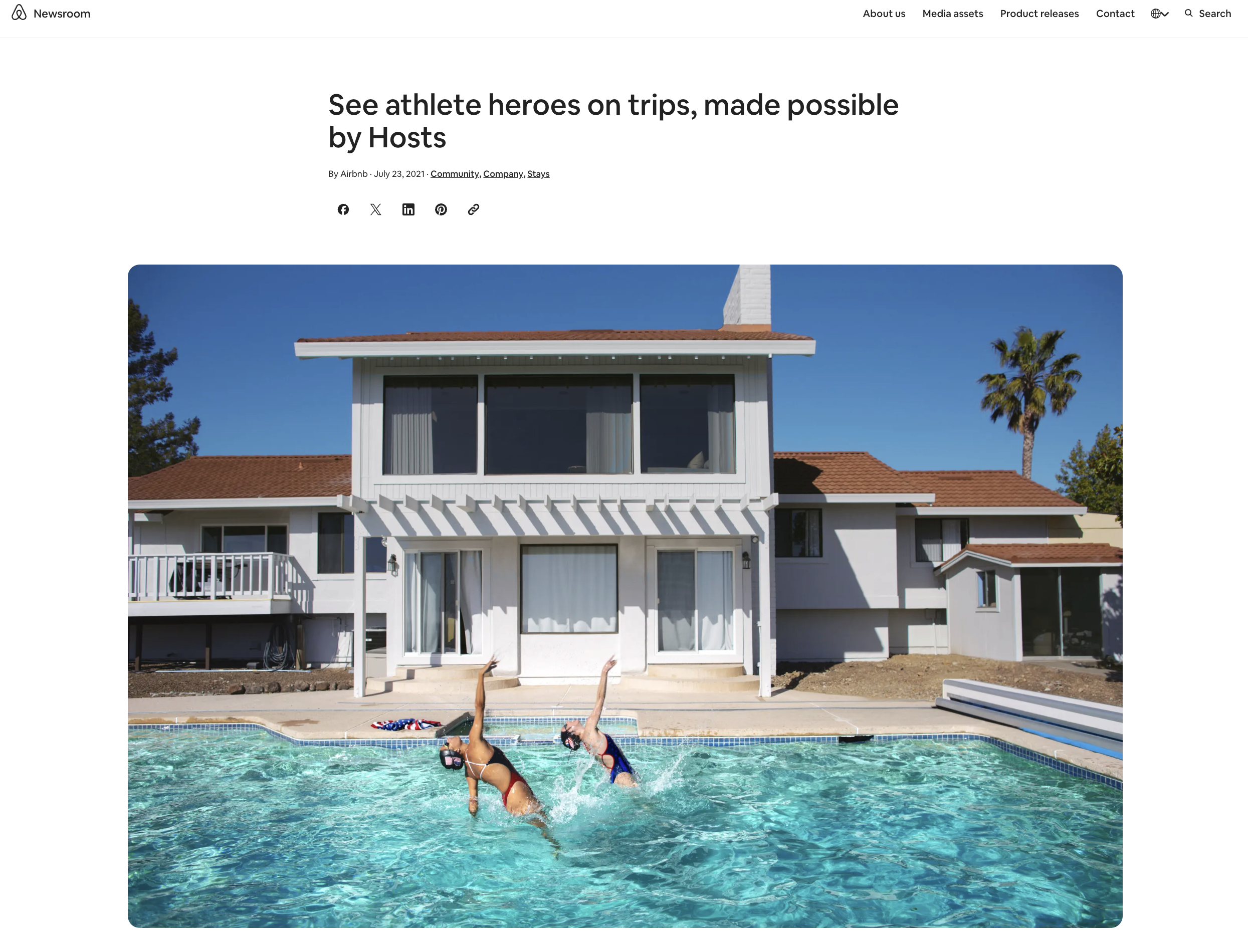
The mechanism is service made visible through human relationships. Airbnb does not explain hosting with a feature list. It shows the stay, the people sharing it and the situation the service enables.
A small brand can use the same structure for a real use case. A luggage company might follow a family moving between two cities. The bag is part of the problem, while the story follows how the family manages the move. Specify one product action viewers can verify, then let the people carry the context.
Keep the human story accurate to the source material, without borrowing celebrity scale or inventing an experience.
A Brief Template for a Smaller Product Brand
The following example is fictional. Morrow Pantry is an invented DTC food brand. Its team wants a 60-second social film about a neighborhood meal exchange.
| Brief field | Fictional example |
|---|---|
| Story question | What makes a weeknight meal feel shared? |
| Subject | Three neighbors who exchange prepared dishes once a week. |
| Product role | Morrow Pantry containers keep the exchange organized and reusable. |
| Evidence | Approved product photos, one real event recording and participant interviews. |
| Structure | The need, the exchange, one preparation detail, then the brand connection. |
| CTA | See the reusable container set. |
| Acceptance | Consent records, factual product wording, readable label and rights-cleared music. |
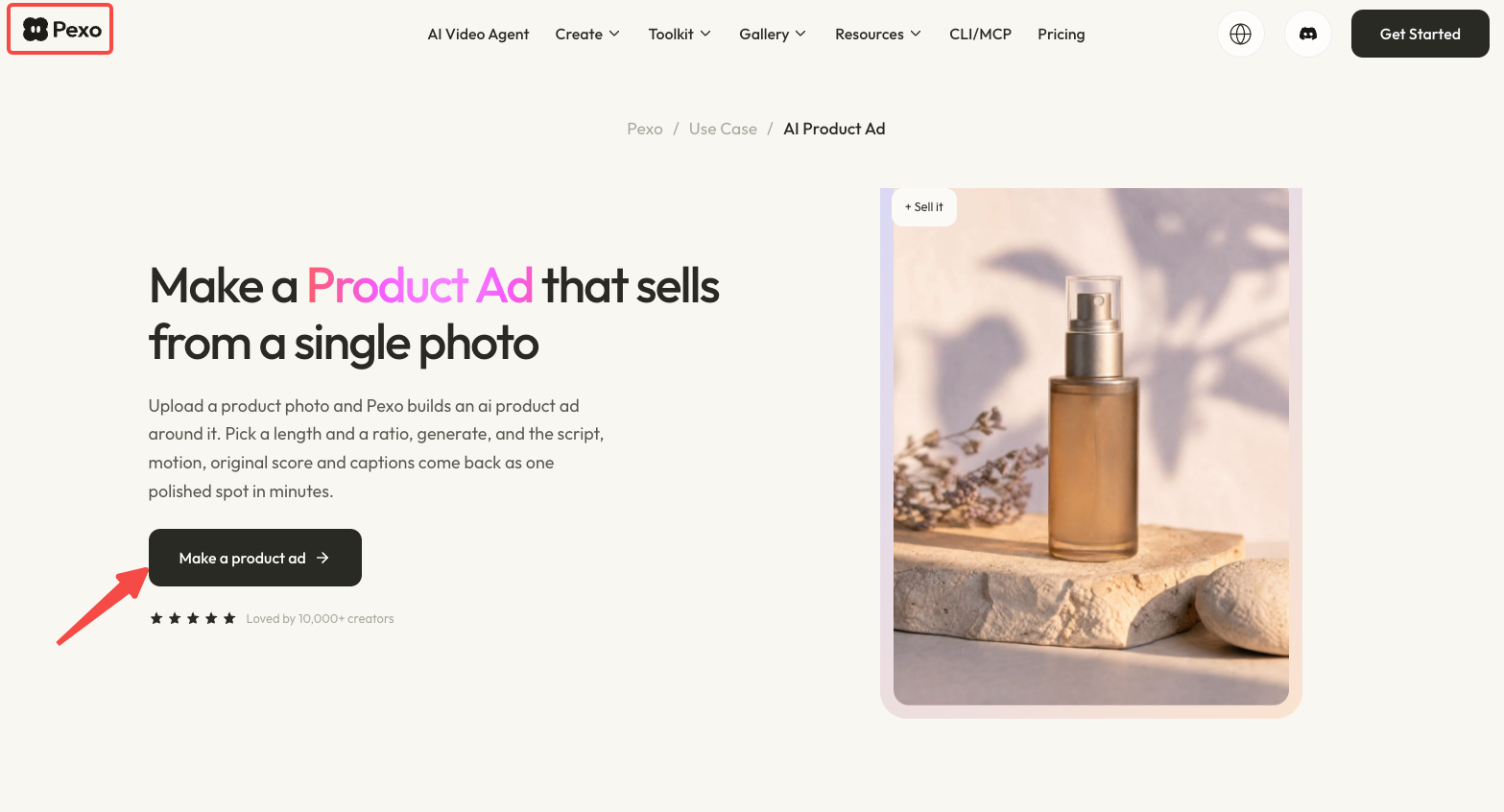
The brief gives the story a job before it gives the editor a shot list. It also keeps the product claim visible enough to review. A team can use an owned concept route such as Pexo's product-ad workflow to explore the product detail and pacing. Any generated concept should remain labeled as a concept until the real people, footage and permissions are ready.
What Should Stay With the Original Campaign?
Keep the original campaign's subject, claim scope, credit requirements, music permissions and usage term with every short cut. A 15-second edit can remove the context that made a statement accurate. Rewatch the source before turning a documentary moment into a social hook.
When a story includes a customer, athlete, activist, Host or filmmaker, record the permitted channels and edit rights. Credit outside filmmakers according to the agreement. Check whether a paid cut, a new language version or a platform-specific crop needs a new approval.
Conclusion
The strongest brand content examples give the product a meaningful role inside a story. Start with the person, cause or service moment the audience should remember. Then write the product detail, evidence, rights and CTA into a brief that a small team can actually review.