

 ChatGPT
 Perplexity
 Claude
 Gemini
 Grok
Grok

How to Make a Brand Ad
UPDATED: 2026-08-12 By Lan He, Senior Video Producer at Pexo
Making a brand ad takes five steps: name the one feeling to leave behind, find the single idea that carries it, write with restraint, produce the footage, then build the sound. A brand ad takes about 25 minutes to produce.
Quick Version: How to Make a Brand Ad
- Name the one feeling the viewer should be left with.
- Find the single idea that carries it, not three good ones.
- Write with restraint, and cut every line that explains.
- Produce the footage to a consistent look, not a beautiful one.
- Build the sound, which carries most of the emotional weight.
How to Make a Brand Ad Step by Step
Step 1: Name the one feeling
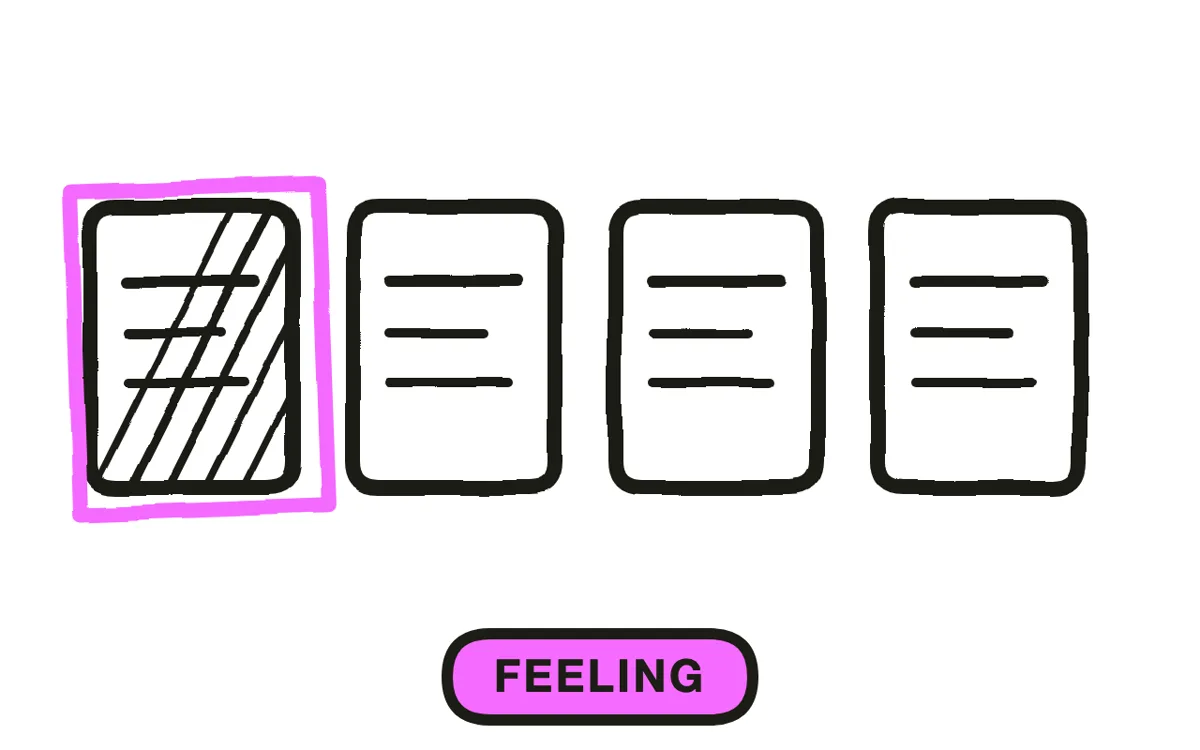
Write down the single feeling the viewer should be left with: relief, confidence, belonging, nerve. One word, agreed before anything is written, because everything downstream is a judgment call and without this there is nothing to judge against.
Then accept what that means for measurement. A brand ad plants an association and pays out in branded search and recall over months. Judging it on click-through in week one is the most common way good brand work gets cancelled, and it happens because nobody agreed at the start what success looks like.
Step 2: Find the single idea
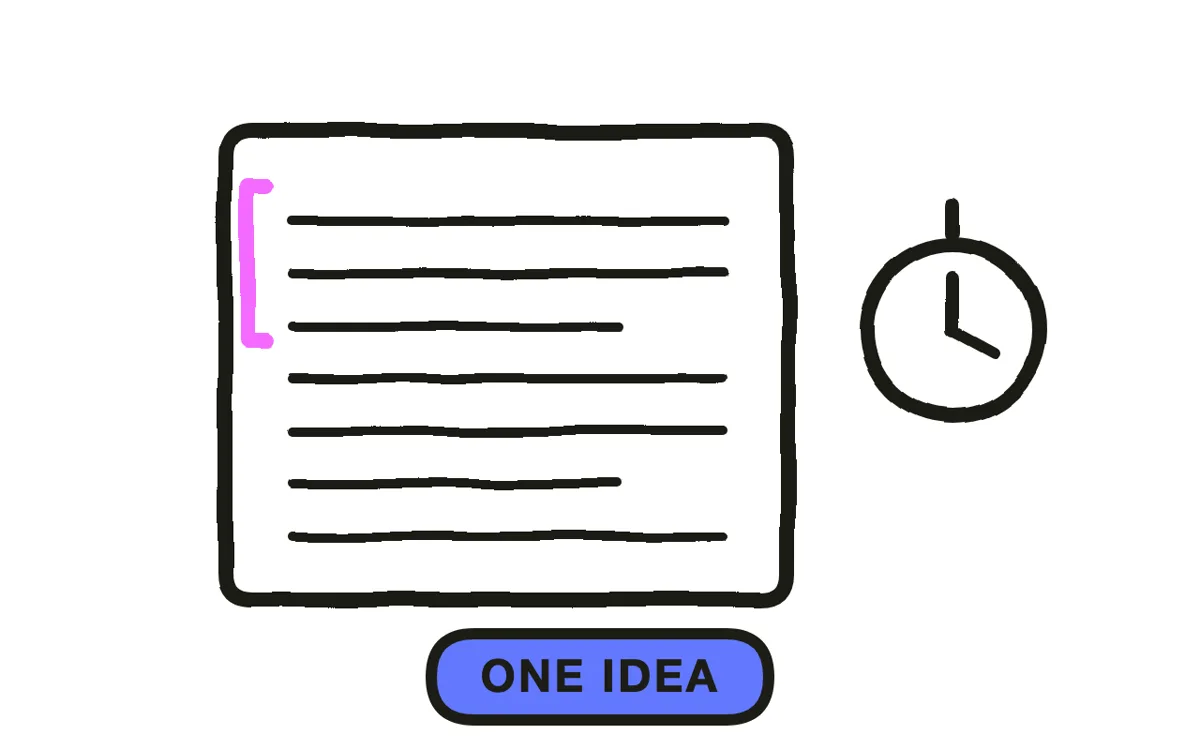
Brand ads fail by saying three things adequately rather than one thing memorably. Pick the idea that would survive being described to a friend a week later, and delete the other two however good they are.
The test is whether the idea would still work if you removed your logo. If it would suit any company in your category, it is a category idea rather than a brand idea, and it will build association for whoever in the category spends most. That is usually not you.
Step 3: Write with restraint
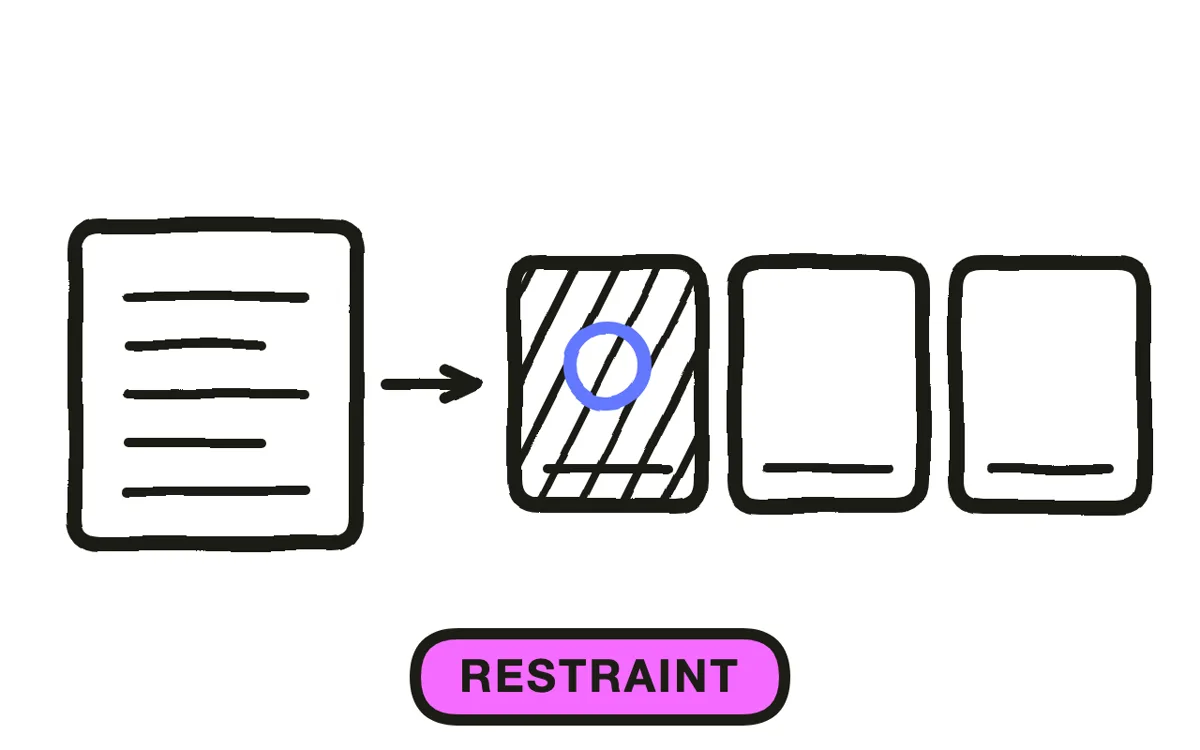
Cut every line that explains the feeling. Being told what to feel is the fastest way not to feel it, which is why many of the strongest brand ads carry one line of text and nothing else.
Aim for thirty to sixty seconds and expect the script to be very short for that length. Silence, held shots, and a single line landing late all do work that dialogue cannot. If the script reads like a well-argued case, it is a performance ad that has not admitted it yet.
Step 4: Produce to a consistent look
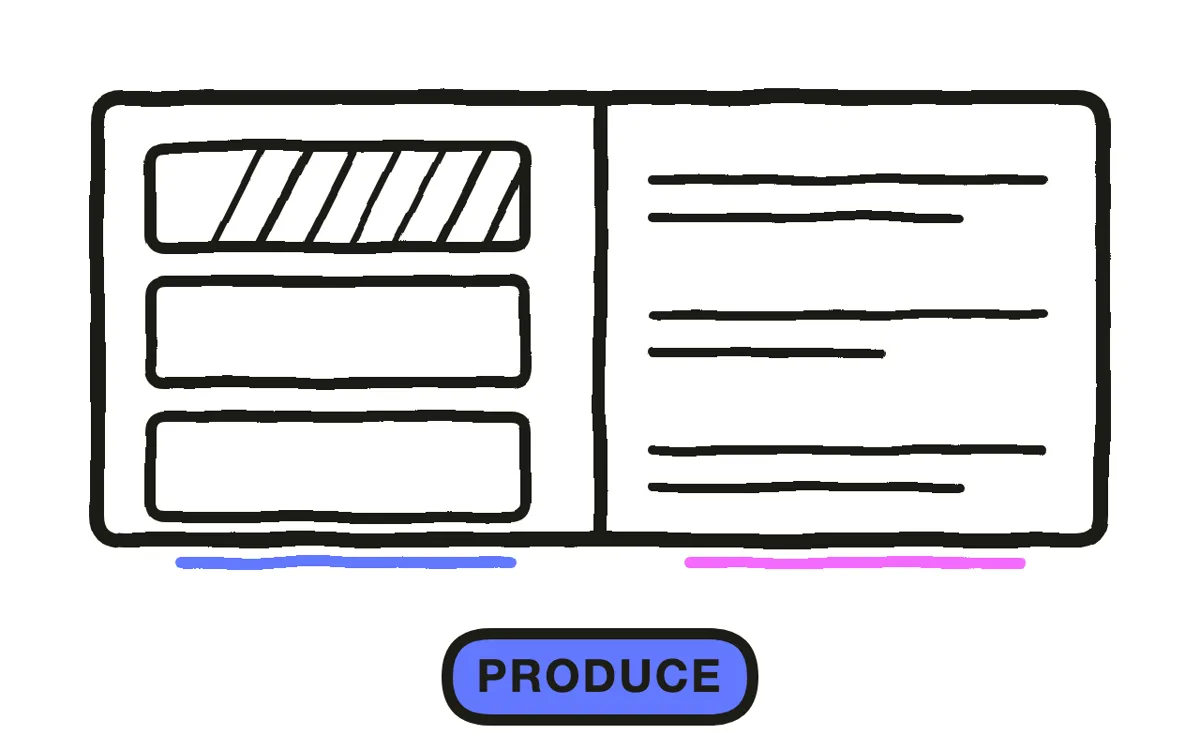
Consistency beats beauty here. The same palette, grain, pace and framing across a campaign is what builds recognition; a single striking ad that shares nothing with your other work builds none, and recognition is the only thing brand spend actually buys.
Pexo's text-to-video workflow generates scenes from a description, and Creative Memory holds a look across a campaign so the fourth ad still reads as the same brand as the first. Show the product briefly or not at all: what the ad cannot skip is being unmistakably yours.
Step 5: Build the sound
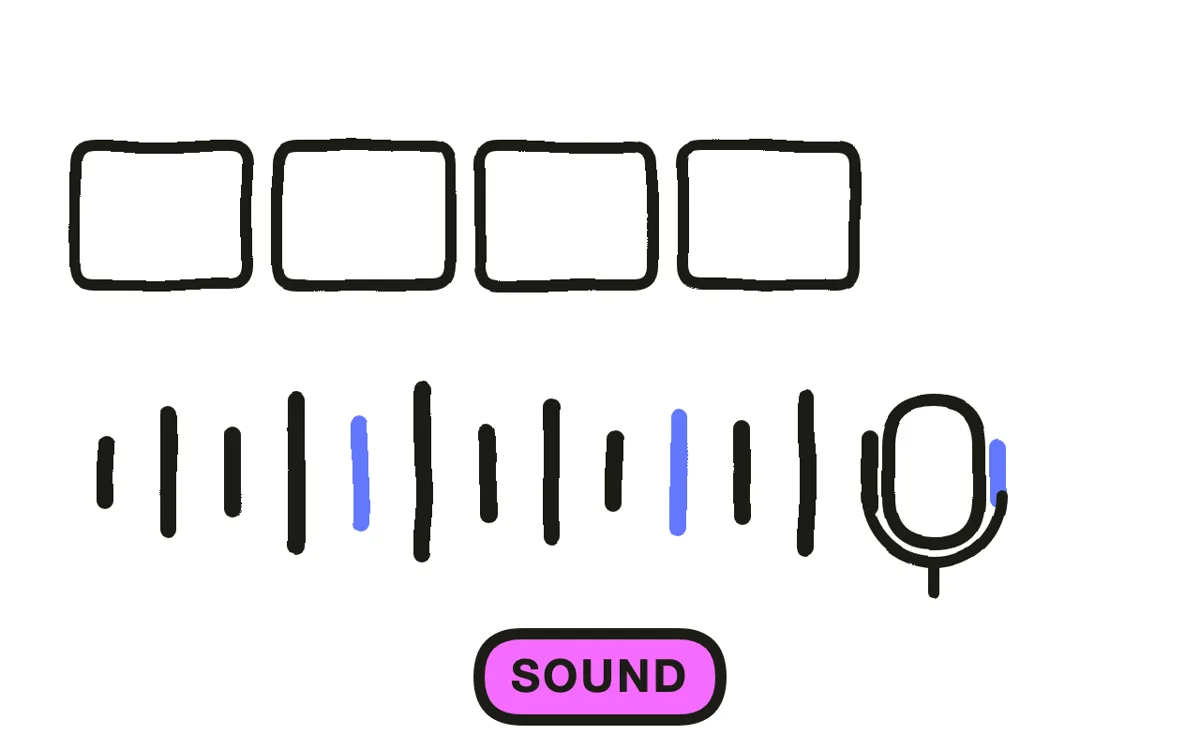
Sound carries more of a brand ad's emotional weight than any other element, and it is the part most often left until there is no time. Choose the track before the final edit, not after, and cut the picture to it rather than laying it under a finished cut.
A sonic signature, even three notes, does more for recognition across a campaign than another beautiful shot. Export 16:9 for YouTube, broadcast and site placements, and recompose to 9:16 for social rather than cropping, since brand work depends on composition more than performance work does. Pexo composes a matched score and exports every ratio from one project.
How to Make a Brand Ad with Pexo
The five steps above work with any tool. Pexo handles steps 4 and 5 in a single conversation, and holding one look across a campaign is where it matters most for brand work.
Open the brand ad page and describe the piece: "A 45-second brand ad about the relief of finally having the paperwork done, warm late-afternoon light, slow handheld, one line of text at 38 seconds, sparse piano, logo held for two seconds at the end." Pexo generates the scenes, composes the score, and exports each ratio.
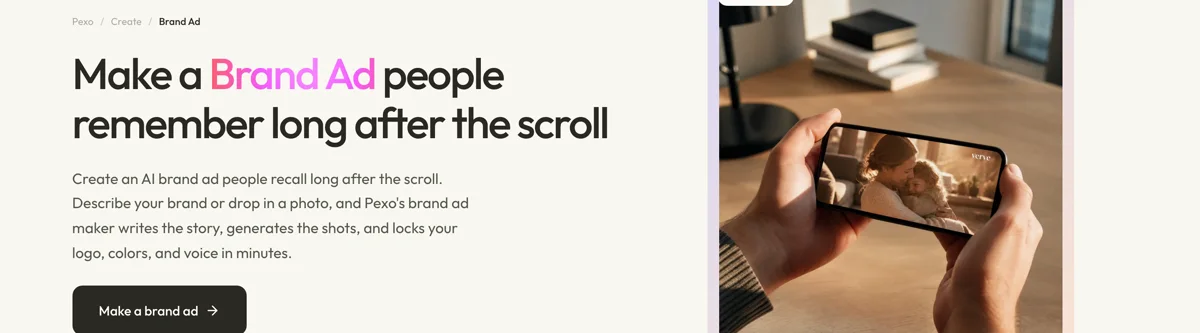
Describe the next ad in the campaign in the same conversation and Pexo keeps the palette and pace, which is what turns three separate ads into one recognisable body of work. The platform runs across Seedance 2.0, Kling AI, and more.
For related formats, the brand launch video page covers introducing a new brand and tv commercial covers broadcast placements.
5 Mistakes That Make a Brand Ad Forgettable
1. Measuring it on clicks. Optimising toward click-through turns brand work into weak performance work, then cancels it for underperforming.
2. Saying three things. Three adequate ideas are forgotten together. One memorable idea survives the week.
3. Explaining the feeling. Being told what to feel is the fastest way not to feel it. Cut the line.
4. A category idea. If it would suit any competitor, it builds association for whoever spends most, which is rarely you.
5. Choosing music last. Sound carries the weight. Pick the track before the edit and cut picture to it.
Related Tutorials
- How to make a TV commercial for broadcast placements
- How to make a product ad for the performance counterpart
- How to make a teaser trailer for withholding as a technique
- Vibe creating for ads for describing a mood rather than a shot list