
 ChatGPT
 Perplexity
 Claude
 Gemini
 Grok
Grok

How to Make a Patient Education Video
UPDATED: 2026-08-06 By Lan He, Senior Video Producer at Pexo
Making a patient education video takes six steps: choose one clinical objective, script it in plain language, plan the visuals, produce the footage, make it accessible, then distribute it where patients are. A patient education video takes about 25 minutes to produce once the content is approved.
Quick Version: How to Make a Patient Education Video
- Choose one objective the patient should be able to act on.
- Script it at a sixth to eighth grade reading level.
- Plan visuals showing the actual anatomy, device, or action.
- Produce the footage with animation rather than a clinical shoot.
- Add captions and translation for your patient population.
- Distribute via portal, discharge QR code, and waiting room screens.
How to Make a Patient Education Video Step by Step
Step 1: Choose one objective
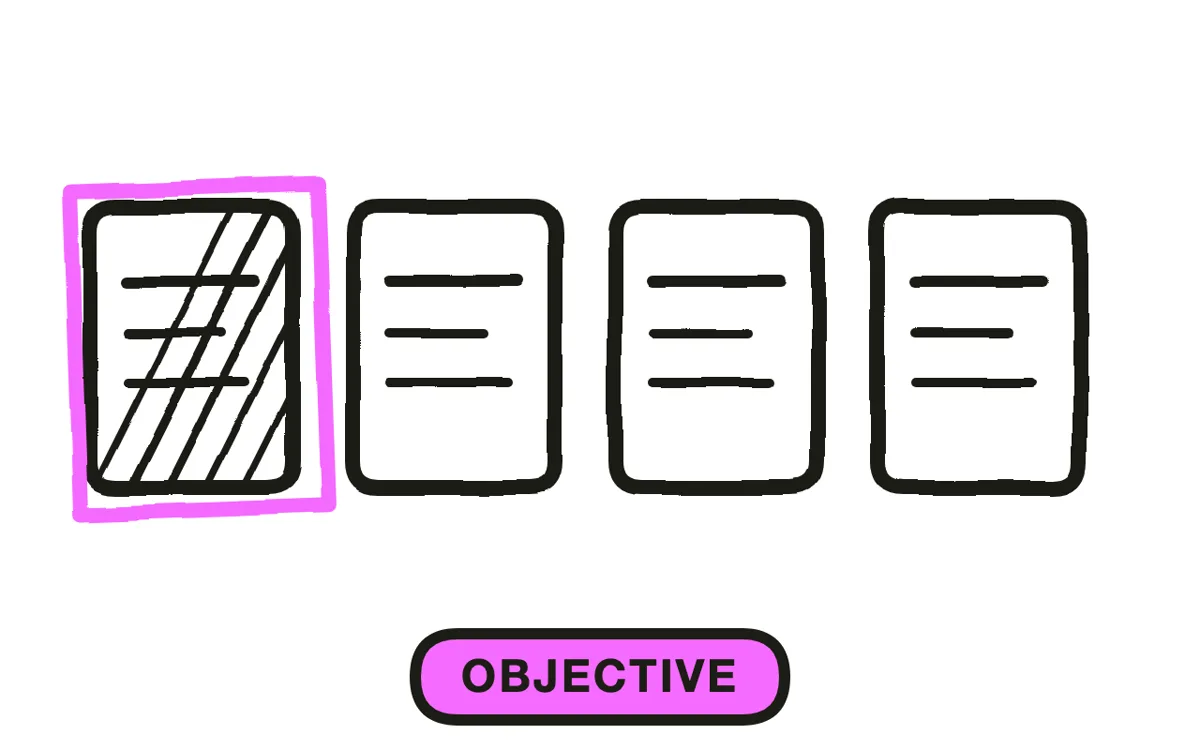
Name the single thing the patient should be able to do after watching: take the medication correctly, recognise the warning signs, prepare for the procedure, or perform the exercise. One objective per video.
Resist bundling. A video covering the condition, the treatment, and the aftercare together leaves the patient holding none of the three, and it cannot be reused for the patients who only need one part. Separate videos also let a clinician send exactly the relevant one.
Step 2: Script in plain language
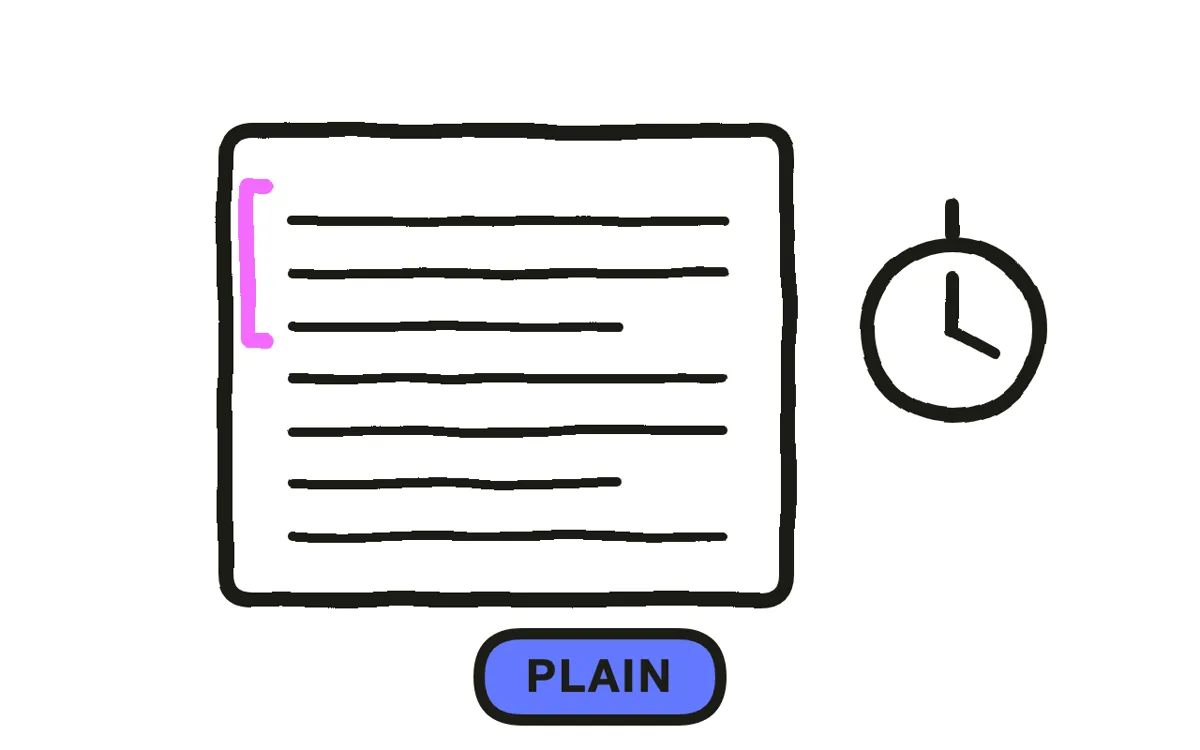
Write at a sixth to eighth grade reading level, the standard target for patient materials. Replace clinical terms with the patient's own words: "high blood pressure" rather than hypertension, "the tube that carries urine" rather than the urethra. Keep the clinical term alongside the first time so the patient recognises it on their paperwork.
Write the draft, then measure it. Most first drafts written by clinicians land several grades higher than intended, not through carelessness but because the vocabulary is genuinely invisible to a specialist. Medical accuracy and readability are not in tension; the accurate statement almost always has a plain version.
Step 3: Plan the visuals
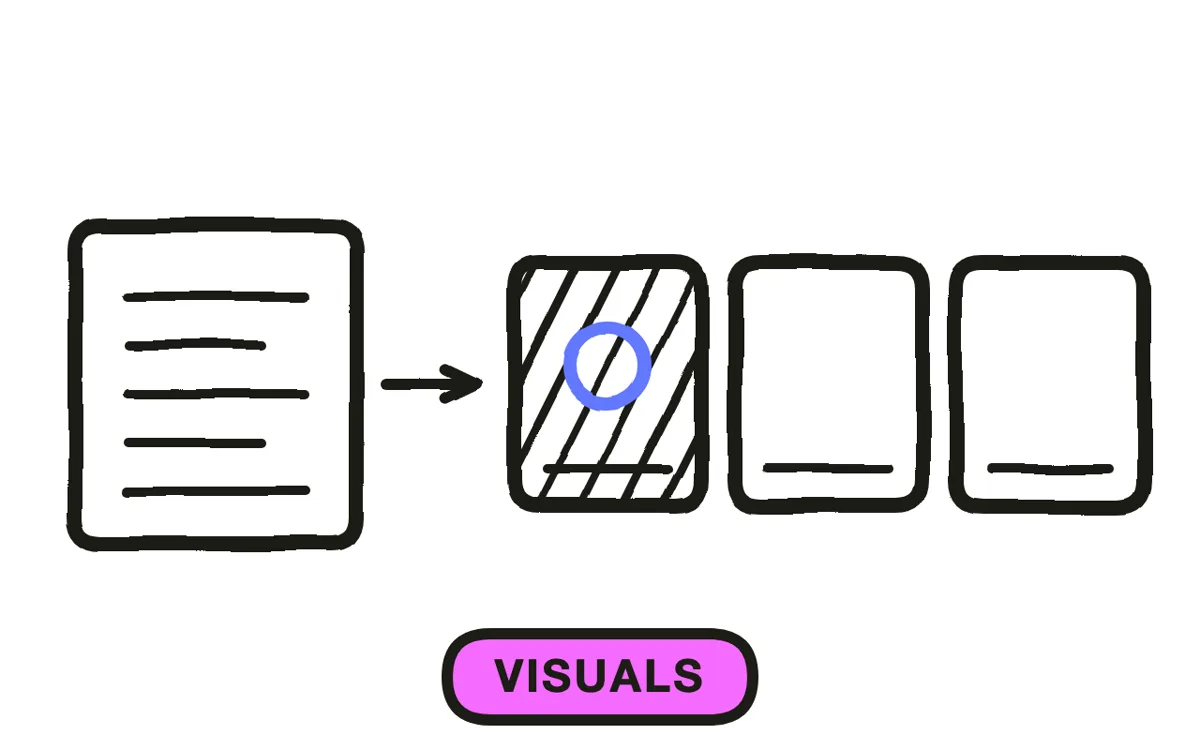
Show the actual thing. If the video explains an inhaler, show the inhaler being held and used at the angle the patient will hold it. If it explains a procedure, show the anatomy involved. Narration over generic stock footage of a smiling clinician teaches nothing.
Choose animation for anything internal. It reaches anatomy a camera cannot, avoids distressing imagery, and lets you slow down or exaggerate the part that matters. For a device or an exercise, a real demonstration filmed at the patient's own viewing angle works better than an animated approximation.
Step 4: Produce the footage
Filming in a clinical setting means consent, infection control, scheduling around actual care, and a location nobody can spare. This is why most patient education libraries stay small.
Pexo's text-to-video workflow generates the clinical scenes and anatomical sequences from written descriptions, so no shoot is needed. For a real device, upload a photograph and image-to-video conversion animates the actual product rather than an approximation, which matters when the patient has to recognise it in their hand.
Step 5: Add captions and translation
Burn in or supply captions, and produce translated versions for the languages your patient population actually speaks. Captions alone still require reading in a second language, which is why translation reaches people captions do not.
Add a teach-back prompt at the end where a clinician will be present: a specific question the patient answers back in their own words. Pexo generates narration with natural AI voices in multiple languages, which makes a translated version a regeneration rather than a re-recording.
Step 6: Distribute where patients are
Put the video in the patient portal, on waiting room screens, and behind a QR code printed on the discharge sheet. The discharge QR code reaches patients at the moment the information is most relevant, which is usually hours after anyone explained it verbally.
Export 16:9 at 1080p for portals and screens, 9:16 for anything a patient opens on a phone from a QR code. Pexo exports both. Route every version through clinical review before release: production speed does not shorten that step, and it is the one most likely to be compressed under deadline.
How to Make a Patient Education Video with Pexo
The six steps above work with any production method. Pexo handles steps 4 through 6 in a single conversation, which removes the clinical shoot that caps most patient education libraries.
Open the patient education video page and describe the piece: "A 3-minute video showing how to use a metered-dose inhaler with a spacer, calm reassuring narration, clear hand-level demonstration, ending on when to call the clinic." Pexo generates the scenes, records the narration, and produces translated versions.

Adjust any scene by describing the change in the chat, and Pexo regenerates that segment alone. The platform runs across Seedance 2.0, Kling AI, and more.
For related formats, the medical explainer video page covers clinical concepts for a general audience, and training video covers staff-facing material.
This article describes production practice. All clinical content must be reviewed and approved by a qualified clinician before release.
5 Mistakes That Lose a Patient Audience
1. Bundling three topics into one video. Condition, treatment, and aftercare together leaves the patient with none of them.
2. Writing at a clinician's reading level without checking. Specialist vocabulary is invisible to the person using it. Measure the draft.
3. Narrating over generic stock footage. A smiling clinician in a stock clip teaches nothing. Show the actual device, anatomy, or action.
4. Shipping captions instead of translation. Captions still require reading in a second language. Translate for the population you serve.
5. Compressing clinical review to meet a deadline. Faster production shortens every step except this one.
Related Tutorials
- How to make a medical explainer video for clinical concepts explained to a general audience
- How to make a HIPAA training video for staff-facing compliance material
- How to make a training video for the general training format
- How to make an explainer video for the broader explainer format