

 ChatGPT
 Perplexity
 Claude
 Gemini
 Grok
Grok


How to Make an NFT Launch Video
UPDATED: 2026-08-16 By Lan He, Senior Video Producer at Pexo
Making an NFT launch video takes five steps: put the mint details up front, show the collection honestly, script without promotional language, produce motion from static art, then time it to the community. An NFT launch video takes about 20 minutes to produce.
Quick Version: How to Make an NFT Launch Video
- Put mint date, price, supply and chain in the first seconds.
- Show artwork that represents the average, not the best.
- Script plainly, with no price or return claims.
- Produce motion from the static collection art.
- Time it to the community, not to a posting schedule.
How to Make an NFT Launch Video Step by Step
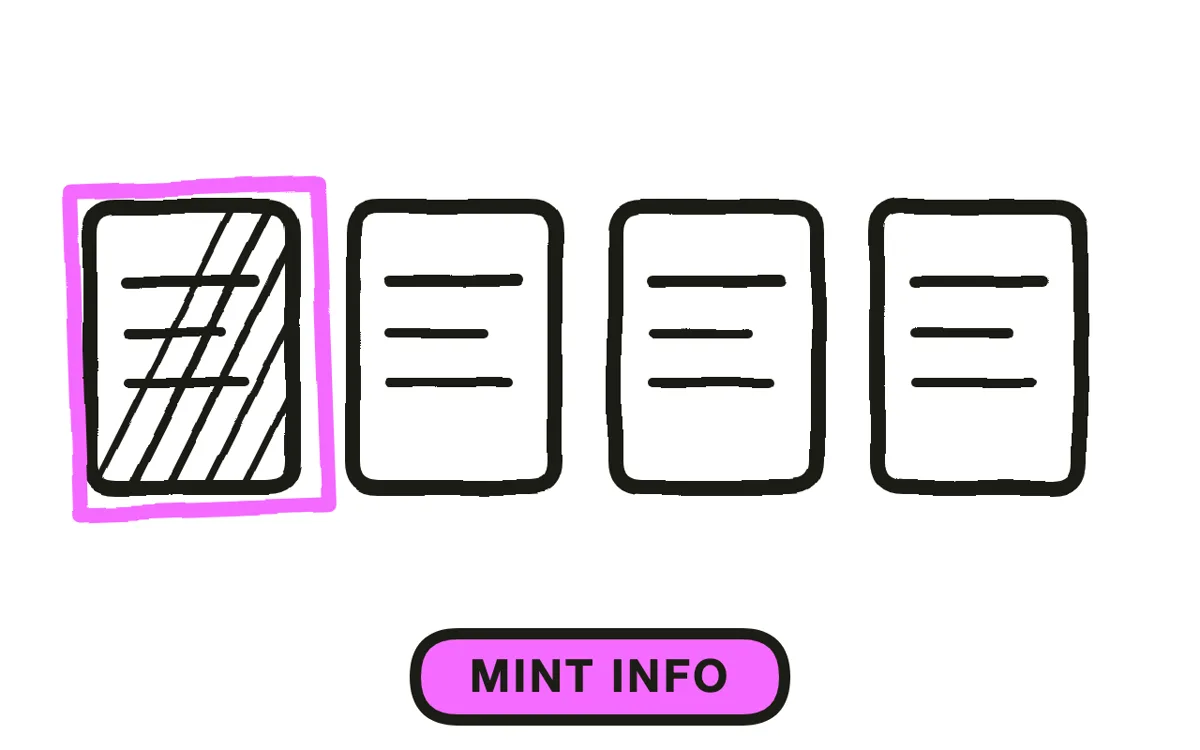
Step 1: Lead with the mint details
Mint date, price, supply and chain go in the first few seconds. This audience checks specifics before it looks at anything else, and a video that makes them hunt gets scrolled past.
Holding those back as a reveal is the instinct from other launch formats and it backfires here. Withholding reads as evasive to people who have watched a lot of projects be vague on purpose. Put the numbers on screen, plainly, early.
Step 2: Show the collection honestly
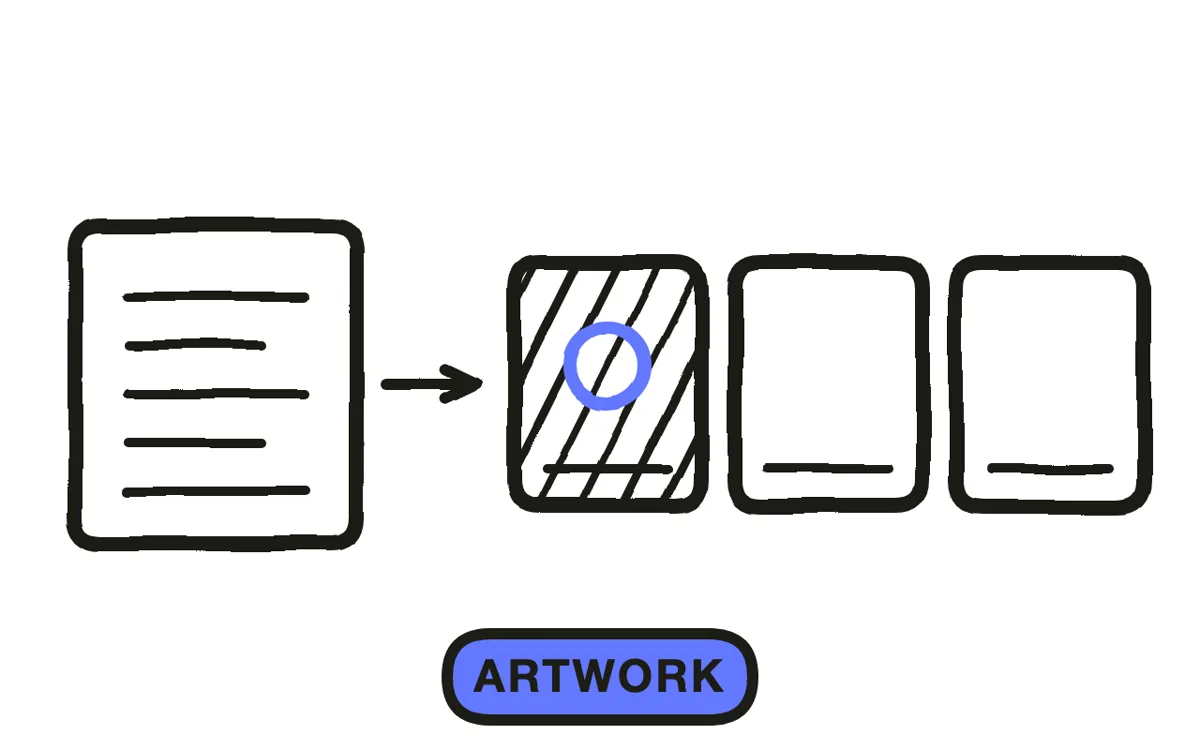
Show artwork that represents what someone will actually get. For a generative collection that means a spread across the range, not a montage of the six best pieces, because the gap between the promotional selection and the average mint is what turns a launch into a complaint thread within hours.
If traits and rarity are part of the design, show the structure rather than implying scarcity that does not exist. A trait breakdown on screen is more persuasive to this audience than any adjective, and it is checkable, which is the point.
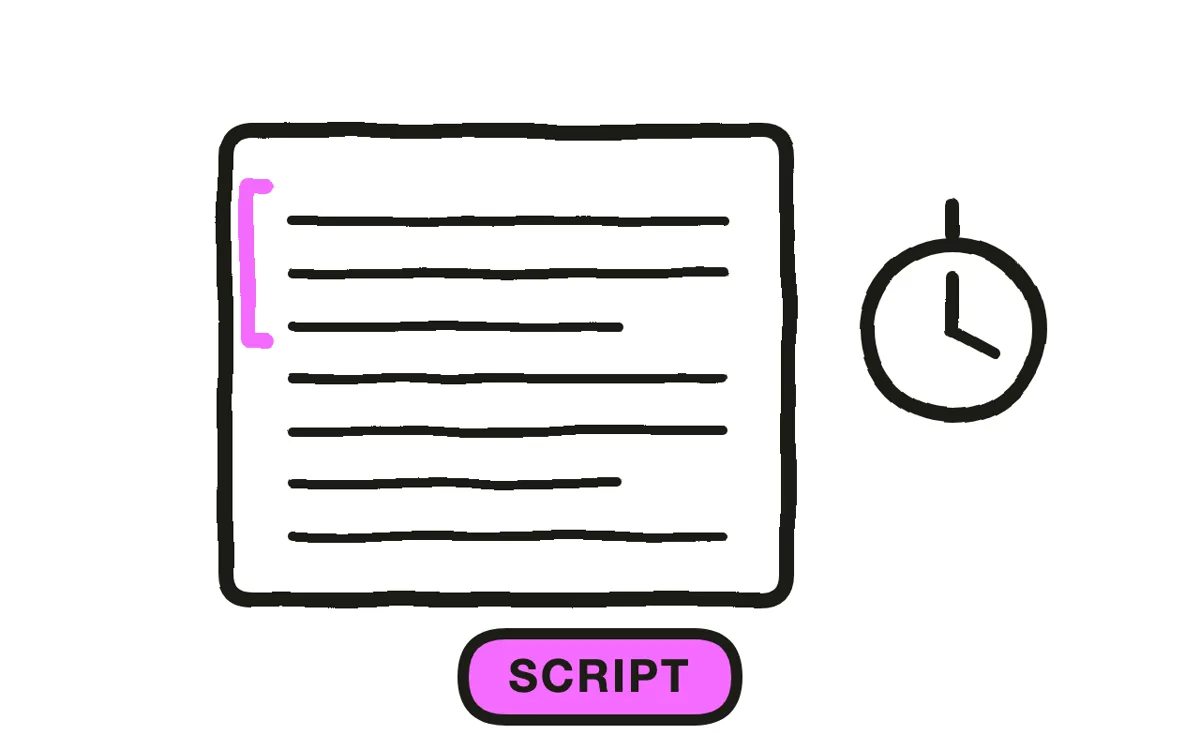
Step 3: Script without promotional language
This audience recognises promotional cadence instantly and discounts everything after it. Write the way you would explain the project to someone in a Discord voice channel: what it is, who made it, what the art is, when it mints.
Leave out price predictions, expected returns, and comparisons to how past collections performed. Those are the fastest route to losing credibility and, depending on your jurisdiction, can carry real legal exposure. Only commit to roadmap items that exist or are genuinely funded, because a roadmap stated in a launch video becomes what holders hold you to.
Step 4: Produce motion from static art
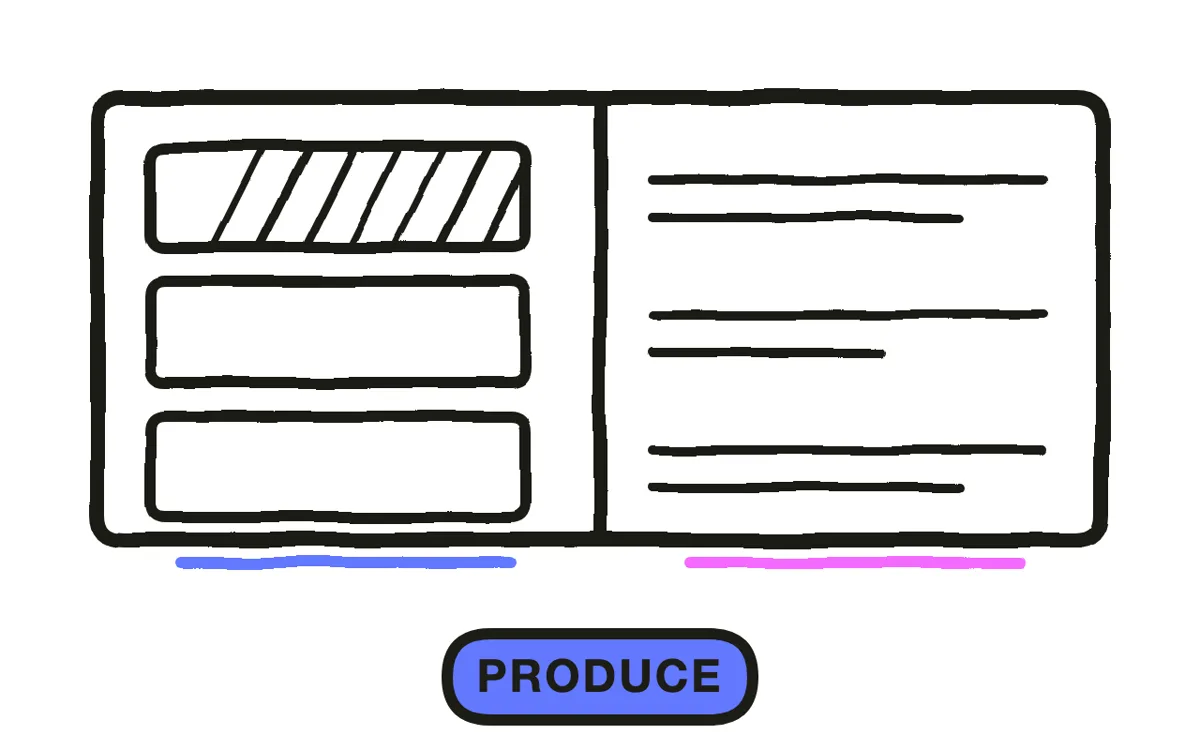
The collection exists as still images, which is why so many NFT launch videos are a slow zoom over a grid with a synth track under it.
Pexo's image-to-video workflow animates the actual pieces so the art in the video is the art in the collection, rather than an illustrator's impression of it. Text-to-video builds the surrounding context and the trait breakdown sequences. Keep it to fifteen to thirty seconds for social, up to sixty for a pinned post where people have already opted in.
Step 5: Time it to the community
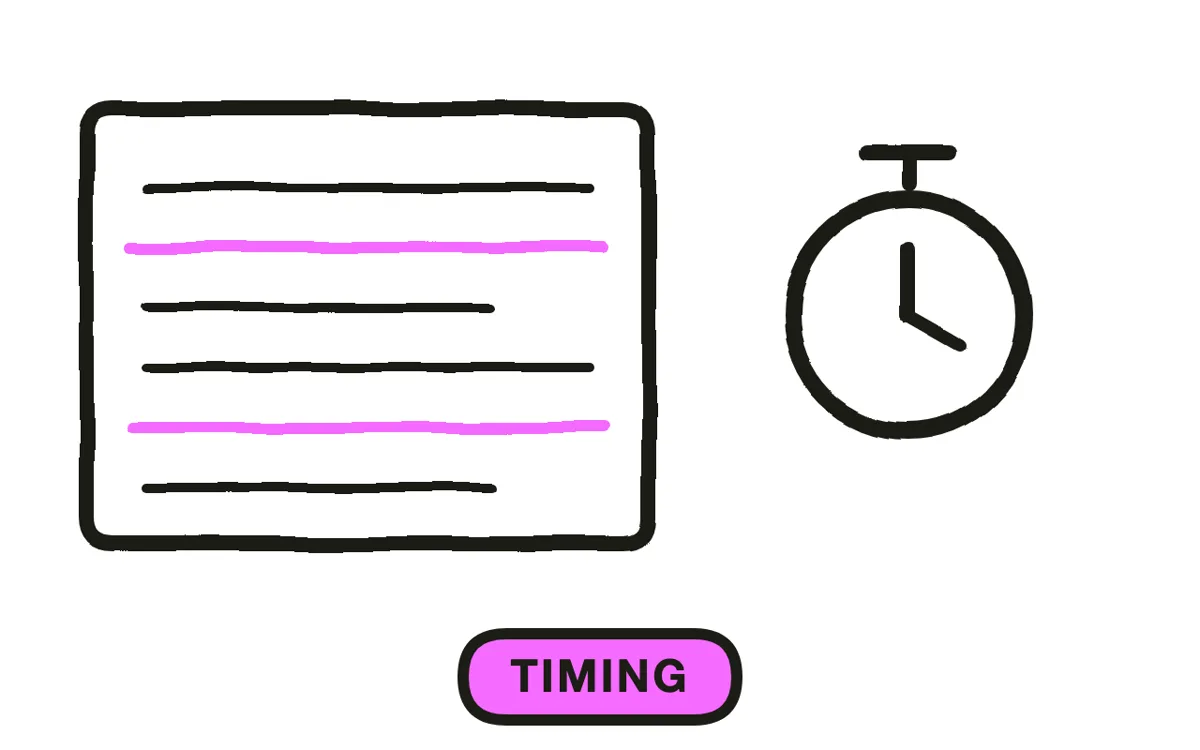
Post to X and the project's own Discord or Telegram on the community's rhythm rather than a general content schedule. Broad paid social reaches an audience that is not minting anything, and spends the budget proving it.
Run it more than once: an announcement post, a reminder as the window approaches, and one at open. Export 1:1 and 16:9 for X, where most of this audience is, plus 9:16 for Stories and Reels. Pexo exports every ratio from one project.
How to Make an NFT Launch Video with Pexo
The five steps above work with any tool. Pexo handles step 4 in a single conversation, which is where a collection of stills becomes something that moves.
Open the NFT launch video page, upload a representative spread of the collection, and describe the piece: "A 25-second square NFT launch, mint details on screen from second one, the uploaded pieces animating in a grid then one filling frame, trait breakdown at 15 seconds, restrained electronic bed, ending on the mint date." Pexo animates the real artwork and exports each ratio.
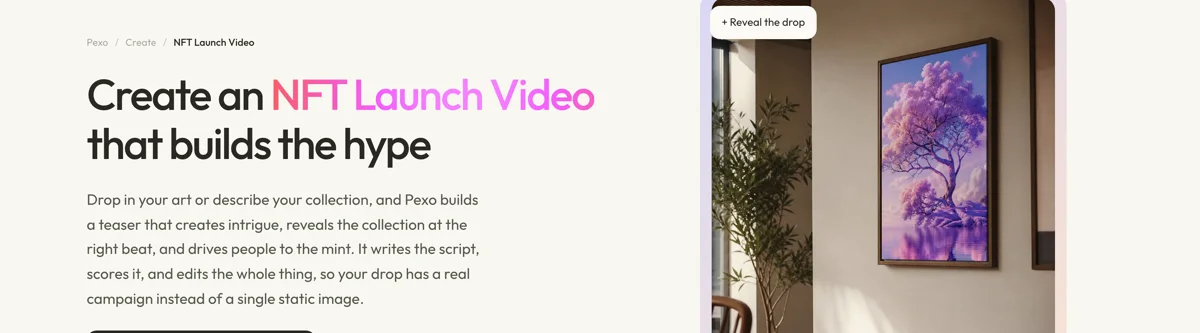
Ask for the reminder cut in the same conversation and Pexo rebuilds it with the updated countdown while keeping the artwork identical.
For related formats, the coming soon video page covers pre-announcement and product reveal video covers reveal moments generally.
This article describes production practice. It is not financial or legal advice, and claims about digital assets are regulated differently by jurisdiction.
5 Mistakes That Get an NFT Launch Video Dismissed
1. Hiding the mint details. Withholding reads as evasive to an audience that has seen a lot of vagueness.
2. Showing only the best pieces. The gap against the average mint becomes a complaint thread within hours.
3. Price or return talk. It costs credibility immediately and can carry real legal exposure.
4. Roadmap you have not funded. Stated in a launch video, it becomes what holders hold you to.
5. Explaining what an NFT is. The people who mint already know, and it signals you are aiming elsewhere.
Related Tutorials
- How to make a coming soon video for pre-announcement
- How to make a sneak peek video for community build-up
- How to make a launch trailer for release-day structure
- How to make a brand launch video for introducing the project behind it