

 ChatGPT
 Perplexity
 Claude
 Gemini
 Grok
Grok



How to Make a Brand Launch Video
UPDATED: 2026-08-16 By Lan He, Senior Video Producer at Pexo
Making a brand launch video takes five steps: name the belief you are launching, place the name moment, script without features, produce a look later work inherits, then roll it out. A brand launch video takes about 25 minutes to produce.
Quick Version: How to Make a Brand Launch Video
- Name the belief, not the company.
- Place the name after the idea, never before it.
- Script without features, pricing, or a hard call to action.
- Produce a look the next twelve months can inherit.
- Roll out across launch week and measure branded search.
How to Make a Brand Launch Video Step by Step
Step 1: Name the belief
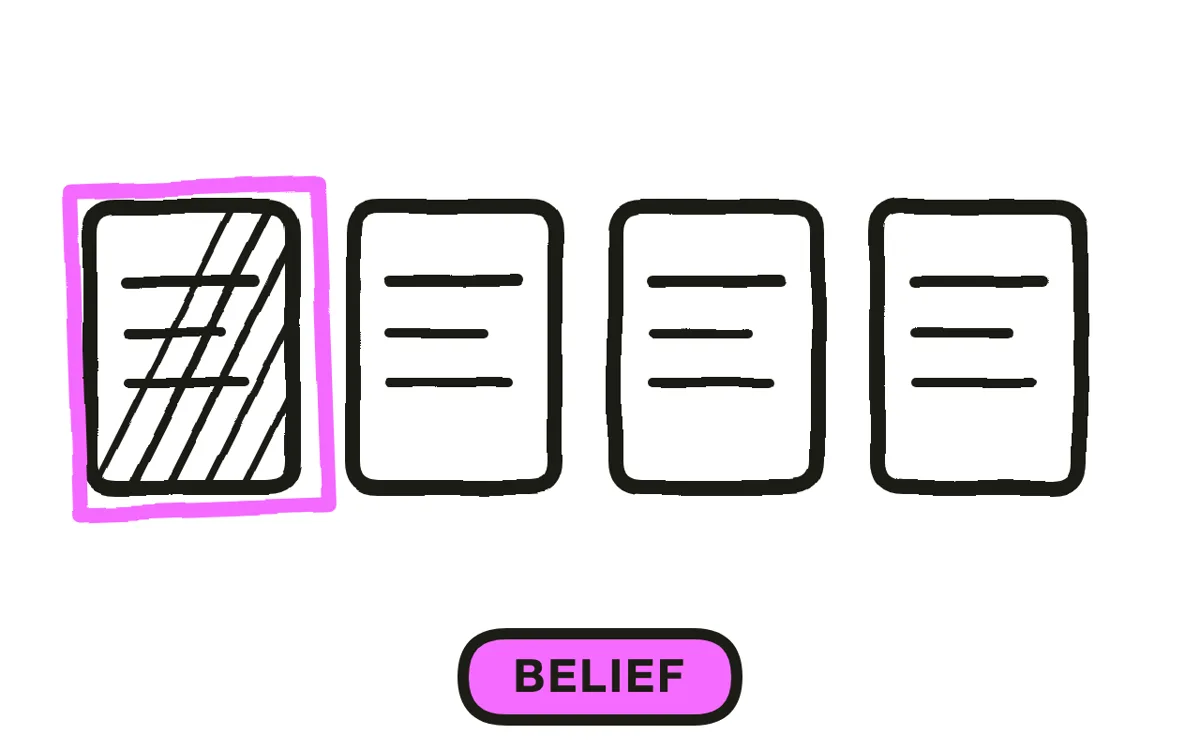
A brand launch video launches a position, not a product. Write the one belief the company exists to act on: that this category has been unnecessarily difficult, that people were sold the wrong thing, that something everyone tolerates should not be tolerated.
This is uncomfortable because it removes every prop you would normally use. There is no interface to show, no before and after, no feature that proves anything. What is left is whether the belief is specific enough that someone could disagree with it. A belief nobody could disagree with is a slogan, and slogans do not launch brands.
Step 2: Place the name moment
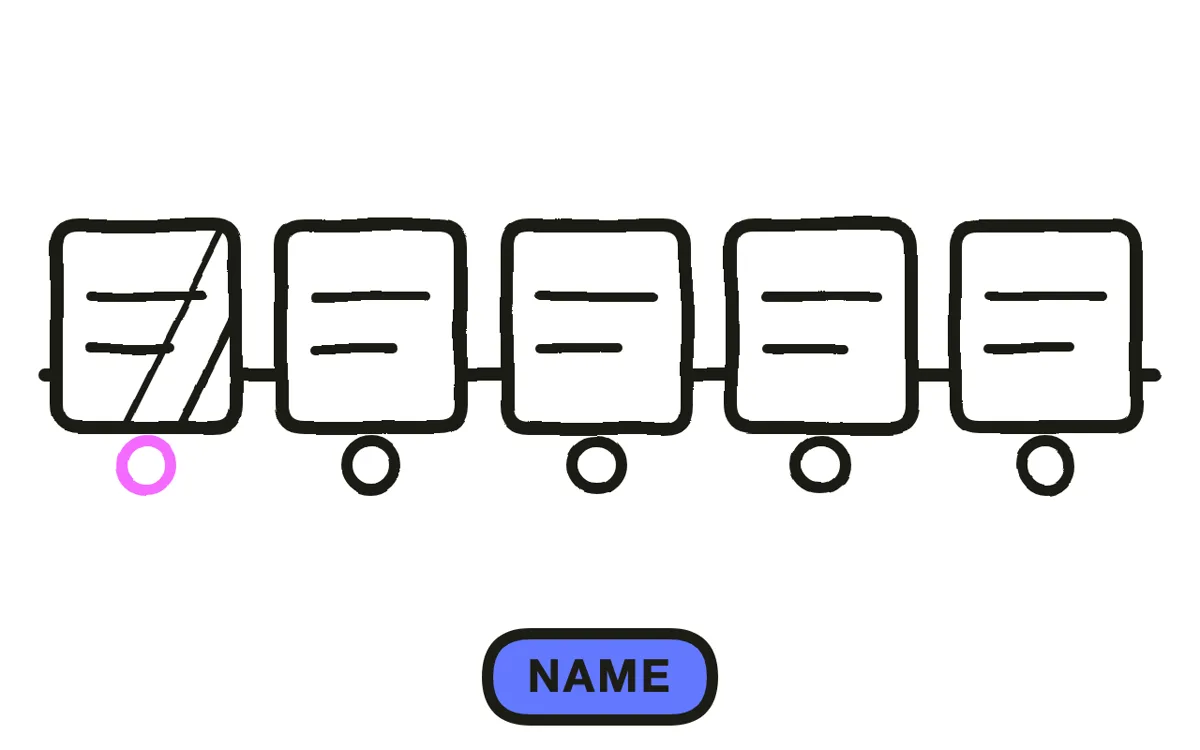
Put the name after the idea. A name shown in the first three seconds is a logo reveal with nothing behind it, and the viewer has no reason to store it. A name shown once they already agree with something attaches to that agreement, which is the only mechanism this format has.
For a rebrand, add one line that says the old name out loud and confirms it is the same company. Skipping that is why rebrands spend months answering the same question in comments, and one sentence costs you nothing.
Step 3: Script without features
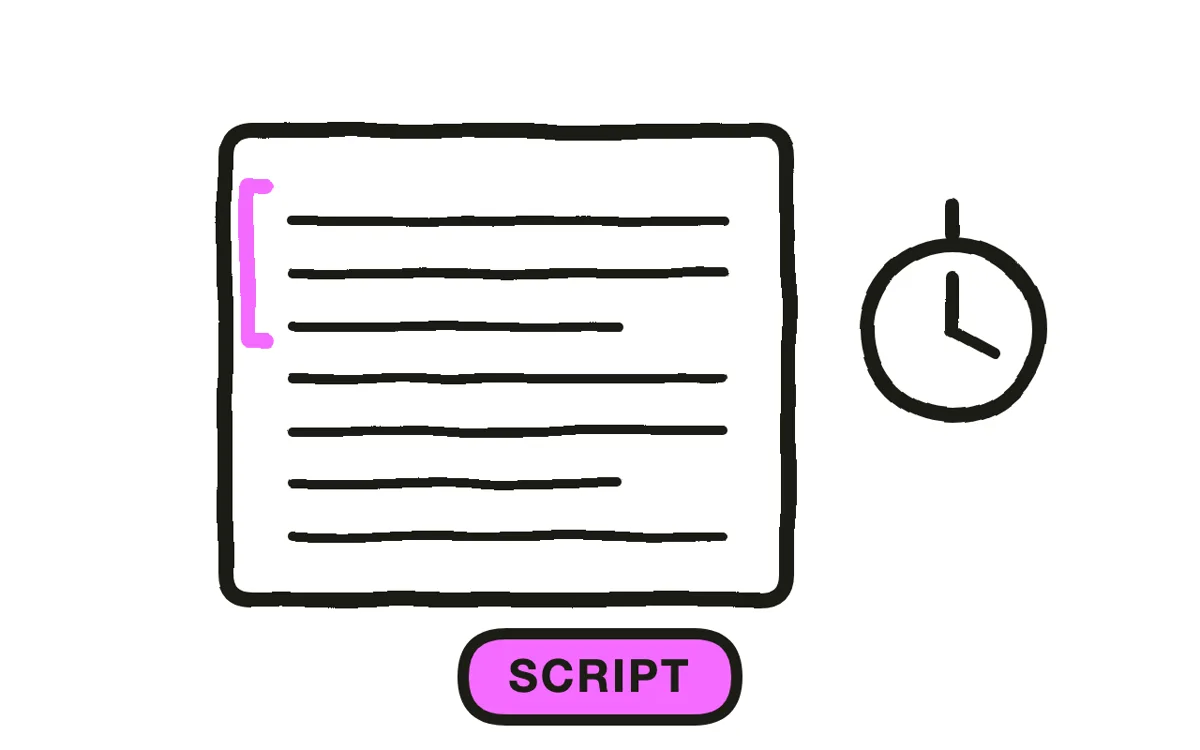
Cut every feature, every price, and every hard call to action. All three convert a brand launch into a weak product launch, and none are what a new name needs on day one. What replaces them is specificity of observation: the exact situation your belief is about, rendered concretely enough that the viewer recognises it.
Write thirty to sixty seconds and expect very few words for that length. Held shots and a line landing late do work dialogue cannot. If the script reads like a well-argued case, you have written a product launch that has not admitted it yet.
Step 4: Produce a look you can inherit
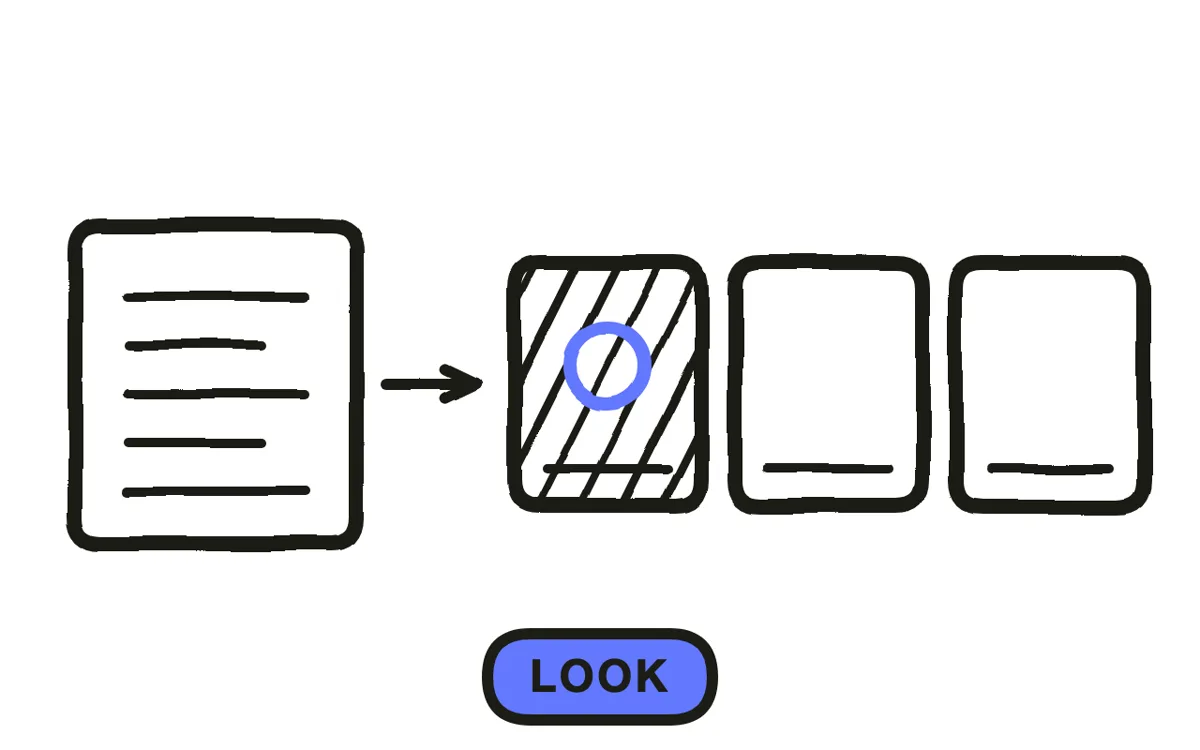
Whatever this video looks like becomes what your brand looks like. Palette, pace, framing and grain all get inherited by the next twelve months of work, so choose them as a system rather than for one film.
Pexo's text-to-video workflow generates scenes from a description, and Creative Memory holds that look across later pieces, so the second and third video still read as the same brand. That continuity matters more here than in any other format, because a brand nobody recognises twice has not launched.
Step 5: Roll out and measure
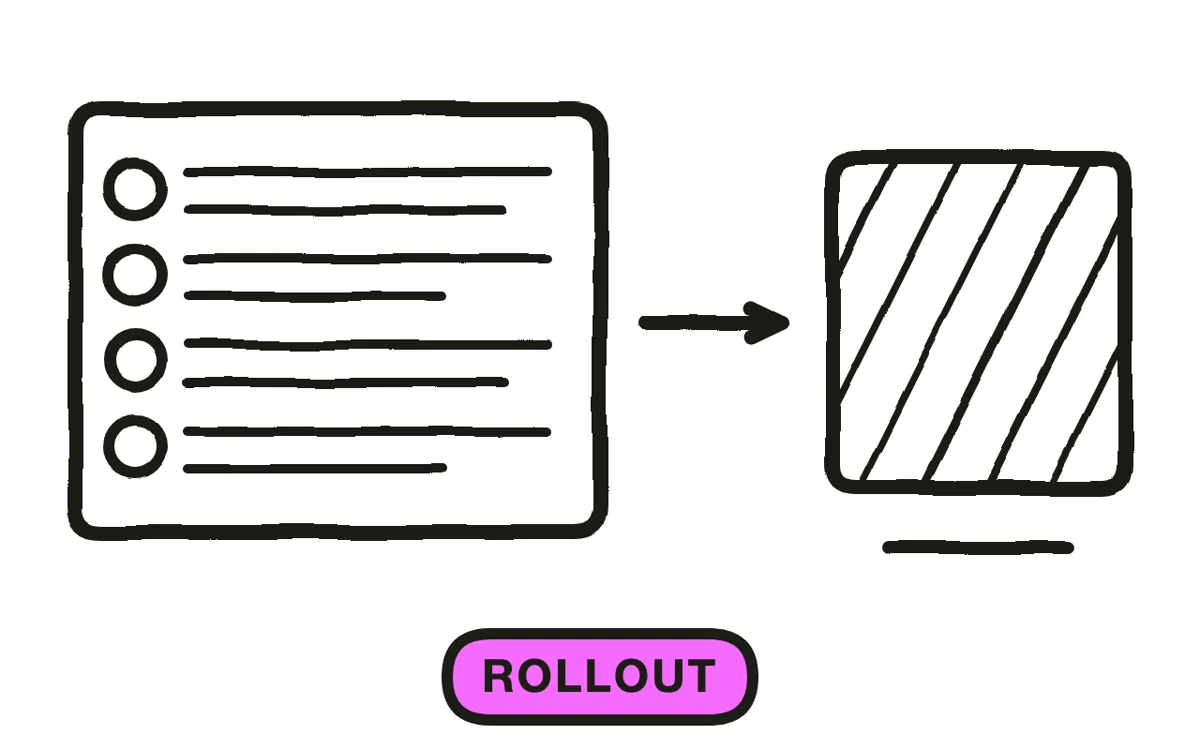
Sequence the week rather than posting once. The video goes out first, then the pieces that explain what you actually sell. Reversing that order buries the launch under product detail nobody asked for yet.
Export 16:9 for the site, YouTube and press, and recompose to 9:16 and 1:1 for social rather than cropping, since composition carries more weight here than in performance work. Pexo exports each ratio from one project. Measure branded search volume, direct traffic, and whether people start using your language back at you. Click-through tells you almost nothing when there is nothing to buy yet.
How to Make a Brand Launch Video with Pexo
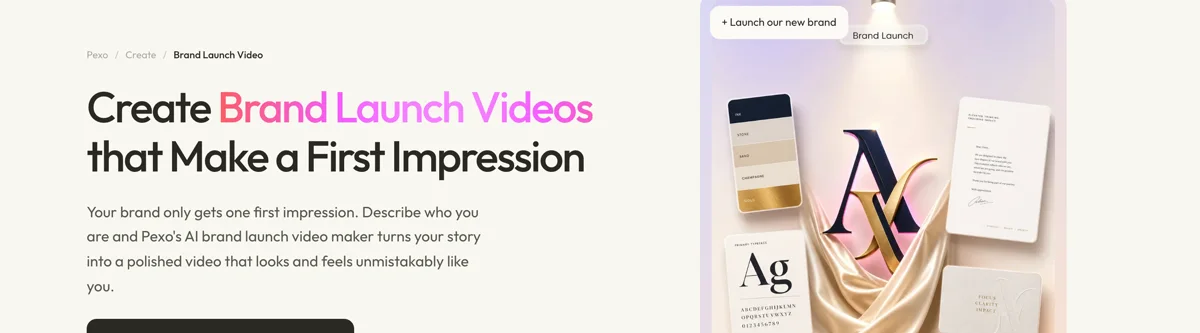
The five steps above work with any tool. Pexo handles step 4 in a single conversation, and holding one look across everything that follows is what turns a launch into a brand.
Open the brand launch video page and describe the piece: "A 45-second brand launch about the belief that paperwork should not decide who gets help, muted daylight, four held shots of ordinary counters and waiting rooms, one line of text at 34 seconds, name card at 40, sparse strings." Pexo generates the scenes, composes the score, and exports every ratio.
Describe the next film in the same conversation and Pexo keeps the palette and pace, which is how launch week reads as one voice rather than three separate videos.
For related formats, the brand ad page covers ongoing brand work and business launch video covers opening a new operation.
5 Mistakes That Make a Brand Launch Forgettable
1. Leading with the logo. A name shown before the idea is stored by nobody. Earn the agreement first.
2. A belief nobody could disagree with. That is a slogan. If it suits any competitor, it launches the category, not you.
3. Adding features or pricing. All three of features, price and a hard CTA turn it into a weak product launch.
4. Treating the look as one film's problem. It becomes your brand's look for a year. Choose it as a system.
5. Rebranding without naming the old name. One sentence saves months of answering the same comment.
Related Tutorials
- How to make a brand ad for ongoing brand work
- How to make a business launch video for opening a new operation
- How to make a startup launch video for a founding story
- How to make a product launch video for the product that follows