
 ChatGPT
 Perplexity
 Claude
 Gemini
 Grok
Grok

How to Make a Franchise Training Video
UPDATED: 2026-08-10 By Lan He, Senior Video Producer at Pexo
Making a franchise training video takes six steps: separate what must be identical, script for varied sites, produce location-neutral footage, localise, roll out with tracking, then version it. A franchise training video takes about 30 minutes to produce once the content is approved.
Quick Version: How to Make a Franchise Training Video
- Separate brand-mandatory content from site-specific procedure.
- Script the standard and its reason, not one location's layout.
- Produce footage that does not tie training to a flagship site.
- Localise by language and by jurisdiction.
- Roll out through a central system with per-location reporting.
- Version every module, since sites will run different ones.
How to Make a Franchise Training Video Step by Step
Step 1: Separate what must be identical
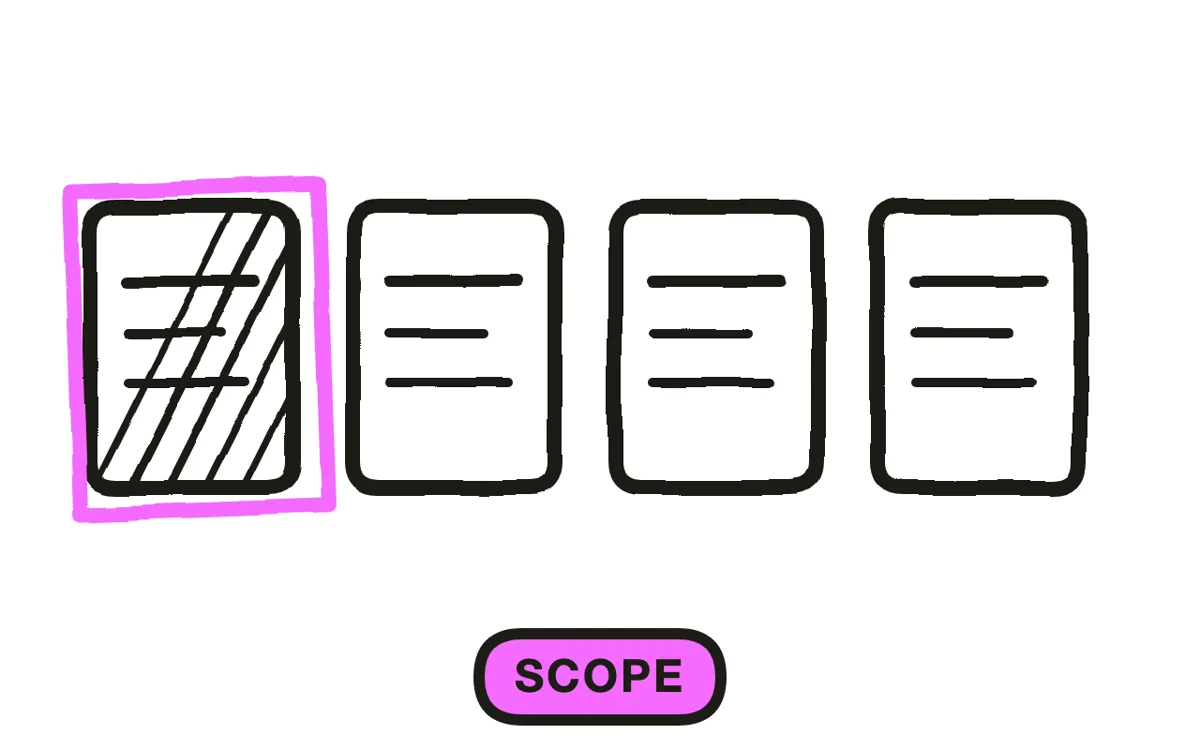
Central training should cover only what has to be the same everywhere: brand standards, the customer-facing script, product or food safety, anything carrying legal exposure. That is a much shorter list than most franchisors start with.
Everything else belongs to the operator. Central videos that reach into local procedure get ignored, and worse, they teach franchisees that the central library is not worth checking, which costs you attention on the parts that genuinely matter.
Step 2: Script the standard and its reason
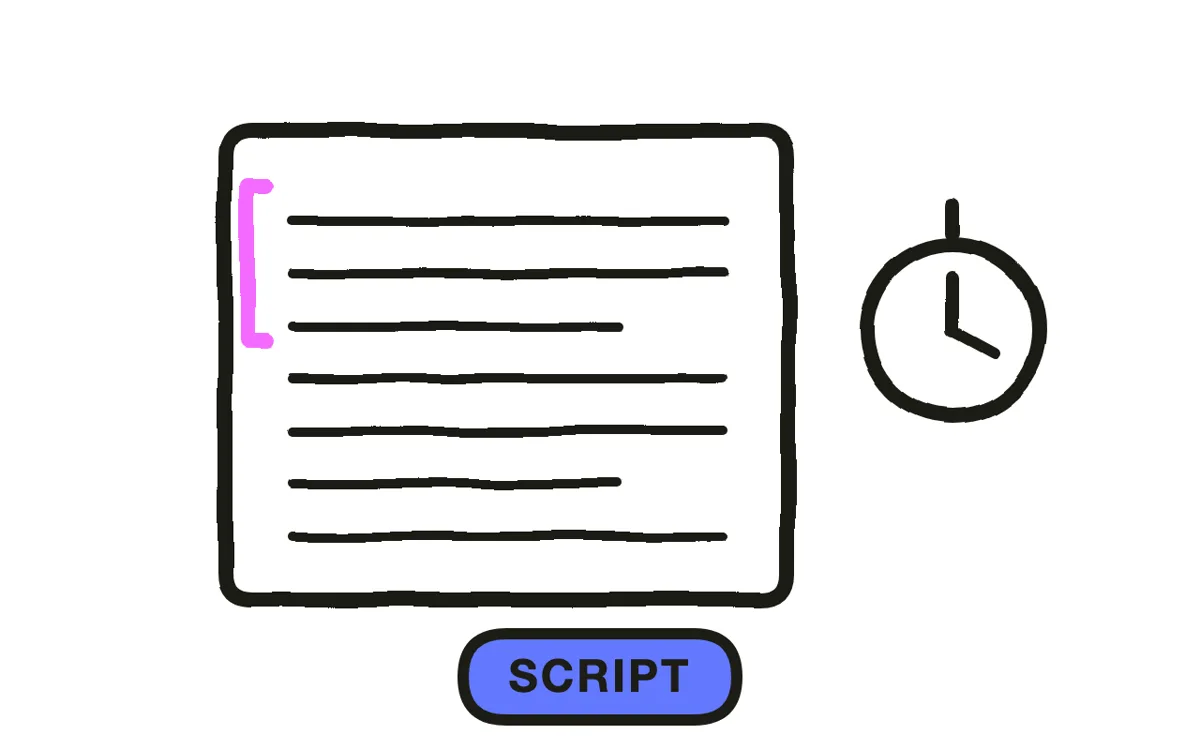
Write the standard, then why it exists. Franchise staff do not report to you, so compliance rests on the instruction making sense rather than on authority, and "because head office says" is the fastest way to lose a room you are not in.
Keep each module to three to five minutes on one topic. Turnover in franchised roles is high and training happens during shifts, so a library of short modules gets used while a long induction film gets scheduled and skipped.
Step 3: Produce location-neutral footage
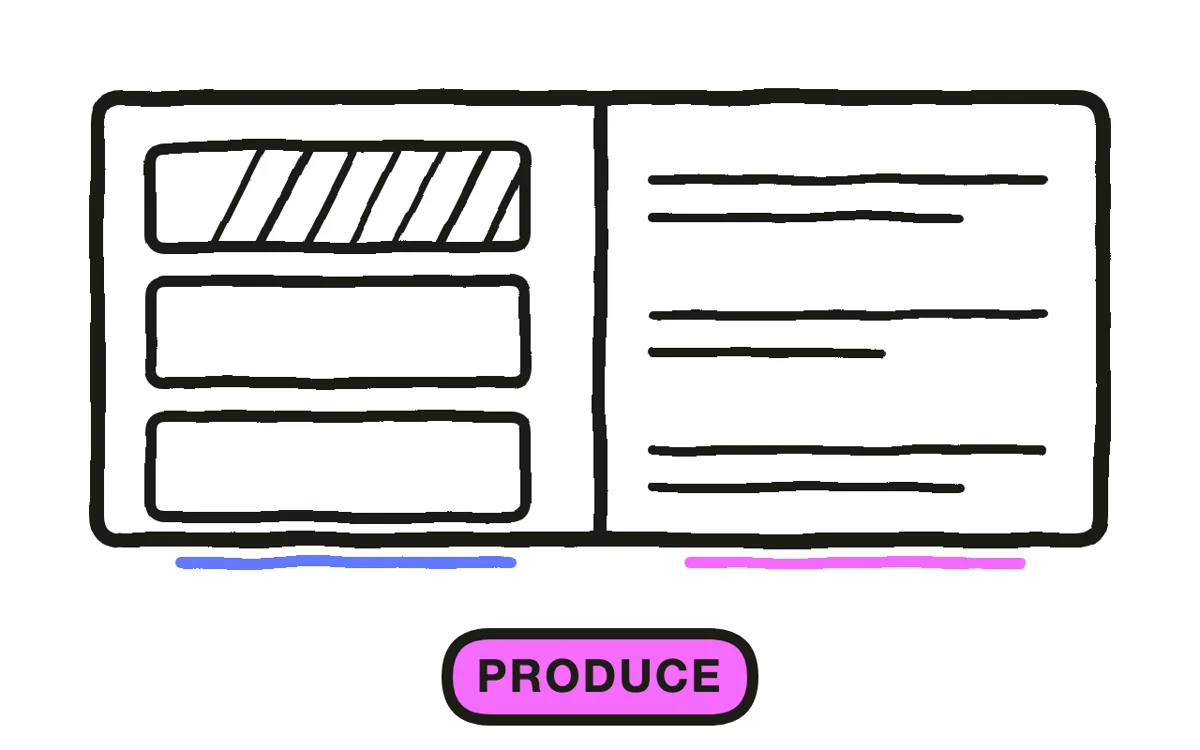
Filming in a flagship location is the standard mistake. Staff at a smaller or older site watch a video shot in a store nothing like theirs and correctly conclude the training was not made for them, which is where quiet non-compliance begins.
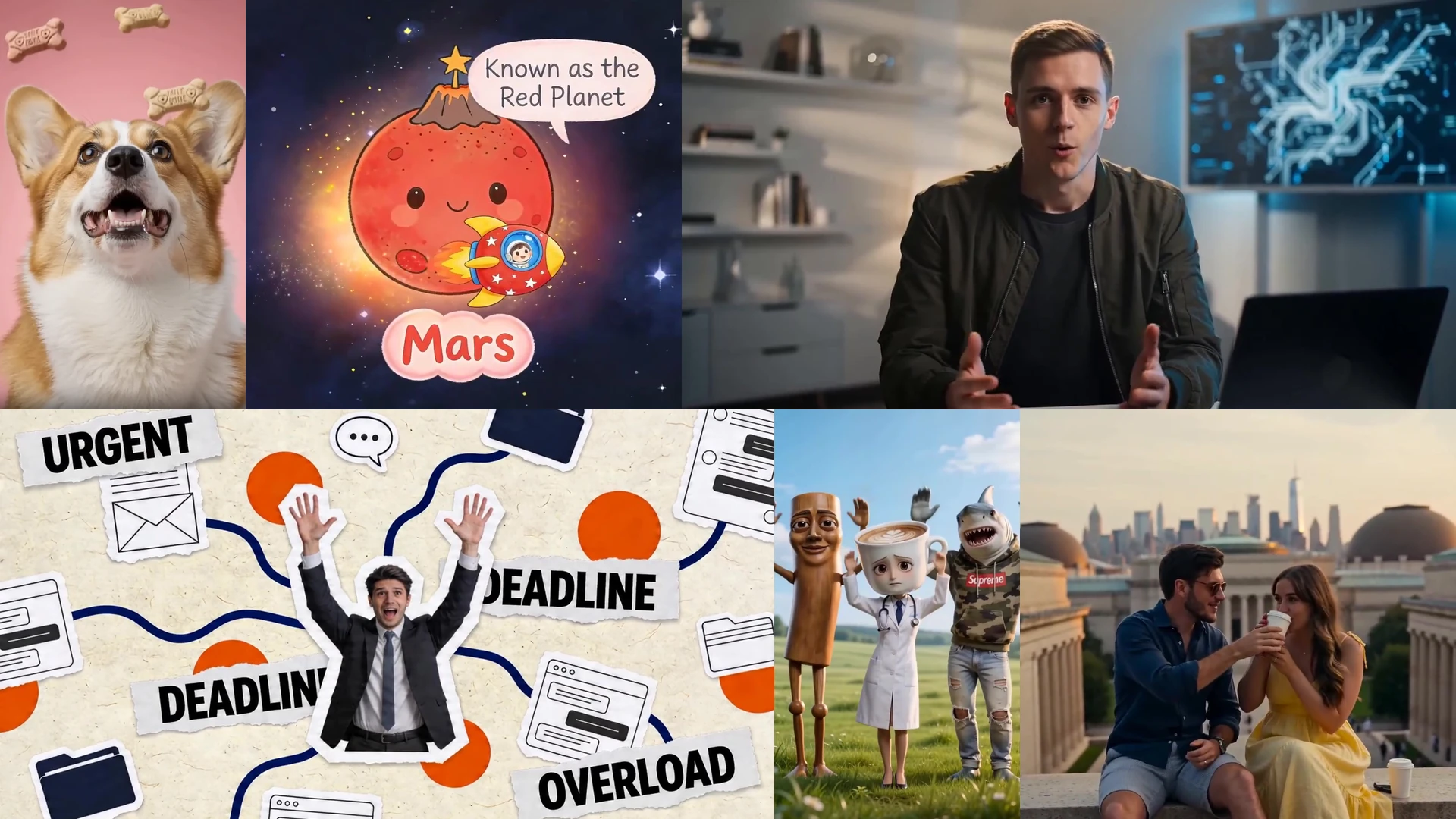
Pexo's text-to-video workflow generates scenes and presenters from a description, so a demonstration can show the standard without anchoring it to one site's layout. Hyperframe holds the same presenter across the library, which matters when a network watches modules over several years.
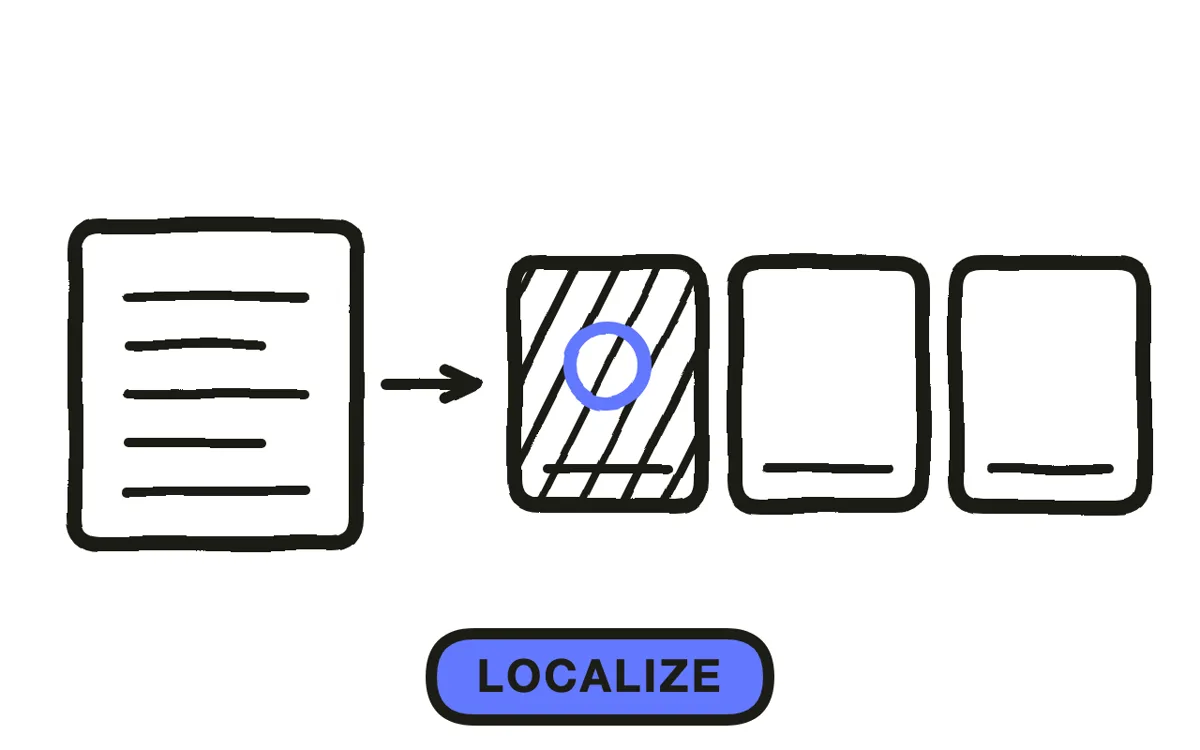
Step 4: Localise by language and jurisdiction
Generate narration per language against the same visuals. A franchise network usually spans languages long before it spans continents, and content someone half-follows is a compliance gap rather than a translation backlog.
Gate legally sensitive modules by territory. Employment rules, food handling requirements, and consumer obligations differ by jurisdiction, so a single global version of that content is usually wrong somewhere, and being wrong centrally is worse than leaving it local. Pexo generates narration in multiple languages from one project.
Step 5: Roll out with tracking
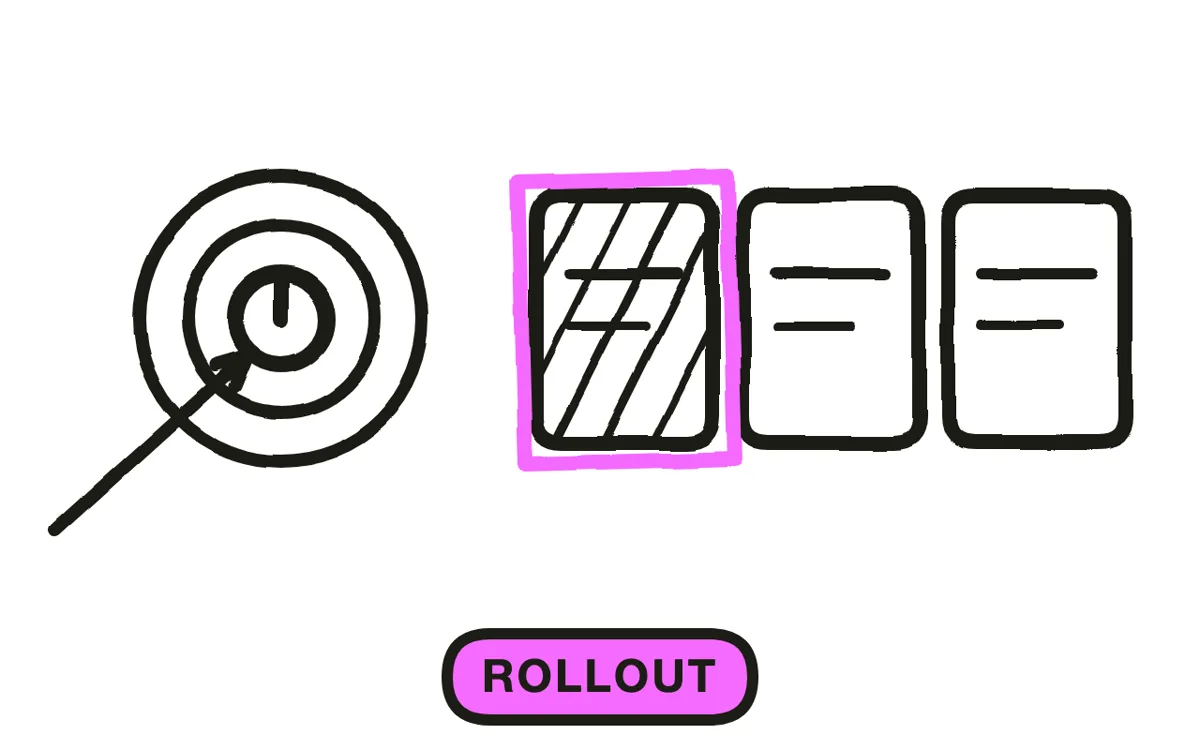
Distribute through a central system with per-location reporting, and make that reporting a term of the franchise agreement. Without contractual footing you are asking independent operators for records they have no obligation to produce, and most will not.
Let operators add their own layer on top. Central owns the standard, the operator owns local procedure, and keeping them separate means either side can update without waiting for the other. Merged libraries go stale as soon as one party stops maintaining their part.
Step 6: Version every module
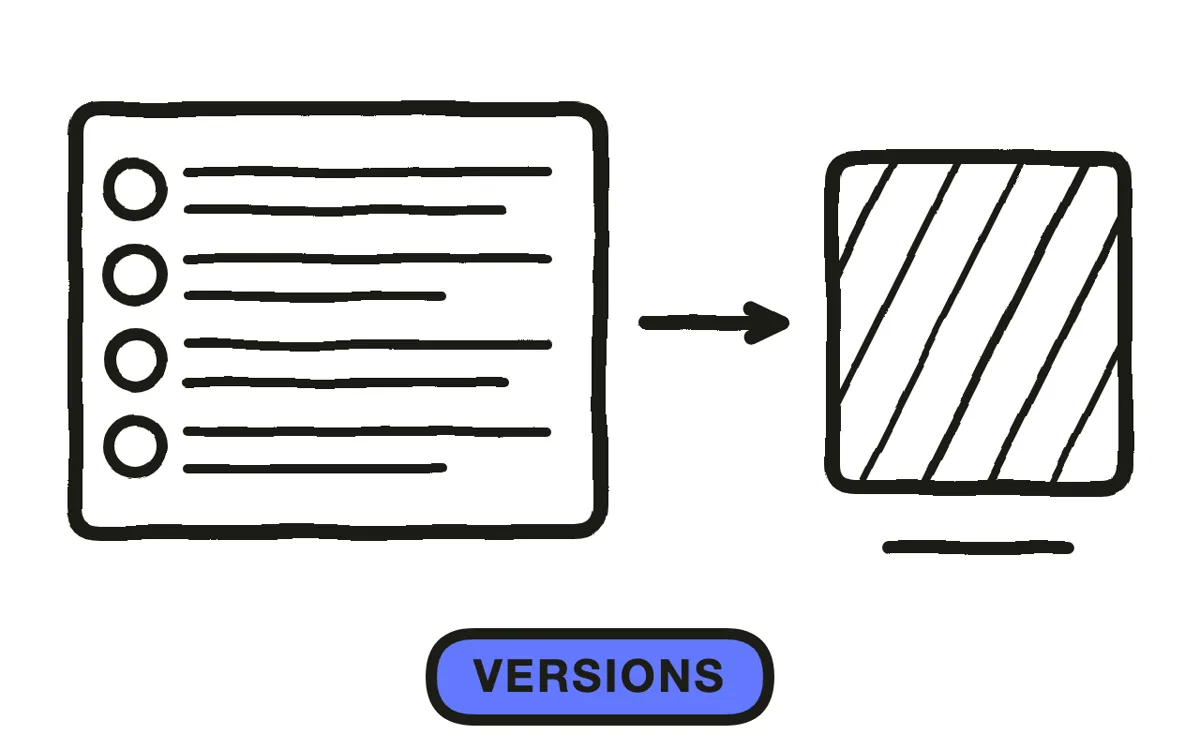
Date and number every module. In a franchise network different locations will be running different versions at any given moment, so "the current video" is not a meaningful reference and an undated library cannot answer which standard a given site was taught.
Export 16:9 at 1080p with captions for the LMS. Pexo exports up to 4K, and regenerating one scene from a description is what makes updating a standard across a whole library cheap enough to do promptly rather than at the annual review.
How to Make a Franchise Training Video with Pexo
The six steps above work with any production method. Pexo handles step 3 in a single conversation, which solves the flagship-location problem that makes filmed franchise training age badly.
Open the training video page and describe the piece: "A 4-minute franchise training module on the customer greeting standard, generic store interior not tied to one layout, generated presenter, demonstration of the greeting with the reason behind each part, warm plain-spoken narration." Pexo generates the scenes, records the narration, and exports every language you need.
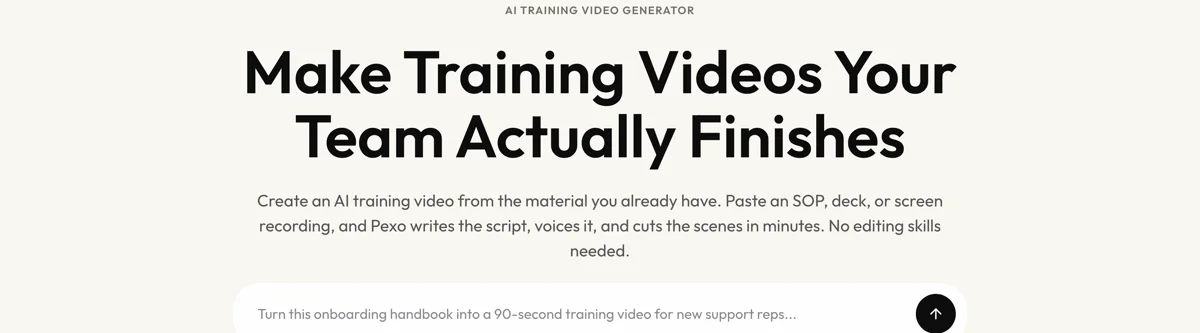
Adjust any scene by describing the change in the chat, and Pexo regenerates that scene alone, which is what makes a standard change propagate in an afternoon instead of a quarter.
For related formats, the onboarding video page covers new-hire content and educational video covers knowledge transfer.
This article describes production practice. It is not legal advice, and franchise training obligations should be reviewed against your franchise agreements and local law.
5 Mistakes That Make Franchisees Ignore Central Training
1. Reaching into local procedure. It teaches operators the central library is not worth checking, costing attention on what matters.
2. Filming in the flagship. Staff at a different site conclude the training was not made for them, and act accordingly.
3. Stating standards without reasons. The audience does not report to you, so authority is not available as an argument.
4. One global version of legal content. Rules differ by territory, and being wrong centrally is worse than leaving it local.
5. No version dates. Different sites run different versions, so "the current video" answers nothing.
Related Tutorials
- How to make an employee training video for general workplace skills
- How to make a compliance training video for mandatory policy training
- How to make a SOP video for documented procedures
- How to make a training video for the broader format