
 ChatGPT
 Perplexity
 Claude
 Gemini
 Grok
Grok

How to Make a YouTube Intro
UPDATED: 2026-08-05 By Lan He, Senior Video Producer at Pexo
Making a YouTube intro takes six steps: decide whether the channel needs one, hold it to three to five seconds, choose two or three brand elements, animate or generate it, add an audio sting, then export at channel specs. A YouTube intro takes about 15 minutes and is reused across every video.
Quick Version: How to Make a YouTube Intro
- Decide whether the channel actually needs an intro.
- Hold it to three to five seconds.
- Choose two or three brand elements, no more.
- Animate the sequence or generate it.
- Add a distinctive audio sting.
- Export at 1920x1080 matching your videos' frame rate.
How to Make a YouTube Intro Step by Step
Step 1: Decide whether you need an intro
Ask what the intro does for the channel. It builds recognition across many videos, which matters for a channel publishing regularly to a returning audience. It does nothing for a channel with a handful of videos found through search.
Weigh it against the retention cost. Every second before the content is a second in the window YouTube uses to judge early retention, and audience retention graphs frequently show a measurable dip across an intro. Many large channels removed theirs for this reason. If the channel needs identity, keep the intro and keep it short.
Step 2: Hold it to three to five seconds
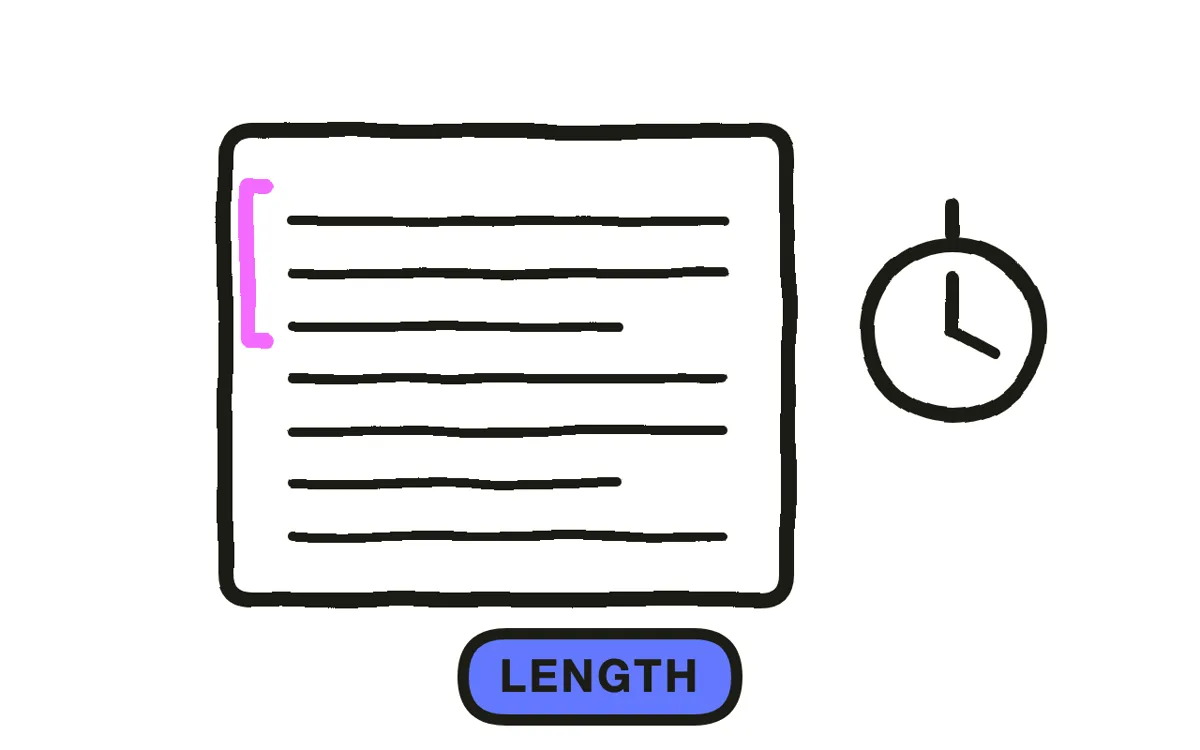
Set the length before designing anything. Three to five seconds is the working limit, and treating it as a hard constraint produces a better intro than designing something longer and trimming it.
Place it after the hook rather than at the very start. Open the video with 10 to 20 seconds establishing what the viewer will get, then play the intro once they have decided to stay. An intro in the first frame asks for brand loyalty from someone who does not yet know what the video is.
Step 3: Choose two or three brand elements
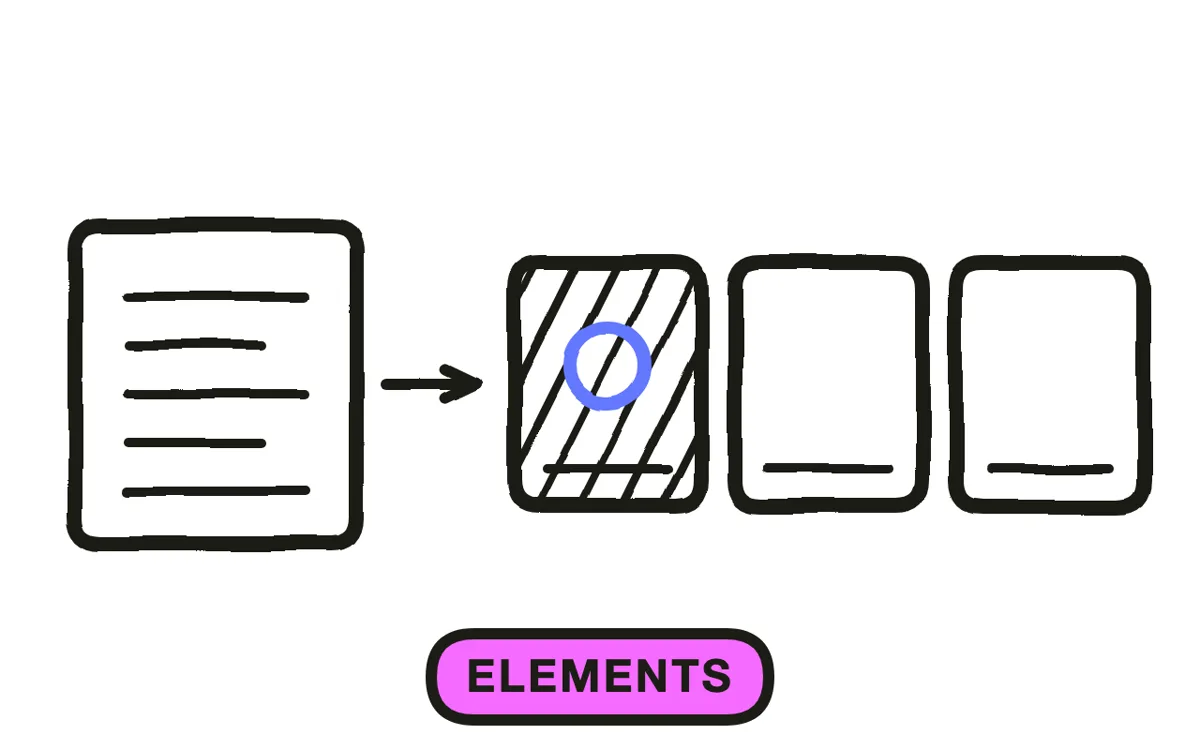
Pick the channel name plus one or two visual elements: a logo, a signature colour, or a recurring motion. Three seconds holds two ideas comfortably and three at a push.
Leave out taglines, social handles, and subscribe prompts. Every additional element competes for the same three seconds, and an intro carrying five messages delivers none. Social handles belong in the description; the subscribe prompt belongs in the end screen where YouTube provides a clickable element for it.
Step 4: Animate or generate the sequence
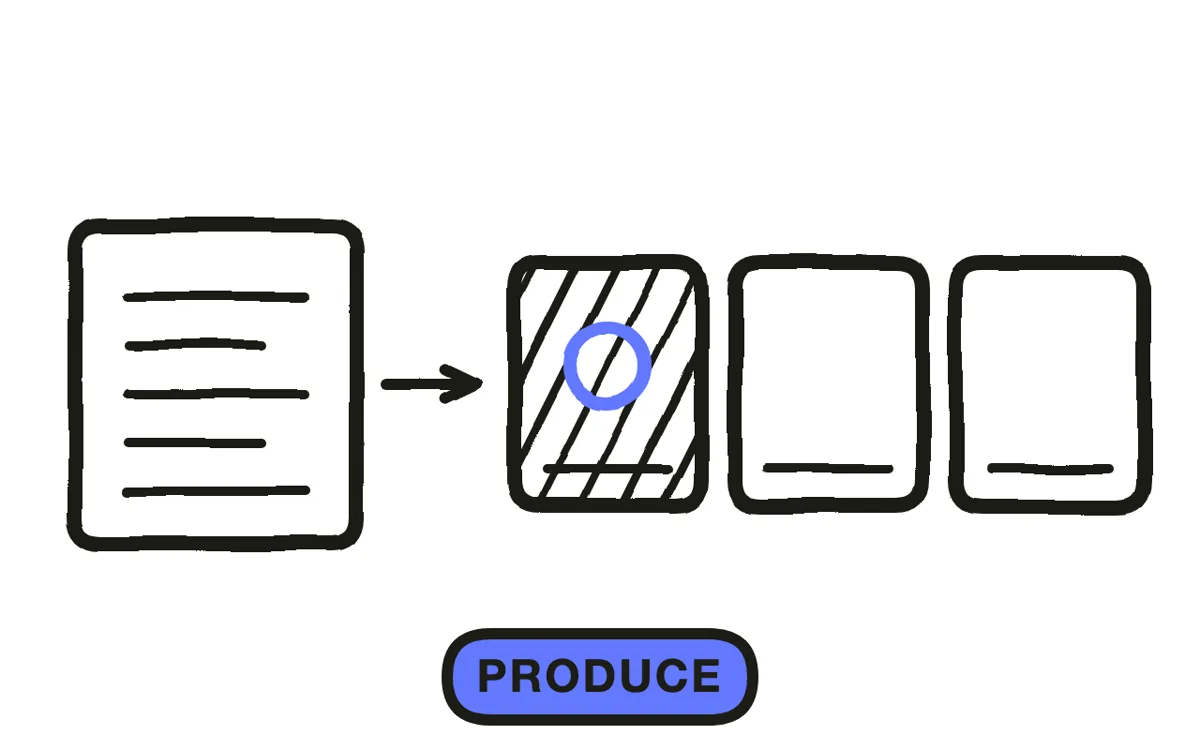
Two paths work. The manual path builds the sequence in After Effects or a template tool such as Canva or CapCut. Templates are fast, with the tradeoff that a template intro is recognizable as one, which undercuts the identity it exists to build.
Pexo's text-to-video workflow generates an intro from a description of the channel and its tone. Upload the logo and image-to-video conversion animates it within the sequence, with Hyperframe keeping the mark exact rather than approximated, which matters when the same three seconds play on every video.
Step 5: Add the audio sting
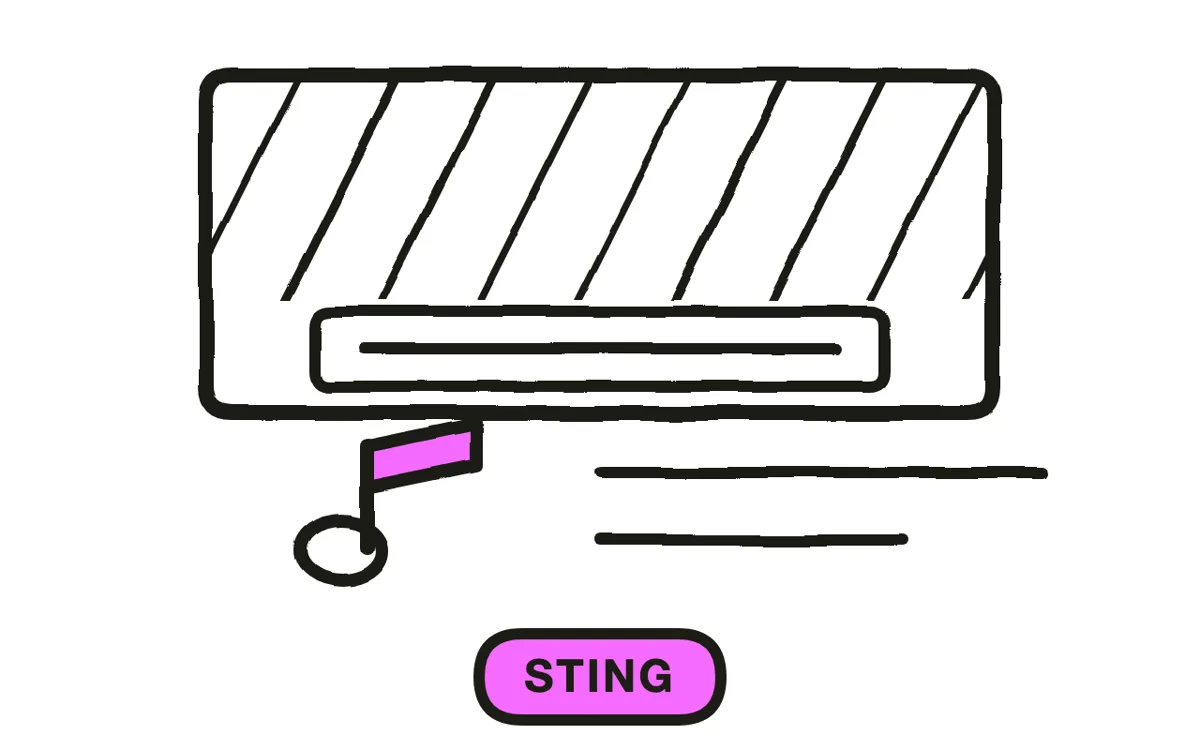
Write or choose a two to three second audio sting. Sound is what makes an intro recognizable: a returning viewer identifies a channel from its sting before the picture registers, which is why broadcast identities have been built on sound for decades.
Keep it simple and distinctive rather than complex. Three notes, a single chord, or a percussive figure works better than a phrase of music. Make sure it resolves rather than cutting off, since an unresolved sting reads as an editing error. Pexo composes an original sting matched to the visual timing.
Step 6: Export at channel specs
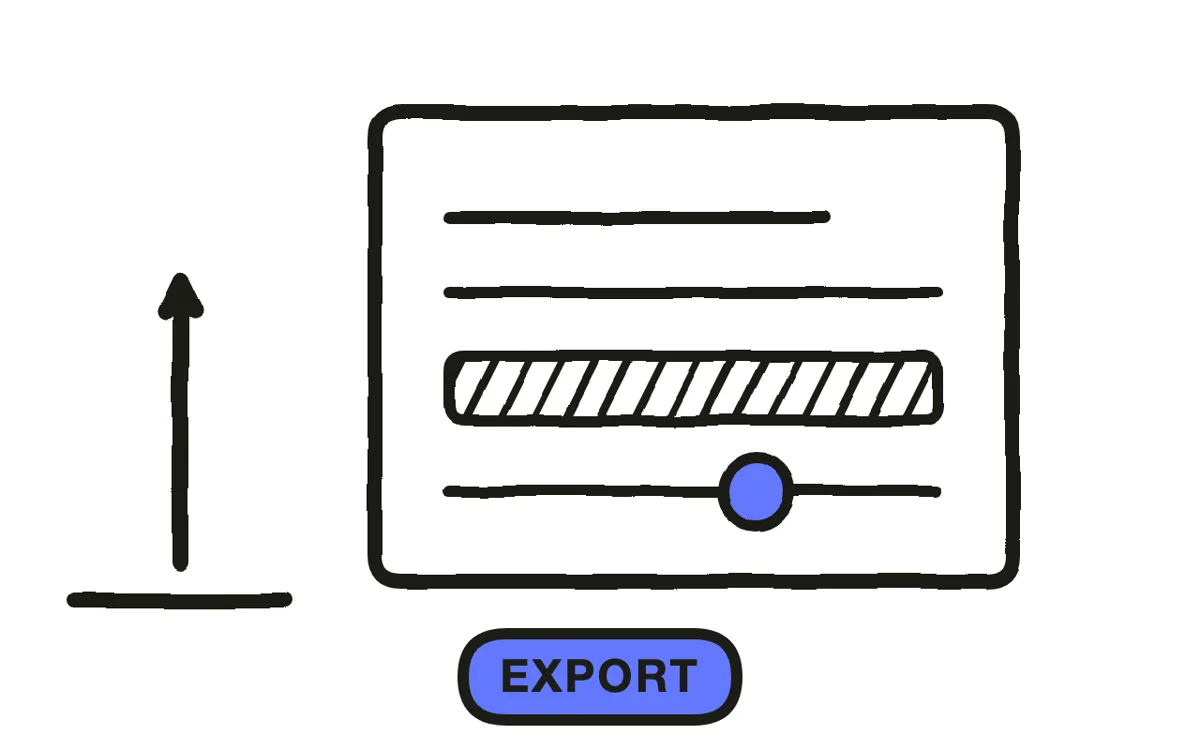
Export at 1920x1080 or higher, at the same frame rate as your videos. A frame rate mismatch between a 30fps intro and 60fps body footage produces a visible stutter exactly at the join, which is a common and avoidable error.
Pexo exports up to 4K. Save the file once and reuse it across every upload rather than regenerating it, since recognition depends on the intro being identical each time. Refresh it once a year at most.
How to Make a YouTube Intro with Pexo
The six steps above work with any tool. Pexo handles steps 4 through 6 in a single conversation, which is proportionate for an asset that is three seconds long and made once.
Open the YouTube intro page, upload the logo, and describe the channel: "A 4-second intro for a woodworking channel, warm wood tones, logo forming from sawdust motion, a low three-note sting." Pexo generates the sequence, animates the logo, and composes the sting.
Adjust the motion or timing by describing the change in the chat, and Pexo regenerates. The platform runs across Seedance 2.0, Kling AI, and more.
For related formats, the motion graphics page covers longer graphic sequences, and YouTube ad suits paid placements rather than channel identity.
5 Mistakes That Cost Watch Time
1. Running past five seconds. The intro sits in the window YouTube uses to judge retention. Every extra second is measured.
2. Placing it in the first frame. A viewer who has not decided to watch will not sit through branding. Hook first, intro second.
3. Carrying five messages. Name, tagline, handles, subscribe, and a logo in three seconds delivers none of them.
4. Changing it between videos. Recognition is repetition. A different intro each time is decoration, not identity.
5. Mismatching the frame rate. A 30fps intro against 60fps footage stutters at the join every single video.
Related Tutorials
- How to make motion graphics for longer graphic sequences
- How to make a YouTube ad for paid YouTube placements
- How to make a short video for Shorts content
- How to make a tutorial video for the videos an intro sits on top of