 ChatGPT
 Perplexity
 Claude
 Gemini
 Grok
Grok

How to Make a Micro Drama
UPDATED: 2026-08-05 By Lan He, Senior Video Producer at Pexo
Making a micro drama takes six steps: choose a high-concept premise, structure 60 to 120 second episodes, stage for vertical, produce the episodes with a consistent cast, place cliffhangers, then export in 9:16. A micro drama episode takes about 30 minutes when generated.
Quick Version: How to Make a Micro Drama
- Choose a high-concept premise with conflict in the first line.
- Structure each episode as 60 to 120 seconds ending on a turn.
- Stage every scene for a vertical frame, not a cropped horizontal one.
- Produce the episodes with a cast that stays identical across the series.
- Place a cliffhanger in the final five seconds of every episode.
- Export 9:16 at 1080x1920 for every platform.
How to Make a Micro Drama Step by Step
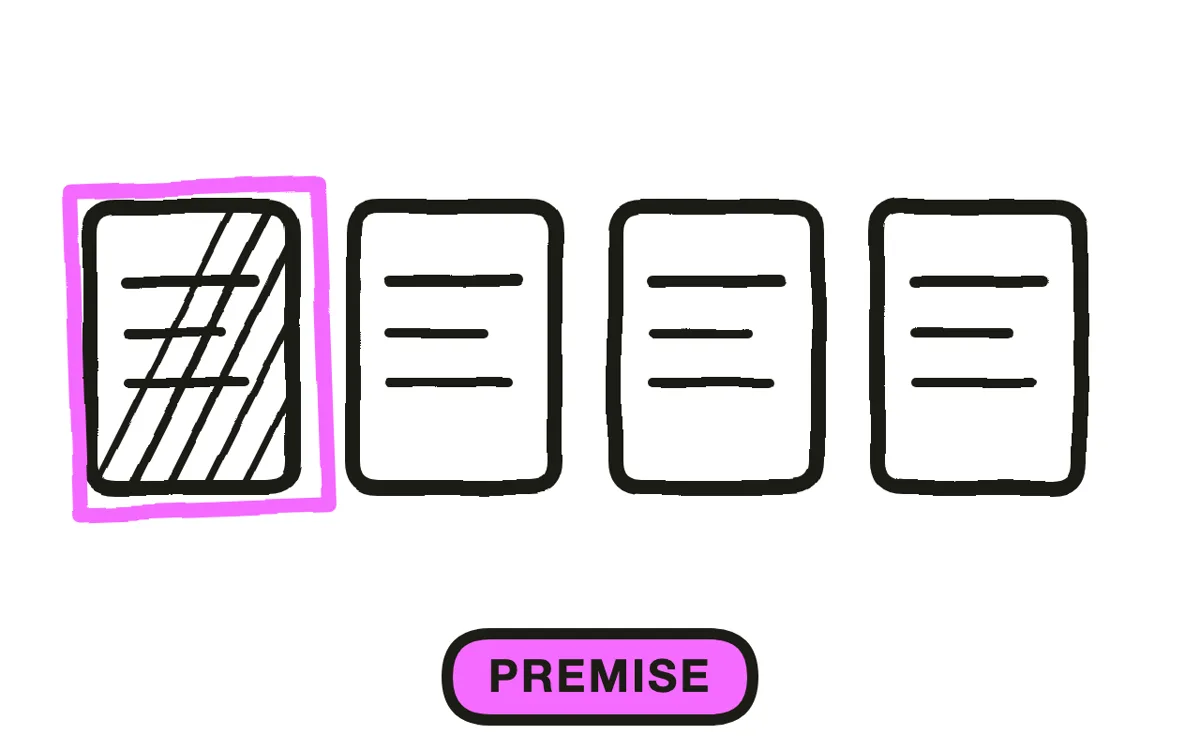
Step 1: Choose a high-concept premise
Pick a premise whose conflict is stated in one sentence and understood immediately: a woman discovers her husband's second family, an heir disguised as a delivery driver, a contract marriage with a deadline. The format has no room to build interest slowly.
Verify the premise generates repeated turns. Micro drama needs something to change every ninety seconds across dozens of episodes, which rules out premises that resolve in one confrontation. A situation with an ongoing imbalance of information generates turns indefinitely; a single secret generates one.
Step 2: Structure the episodes
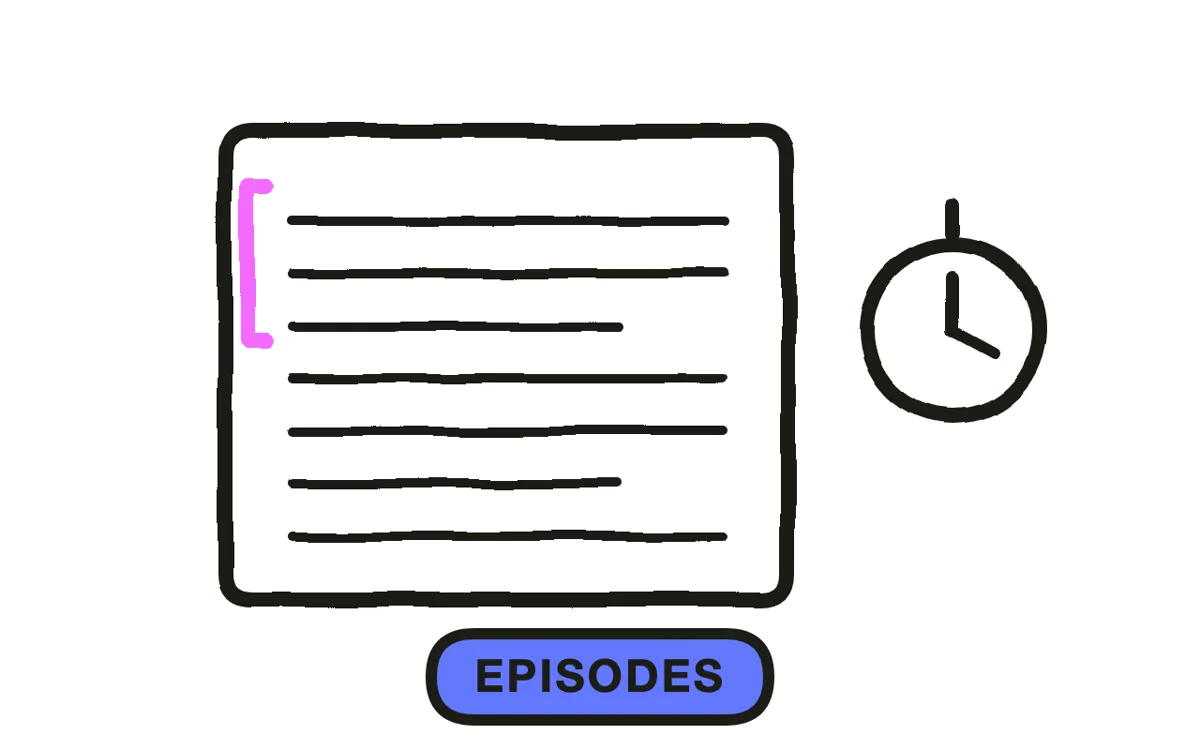
Write each episode as 60 to 120 seconds containing one complete turn: a piece of information revealed, a decision made, or a relationship changed. Around 90 seconds is where most successful series land.
Open every episode inside the action. A micro drama episode that spends its first ten seconds re-establishing context loses the viewers who arrived from a feed. Plan the first arc as 8 to 12 episodes and publish that before committing to 40 more, since the arc is the real test of whether the premise holds.
Step 3: Stage for vertical
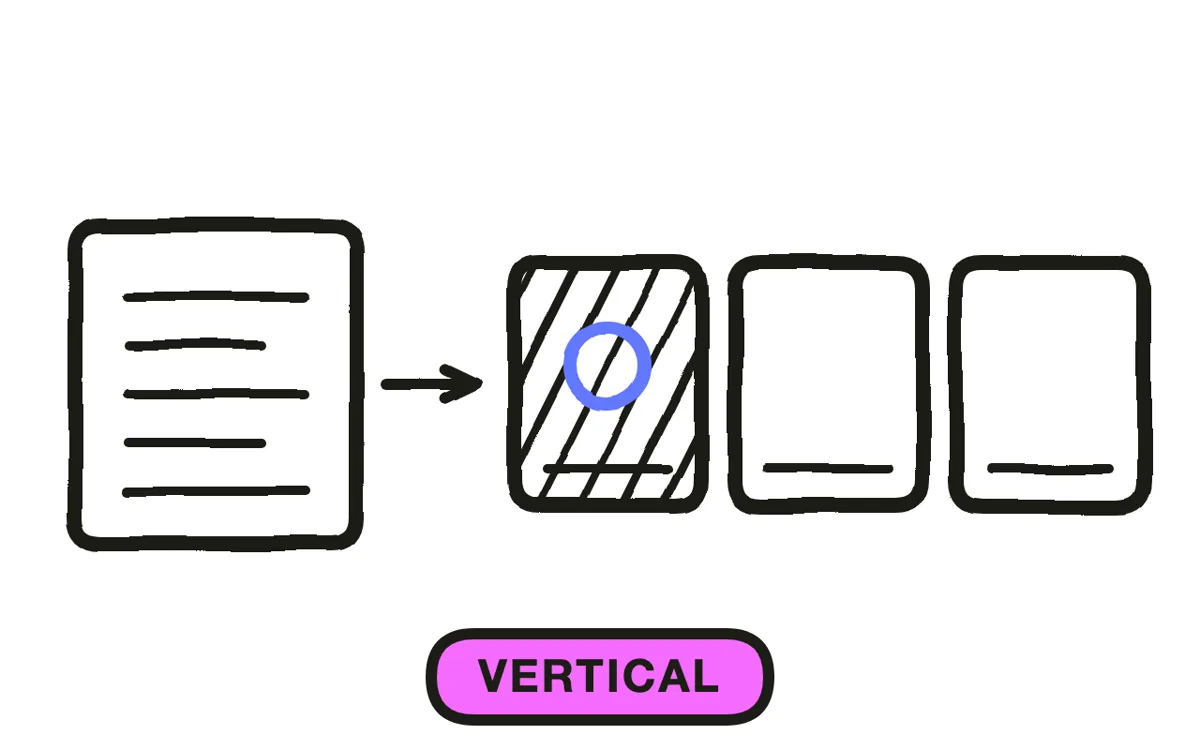
Compose every scene for a tall narrow frame. Vertical staging favors single subjects, tight two-shots stacked in depth, and close framing on faces and hands. Horizontal composition rules do not transfer, and cropping a wide shot to 9:16 produces a frame with nothing in it.
Establish location through detail rather than scope. A wide establishing shot has no room to work vertically, so a series sets its world through a doorway, a desk, or a street sign framed close. Use vertical depth, placing one subject near and another far, where a horizontal production would place them side by side.
Step 4: Produce with a consistent cast
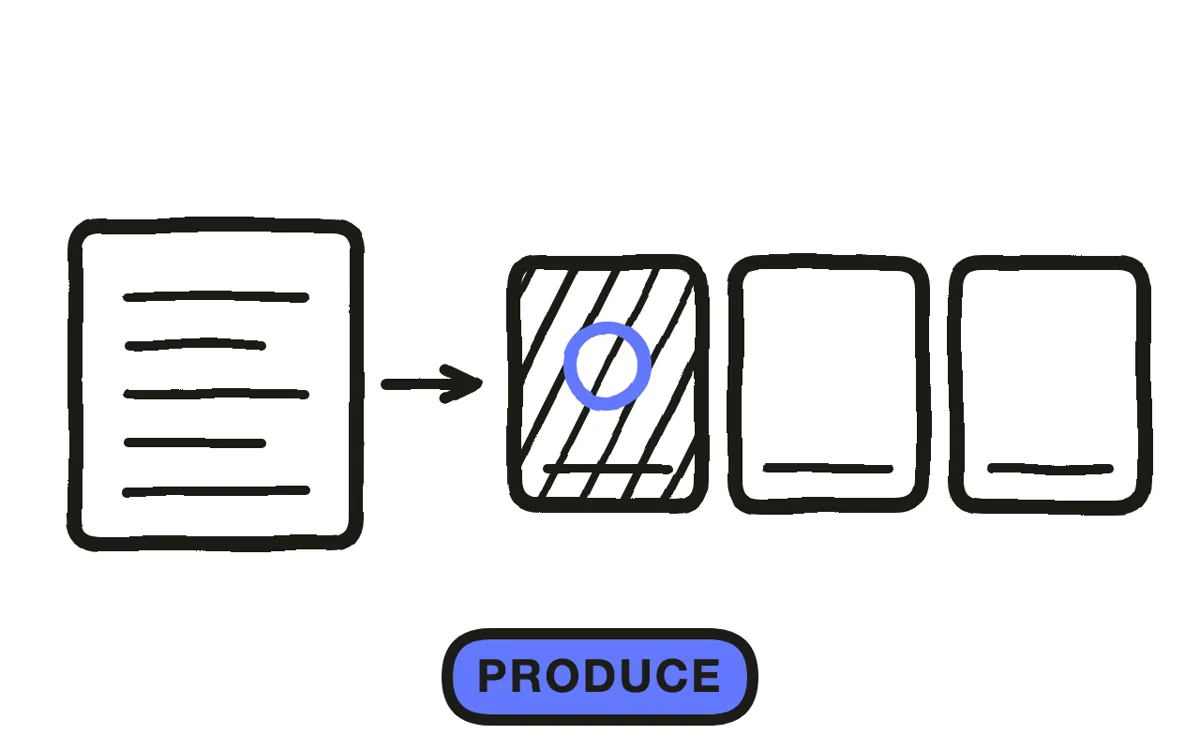
Produce each episode keeping the cast identical throughout. Character consistency is the format's hard requirement: a serial depends on the viewer recognizing the same people across dozens of episodes, and a face that shifts between episodes breaks the fiction immediately.
Pexo's text-to-video workflow generates episodes from the script, and Hyperframe locks each character's face, build, and wardrobe across the whole series. Define the cast once at the start and reference the same identities for every subsequent episode rather than describing them again.
Step 5: Place the cliffhangers
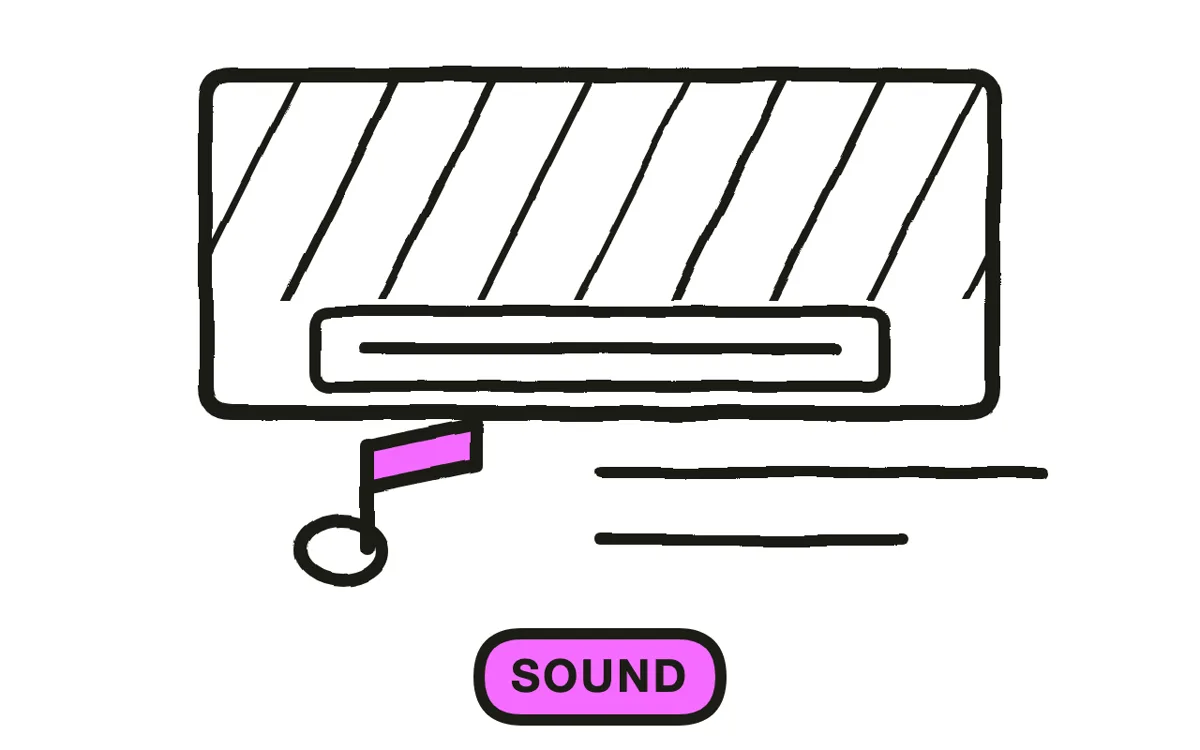
End every episode with a turn in the final five seconds. The distinction that matters: a cliffhanger is a revelation that changes what the viewer believed, not simply a scene cut mid-sentence. An interrupted conversation reads as a technical limitation; a revealed identity reads as a reason to tap next.
Vary the type across the series. Constant peril fatigues quickly. Rotate between revelation, reversal, arrival of a new character, and a decision withheld from the viewer. Pexo generates dialogue and composes a score that lifts into each episode's final beat.
Step 6: Export vertical for every platform
Export 9:16 at 1080x1920 for every destination. Unlike most formats, a micro drama needs no ratio variants: the vertical frame is the format, and a horizontal version competes against native vertical content at a structural disadvantage.
Pexo exports vertical up to 4K. Keep dialogue in the middle third and clear of the bottom quarter, where platform captions and interface sit. Watch each episode on a phone before publishing, since a series is judged on the first three seconds of every episode rather than the first episode alone.
How to Make a Micro Drama with Pexo
The six steps above work with any production method. Pexo handles steps 4 through 6 in a single conversation, and the character consistency the format requires is the specific problem Hyperframe solves.
Open the micro drama page and describe the series: "A 12-episode vertical drama about a chef who inherits a restaurant with a hidden debt, contemporary city setting, 90 seconds per episode, each ending on a reveal." Pexo writes the episodes, generates them with a locked cast, scores each one, and exports vertical.

Adjust any scene by describing the change in the chat, and Pexo regenerates that scene without touching the rest of the episode. The platform runs across Seedance 2.0, Kling AI, and more.
For related formats, the short film page suits standalone narrative, visual novel video covers dialogue-driven serials, and story video suits single-episode narrative posts.
5 Mistakes That Lose a Serial Audience
1. A premise that resolves in one confrontation. Serials need an ongoing imbalance, not a single secret. One secret is one episode.
2. Re-establishing context at the top of each episode. Viewers arrive mid-series from a feed. Open inside the action every time.
3. Cropping horizontal footage to vertical. A wide shot cropped to 9:16 is a frame with nothing composed in it. Stage vertically from the start.
4. Cutting mid-sentence and calling it a cliffhanger. An interruption is not a turn. End on something that changes what the viewer believed.
5. Letting the cast drift. A face that changes between episodes breaks the serial. Lock the character identities before episode one.
Related Tutorials
- How to make a short film for standalone narrative work
- How to make an AI movie for feature-length generated narrative
- How to make a short video for the vertical format fundamentals
- How to make a fan film for serialized work in an existing world