
AI Animated Music Video
Make an animated music video with Pexo. Use one visual motif that follows the music to tell a clear story. Organize your material and review the finished video.
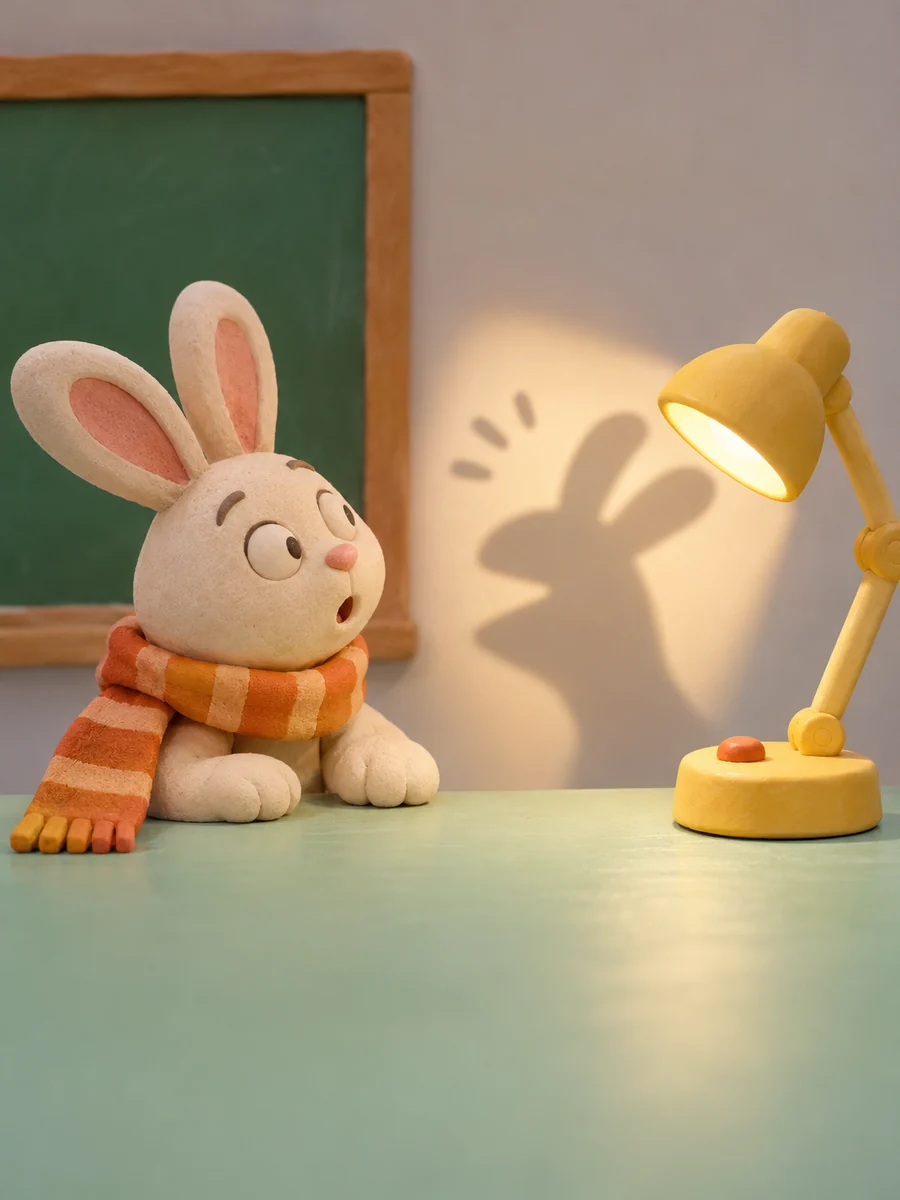
Make an AI educational animated video for kids. Explain one idea with an original animation that children can follow. Use your own source material and review a playful scene about changing shadows in the finished cut.
Bring an age-appropriate question, original characters, and a concrete example. In Pexo’s educational animated video for kids maker, give the opening just enough space to identify a playful scene about changing shadows, then make the moving shadow the center of the first cut. Use Image to Video with your brief, then review a playful scene about changing shadows.

The result preview focuses on a playful scene about changing shadows. Review each of the checks before shaping the complete cut.
What to review
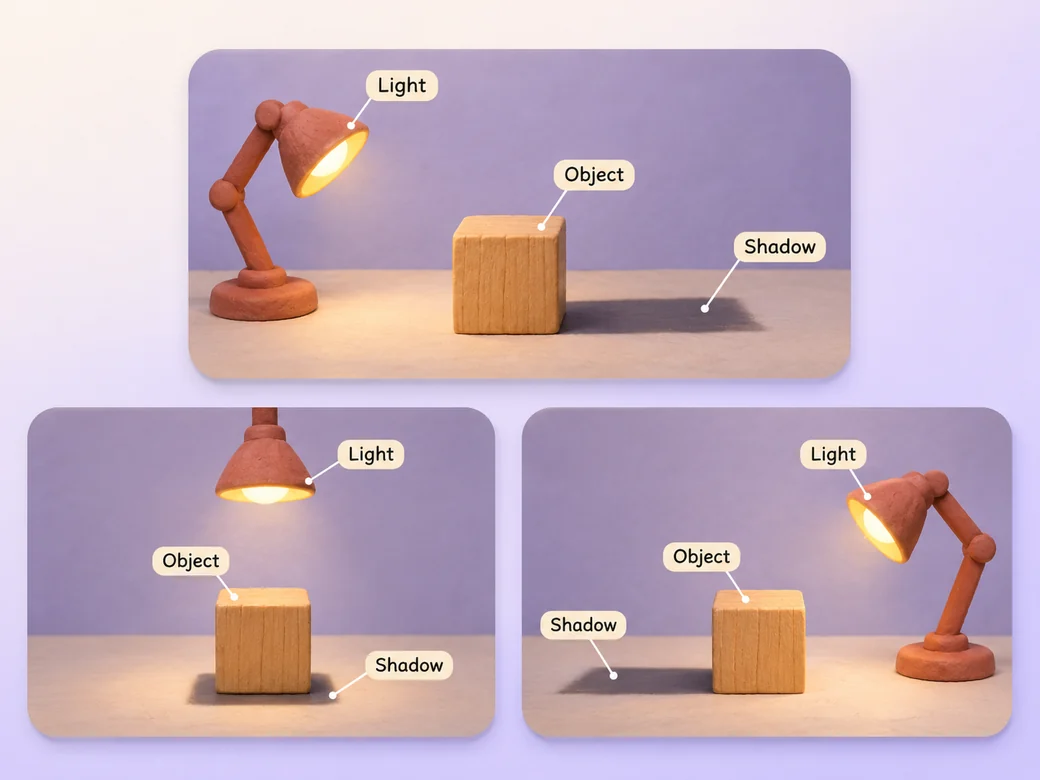
Start with an everyday object and an easy question. Keep one new action on screen at a time. Follow a playful character as they notice a change, then hold on the result and say how it connects to the question.
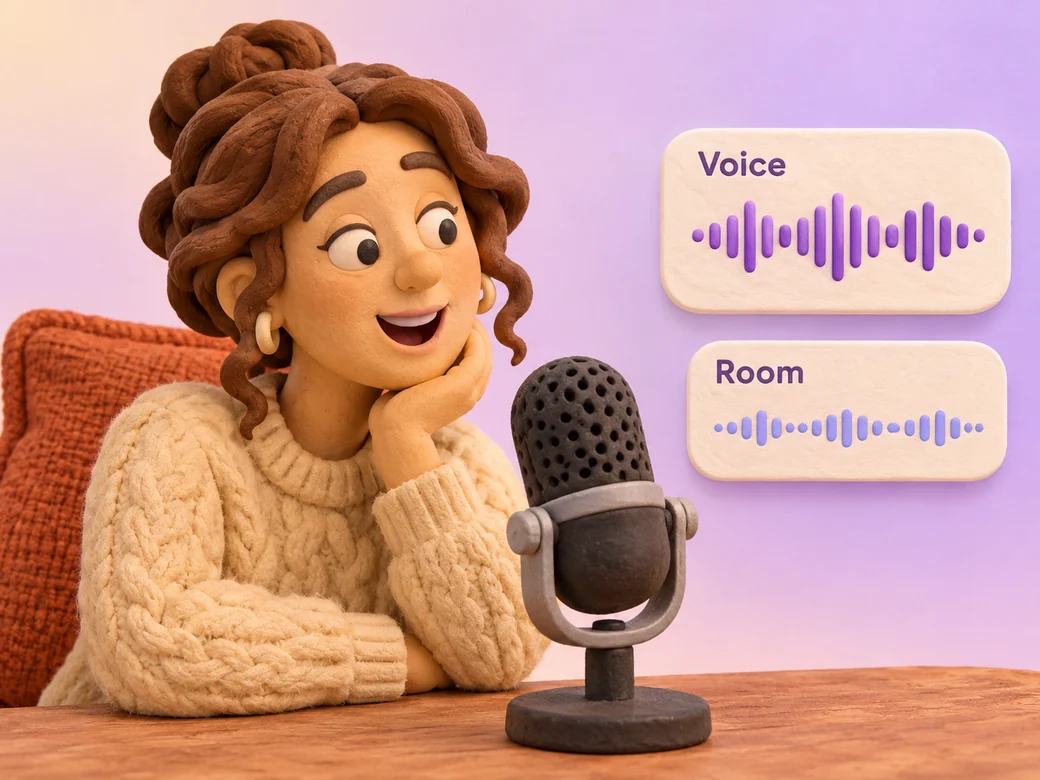
Choose a warm adult narrator and pause after a question. Leave room for the child-friendly example and avoid talking through a quick change. Test the narration alongside the animation before sharing.
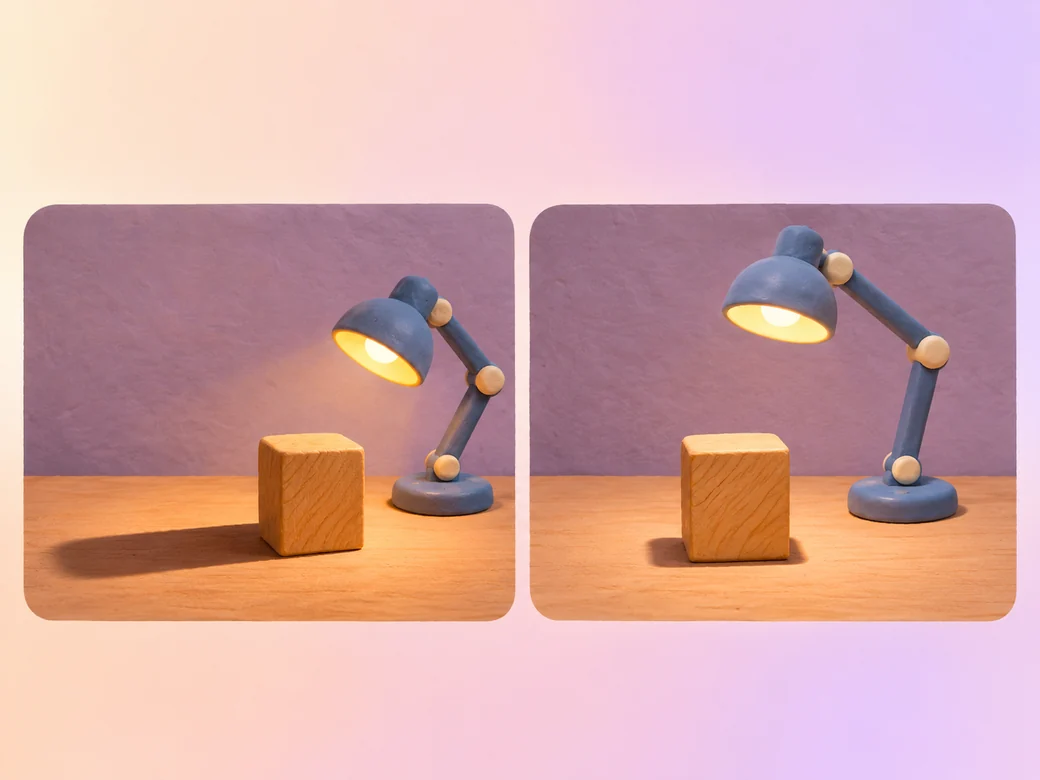
Repeat the example in a slightly different picture so children can spot the change. Keep images and words simple, and give the answer a clear final frame.
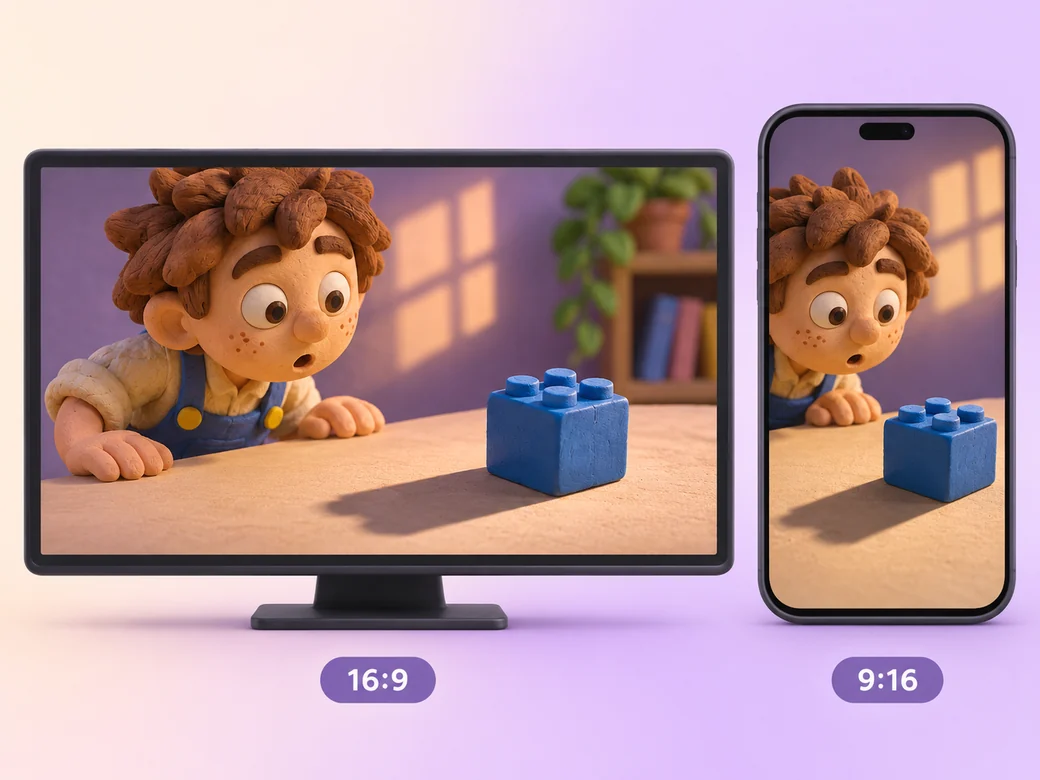
Keep a wide cut for a classroom, family learning channel, or educator’s playlist. For a 9:16 excerpt, retain a playful scene about changing shadows and review how it fits on a phone. Check the start and the last frame at the intended size and give any text enough time to read.
“In Pexo, I choose one idea a child can recognize in a picture. A second example should show the same thing in a fresh way.”

“I leave a little space after each question. Children can look at the picture while they think about it.”

“I watch the change once with the words off. The animation should show just enough for the answer to make sense.”

An educational animated video for kids is a finished edit that helps you explain one idea with an original animation that children can follow. It can be prepared for a classroom, family learning channel, or educator’s playlist, with enough context for the viewer to follow a playful scene about changing shadows. Choose a few moments that improve the final result and give each one time to read before the next cut.
Bring an age-appropriate question, original characters, and a concrete example. Give each source a short name that describes where it belongs, and include any exact wording that should appear. Tell Pexo which part matters most and how you plan to show it. That gives you a clear first version to review.
Choose one question and use an example your audience already recognizes. Review the vocabulary, images, and length with the intended age group in mind. Keep actions clear and natural, and have a teacher or caregiver check terms and examples before sharing the finished clip.
Pexo helps organize your material and revise the framing, pacing, and sound after you review the result. Use the source that documents your actual subject for a playful scene about changing shadows. For a separate illustrative insert or visual opening, Kling AI 3.0 can animate an approved reference image.
An educational animated video for kids uses easily recognized drawings and paced narration to explain a specific point. A broader educational video might use a live teacher, recorded demonstration, or advanced diagram. Choose the children’s animation when one visible action makes the idea easier to understand.
Use subject + action + camera movement + setting + style. Try ‘Use the footage or approved visual references for a playful scene about changing shadows. Show the toy’s shadow moving as the light changes. Start with a clear establishing frame, move closer when the main action begins, and keep the original colors and texture. Start with an everyday object and an easy question. Let viewers see the cause and the result together.’
Bring an age-appropriate question, original characters, and a concrete example. Start with a playful scene about changing shadows and review the first cut at the intended size.
Make an animated music video with Pexo. Use one visual motif that follows the music to tell a clear story. Organize your material and review the finished video.
Make a corporate mini-documentary with Pexo. Organize your own material and edit a focused review cut. Check the details before you share it.
Make an animated story video for kids with Pexo. Organize your own material and edit a focused review cut. Check the details before you share it.
Make an animated nursery rhyme video with Pexo. Organize your own material and edit a focused review cut. Check the details before you share it.
Make an opening title sequence with Pexo. Use the image that introduces your film to tell a clear story. Organize your material and review the finished video.
Make an illustrated animated explainer video with Pexo. Use a paper-cut water cycle to tell a clear story. Organize your material and review the finished video.
Make a gameplay cinematic video with Pexo. Make a short scene from recorded gameplay with a clear setting, one character choice, and a memorable ending.
Make a virtual streaming avatar intro video with Pexo. Bring your character art, choose a voice and opening line, and create a short channel introduction.