
Pexo›AI Video Gallery›Editorial Motion
Editorial Motion Design Examples
Browse editorial motion design examples with bold layouts, animated headlines, data visuals, and image-led stories for clear, practical creative direction.
37 videos

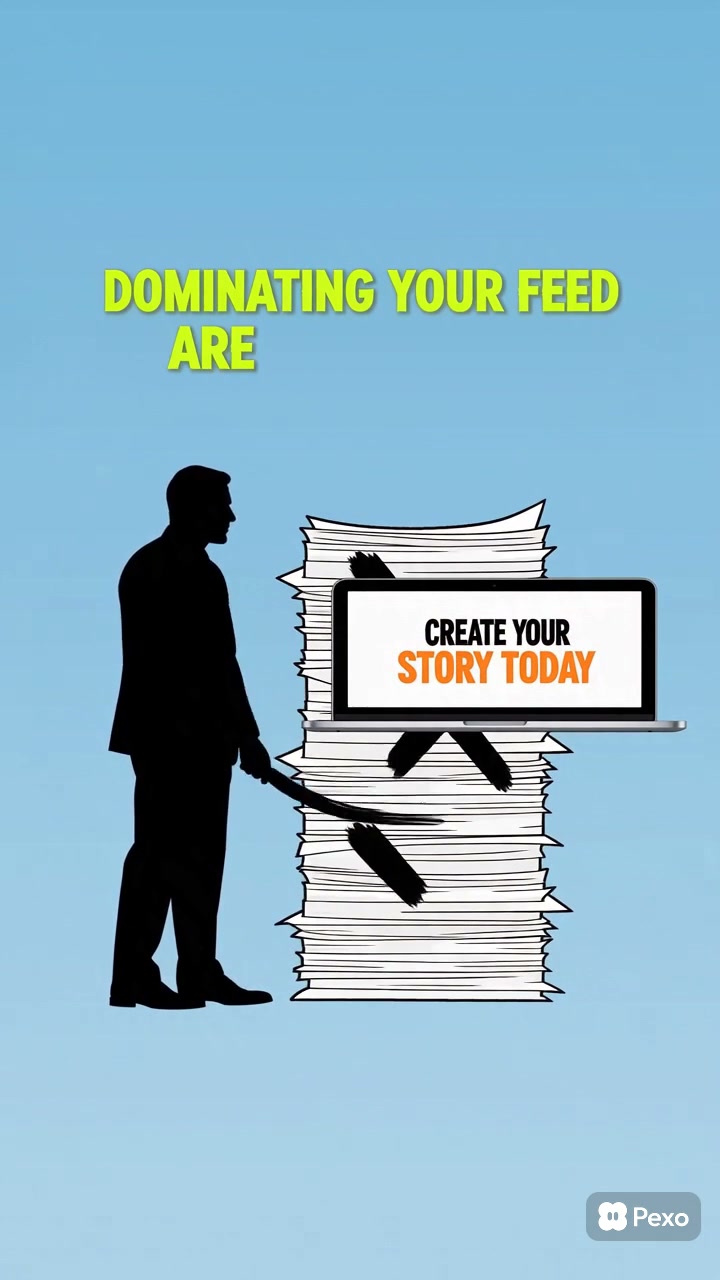
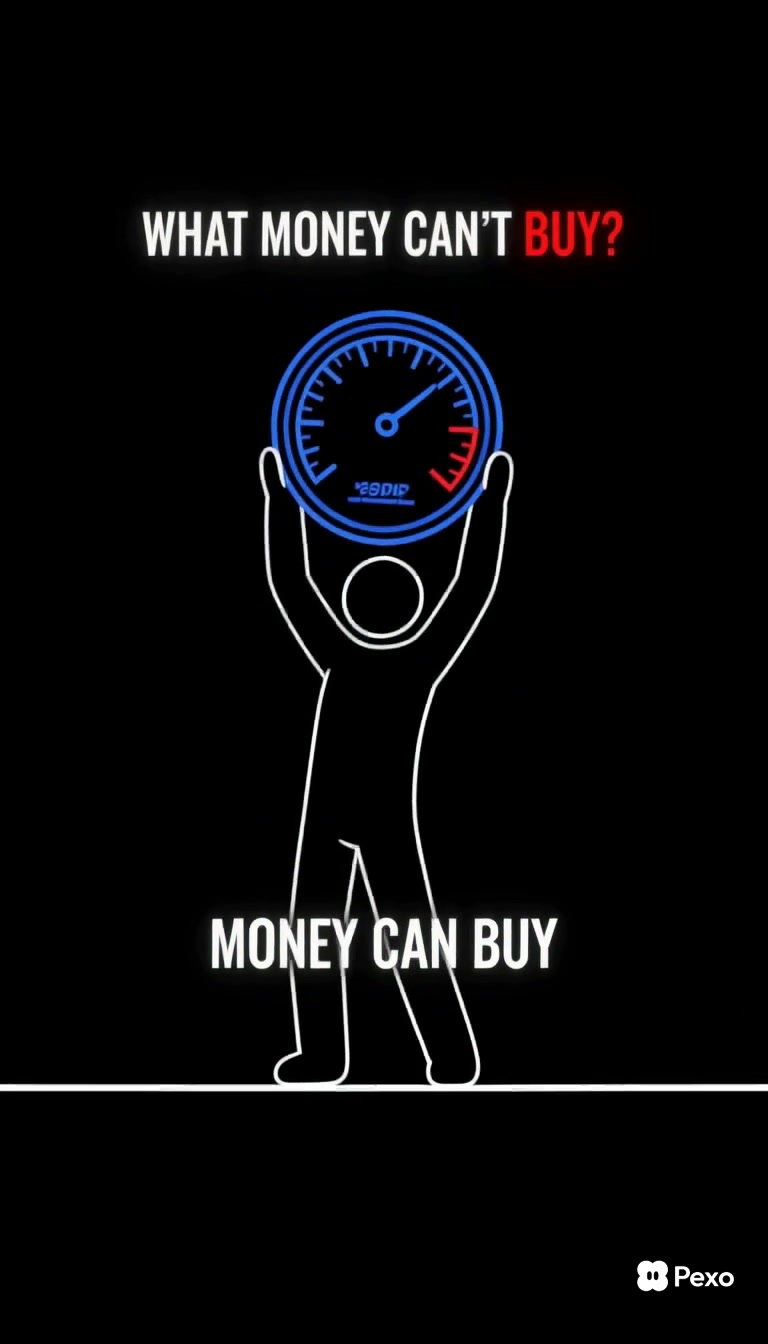
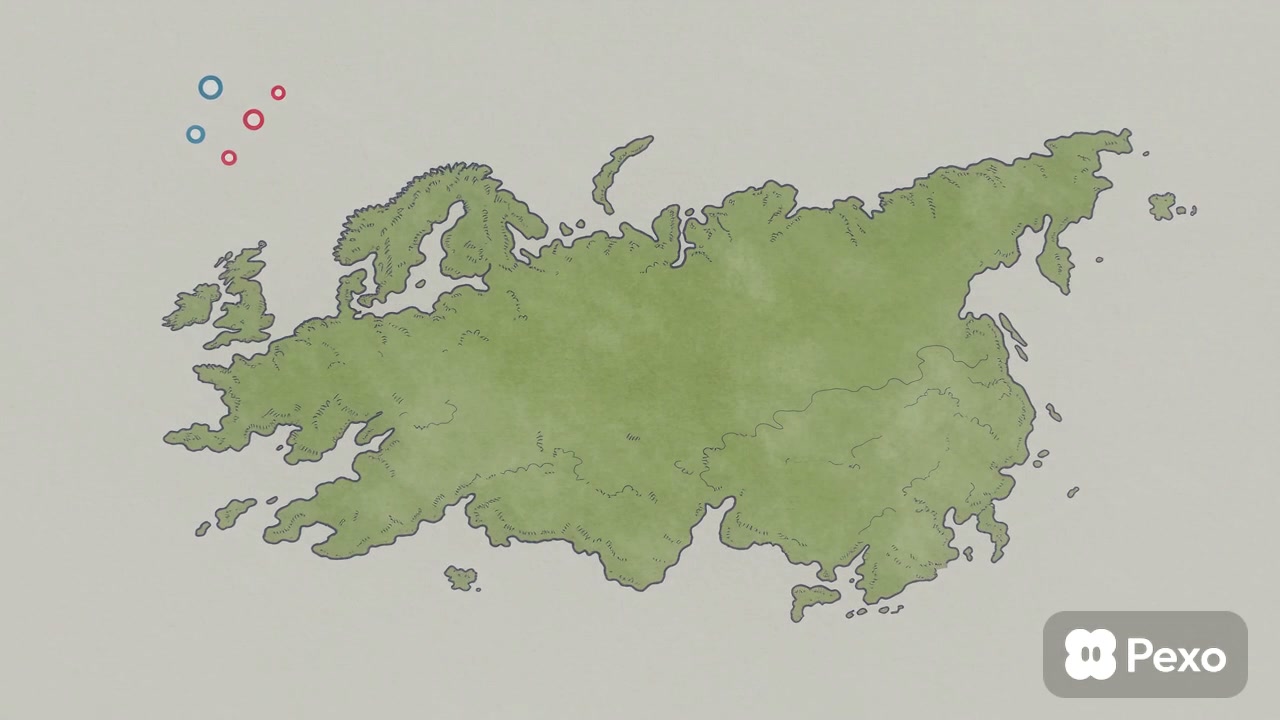
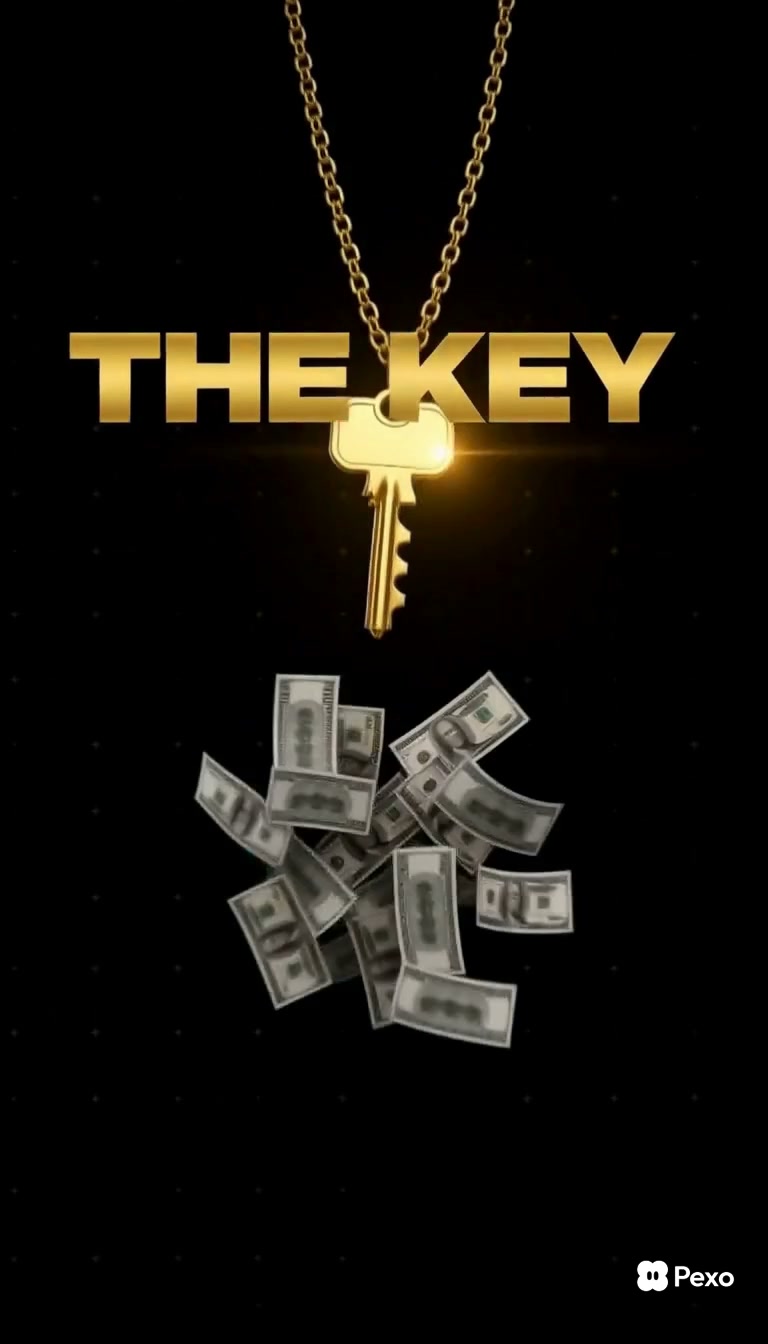
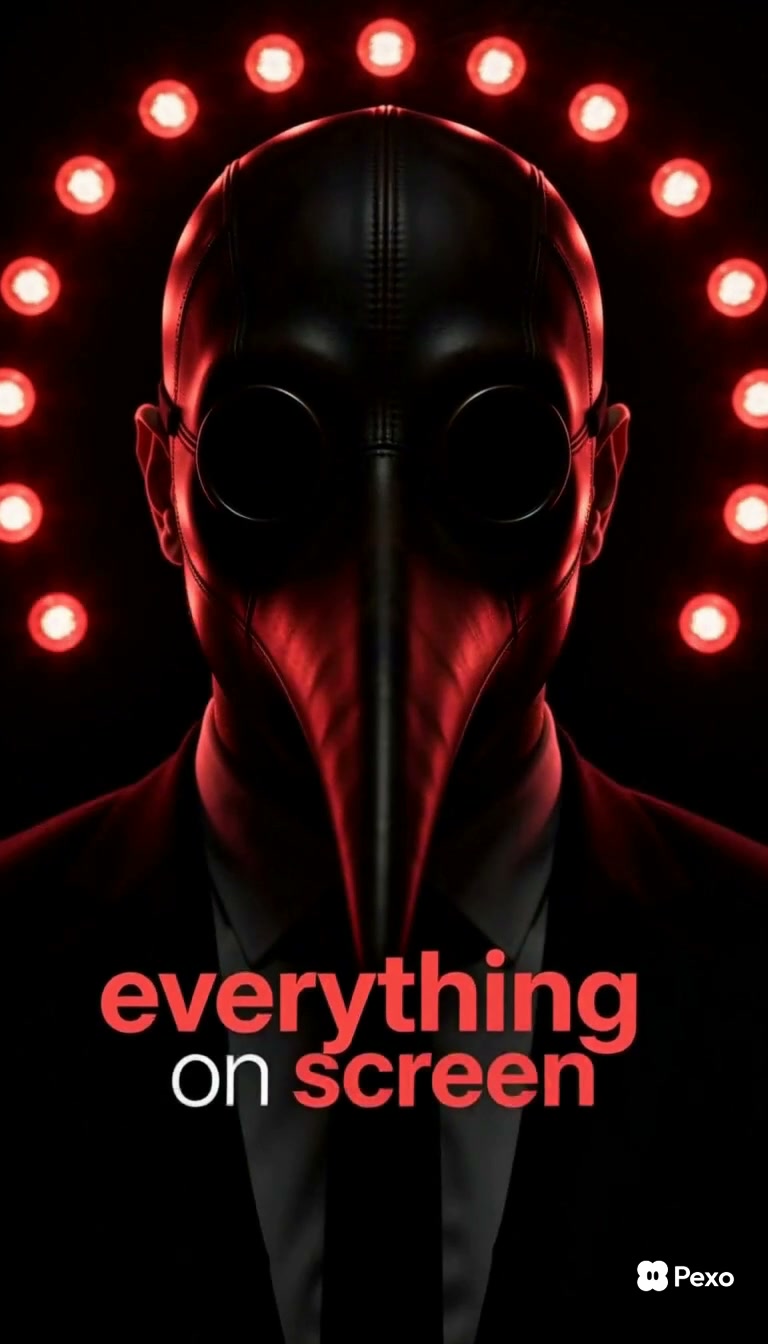
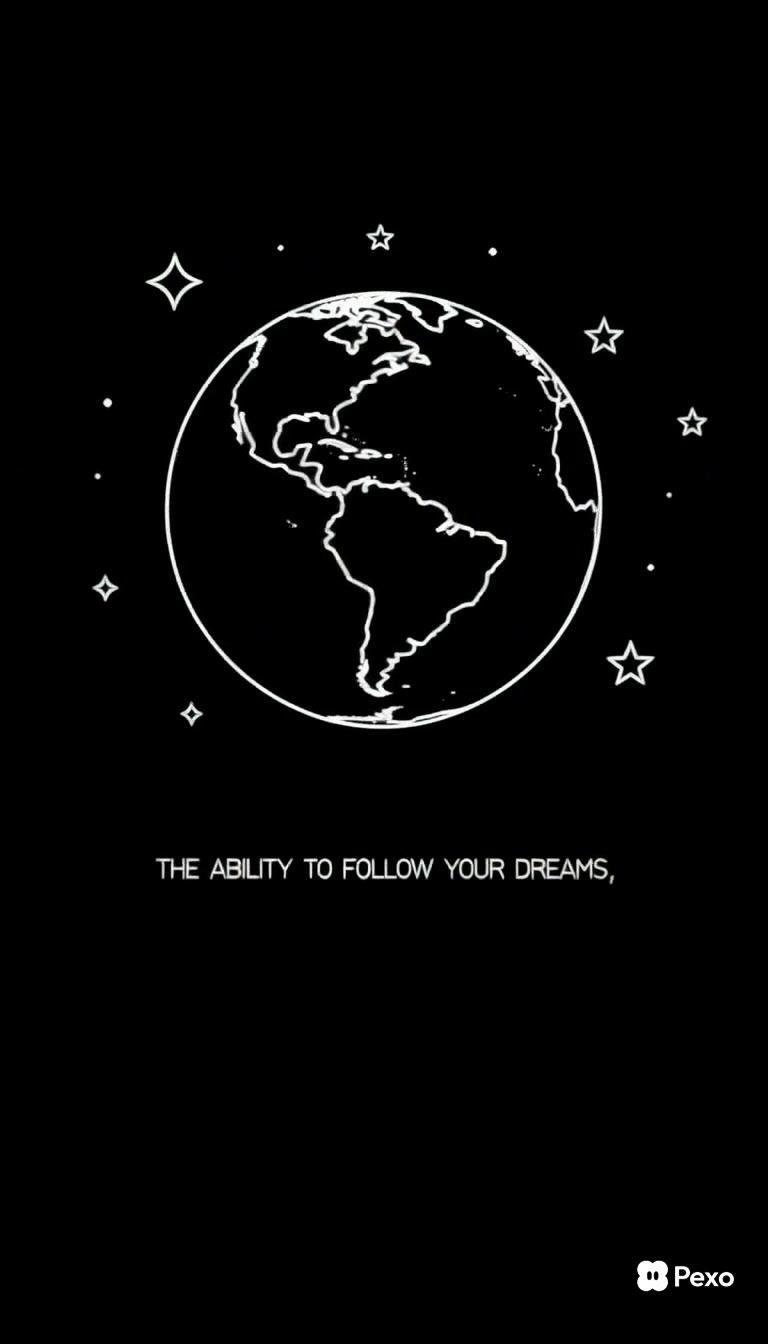
Explore the gallery
Editorial Motion Turns Ideas Into Visual Stories
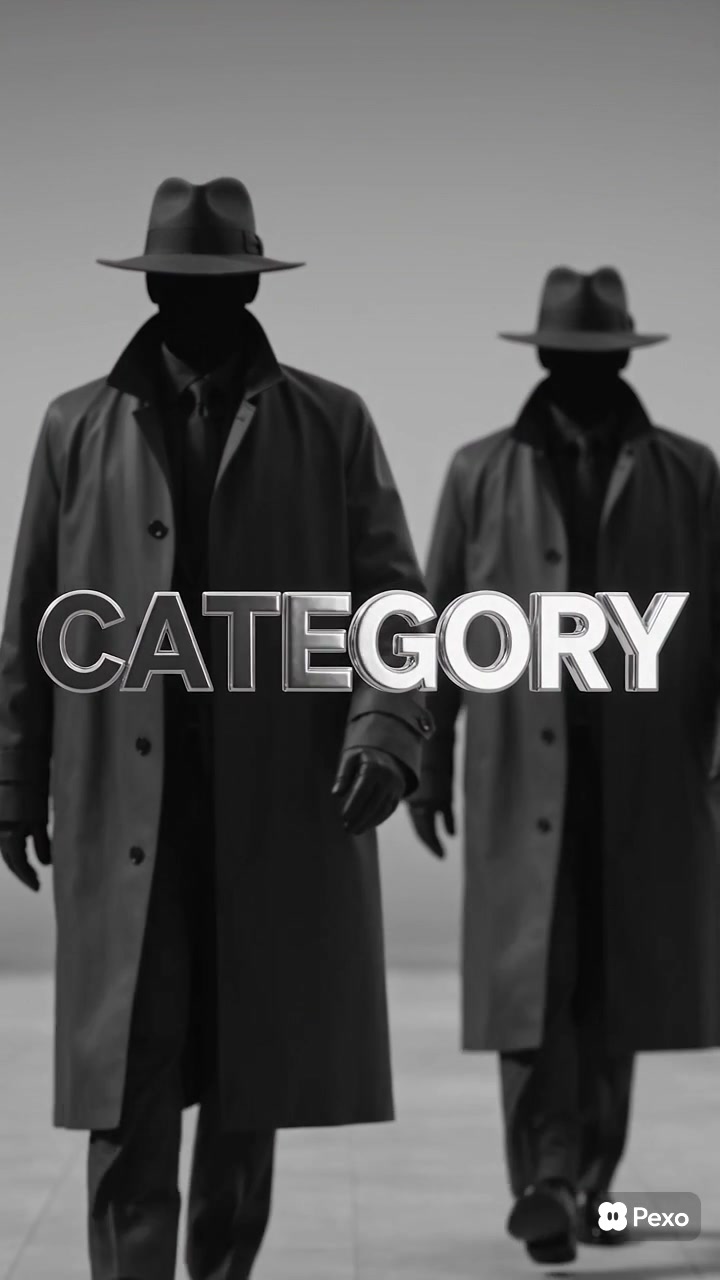
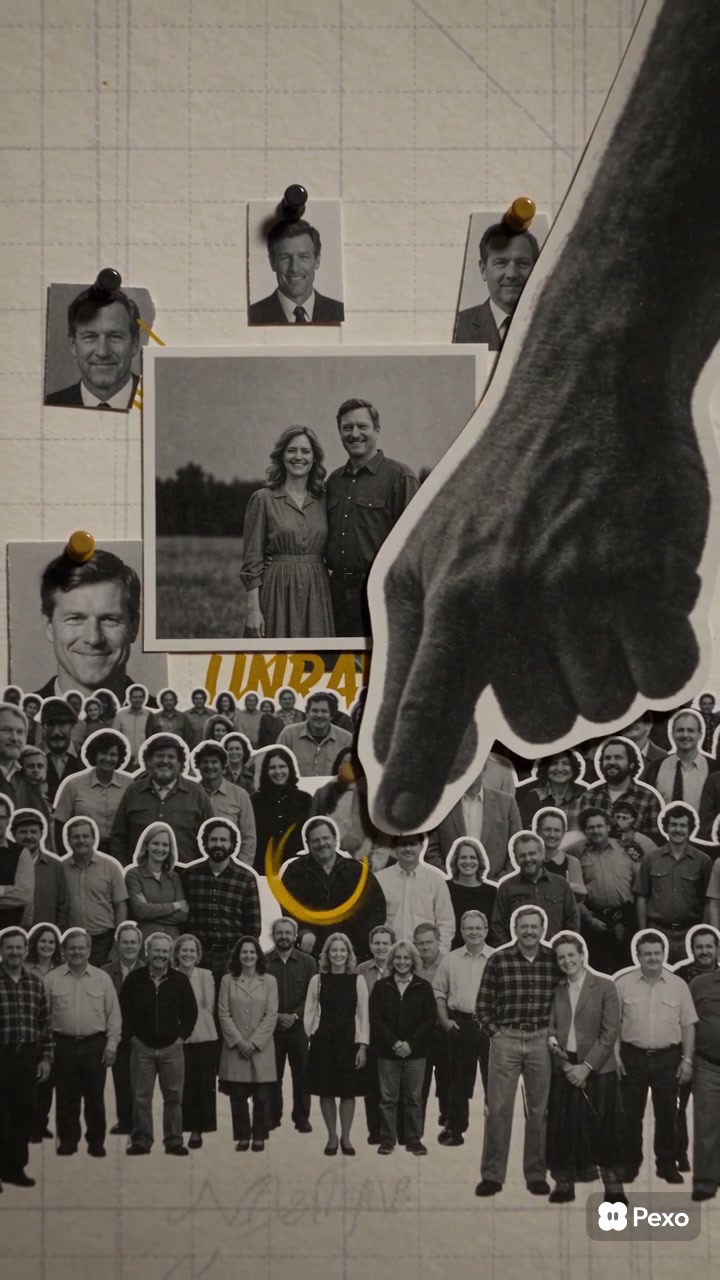
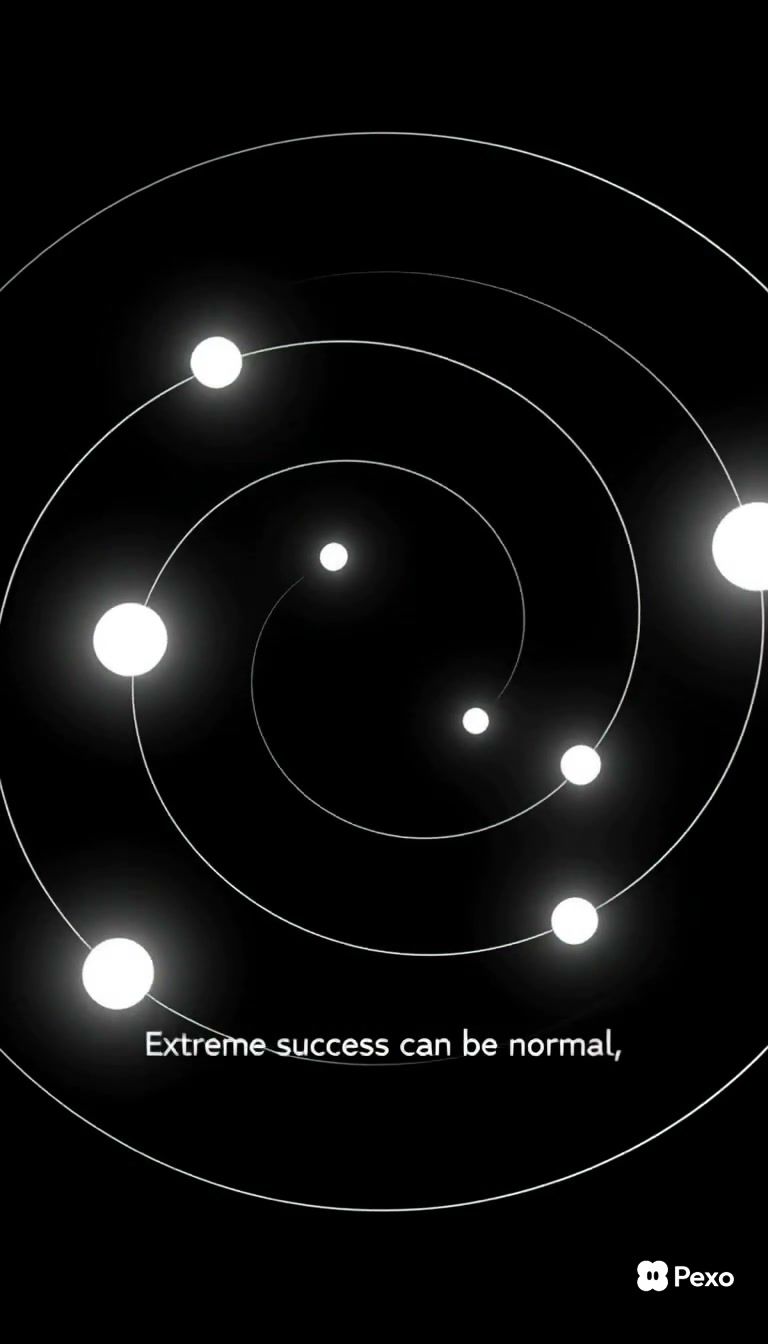
Editorial motion is a storytelling approach that combines typography, images, illustration, layout, and animation to guide an audience through a subject. It borrows the hierarchy of magazines, articles, and news graphics, then uses movement to reveal relationships, shift emphasis, and carry the story from one point to the next.
Editorial motion examples help you compare how a topic can be framed through bold headlines, image sequences, charts, symbolic objects, or carefully paced layouts. This page makes it easier to study how visual hierarchy can introduce a claim, add context, and keep an information-rich story moving without turning every frame into a dense page of text.
Looking for Editorial Motion That Fits Your Story?
The current collection covers energy, budgeting, business ideas, consumer behavior, water, logistics, machine learning, public issues, and branded features. It includes both landscape and vertical work, with animated headlines, color-block layouts, article-like compositions, data graphics, product imagery, and short visual metaphors.
A fact-led story benefits from a clear headline, one supporting visual, and a deliberate order for evidence. A perspective or opinion piece can use contrast, repeated motifs, and more expressive typography to shape tone. Vertical motion works well for one idea at a time, while landscape space can support comparisons and wider diagrams. Keep the layout system consistent so each new frame feels like the next page of the same story.

Questions?
We're here to make it clear. Check out our FAQs, and if you still have questions, Pexo is always ready to help.
How should photos, illustration, and type be combined in editorial motion?
Assign each medium a clear job. Photos can establish people or place, illustration can simplify an abstract idea, and typography can frame the argument. Use a consistent crop, color treatment, and transition rule so mixed assets feel intentional rather than collected from unrelated sources.
How can an editorial motion series stay visually consistent?
Create a small system for headlines, supporting text, image frames, color roles, transitions, and source labels. Individual stories can change imagery and pace while keeping these structural rules. Consistency helps the audience recognize the series and makes future episodes faster to assemble.
How should sources and credits appear in editorial motion?
Keep source labels readable and close to the claim, chart, quote, or image they support. Use a consistent credit style and allow enough screen time to read it. A final source card can provide fuller references, but it should not replace clear attribution where the information first appears.
How should external images or clips be cleared for an editorial motion project?
Confirm the license, permitted platforms, territories, duration, and whether editing or commercial use is allowed before animation begins. Keep a record of the source and terms for every asset. Do not assume that material found in search results or social posts is available for reuse.