
Pexo›AI Video Gallery›Short Story
Short Story Videos
Explore short story videos built around calm reflection, comic twists, animated action, and character-led moments in compact visual narratives.
47 videos
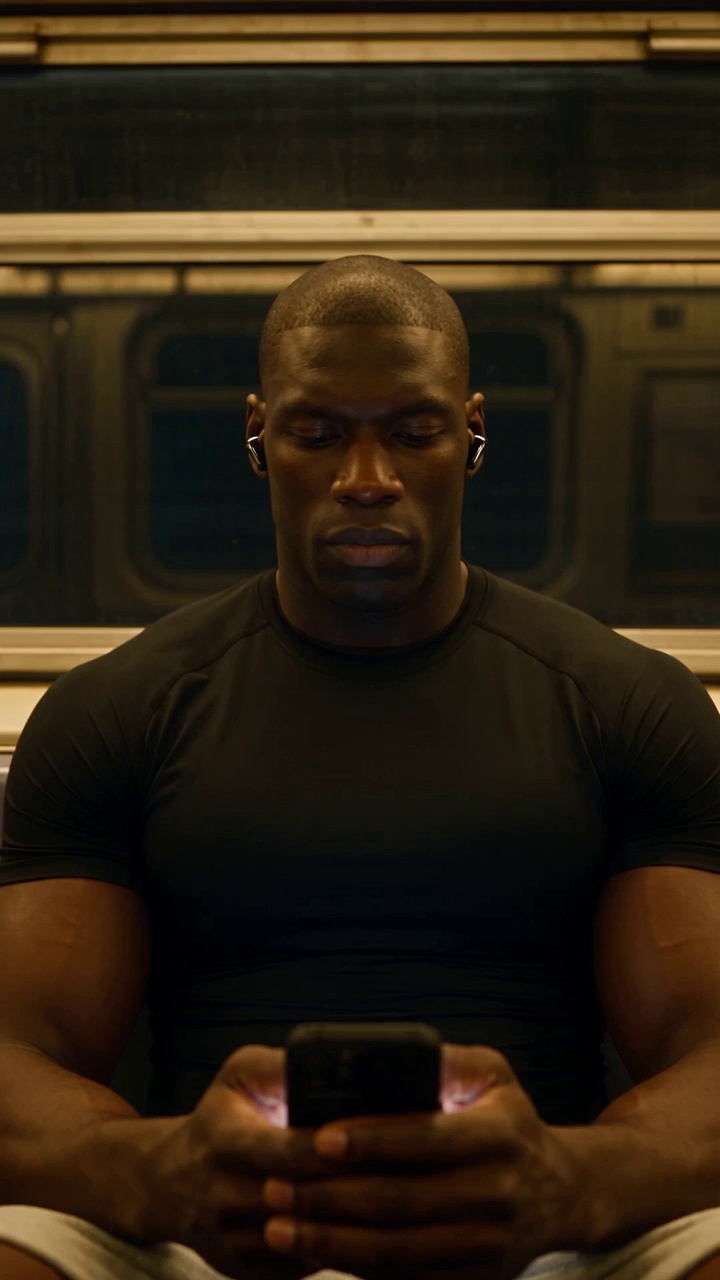
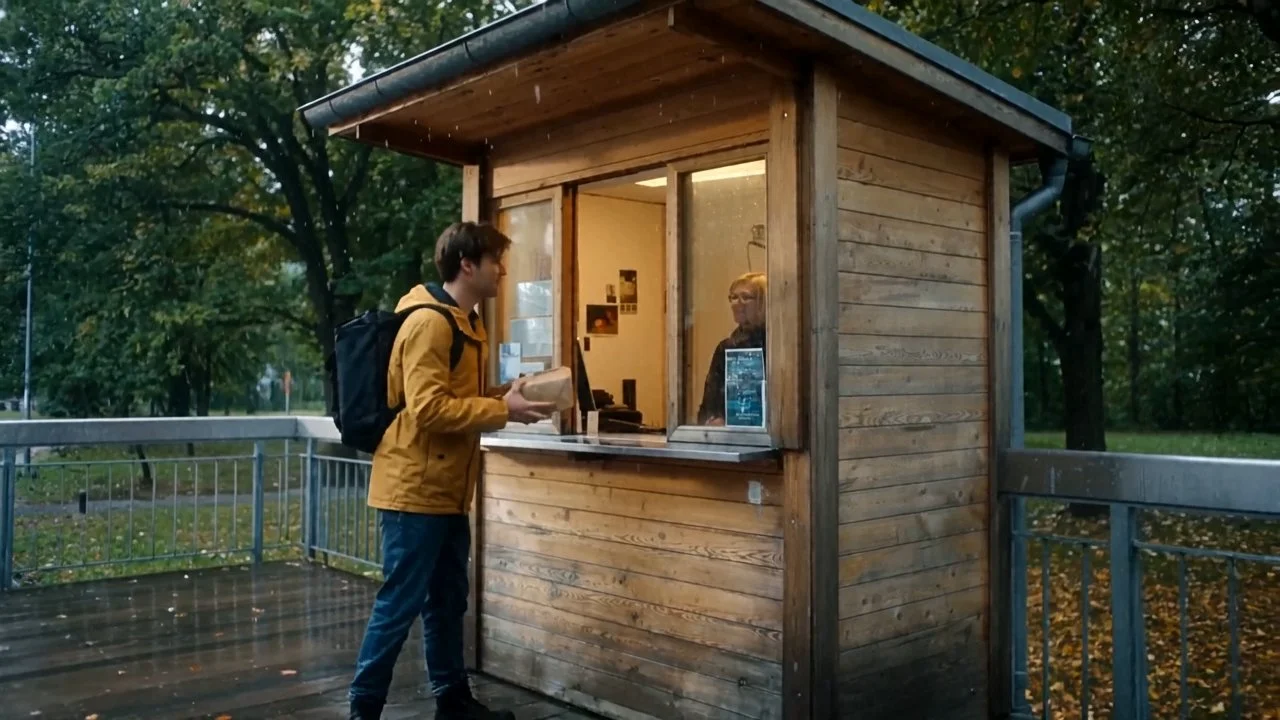
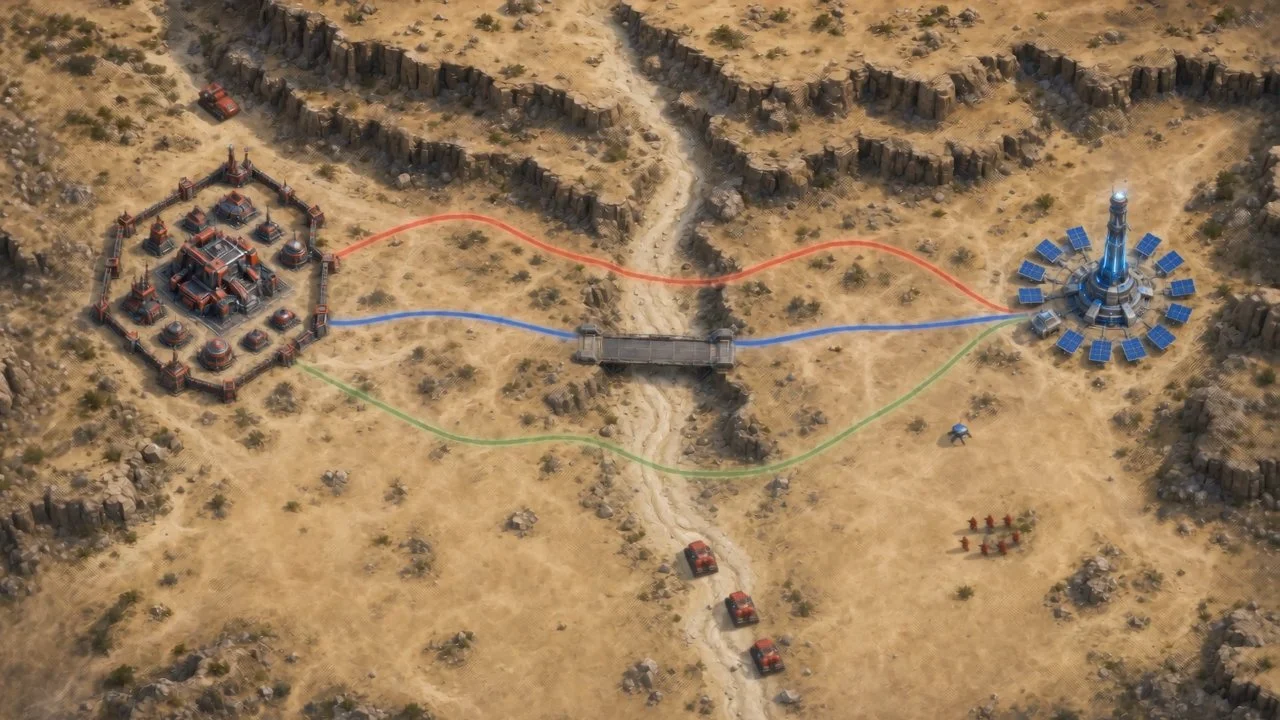
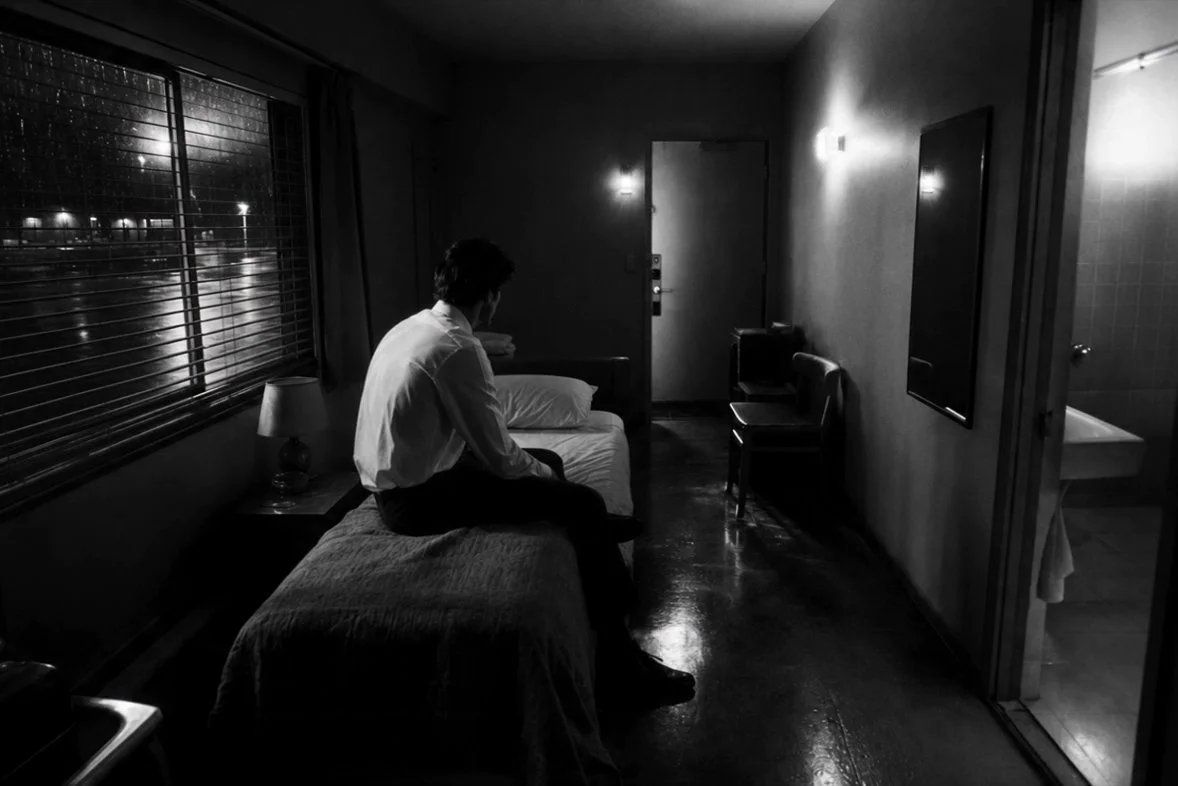

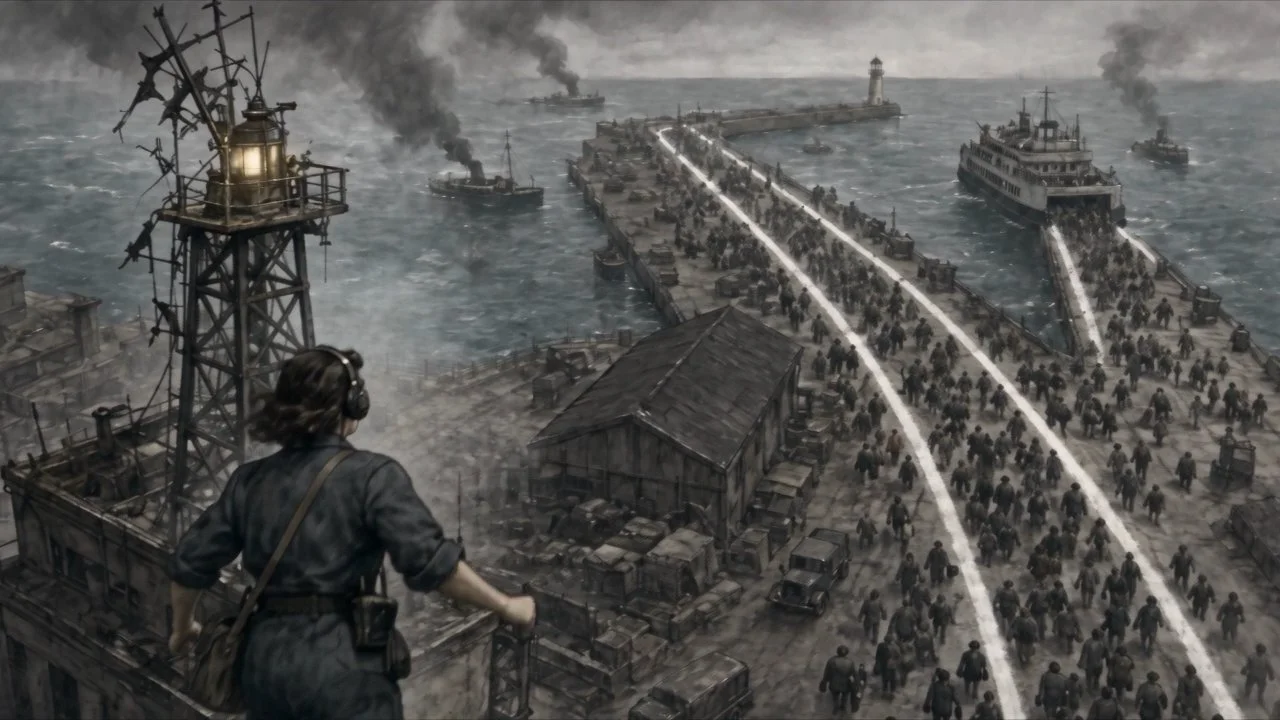
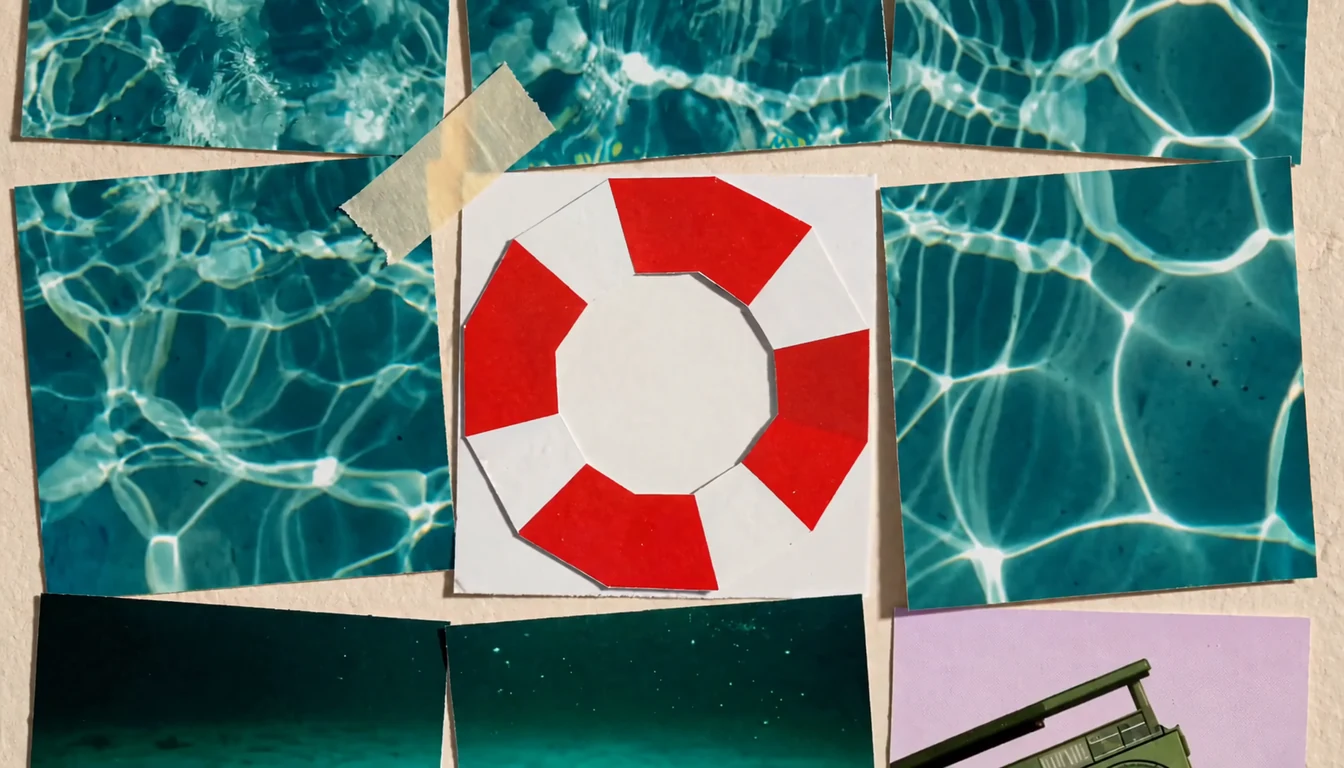

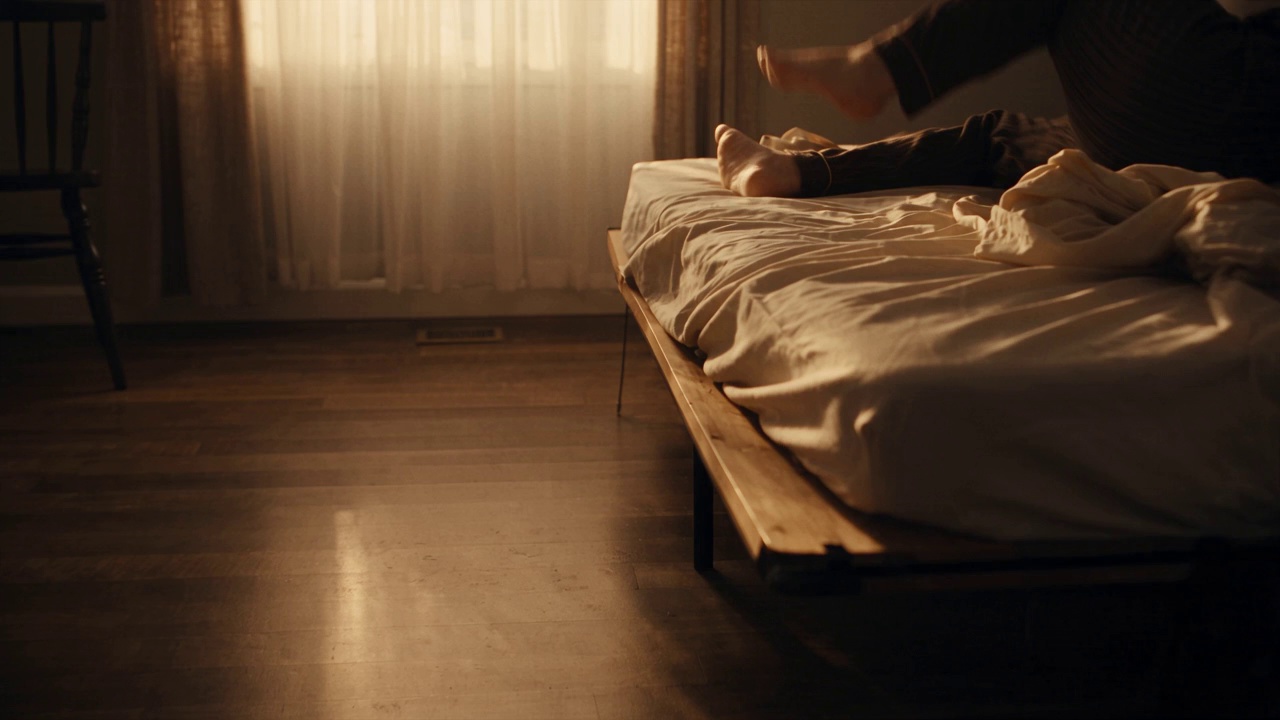
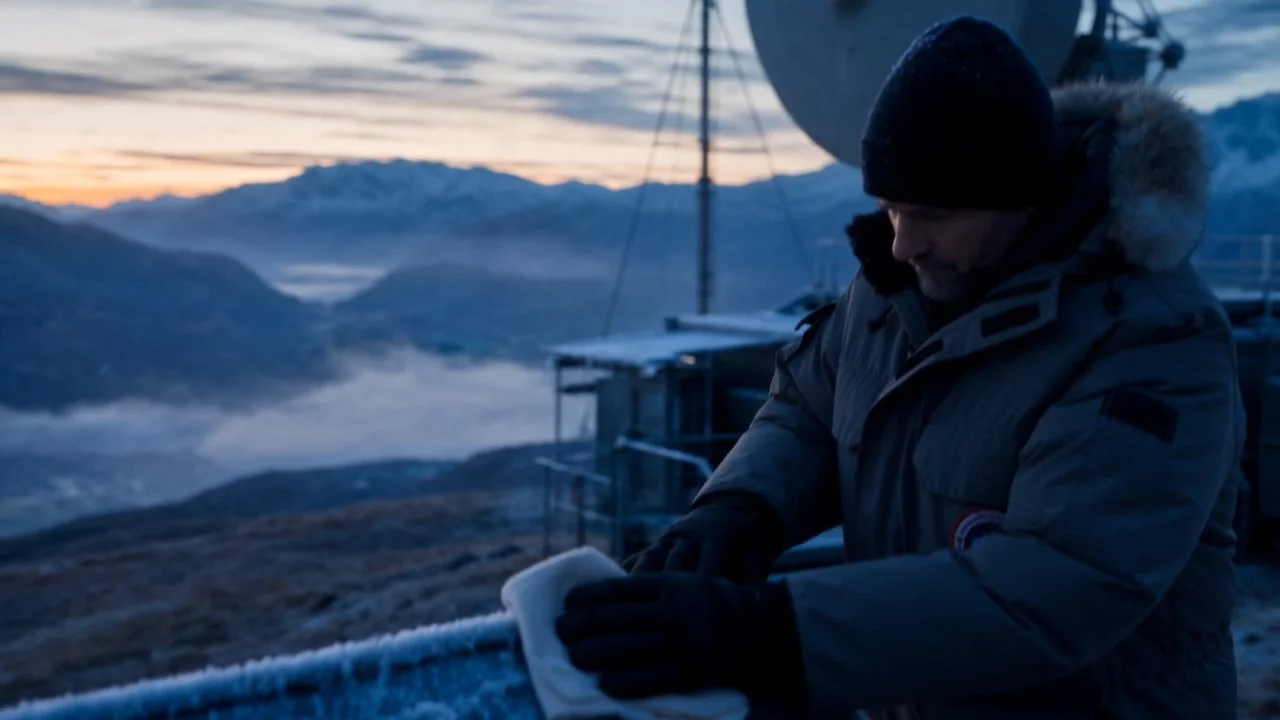
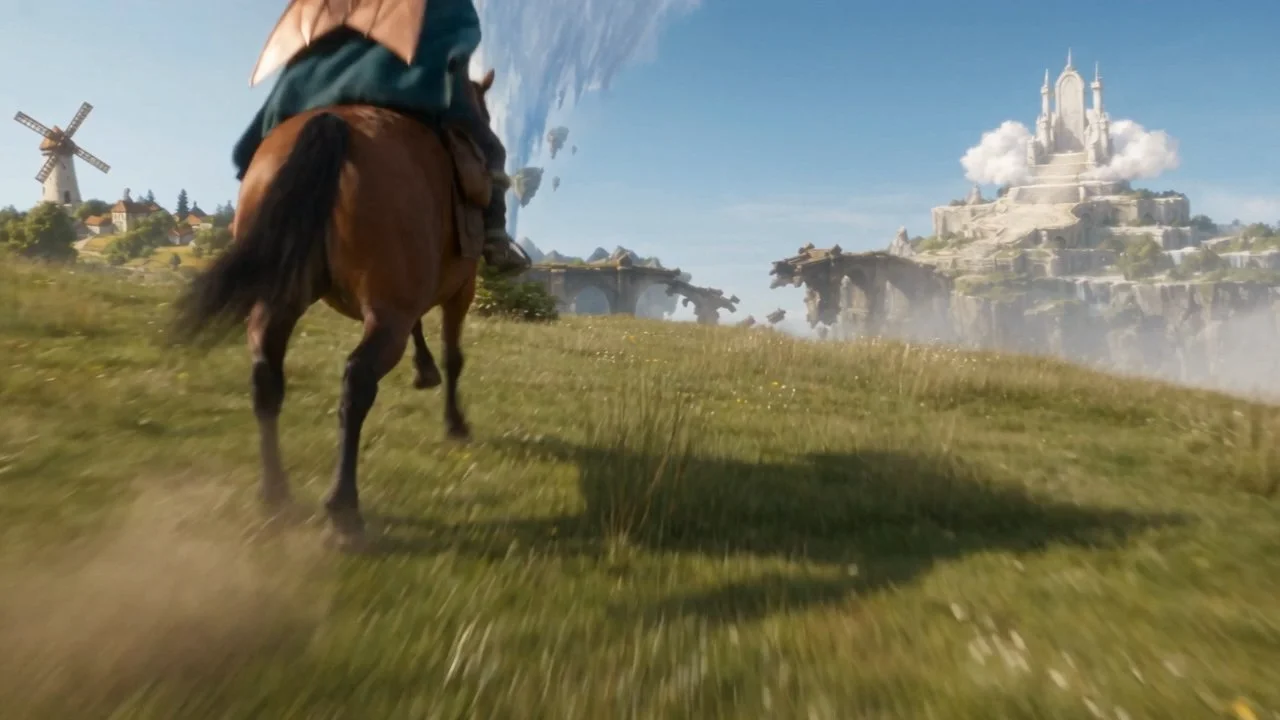
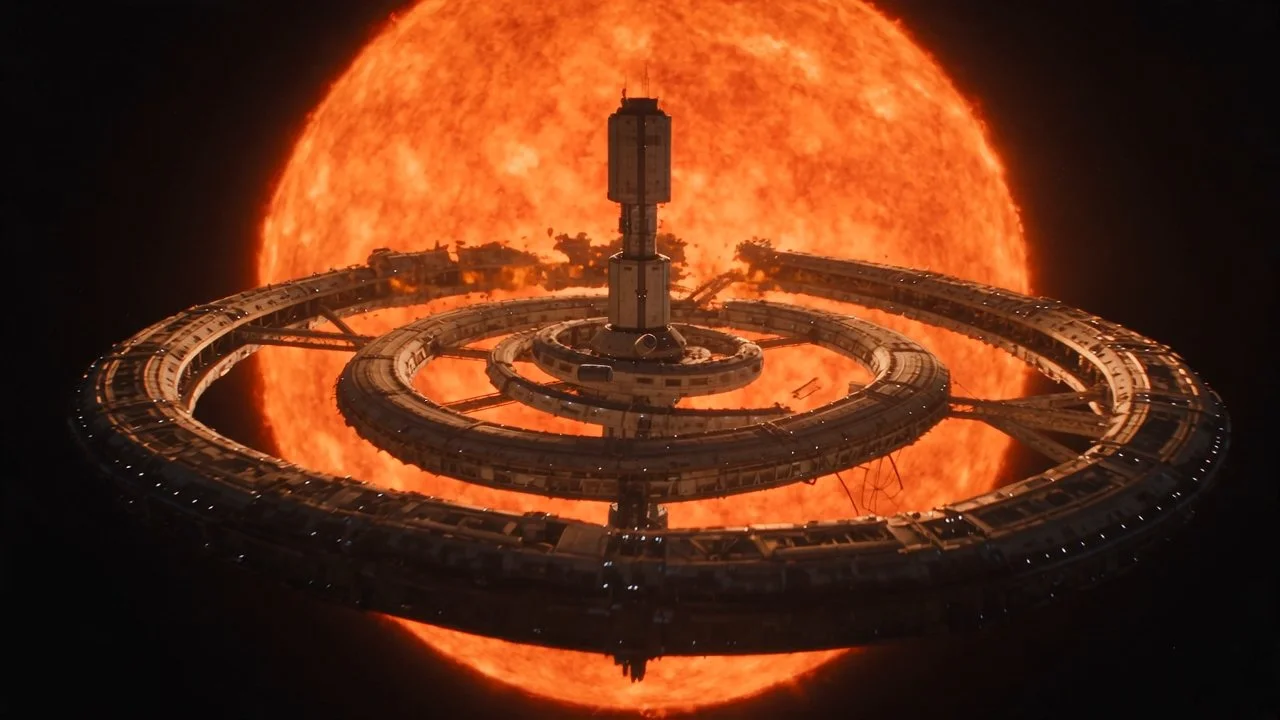
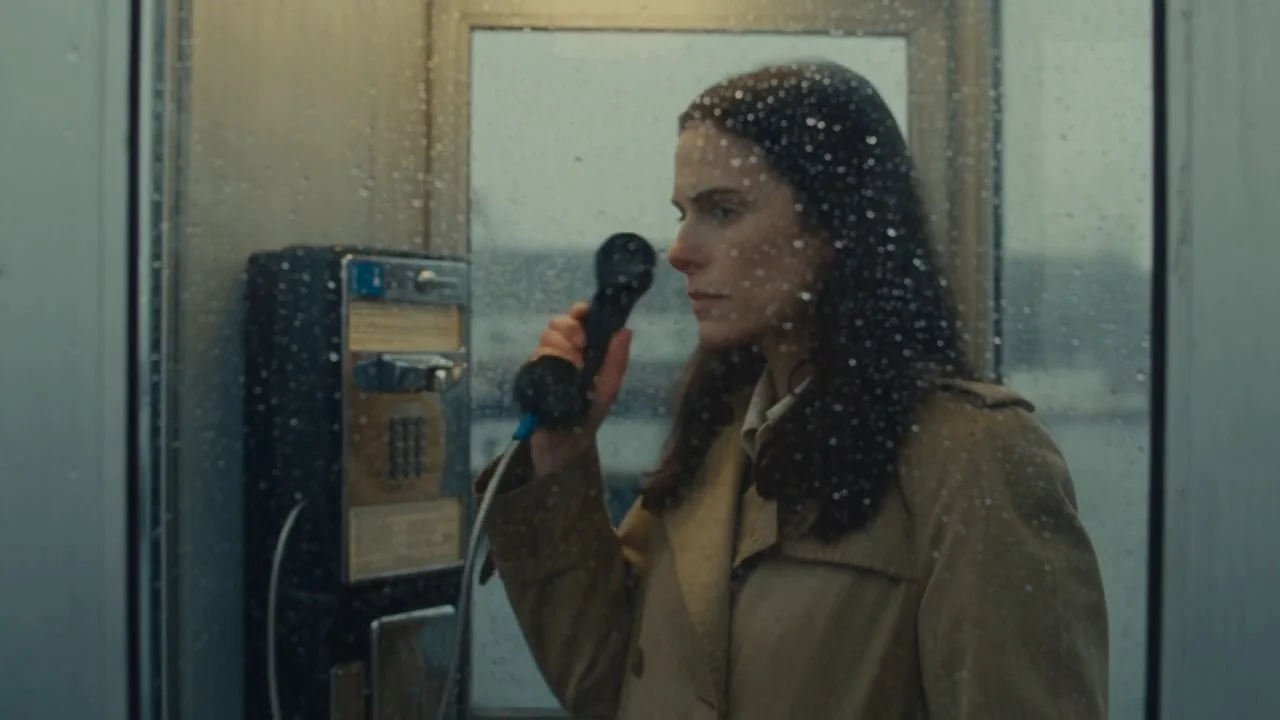

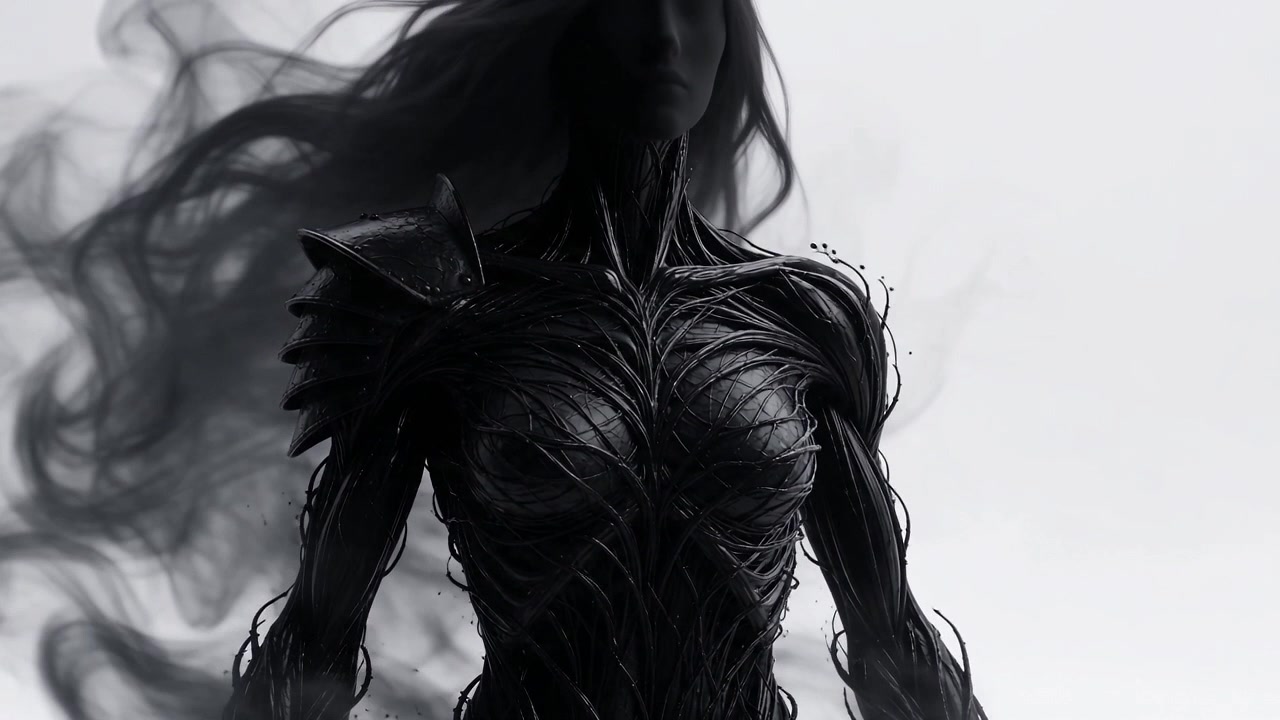
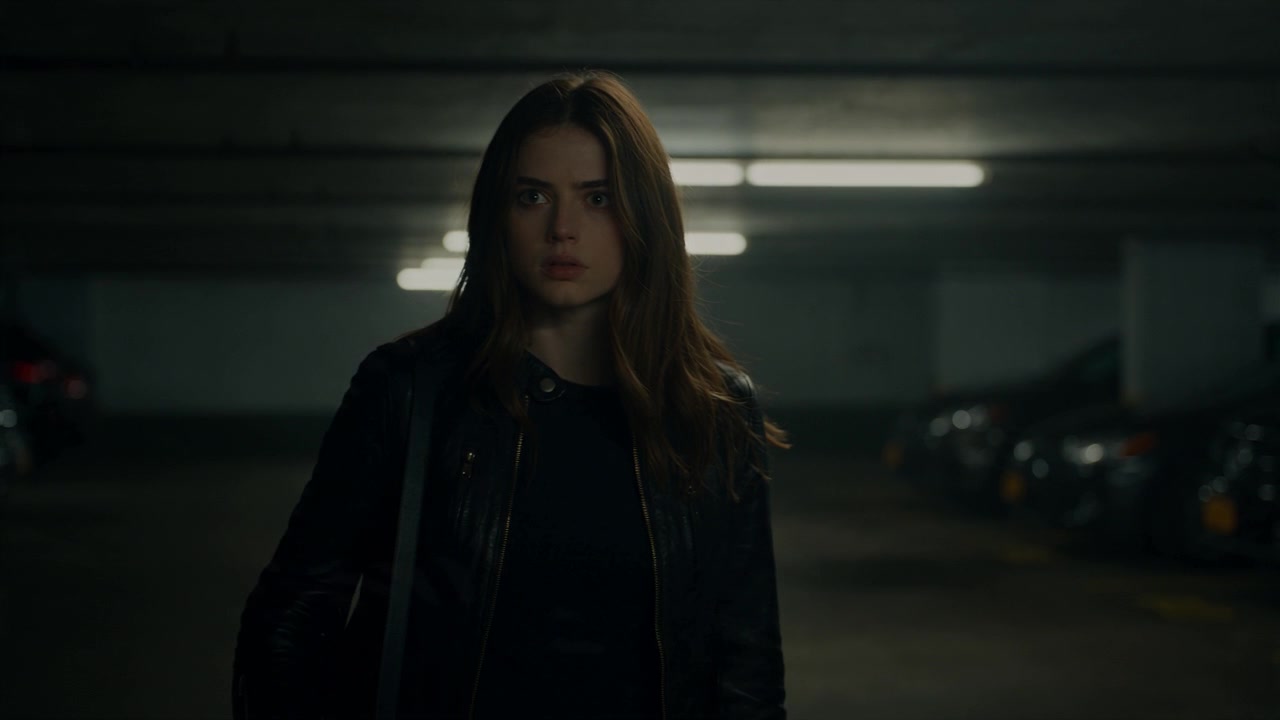
Explore the gallery
Short Story Videos Make Every Scene Count
Short story videos are compact narratives that establish a situation, create a change, and leave the viewer with a clear final beat. That beat may be emotional, funny, surprising, or action-driven, but each scene has to contribute because there is little room for a long setup or explanation.
This page helps visitors compare how short story video examples use pacing, framing, character movement, and visual contrast to build a complete experience. The collection can spark ideas for deciding how quickly to introduce a subject, where to place the turning point, and whether the ending should resolve the moment or leave it open.
Looking for a Short Story Style That Fits the Mood?
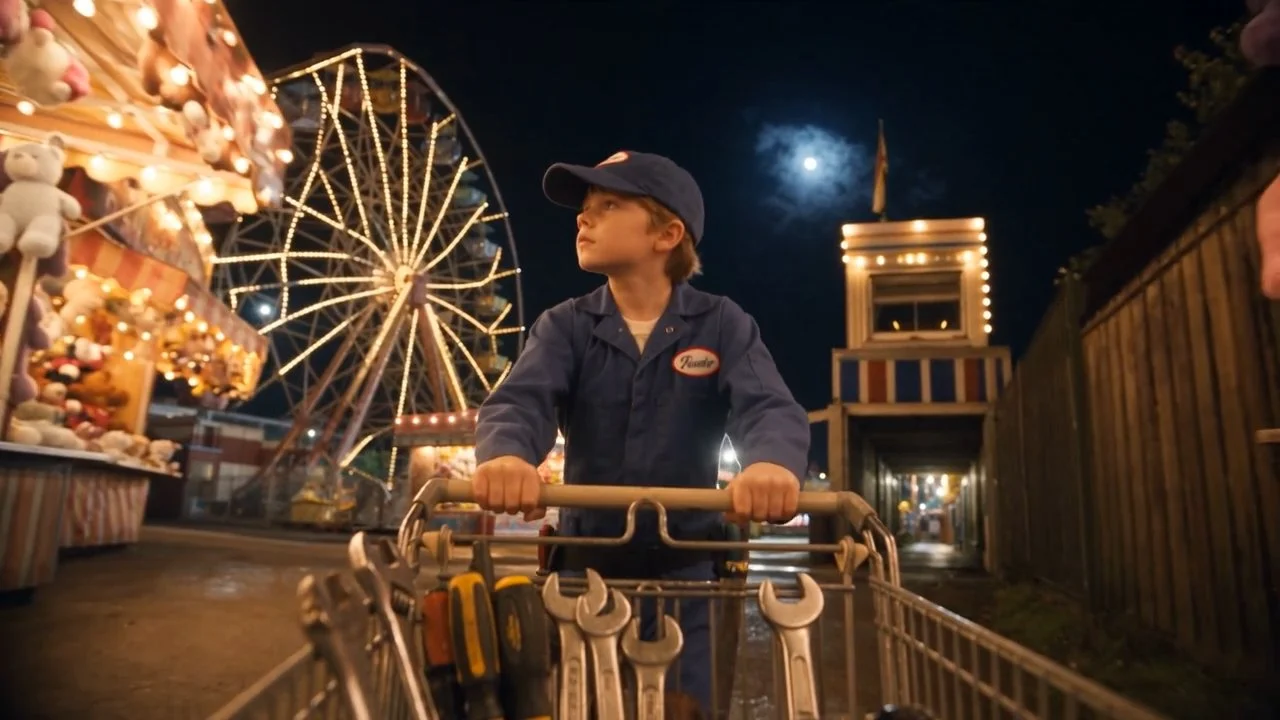
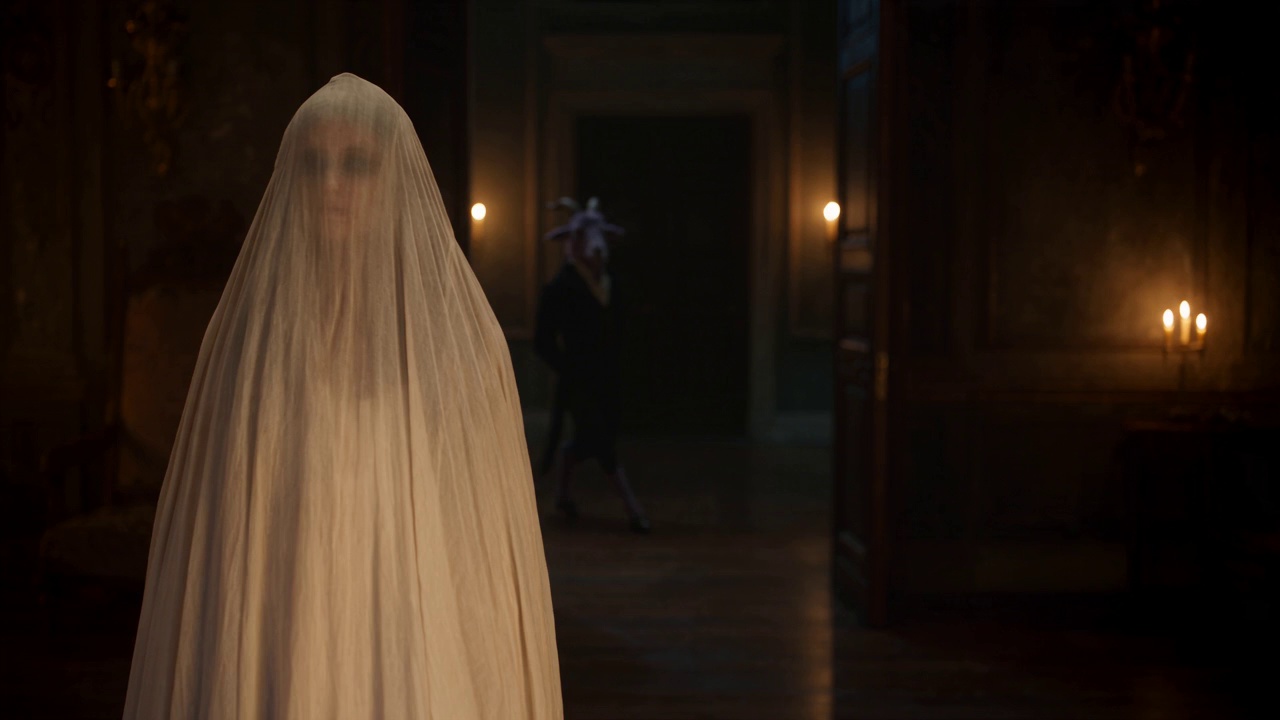
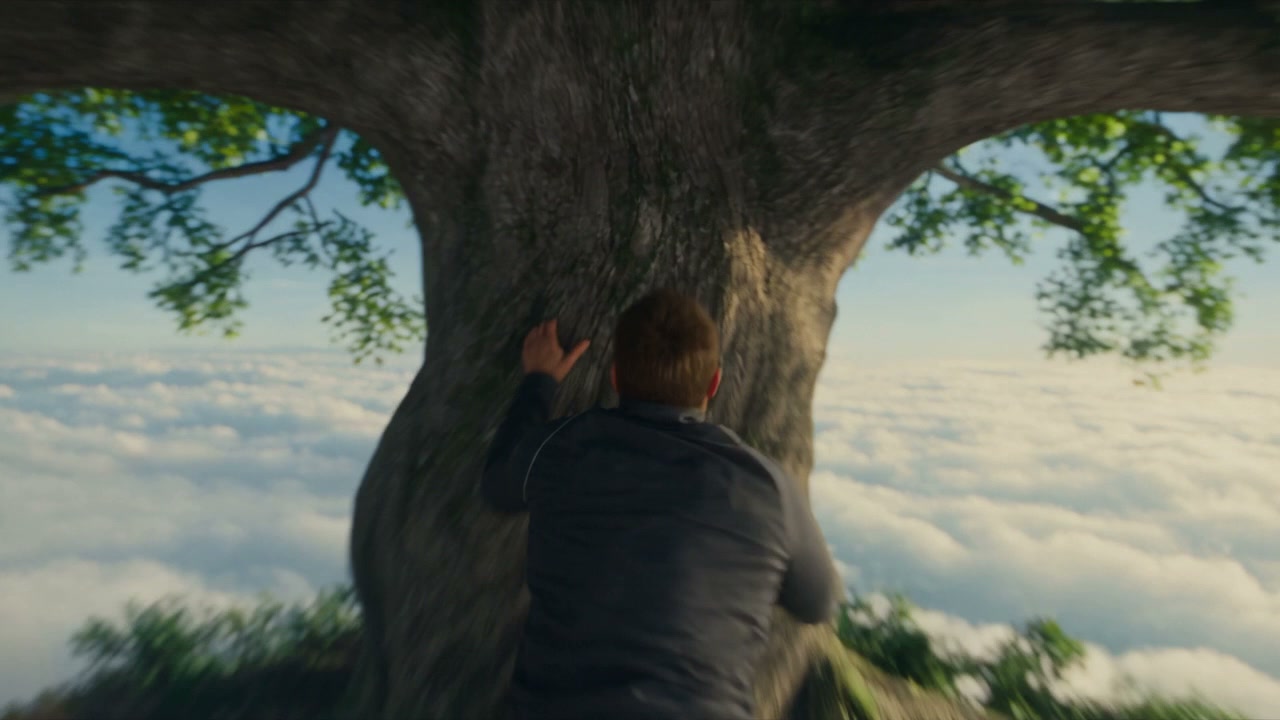
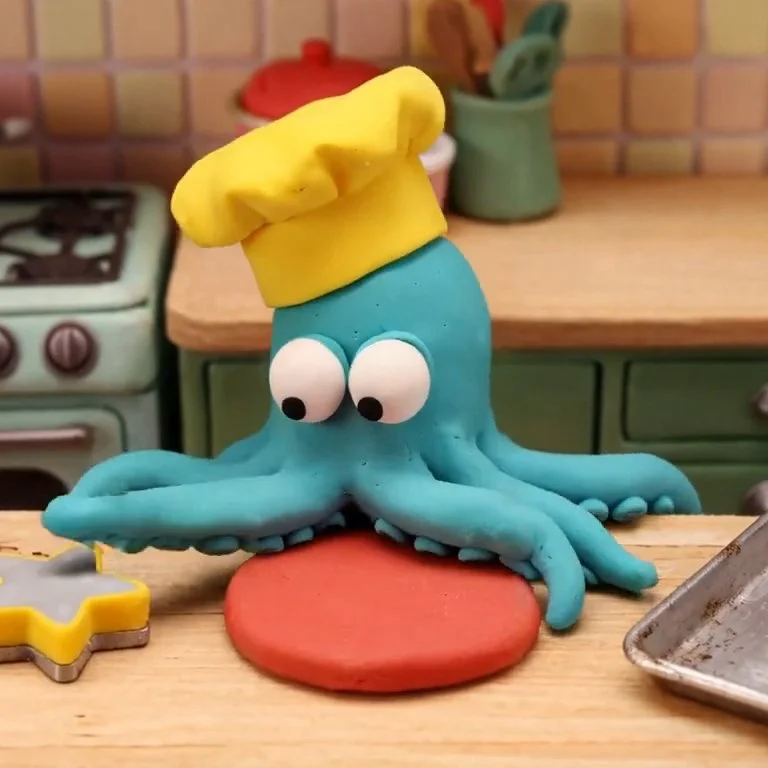
The current collection moves from a quiet nature reflection to a playful banana-date twist, anime combat, a football meme aftermath, and a cartoon cloud race. These examples show that a short visual story can rely on narration and atmosphere, a recognizable joke, a chase, or a single burst of conflict rather than one fixed genre.
A reflective story is easier to absorb when shots have room to breathe and the visual focus changes gently. Comedy benefits from a clear setup followed by an unmistakable reversal, while action needs readable goals and a decisive final beat. Comparing those rhythms can help identify the simplest structure that still makes the intended mood land.

Questions?
We're here to make it clear. Check out our FAQs, and if you still have questions, Pexo is always ready to help.
How much story can a short video realistically include?
Focus on one main situation and one meaningful change. Extra characters, locations, or side plots can make a short piece feel incomplete unless every addition directly supports the final beat.
Does a short story video need dialogue or narration?
No. A clear sequence of actions, reactions, and visual contrasts can carry the story without spoken explanation. Narration is useful when the inner thought or context cannot be shown naturally.
How can a short story ending feel complete without overexplaining it?
Return to the central setup and show what changed. A reaction, visual callback, solved problem, or deliberate final image can provide closure without adding a long explanation.