

Pexo›AI Video Gallery›For Healthcare
Healthcare Video Examples
Browse healthcare video examples with patient education, medical technology, service explainers, and animated diagrams for clear visual communication.
15 videos









Explore the gallery
Healthcare Videos Make Complex Information Easier to Follow
Healthcare videos are visual explanations that help people follow a health topic, care process, service, technology, or professional workflow. Depending on the audience, they may use plain-language scenes, diagrams, interface views, or carefully labeled animation to make unfamiliar information easier to approach without removing important context.
Healthcare video examples make it easier to compare how tone, detail, pacing, and visual style change for different communication goals. This page helps you study how a sensitive subject can be introduced, how a process can be divided into manageable steps, and how technology or anatomy can be represented without overwhelming the viewer.
Looking for a Healthcare Video Style That Fits Your Communication Goal?
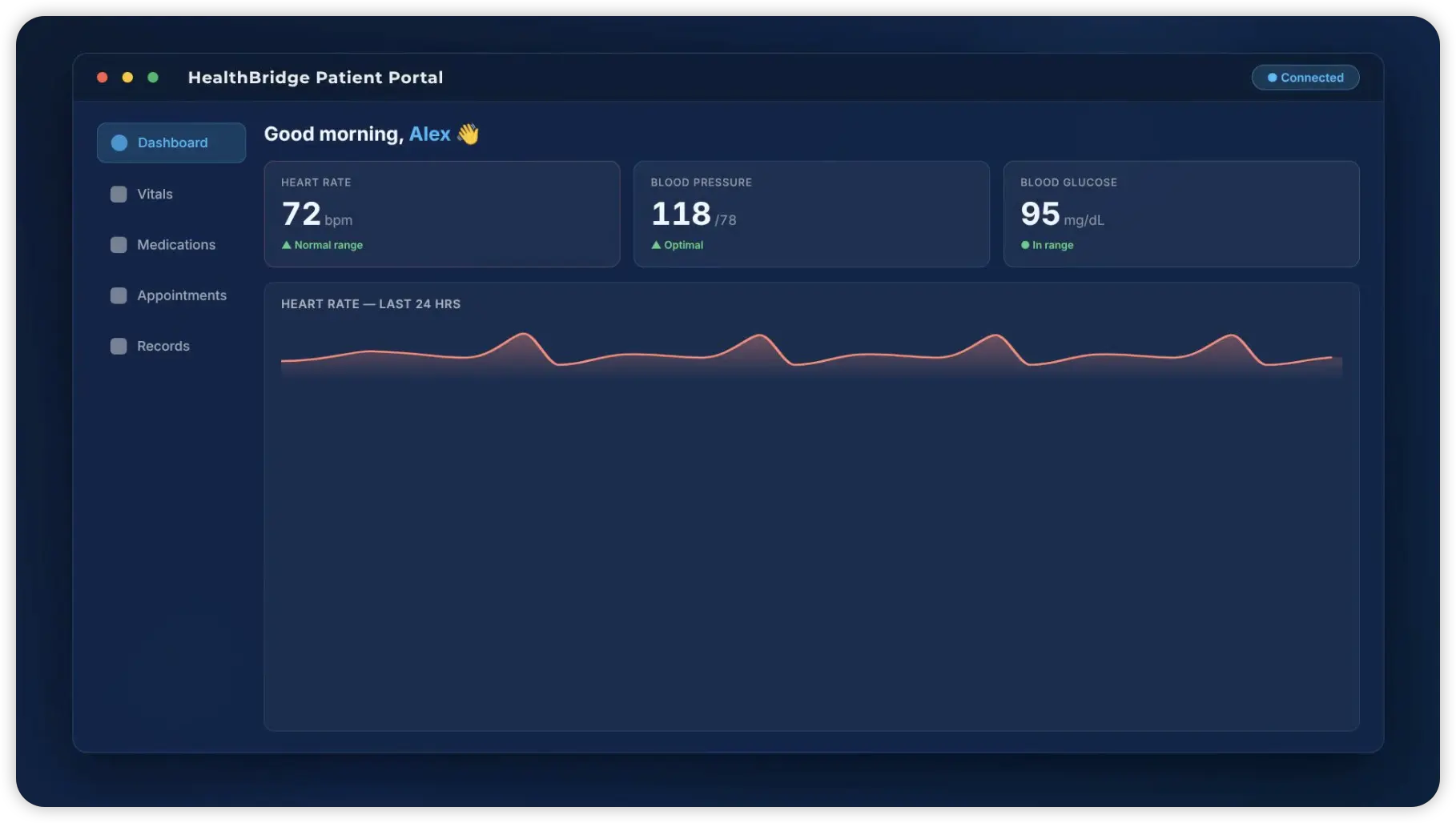
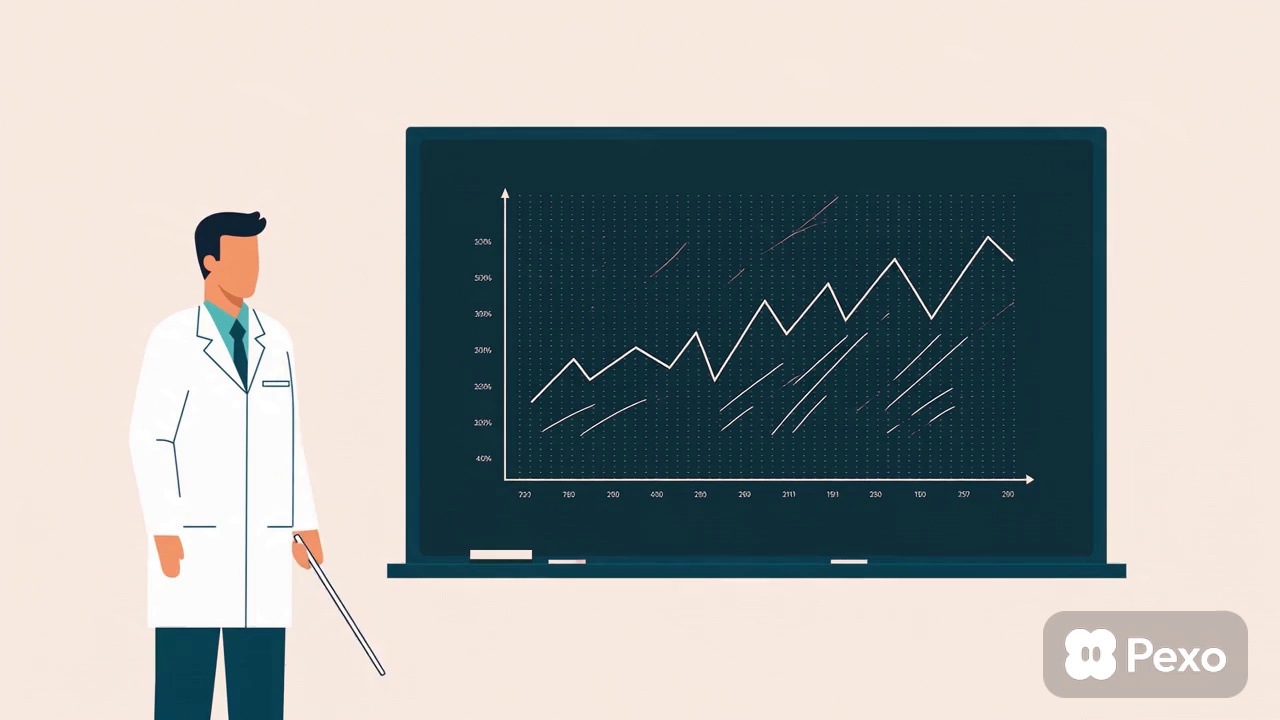
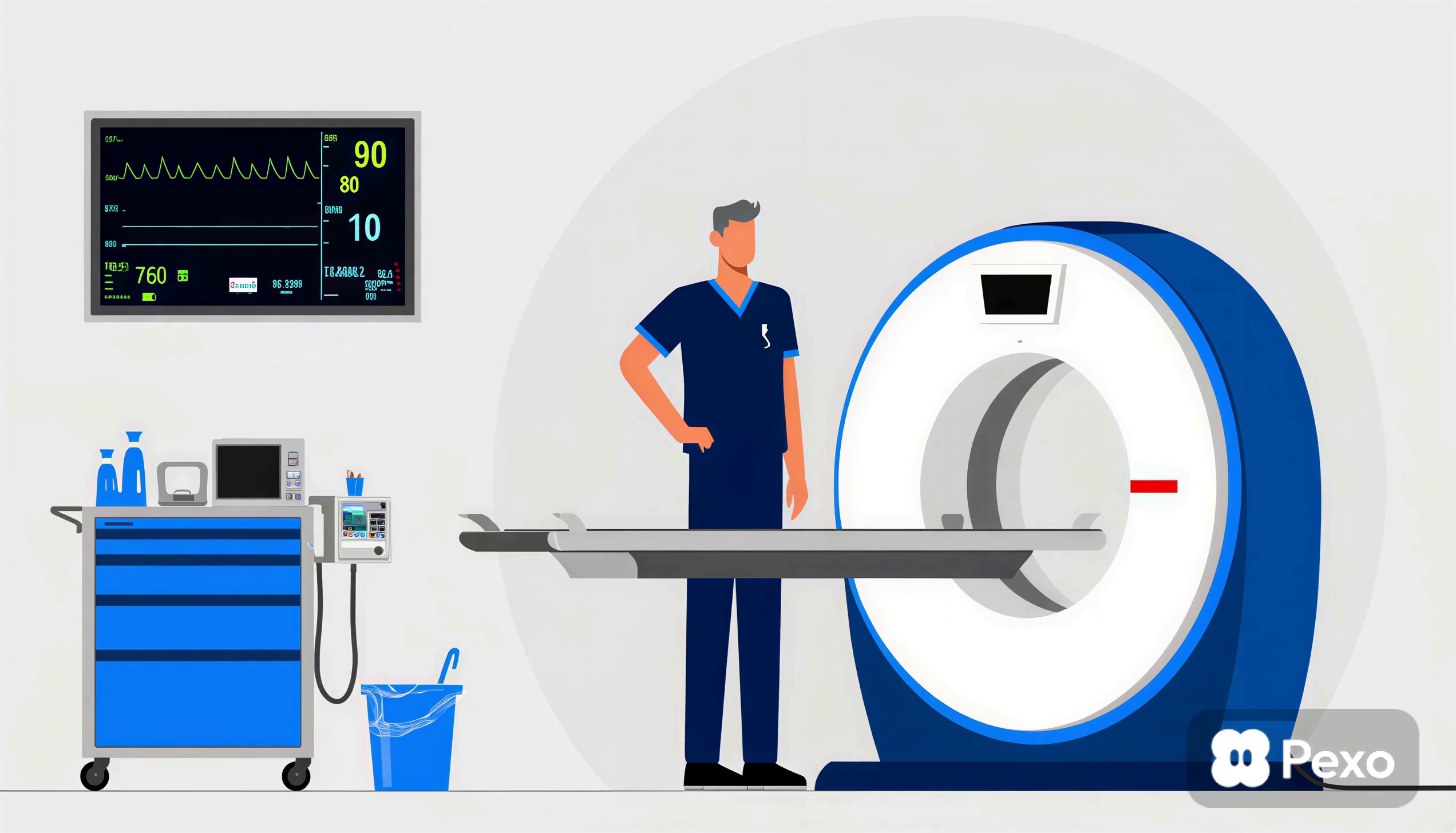
The current collection includes patient education, medical monitoring, tele-mentoring, rehabilitation, nerve pain, equipment services, laboratory subjects, hygiene, and healthcare platforms. Most examples use landscape formats with flat-vector characters, isometric systems, diagrams, editorial motion, and interface-led scenes; a smaller number use vertical or hand-drawn treatments.
A patient-facing explanation benefits from familiar situations, plain language, and a calm pace. A technology or equipment story may need labeled diagrams, interface states, or a system view that shows how parts connect. Professional training can carry more detail, but the sequence should still establish the goal before introducing terminology. Review medical wording and claims with a qualified subject expert before distribution.

Questions?
We're here to make it clear. Check out our FAQs, and if you still have questions, Pexo is always ready to help.
How can medical animation avoid misleading scale or movement?
Label simplified or enlarged views, keep spatial relationships consistent, and avoid motion that suggests a mechanism the evidence does not support. When an animation is illustrative rather than anatomically exact, state that clearly. Subject experts should review both the script and the visual interpretation.
How should a healthcare video be localized for another language or region?
Translate for meaning and health literacy, not word for word. Review medical terms, units, treatment pathways, emergency guidance, and regulatory wording for the target region. Allow extra layout space for translated captions and have local subject experts check the final narration and on-screen text.
How should sources and update dates be managed for healthcare video content?
Record the source, publication date, reviewer, and approval date for each important claim. Add a visible review or update date when guidance can change. Create a process for checking older videos so outdated recommendations can be revised, archived, or clearly labeled.
How can healthcare video comprehension be tested before release?
Ask representative viewers to explain the key message and next action without prompting. Observe where they pause, misread a diagram, or remember the wrong detail. Combine this feedback with expert review, then revise wording, labels, pacing, or scene order before final approval.