
Pexo›AI Video Gallery›Live Action
Live Action Video Examples
Explore live action video examples using people, products, real settings, explainers, events, vlogs, food, sport, property, and visual effects.
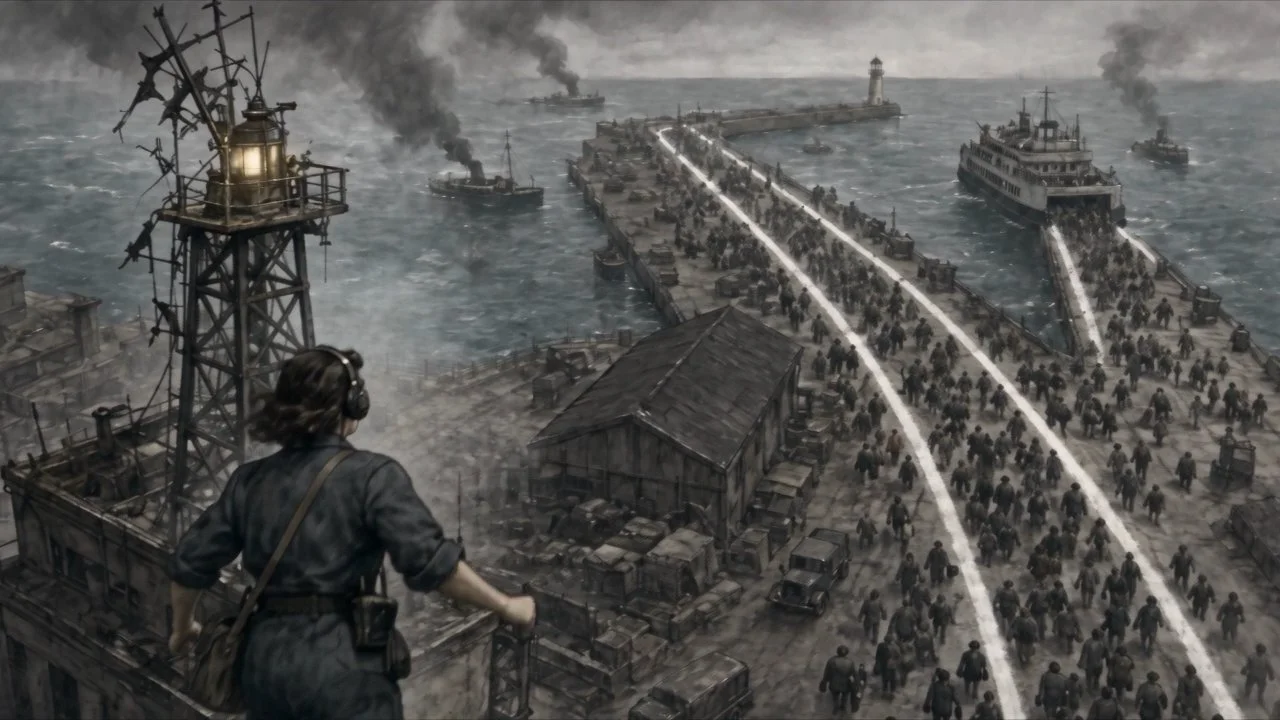
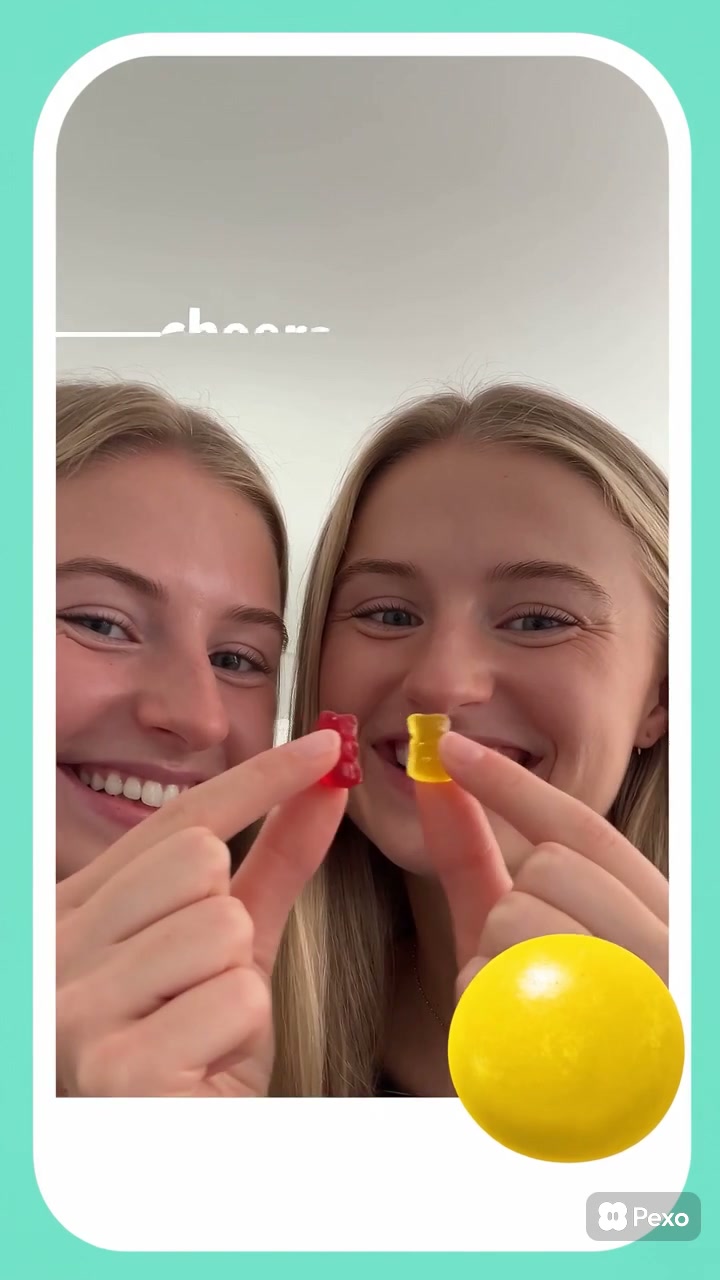
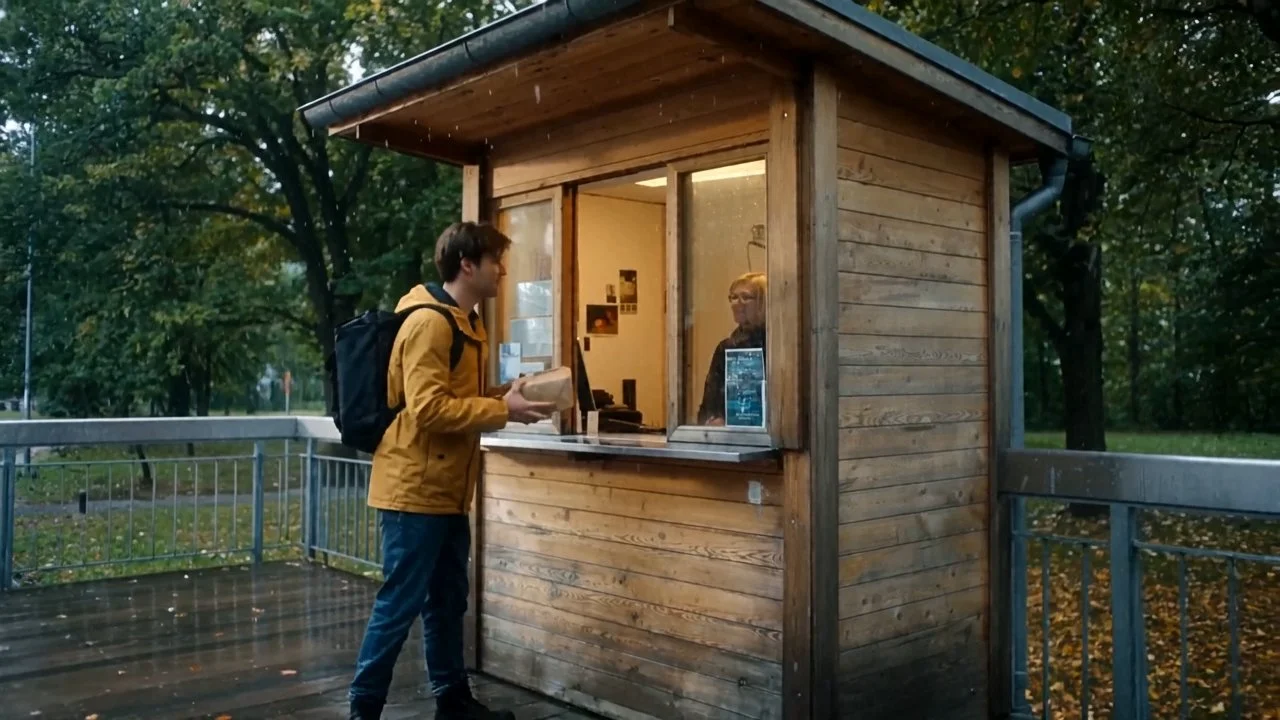
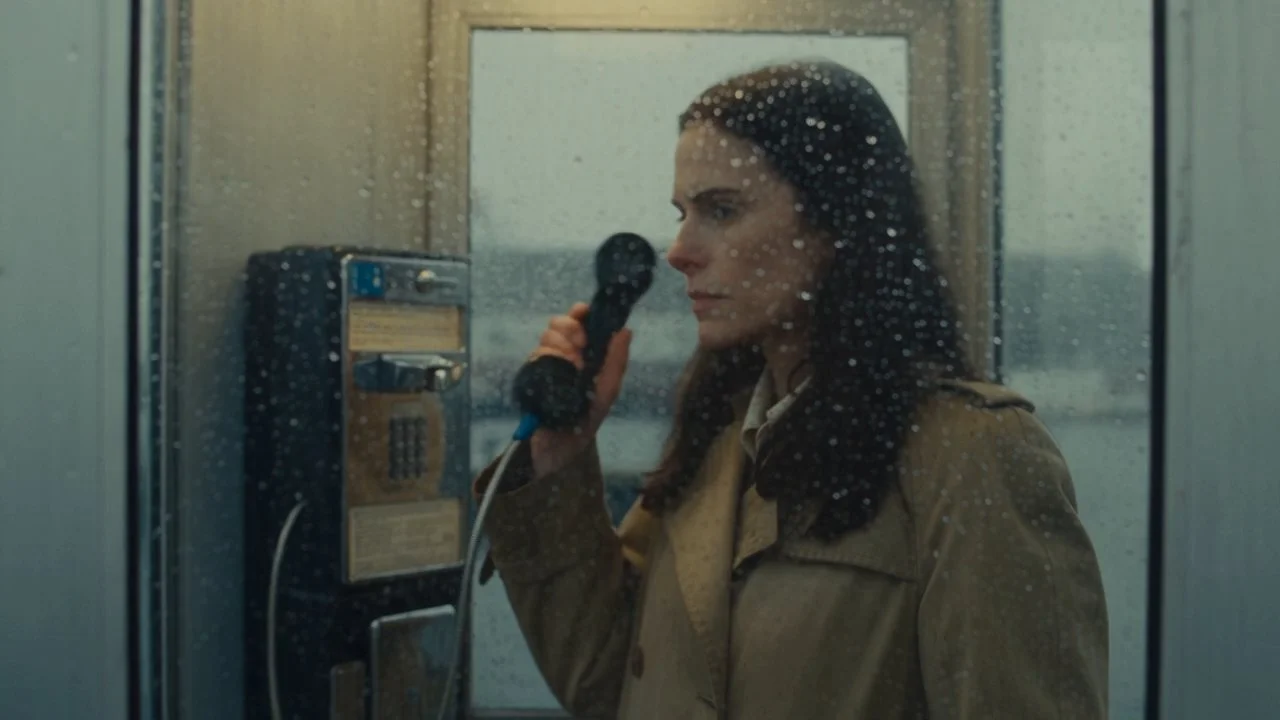
Bicycle Courier Delivers a Package on a Rainy Day
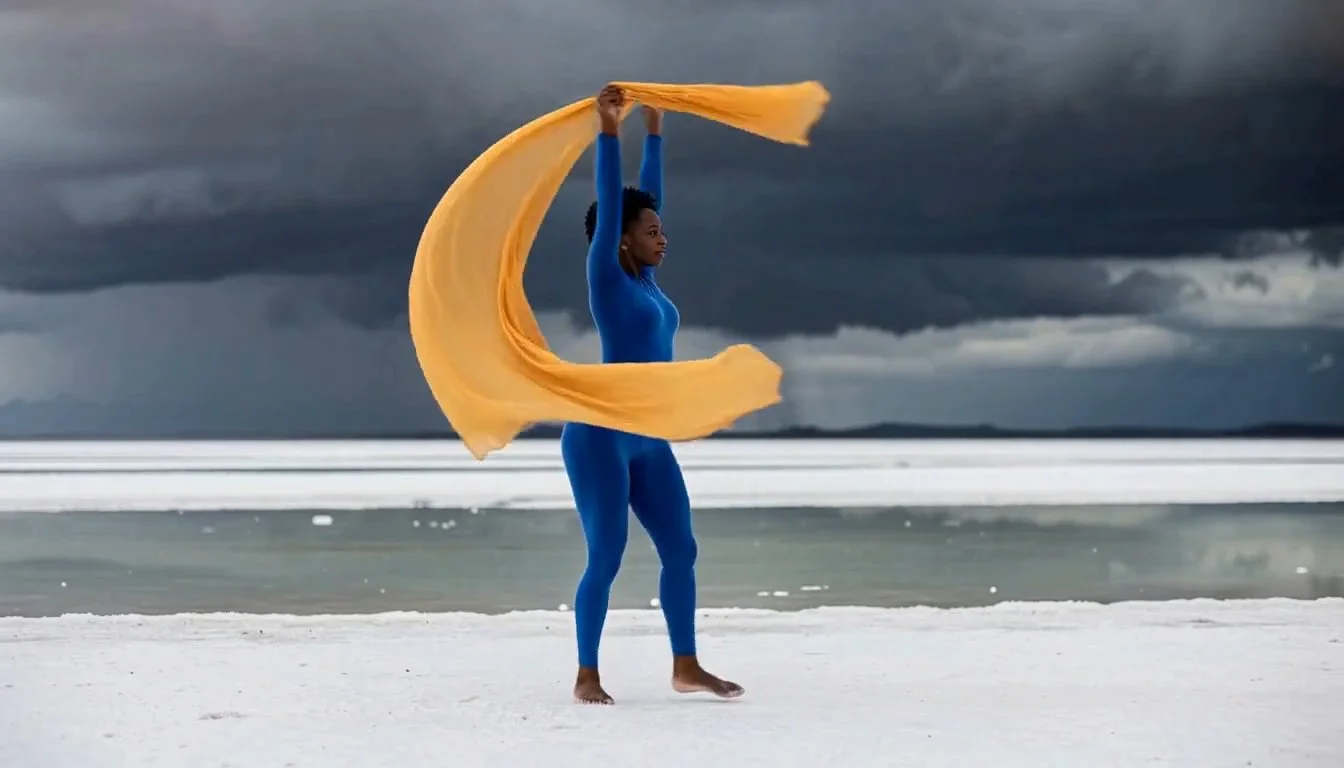
Dancer Tosses a Long Yellow Scarf on the Shore
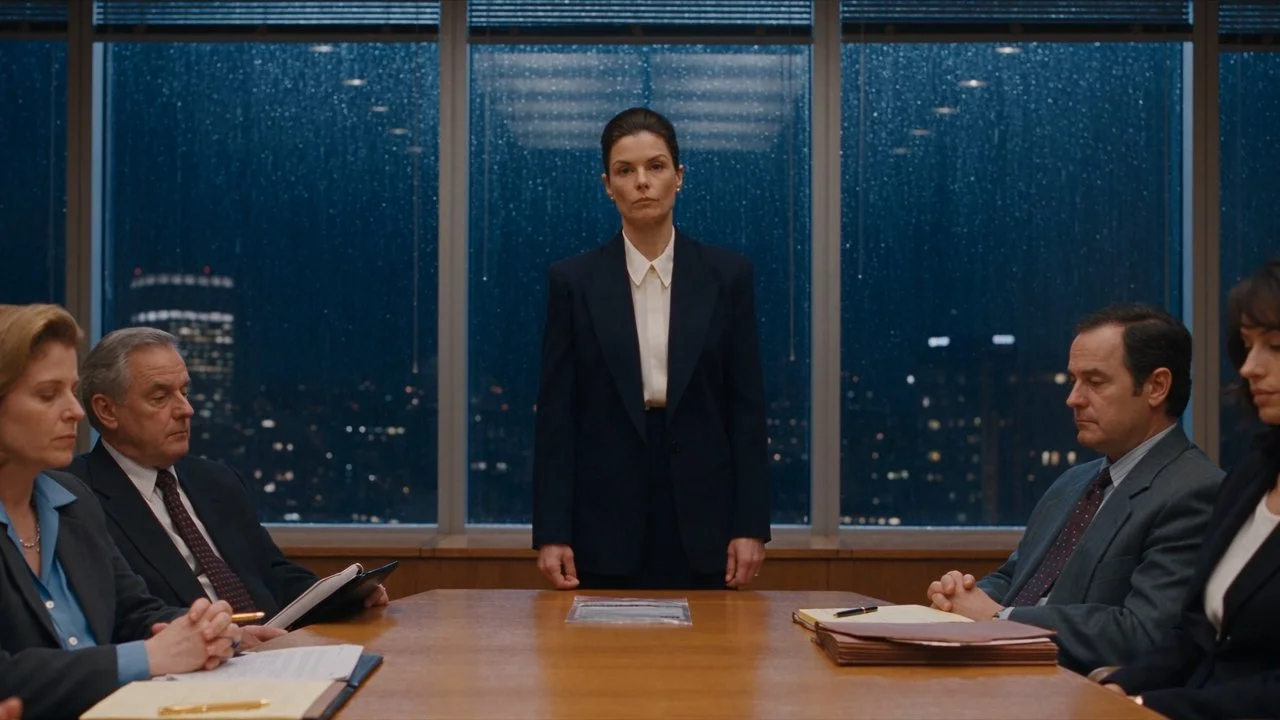
Boardroom Presentation Leaves an Executive Stunned
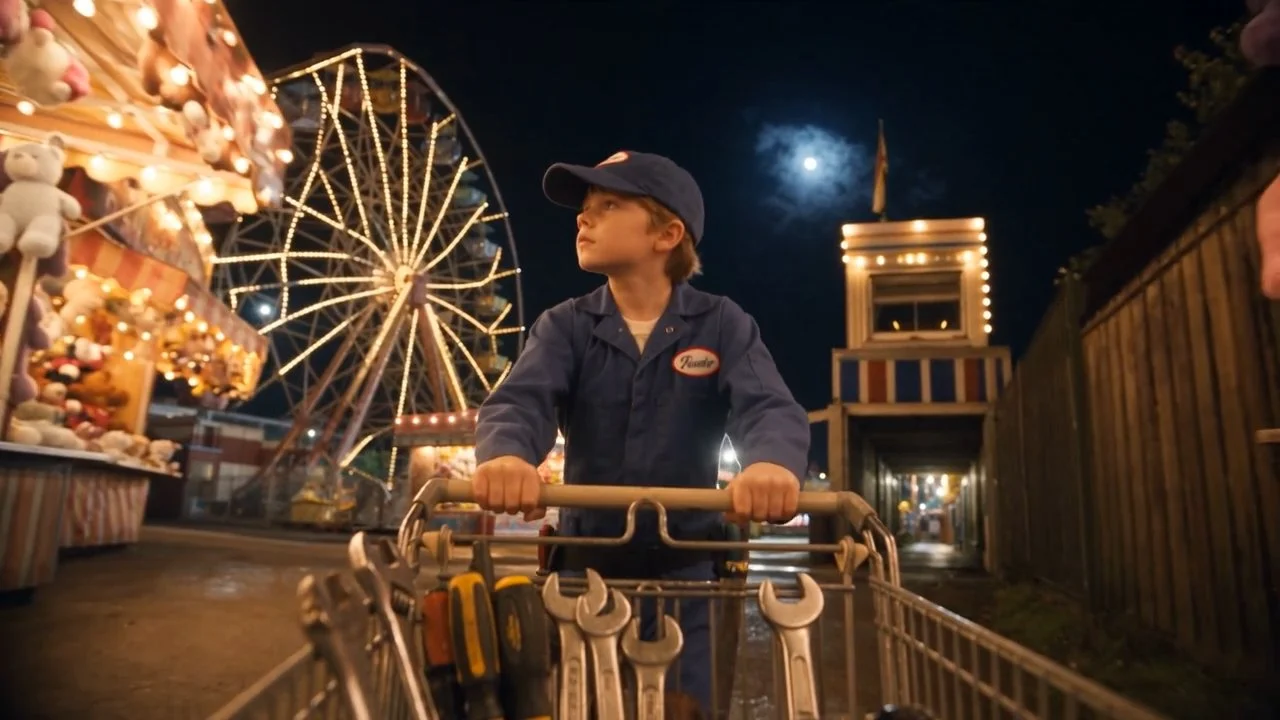
Night Worker Finds Strange Creatures at an Amusement Park
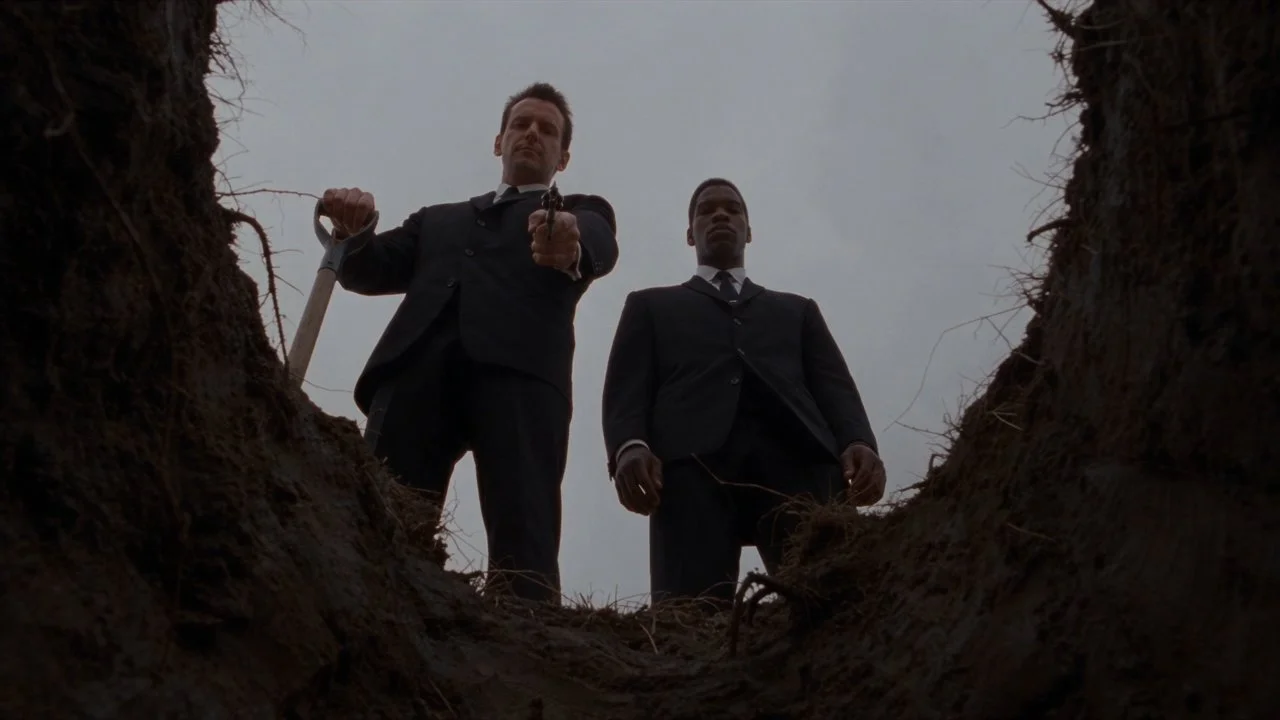
Two Suited Men Look Down into a Deep Pit

Editorial Skincare Campaign
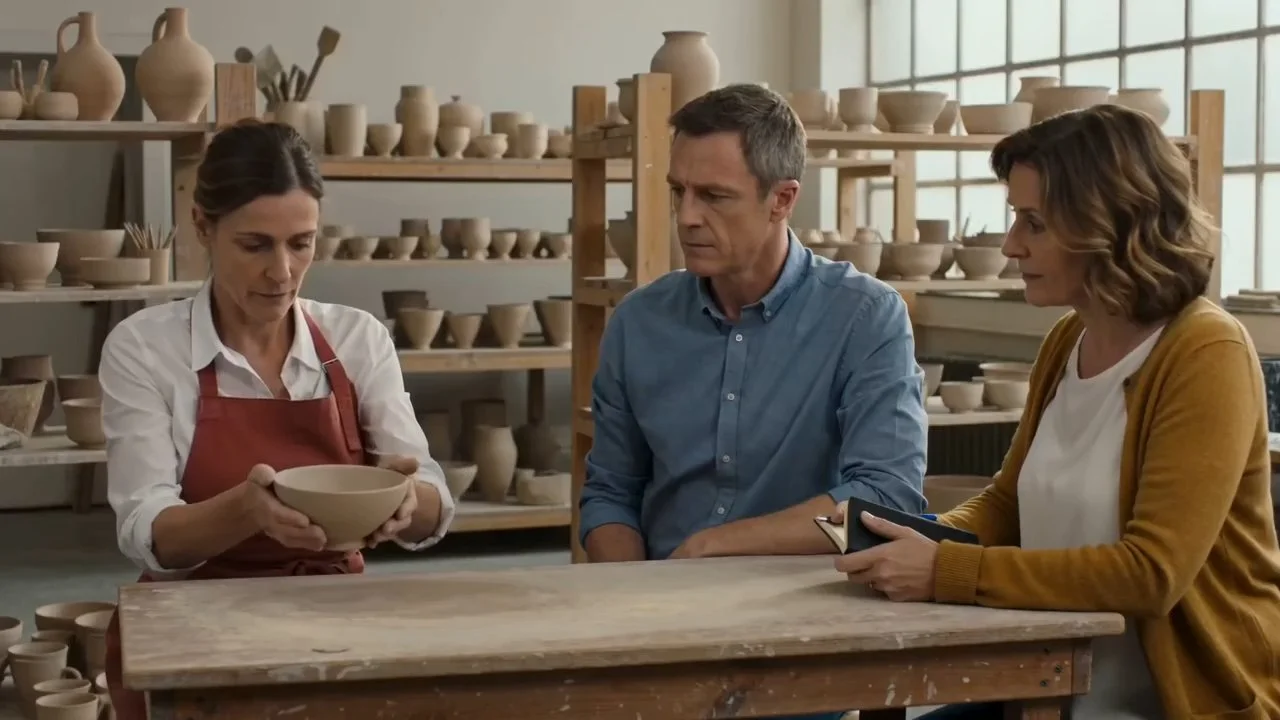
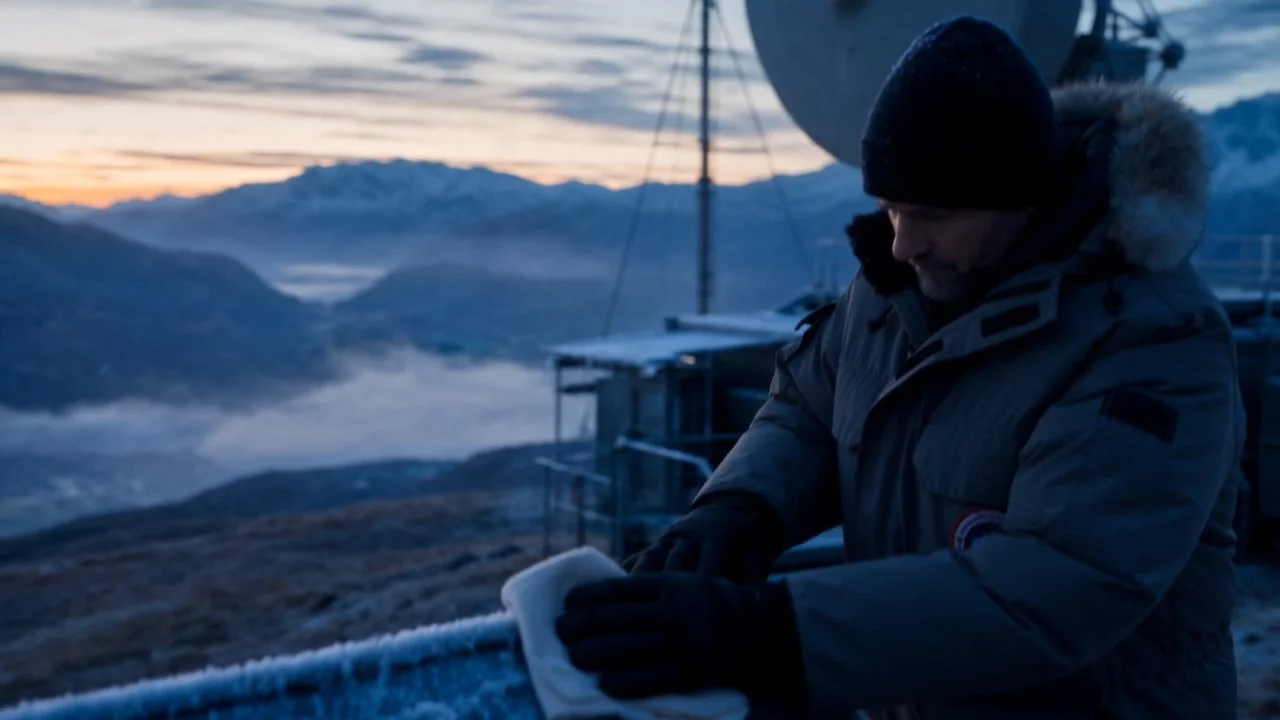

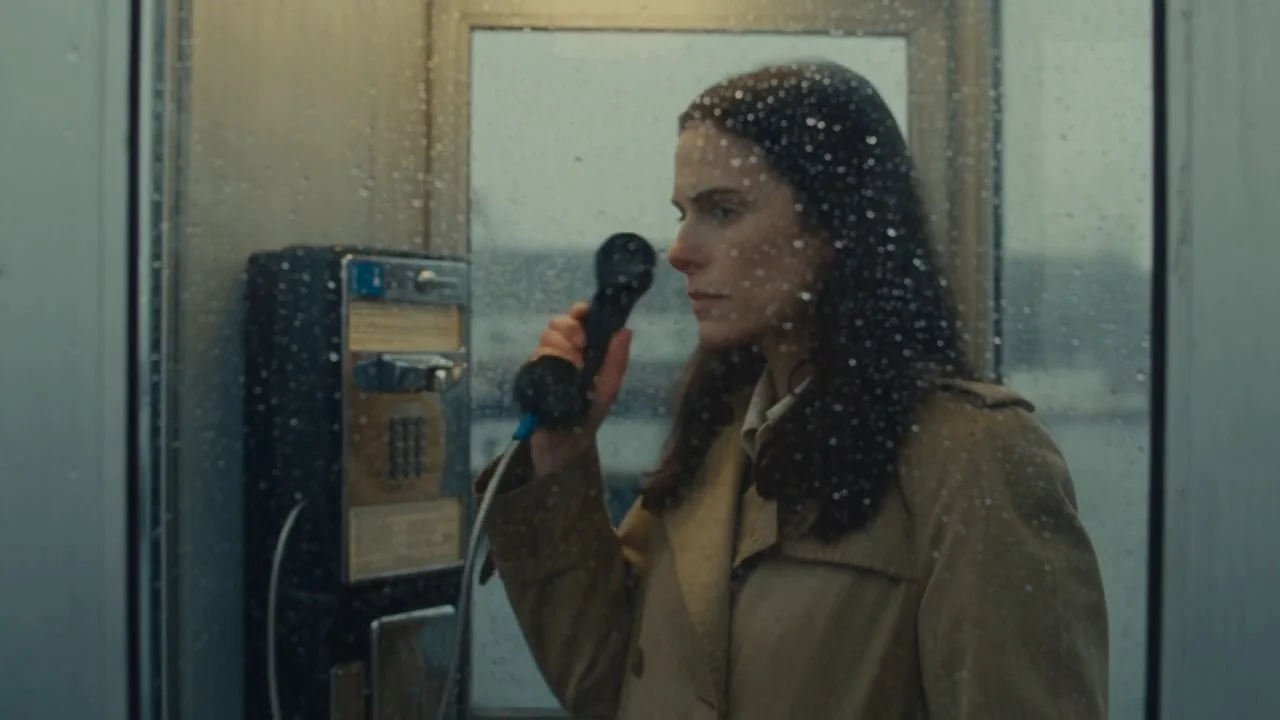
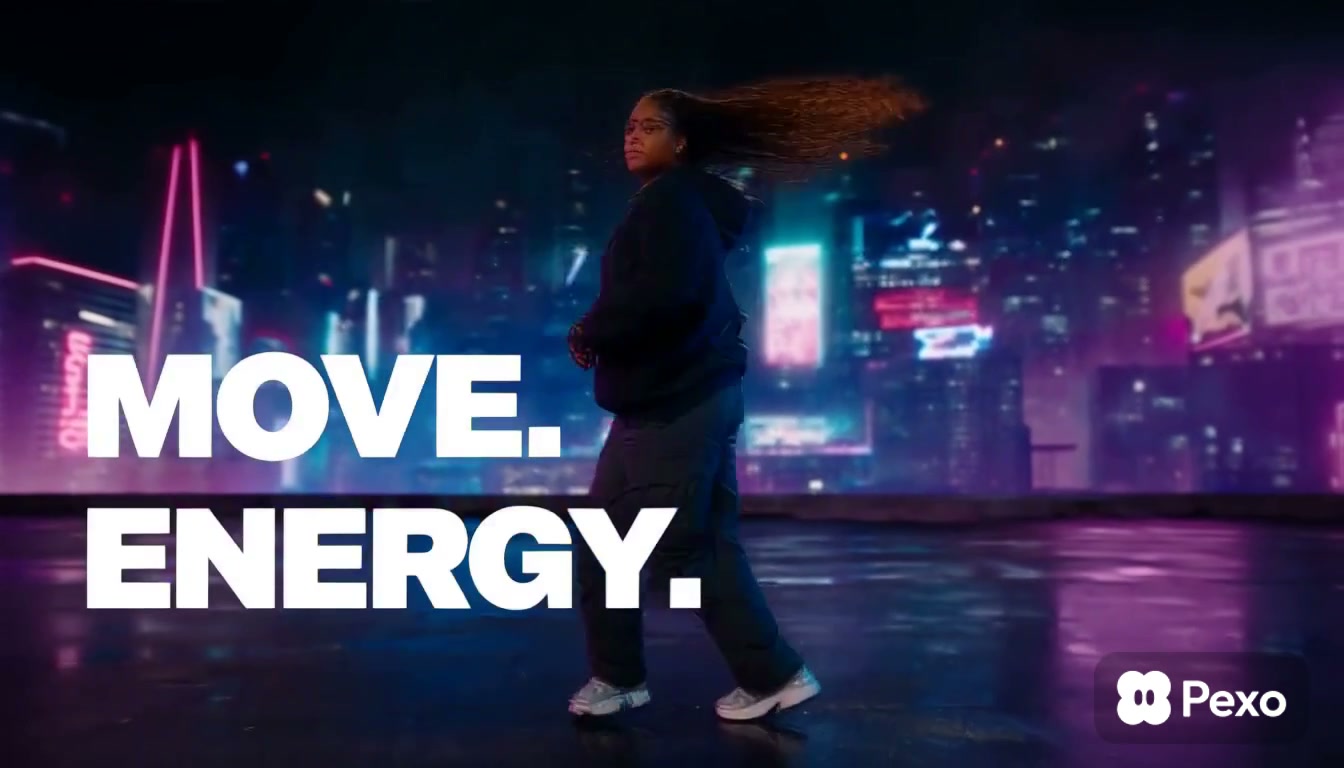

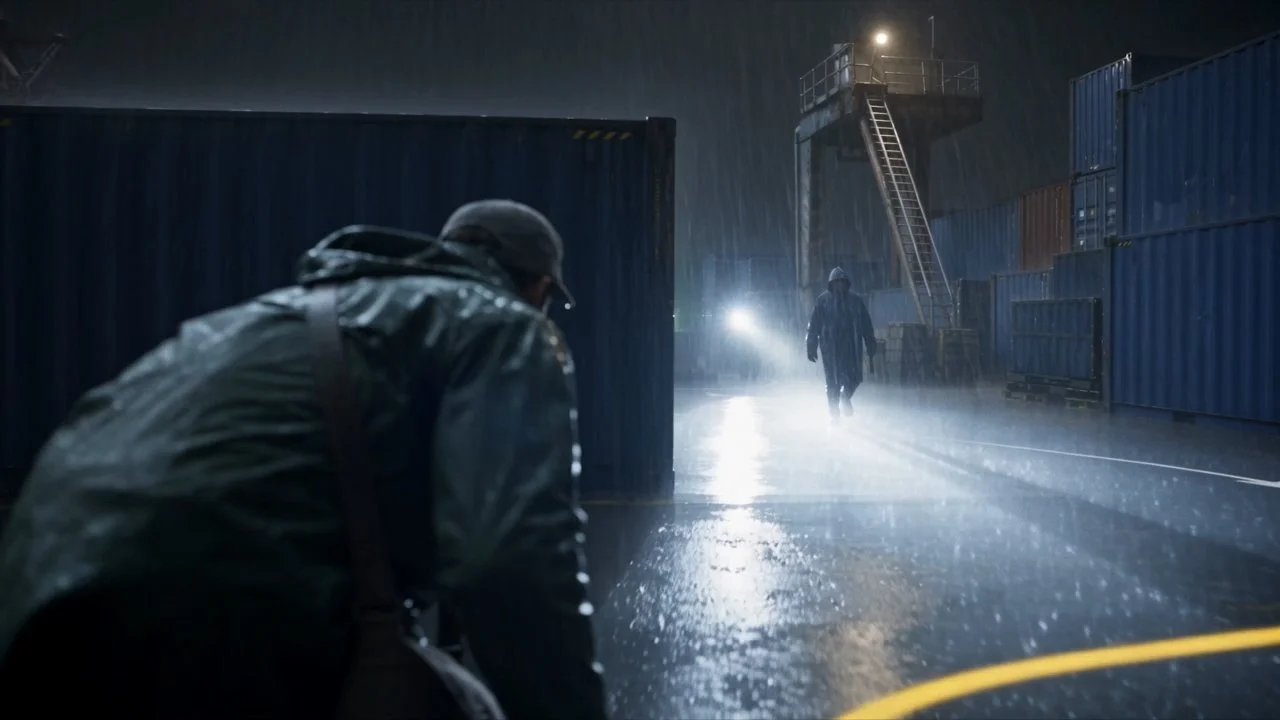
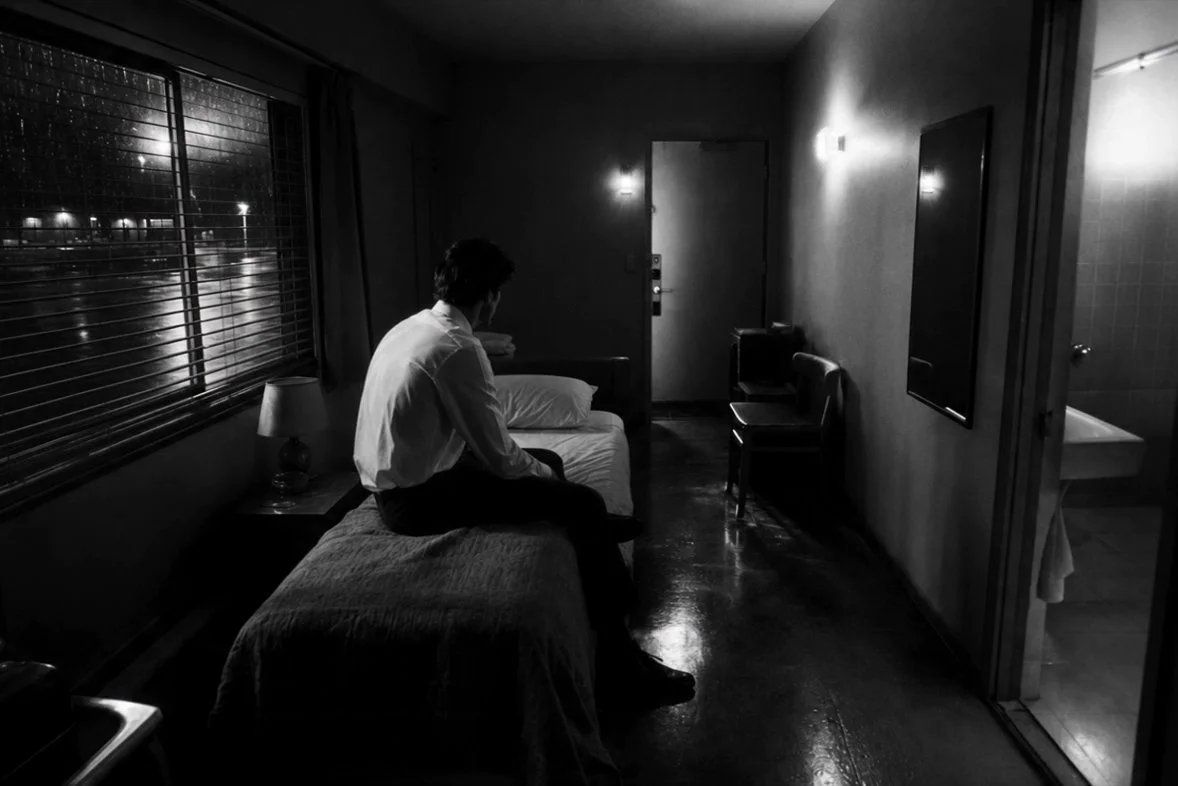

Explore the gallery
Live Action Videos Make People and Places Feel Immediate
Live action videos are filmed scenes built from real people, objects, and environments. Performance, camera distance, location, light, sound, and editing determine how close or polished the result feels, while graphics and effects can add explanation or imagination without replacing the physical setting.
This page helps visitors compare how live action video examples use direct product demonstration, event messaging, article-style explanation, vlogging, property presentation, food preparation, sport, everyday comedy, and visual effects. The collection can guide decisions about whether the subject needs a speaker, hands-on action, atmosphere, or a blend of filmed and designed elements.
Looking for a Live Action Style That Fits the Story?
The current collection includes a brewing-machine demonstration, a corporate event announcement, a Parkinson's Law explainer, an AI-tool vlog, a home-value piece, a character swap, a salmon sandwich, a skateboard film, a surreal drink scene, and a birthday-cake surprise. Six assets use landscape framing and four use portrait framing.
A speaker-led explanation needs clean delivery and visual support that appears at the right moment. Product and food scenes benefit from close detail and a visible sequence of use, while sport and atmosphere need wider shots and purposeful movement. Graphics or effects should clarify the idea or heighten the story without making the real subject difficult to follow.

Questions?
We're here to make it clear. Check out our FAQs, and if you still have questions, Pexo is always ready to help.
When should a live action video use a speaker rather than only visual scenes?
Use a speaker when personal perspective, trust, or explanation carries the message. Visual-only scenes work when the action, setting, or product use can communicate the point clearly on its own.
How can motion graphics support live action without taking over?
Use them for labels, emphasis, transitions, or information the camera cannot show. Match their timing and placement to the filmed action so the viewer knows where to look.
How should sound be planned for a live action video?
Record speech and important natural sounds cleanly, then use music to support rather than cover them. Captions or on-screen context should preserve the main idea for silent viewing.