
Pexo›AI Video Gallery›Educational Video
Educational Videos
Browse educational videos using animation, diagrams, narration, infographics, and visual examples to explain science, finance, policy, and practical concepts.
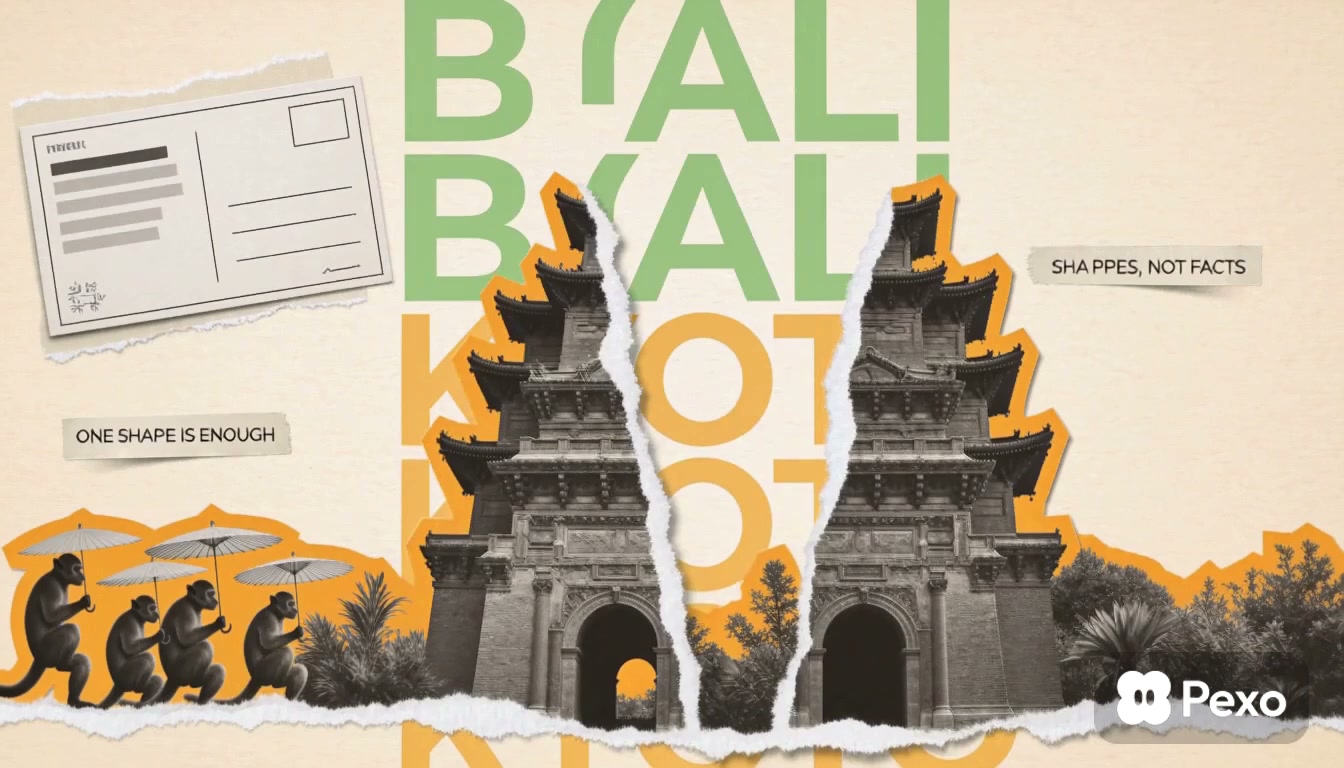
Recognizing Cities by Silhouette

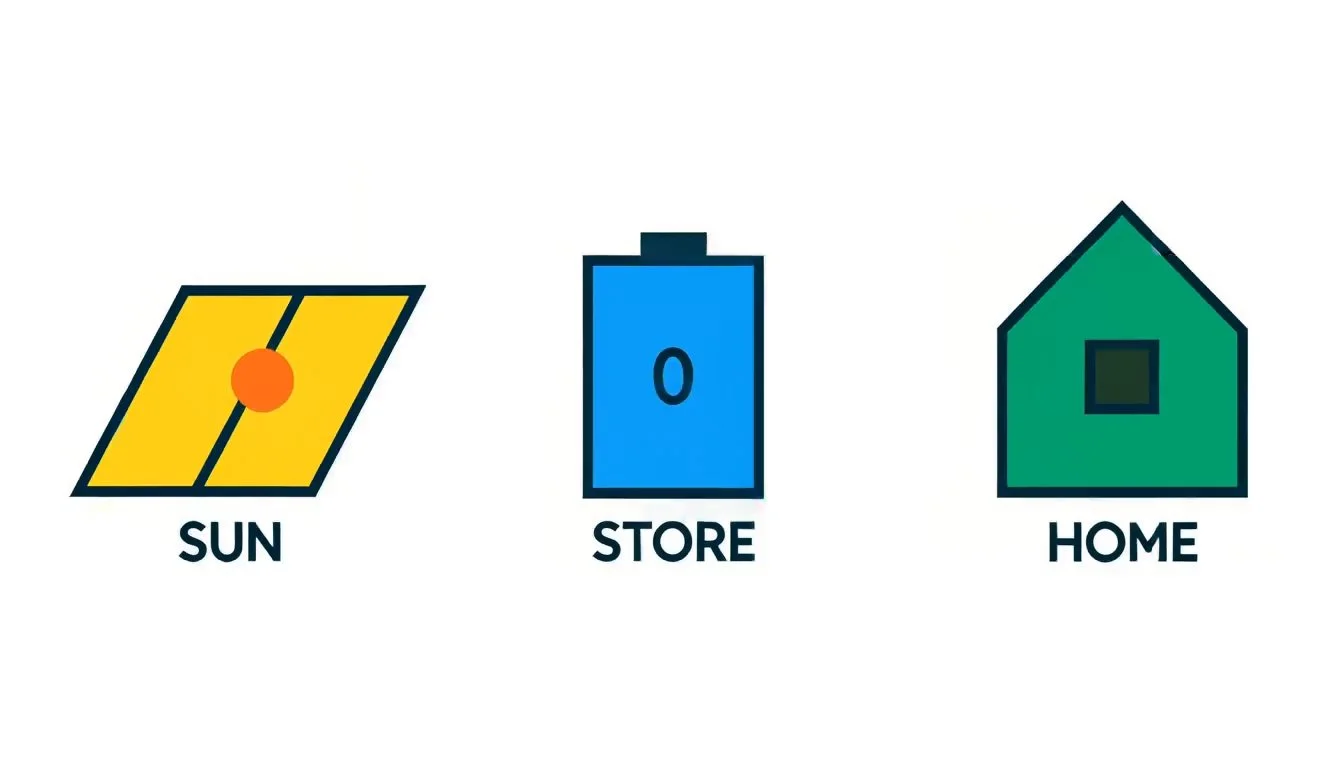
Smart City Network Explanation
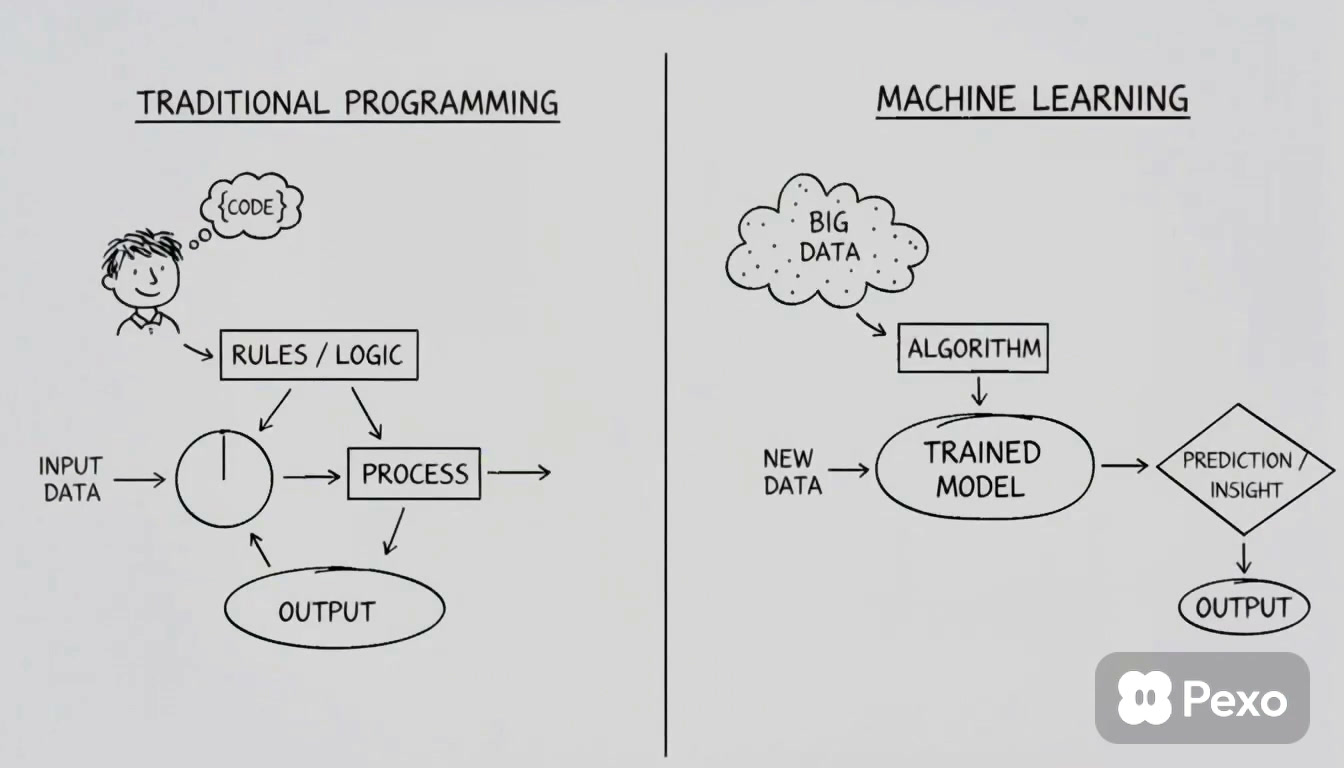
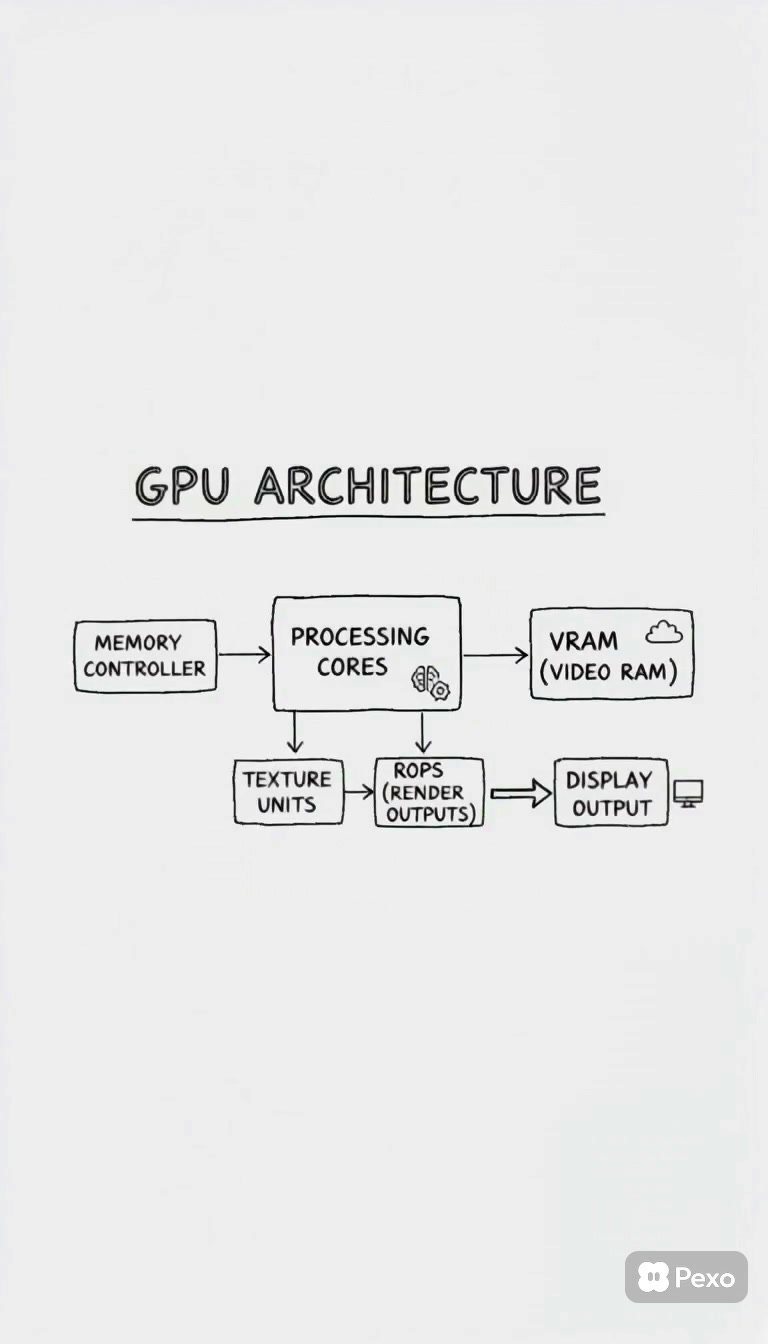
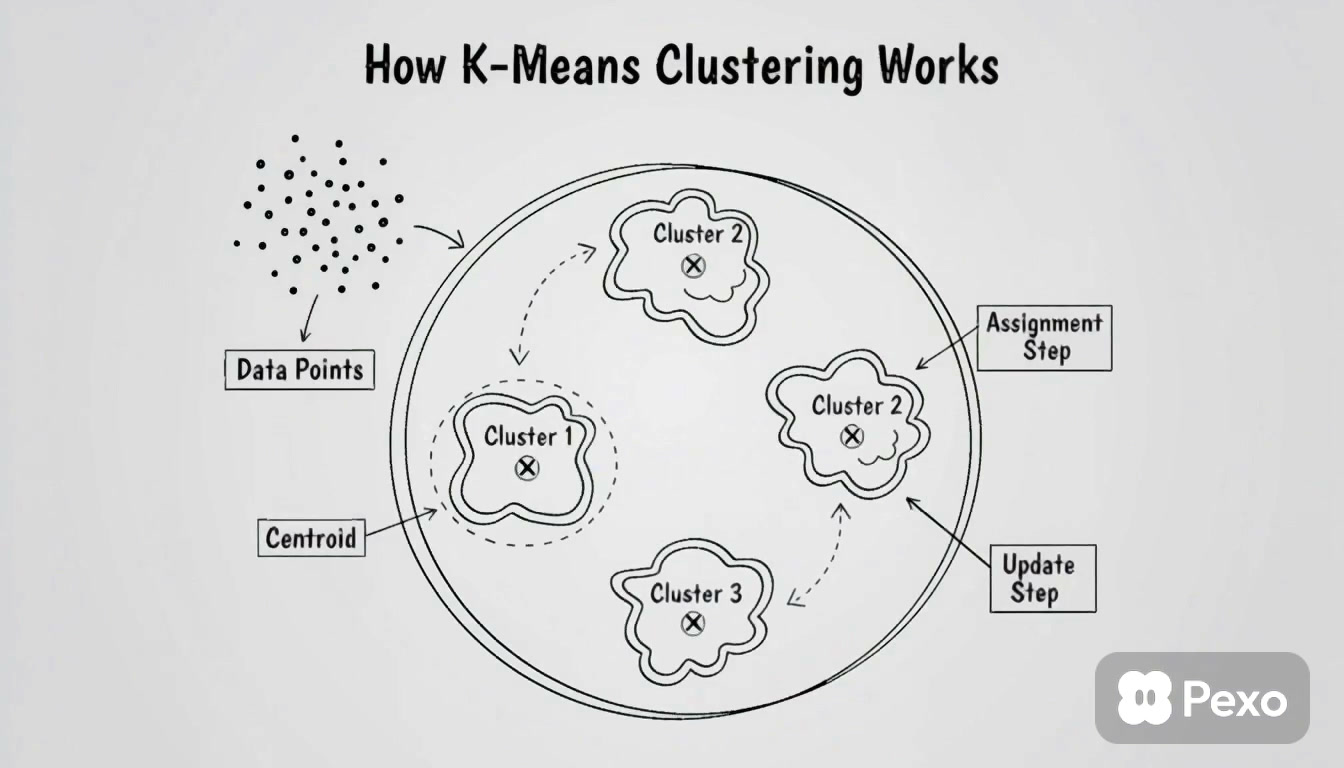
Programming vs Machine Learning

Dynamic Text Layout Explanation
Ancient Games Debunked

Sprinter's Finish Line Lean

Why Cravings Feel Urgent

Why Cyclists Ride in Packs


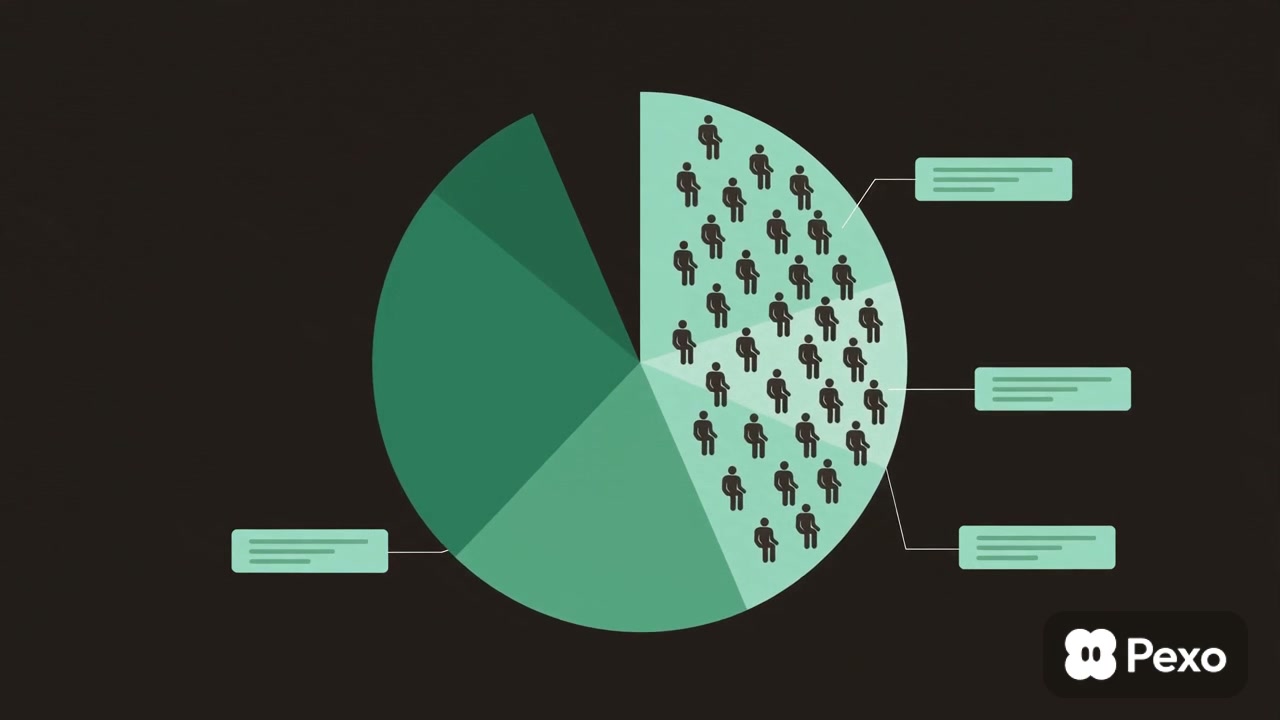
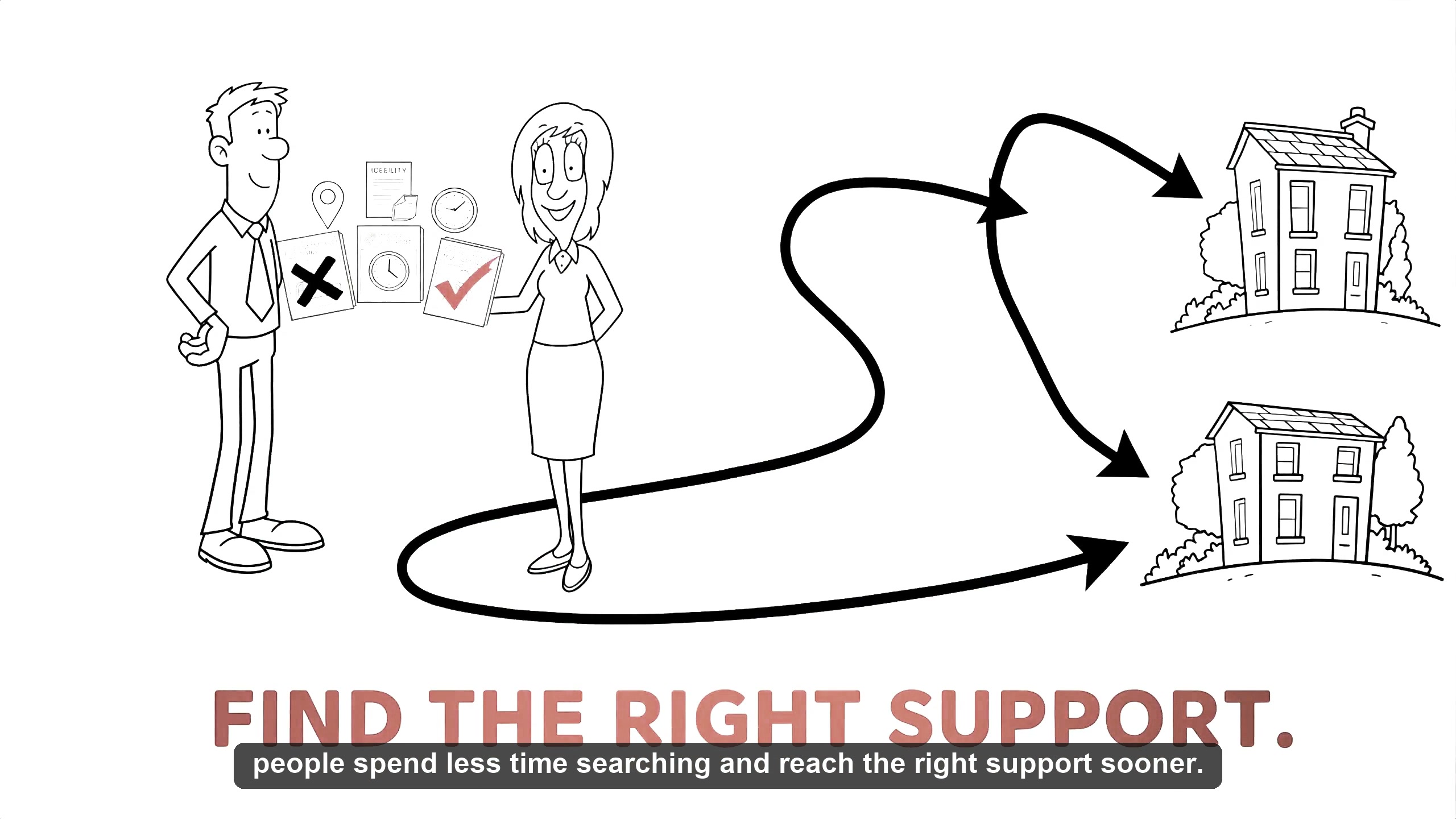
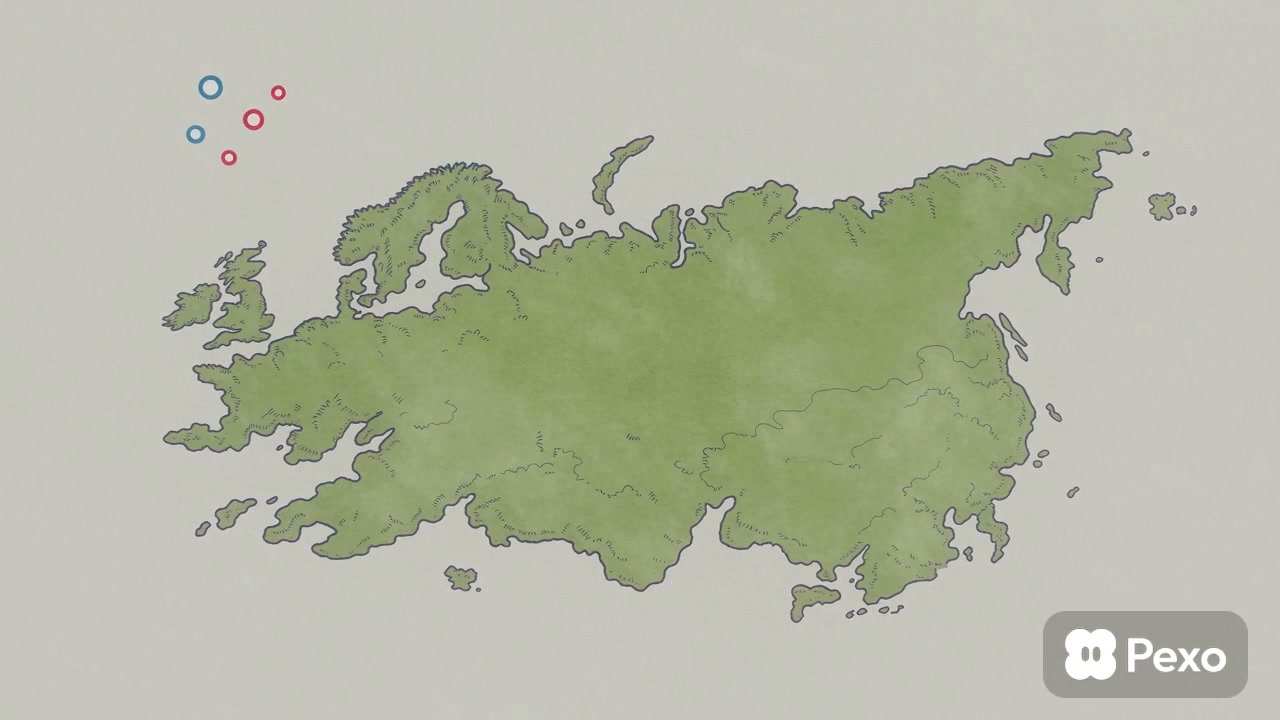

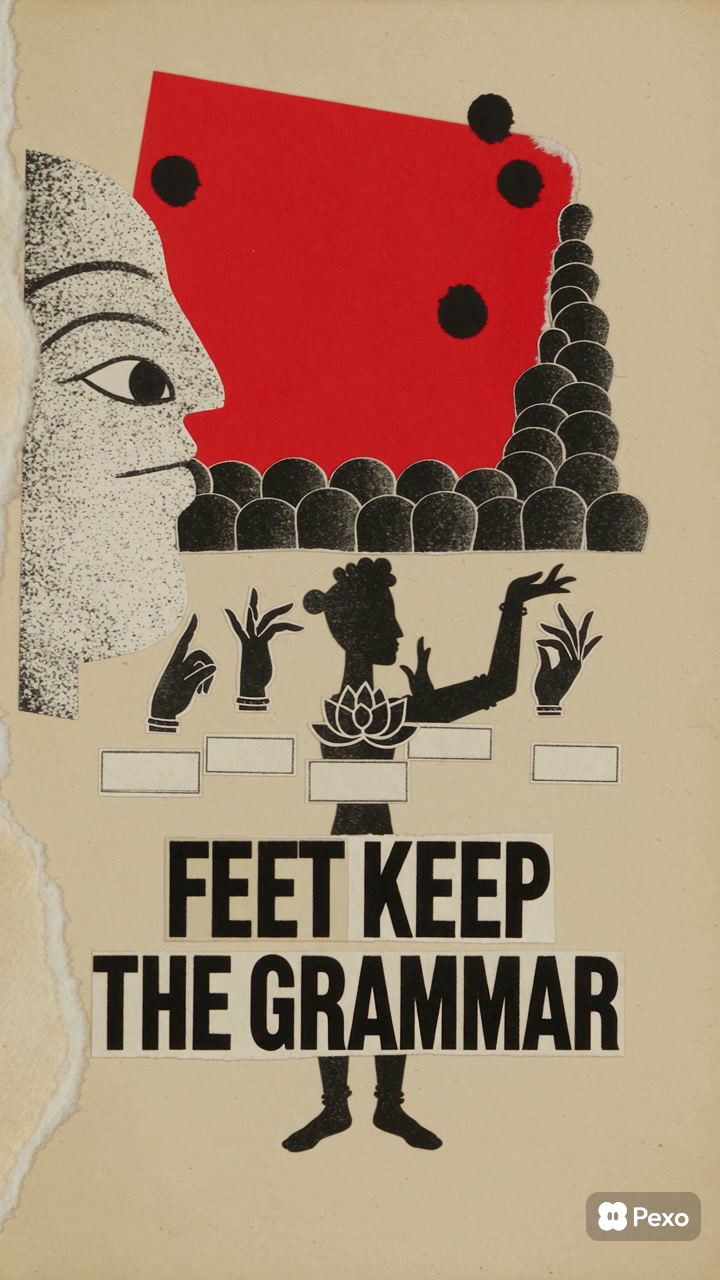
Explore the gallery
Educational Videos Make Complex Ideas Clear
Educational videos are visual lessons that use images, movement, sound, and examples to make a subject easier to understand. They can combine animation, diagrams, narration, demonstrations, characters, or live footage. Some styles break a process into simple steps, while others use data, stories, or familiar situations to explain an unfamiliar topic.
Educational video examples make it easier to compare how animation, diagrams, characters, narration, and pacing shape the way a topic is understood. Seeing different approaches together can help you find ideas and choose a visual direction that fits the subject, audience, and teaching goal.
Looking for an Educational Video Style That Fits Your Teaching Goal?
This collection includes educational video examples about science, public policy, clean water access, and workplace processes. It brings together animated explainers, infographic-led videos, character-based stories, diagrams, and whiteboard animation in both landscape and vertical formats.
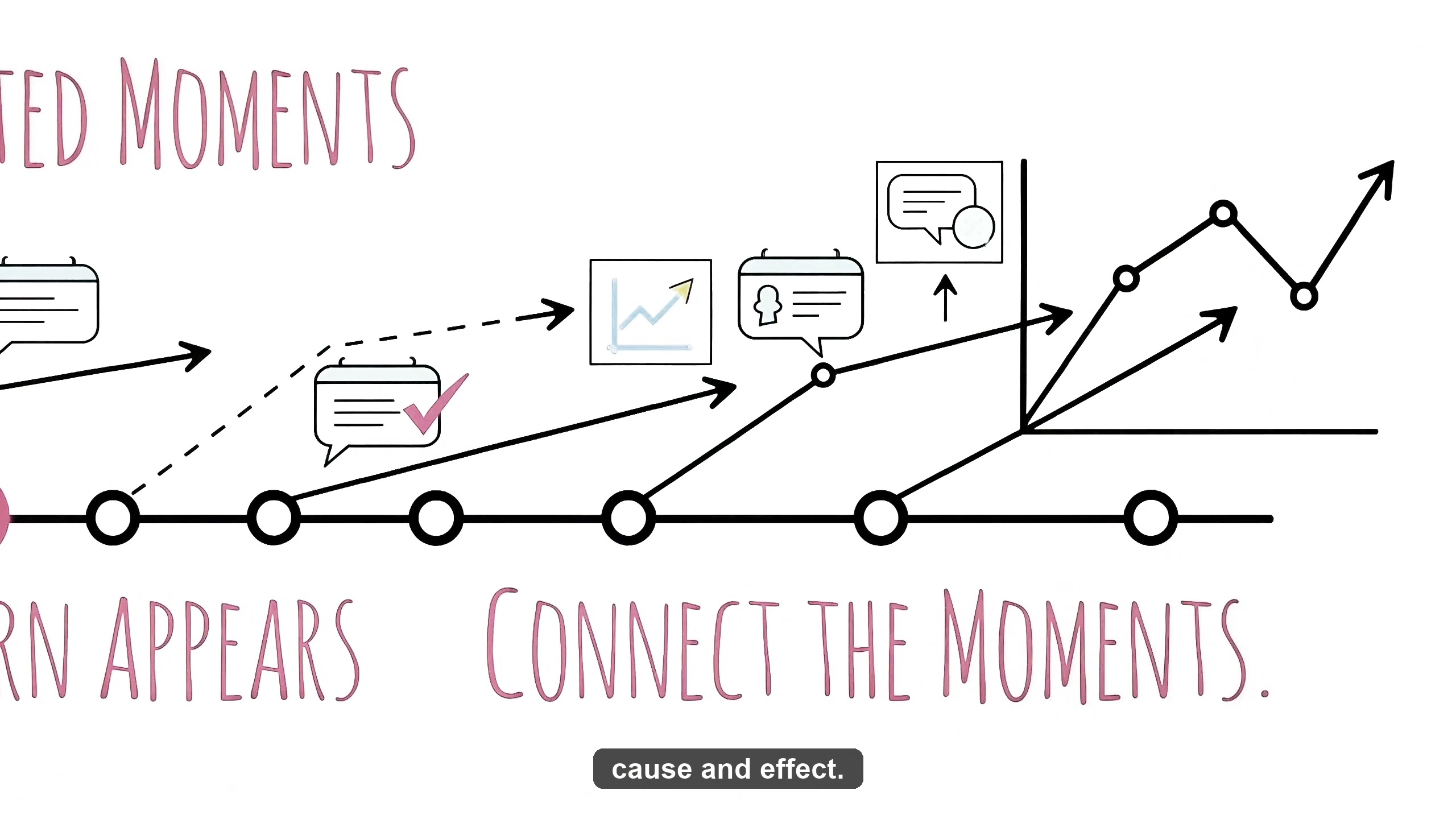
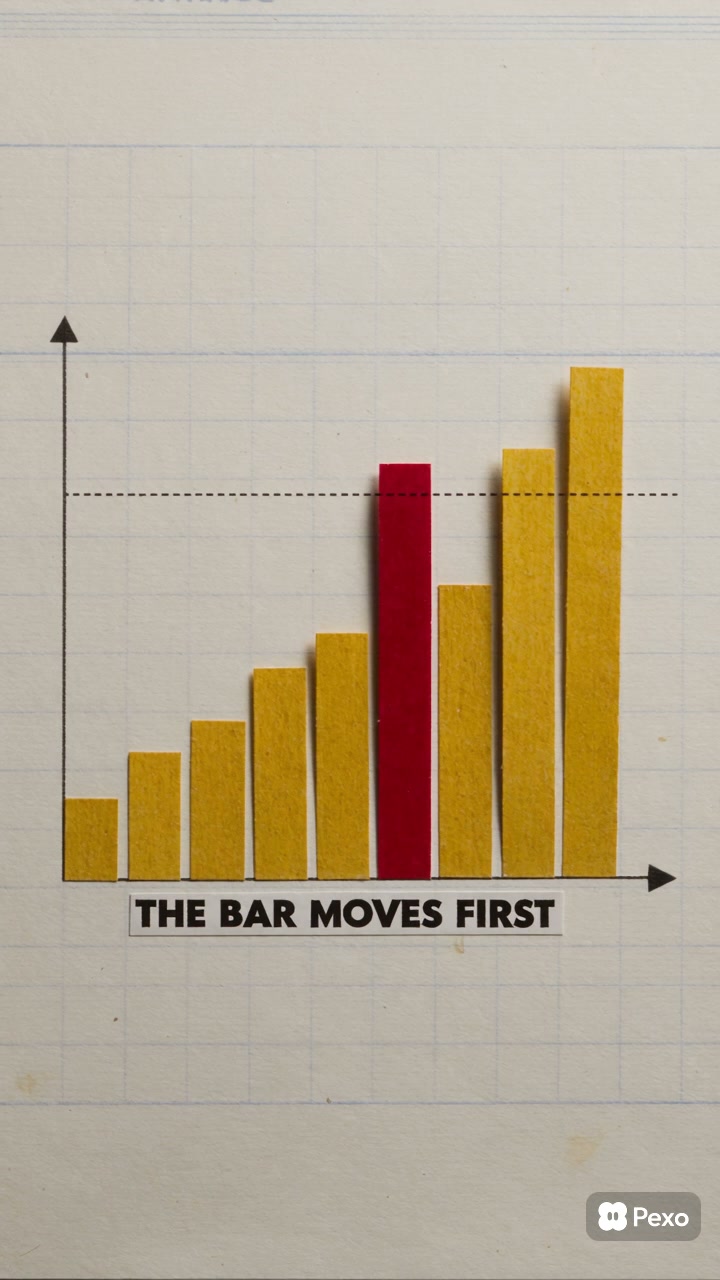
A process is often easier to explain with diagrams, whiteboard animation, or clear step-by-step scenes. Data and policy topics are often easier to understand through infographic animation and side-by-side comparisons. Stories built around characters can make unfamiliar subjects feel more approachable. Short vertical videos suit focused mobile lessons, while landscape videos provide more room for detailed diagrams and explanations with several steps.

Questions?
We're here to make it clear. Check out our FAQs, and if you still have questions, Pexo is always ready to help.
How long should an educational video be?
The length should match the learning goal rather than a fixed rule. One fact or simple procedure may work as a short video, while a complex system may need more time, clear chapters, or a series of focused lessons.
Do educational videos always need narration?
No. Narration is useful for context and explanation, but diagrams, demonstrations, labels, sound cues, and carefully ordered scenes can also carry meaning. The viewer should still understand the central idea when visual information is doing most of the teaching.
How can educational videos remain clear when watched without sound?
Use accurate captions, concise on-screen labels, readable diagrams, and visual transitions that show how ideas connect. Important information should remain on screen long enough to understand, and text should support the visuals instead of repeating large blocks of narration.