
Pexo›AI Video Gallery›Music Video
AI Music Video Examples
Browse AI music video examples with animated performers, dance sequences, neon city scenes, pop-art sets, and surreal visuals for fresh creative direction.
15 videos



Explore the gallery
Music Video Ideas Give Songs a Visual Identity
A music video is a visual interpretation of a song, using performance, story, choreography, animation, or designed imagery to extend its mood and meaning. A strong concept does more than place random shots over a track: color, setting, movement, framing, and editing pace work together so important musical moments have a recognizable visual response.
Music video examples make it easier to compare how the same energy can become a staged performance, a character-led sequence, a dance-focused edit, or an abstract visual world. Looking across different treatments can clarify whether a song needs a clear performer, a stronger story, a repeatable visual hook, or atmosphere built through color and motion.
Looking for a Music Video Style That Fits Your Song?
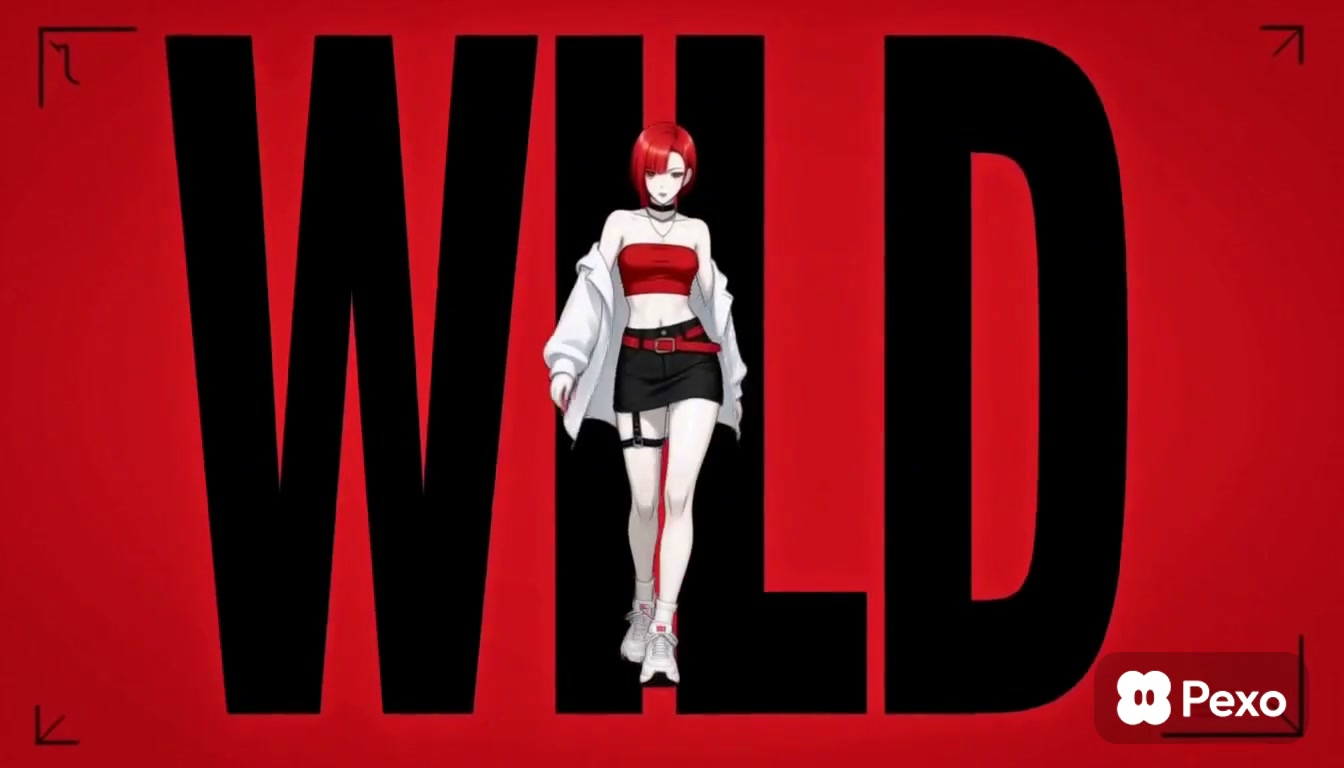
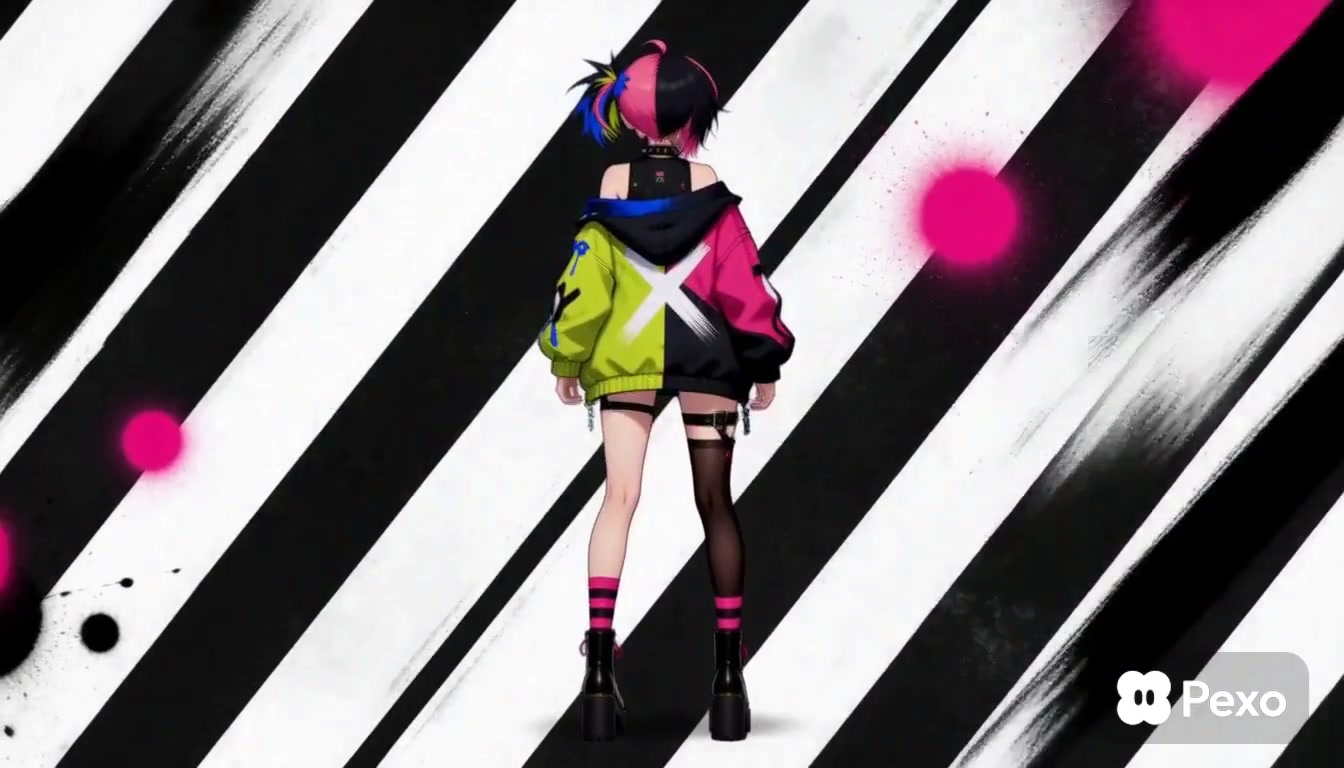
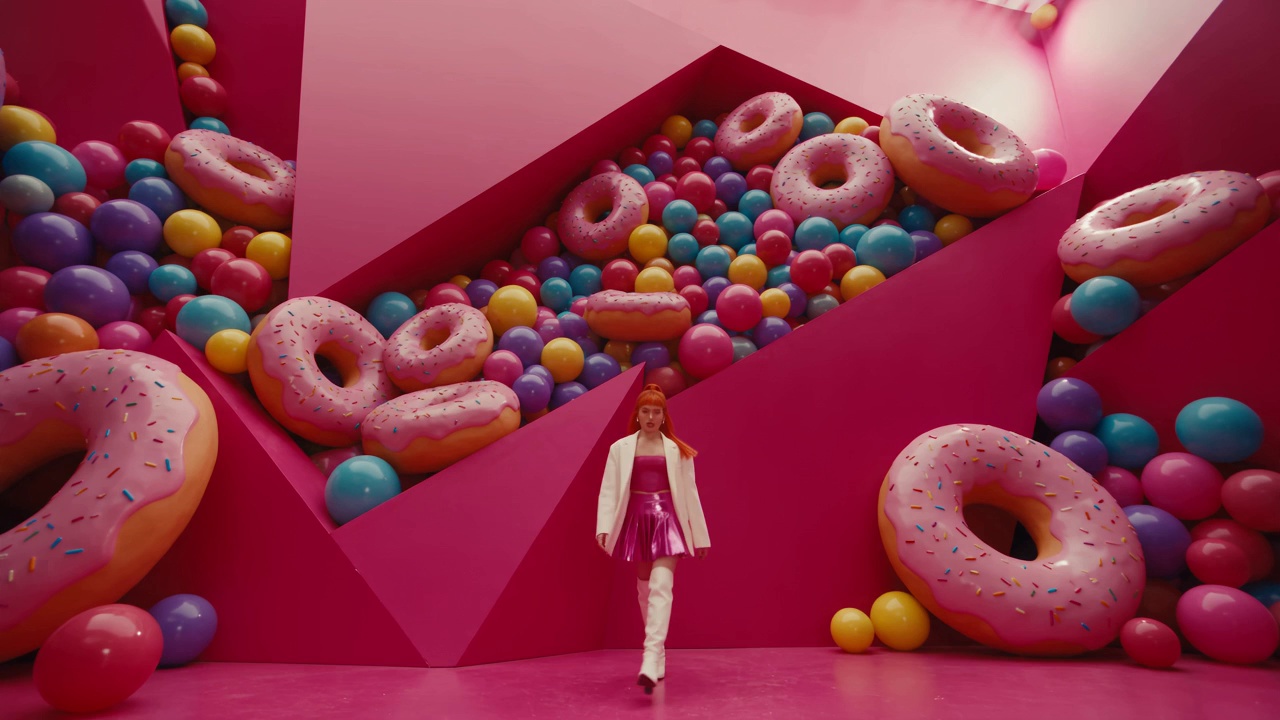
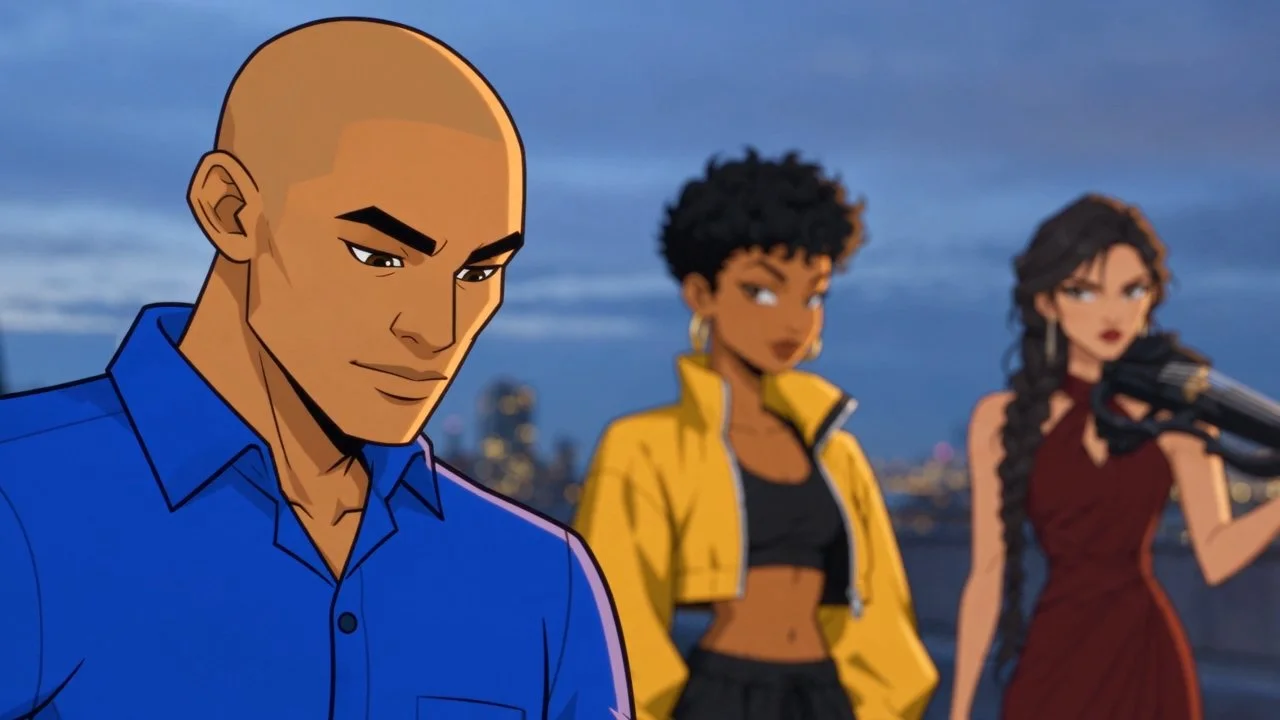
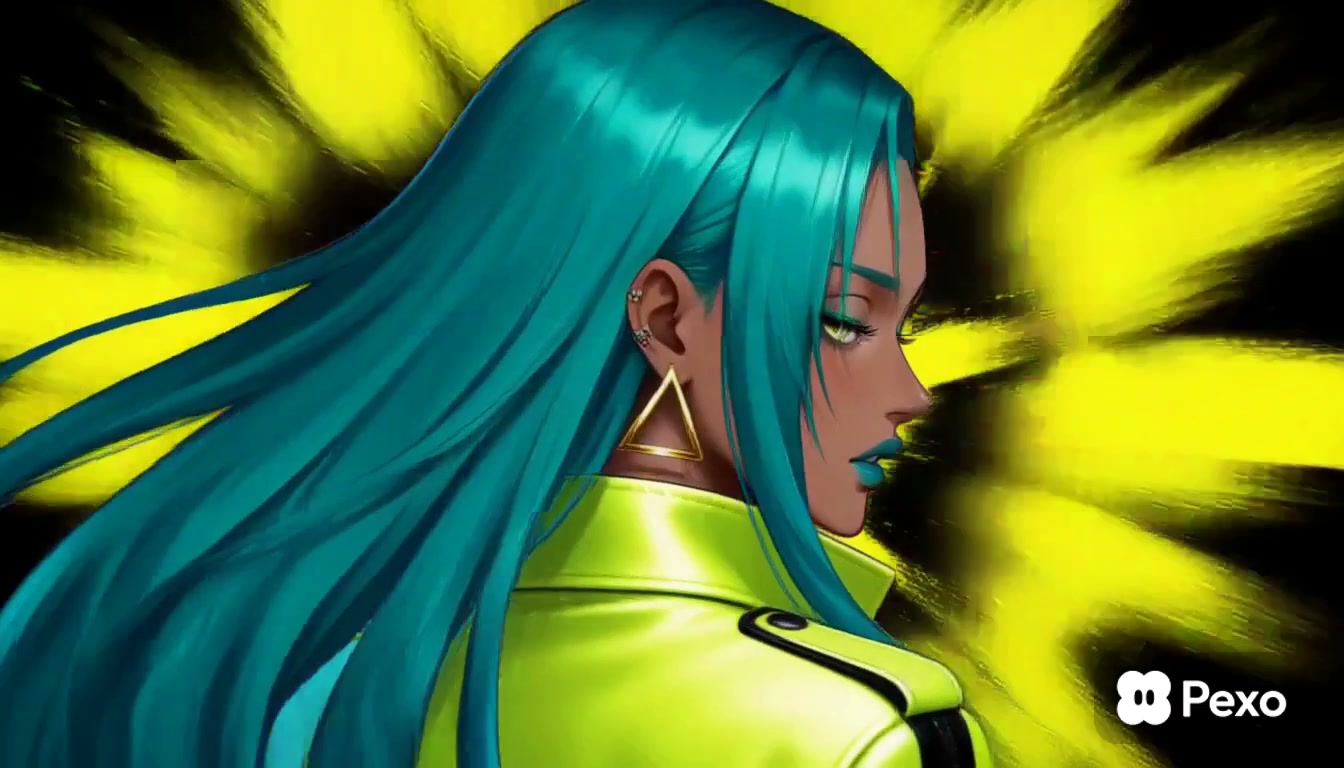
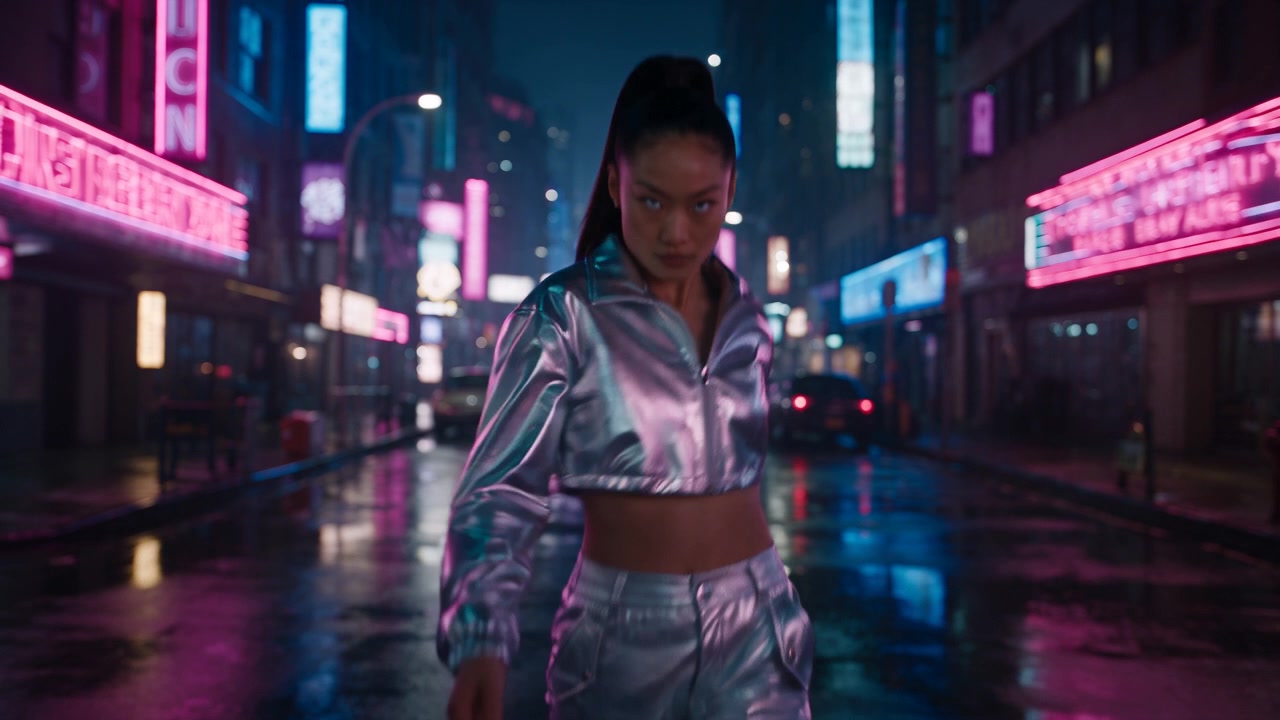
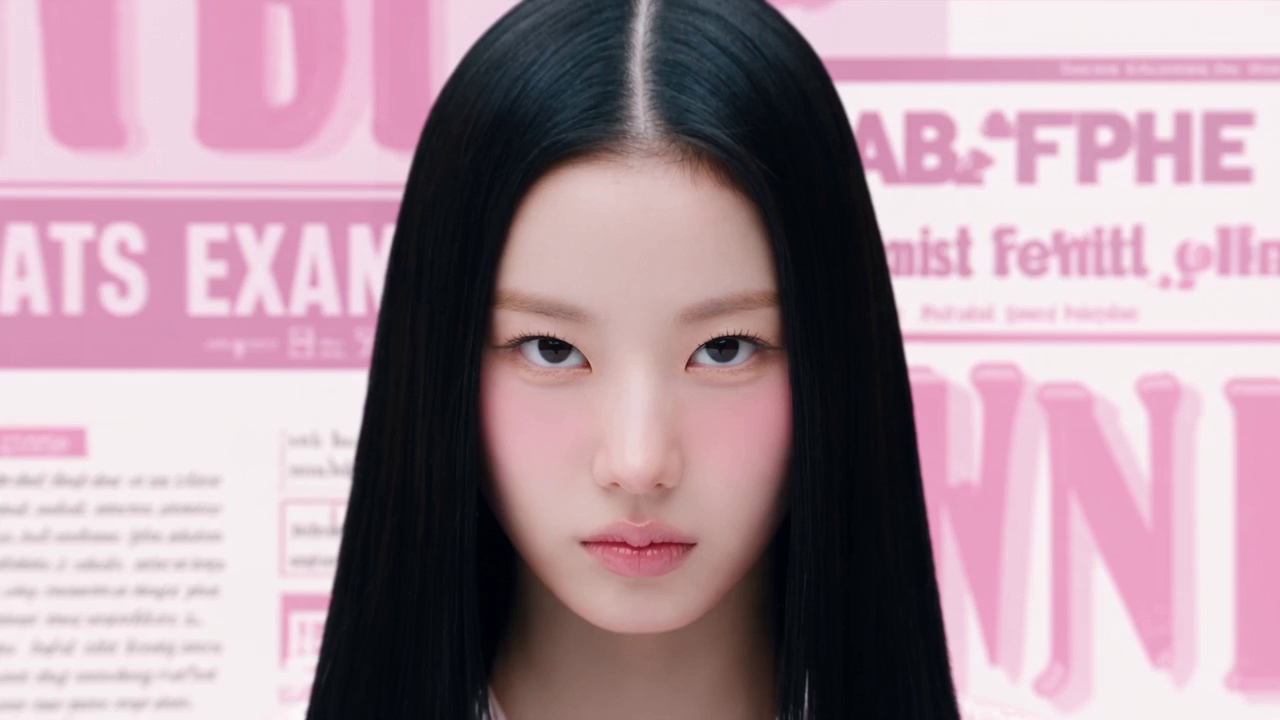
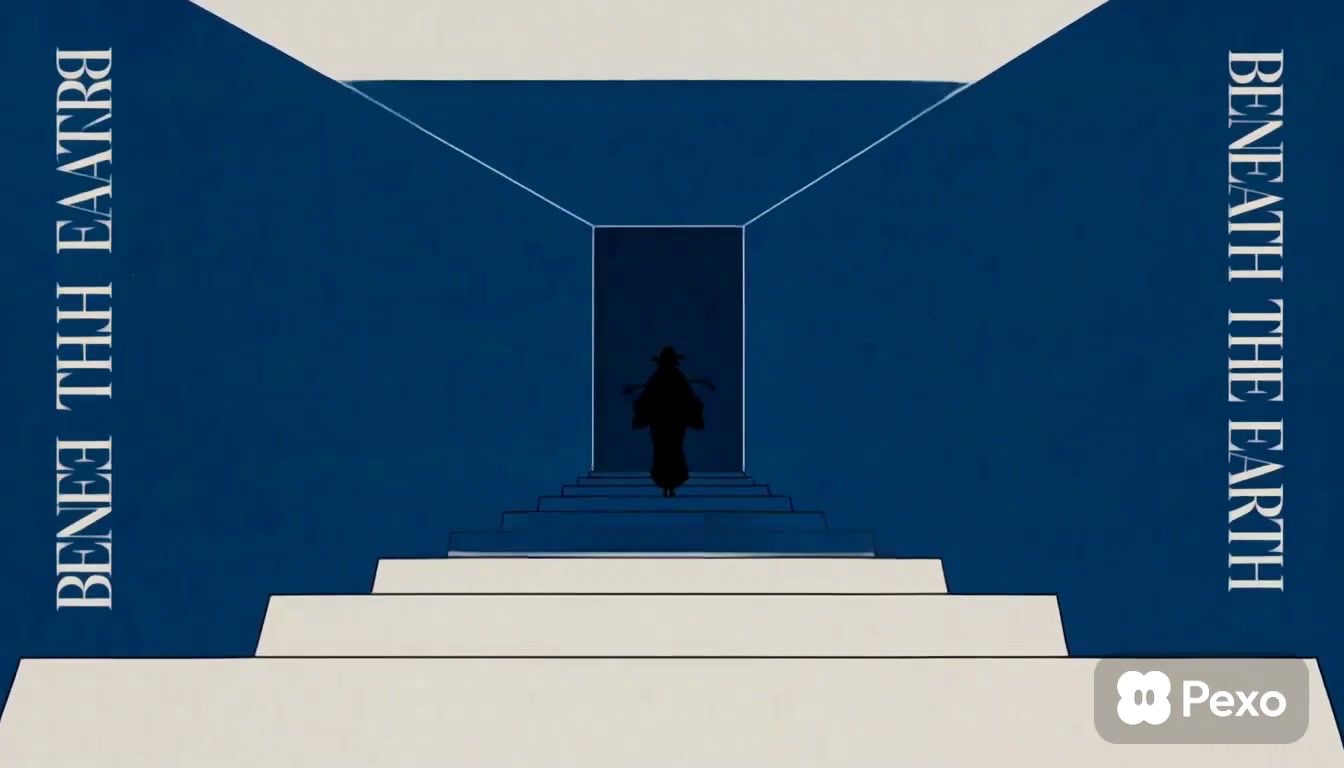
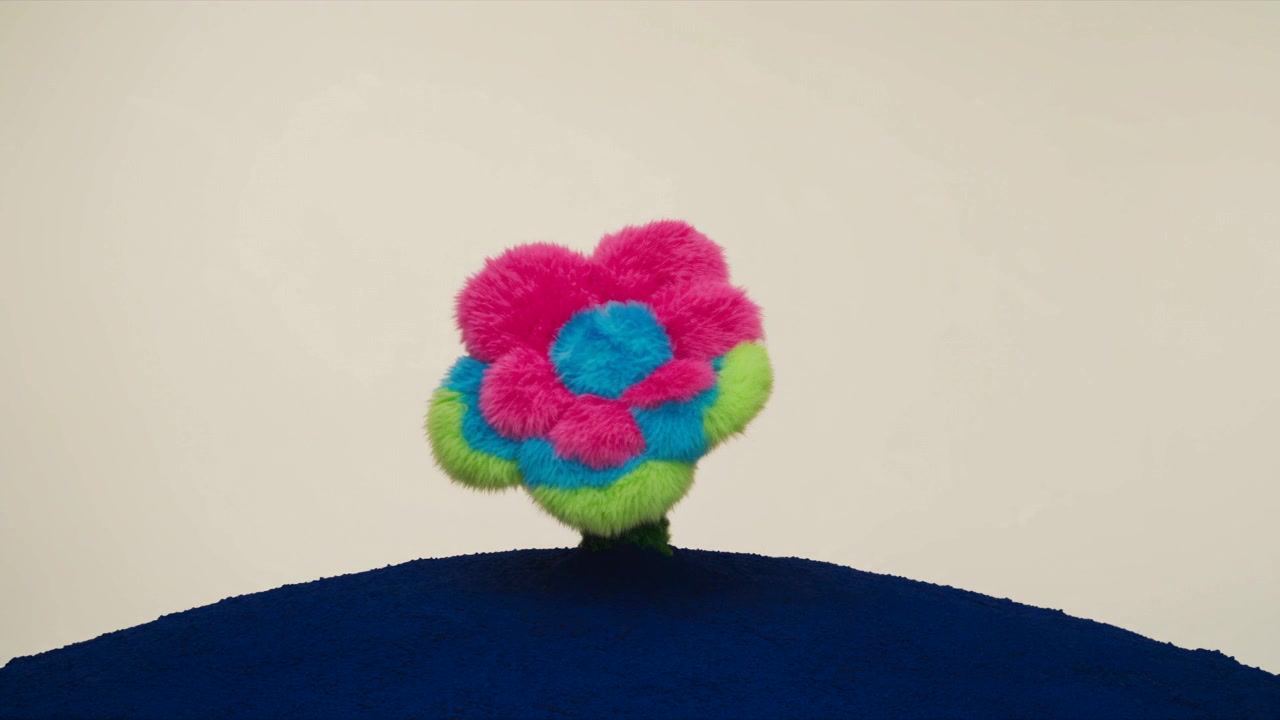
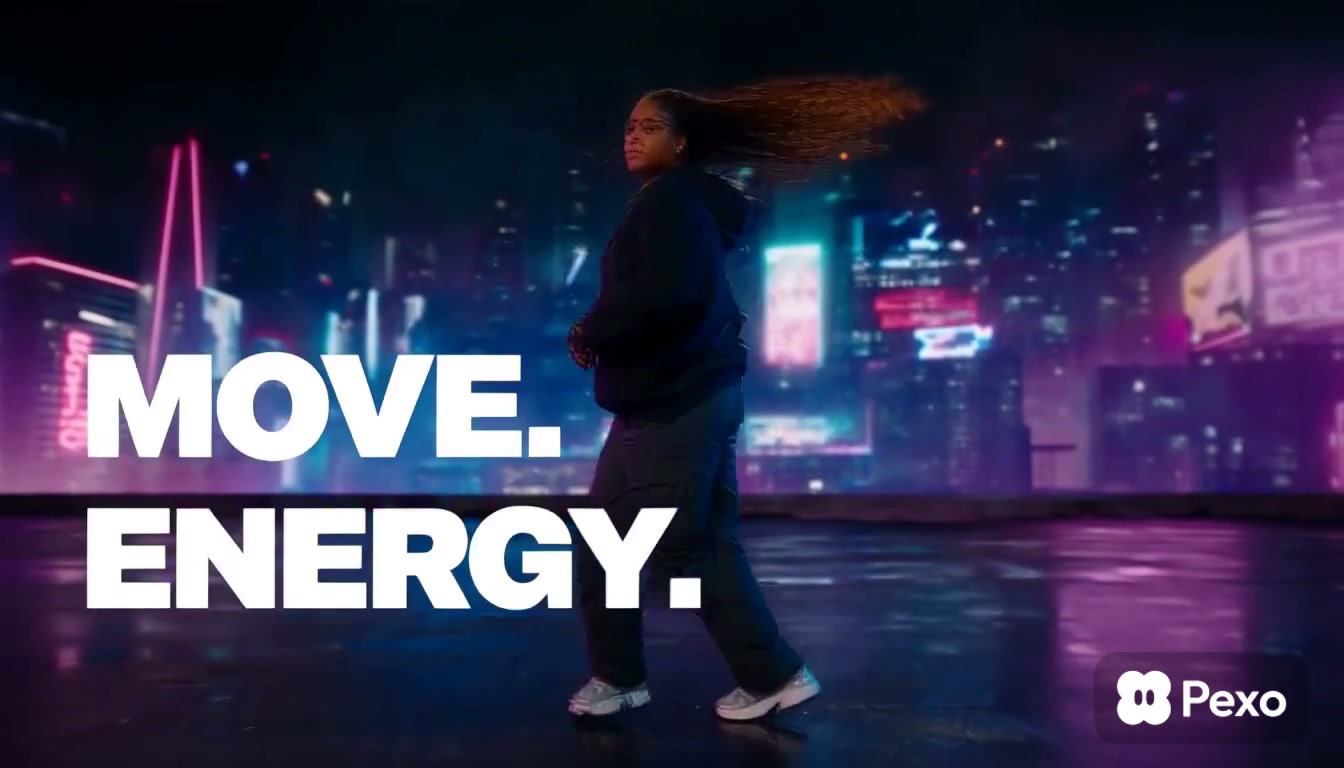
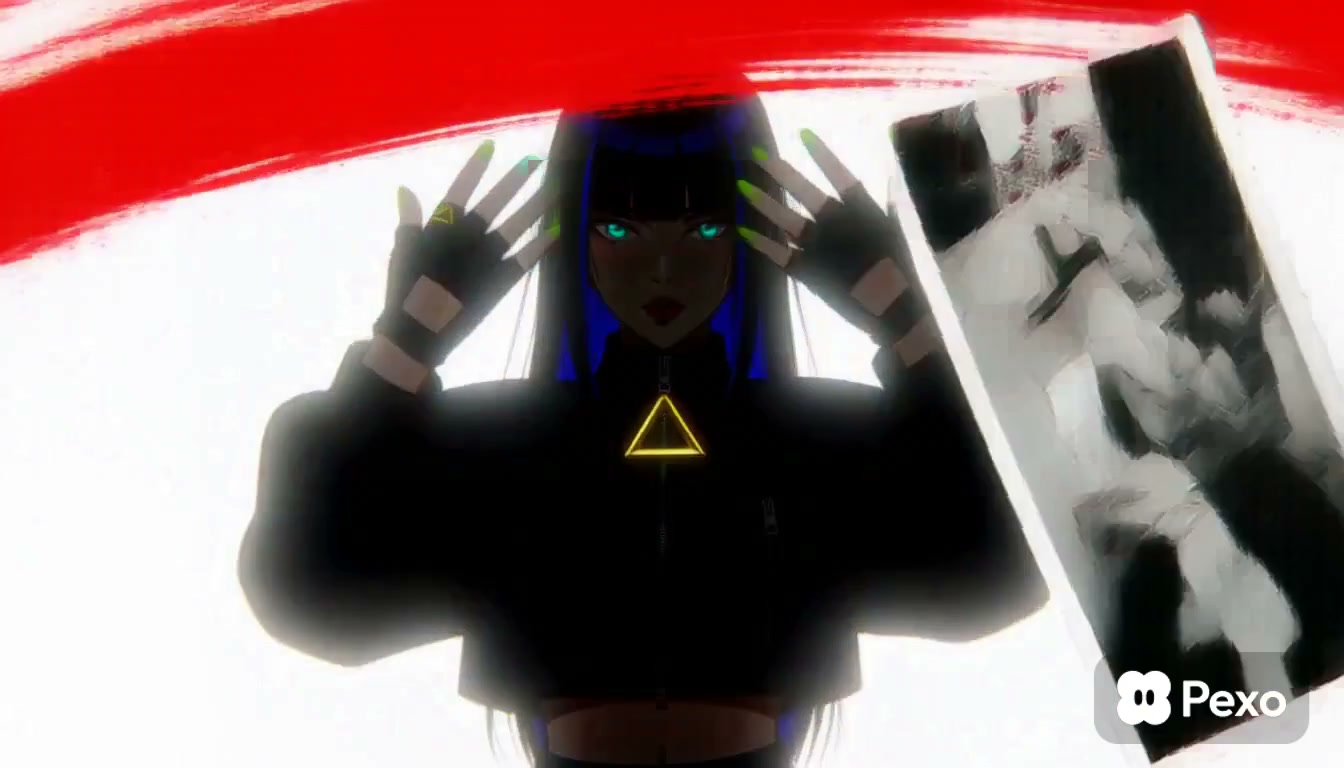
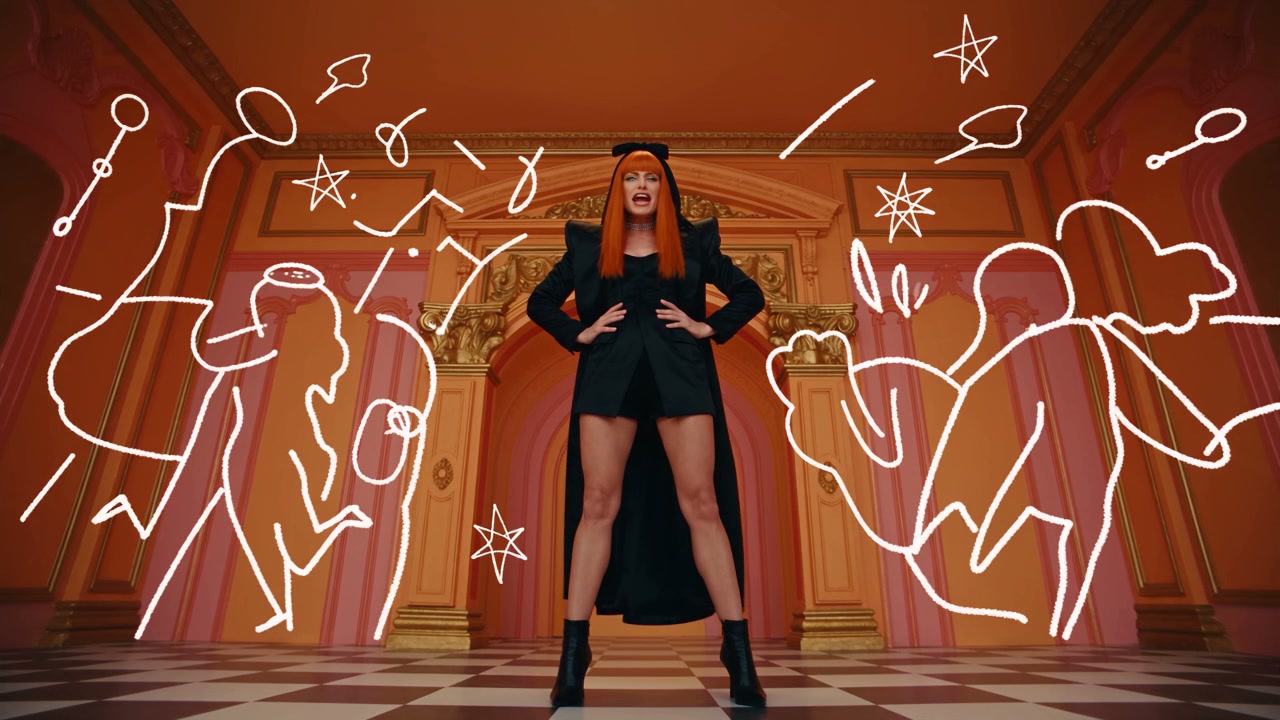
The current collection brings together animated bands and dancers, anime-inspired fashion characters, neon rooftops and city streets, candy-colored pop-art sets, casino imagery, collage graphics, and surreal abstract scenes. These landscape examples use performance poses, choreography, bold color, close views, group compositions, and setting changes to carry energy from one beat to the next.
A performance-led track benefits from clear body movement and enough shot variety to sustain repeated sections. A lyric-driven song may need a story or symbolic visual idea, while an electronic or high-energy track can lean on color changes, graphic transitions, and rhythmic motion. A consistent palette, character, or setting helps different shots feel like one music video rather than unrelated clips.

Questions?
We're here to make it clear. Check out our FAQs, and if you still have questions, Pexo is always ready to help.
How closely should a music video edit follow the beat?
Not every cut needs to land on a beat. Use strong beats, section changes, vocal entrances, or instrumental accents for the most noticeable visual shifts, then allow some shots to continue across the rhythm. This creates contrast and keeps beat matching from becoming predictable.
How long should a music video be?
A full music video usually follows the complete song, so its length is determined by the track. Separate teasers or social edits can be shorter, but each version should still have a clear opening image, recognizable musical section, and complete ending rather than feeling randomly cut off.
What should a music video storyboard include?
A useful storyboard maps scenes or shots to the song's sections and timecodes. It should show the main performer or subject, shot size, important movement, setting, and planned transition. Repeated choruses can share a visual pattern while changing angle, color, or action to keep the sequence developing.
How can a landscape music video be adapted for vertical clips?
Start with the moment that remains clear in a narrow crop: a face, dance move, object, or graphic shape. Keep titles and key action away from the far edges, then rebuild the composition for vertical space when a simple crop would remove context or weaken the movement.