
Pexo›AI Video Gallery›Whiteboard Animation
Whiteboard Animation Video Examples
Browse whiteboard animation video examples with hand-drawn explainers, diagrams, character scenes, and business stories for clear visual inspiration and ideas.
30 videos
Explore the gallery
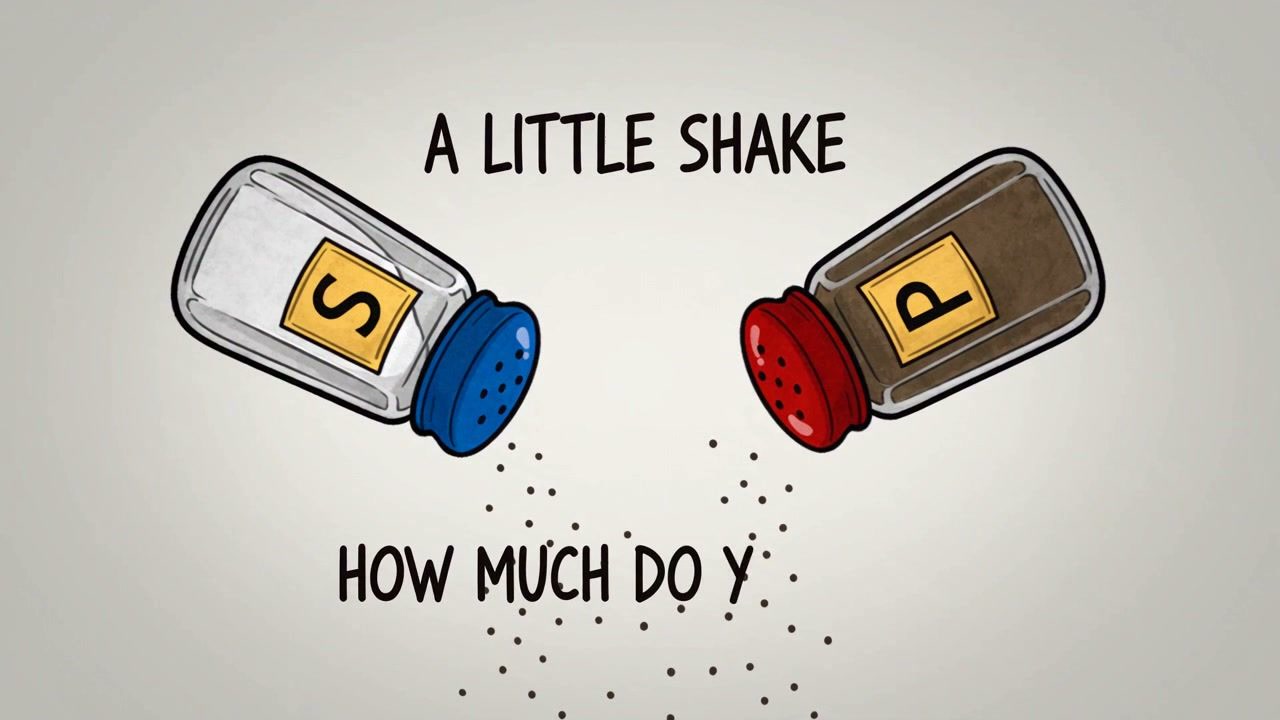
Whiteboard Animation Turns Complex Steps Into a Clear Story
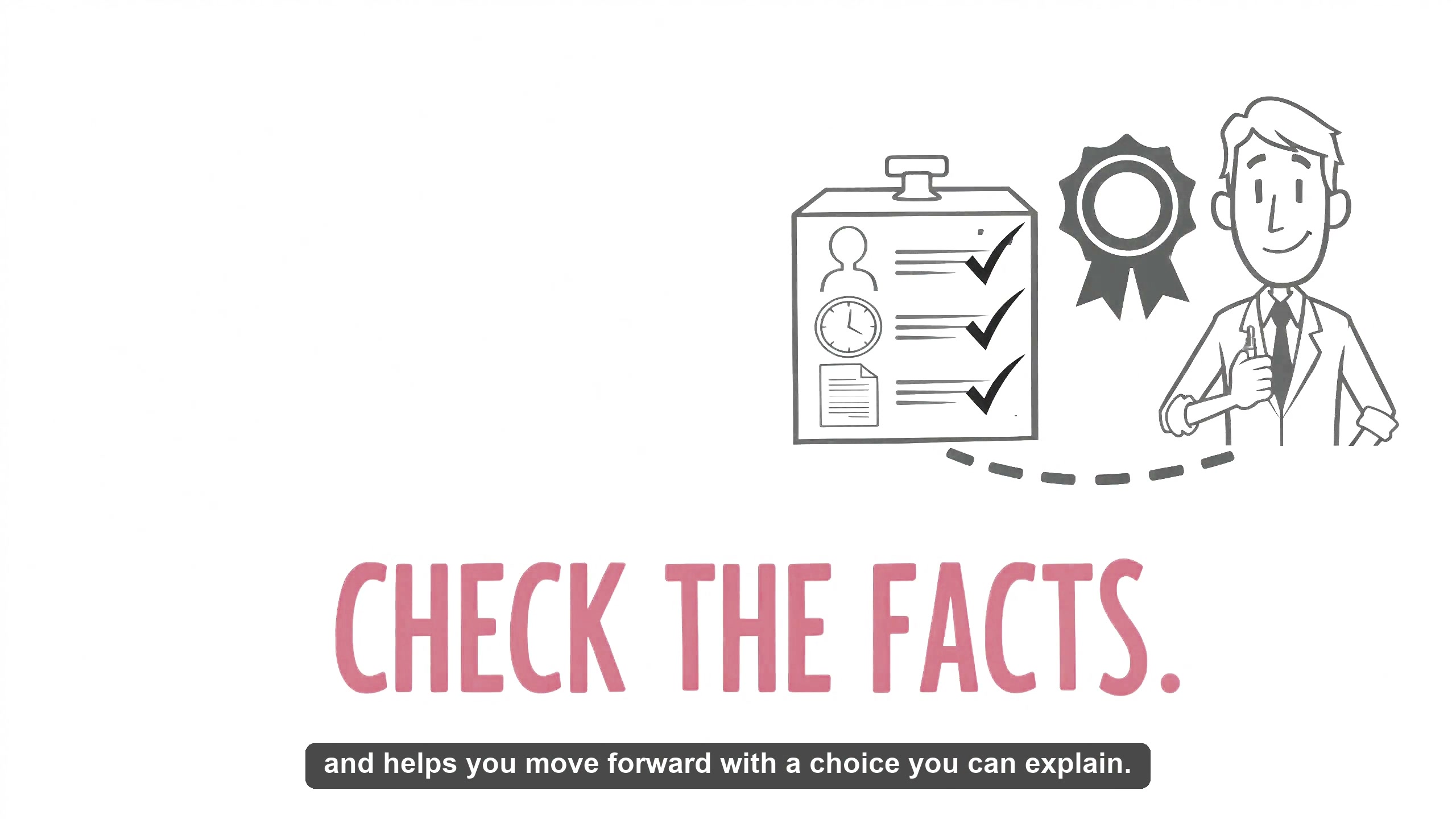
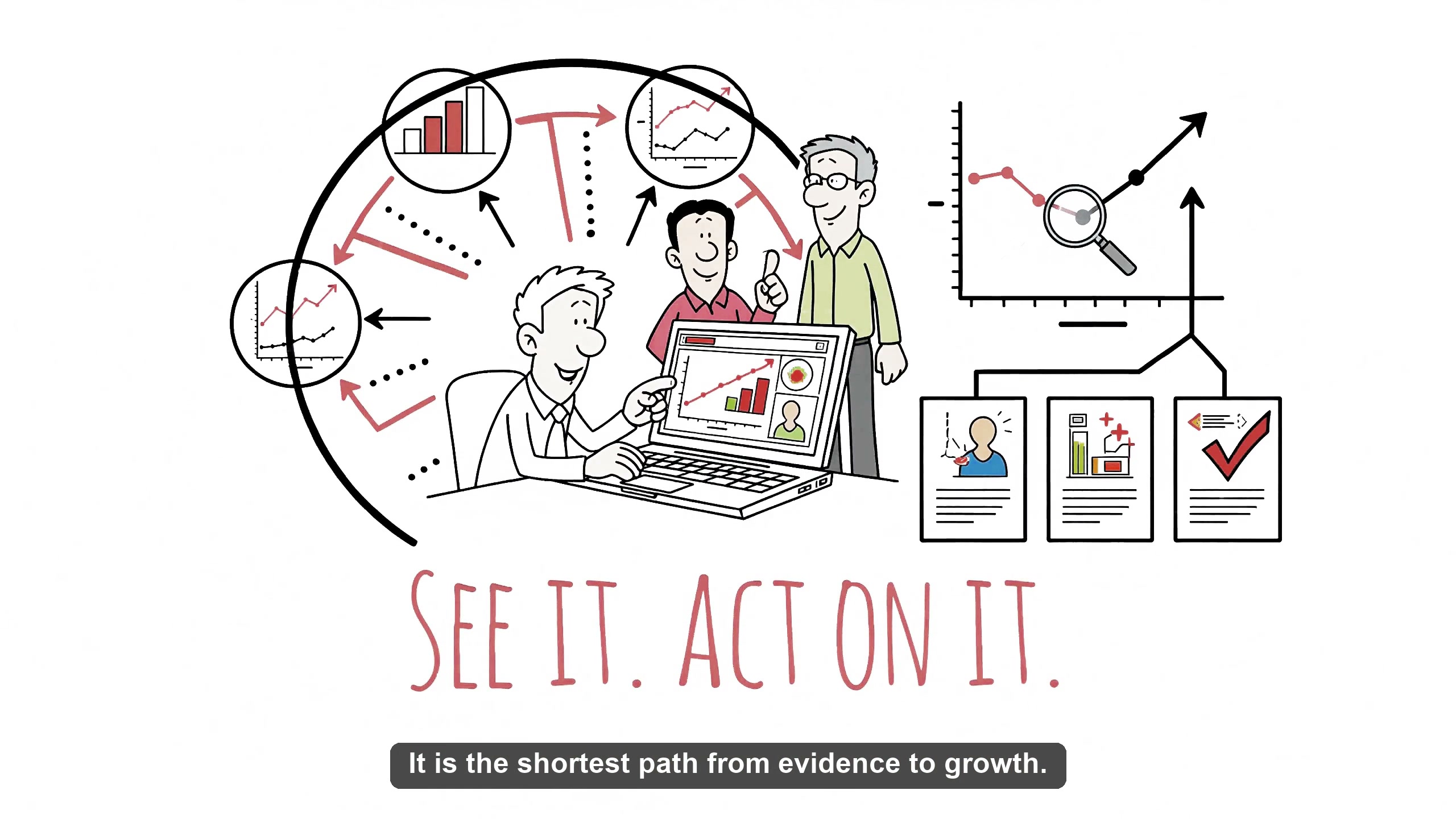
Whiteboard animation is a visual storytelling style that reveals drawings, labels, and diagrams as an explanation unfolds. The gradual drawing process gives each idea a clear place in the sequence, making it well suited to processes, connected systems, comparisons, and stories that need a simple visual path from problem to outcome.
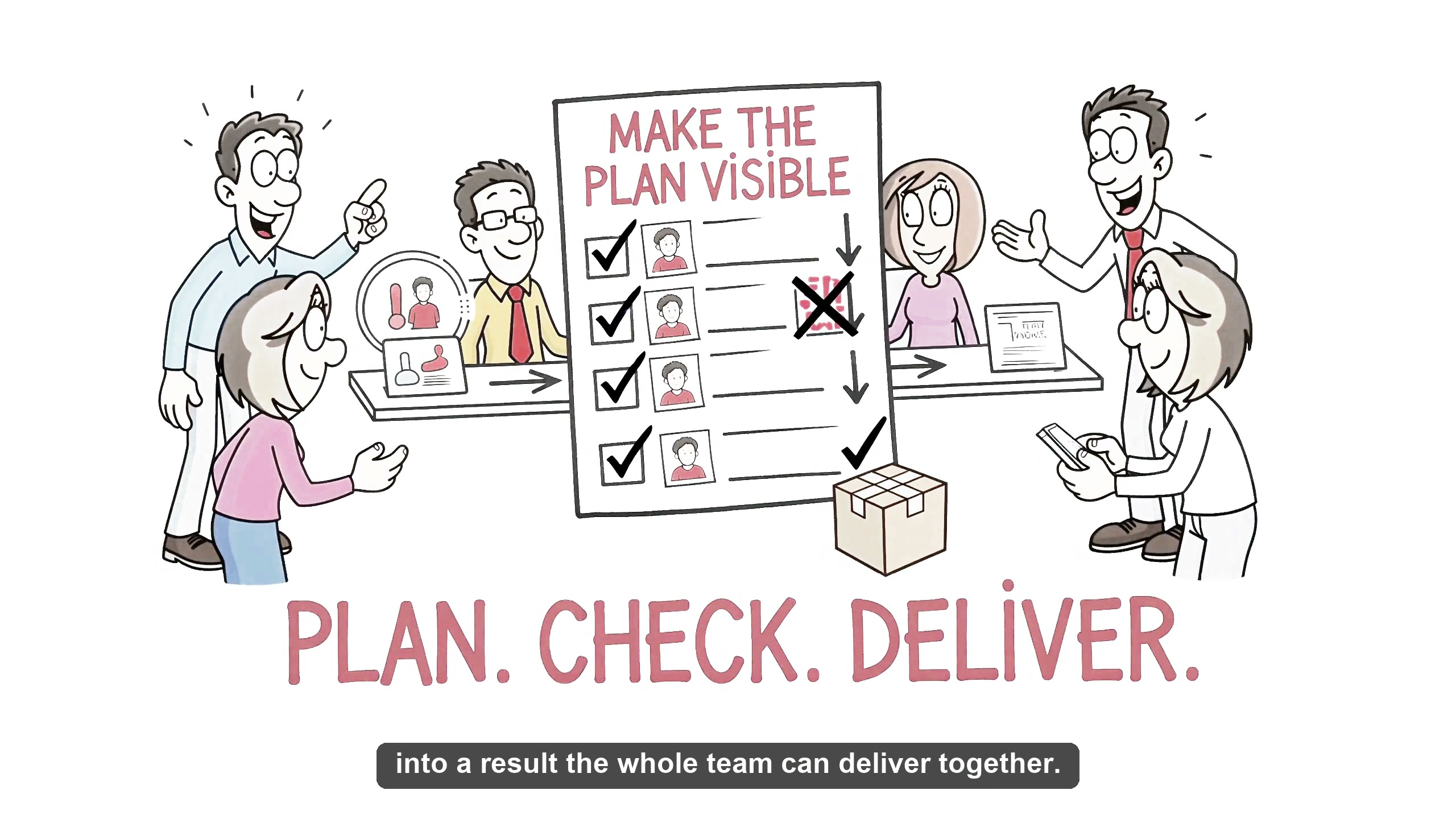
Whiteboard animation examples make it easier to compare how line art, selective color, characters, symbols, and on-screen text can support the same message in different ways. This page helps you see which approach keeps attention on the explanation, where a visual change is useful, and how much detail a scene can carry without becoming crowded.
Looking for a Whiteboard Animation Approach That Fits Your Message?
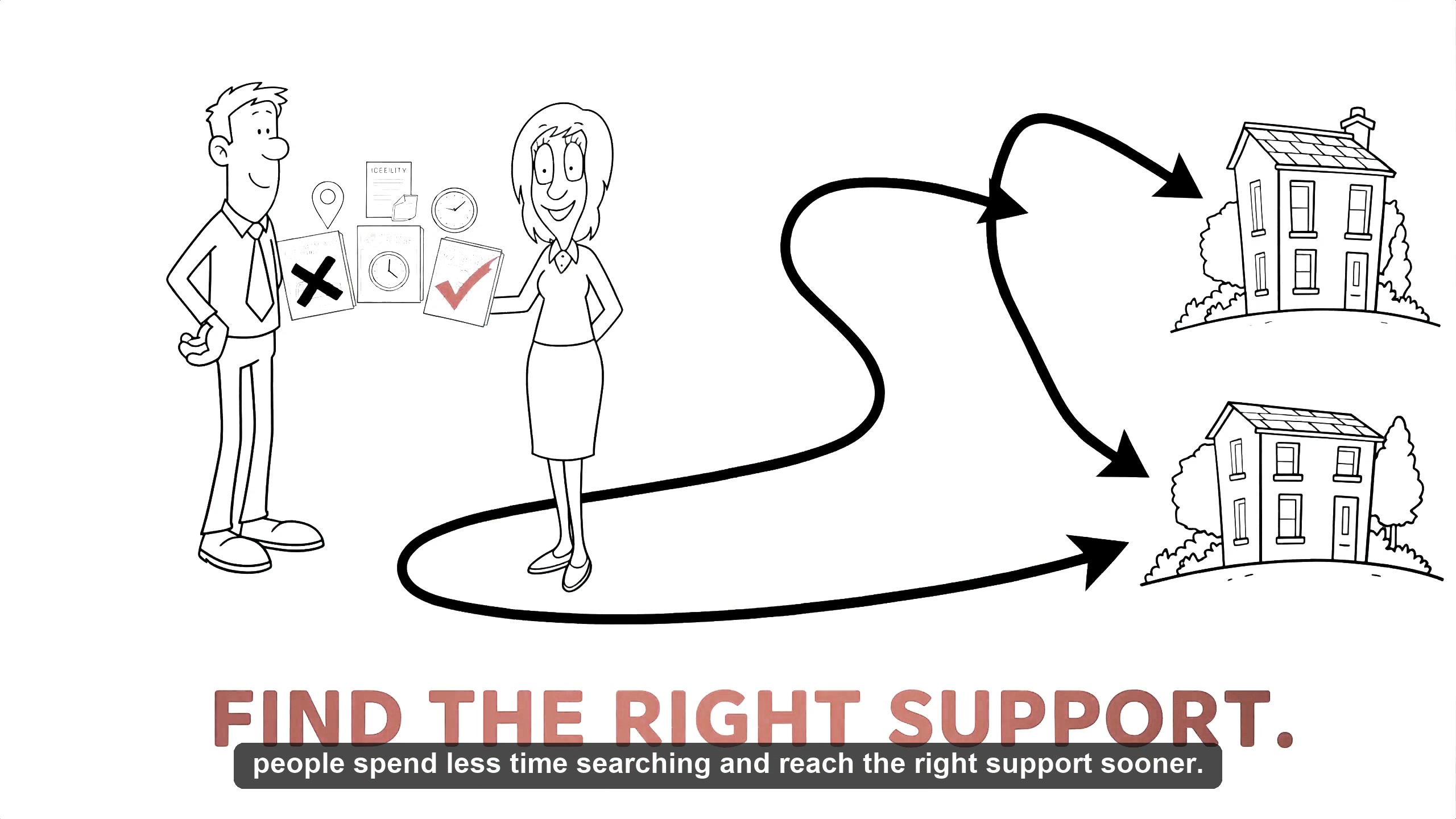
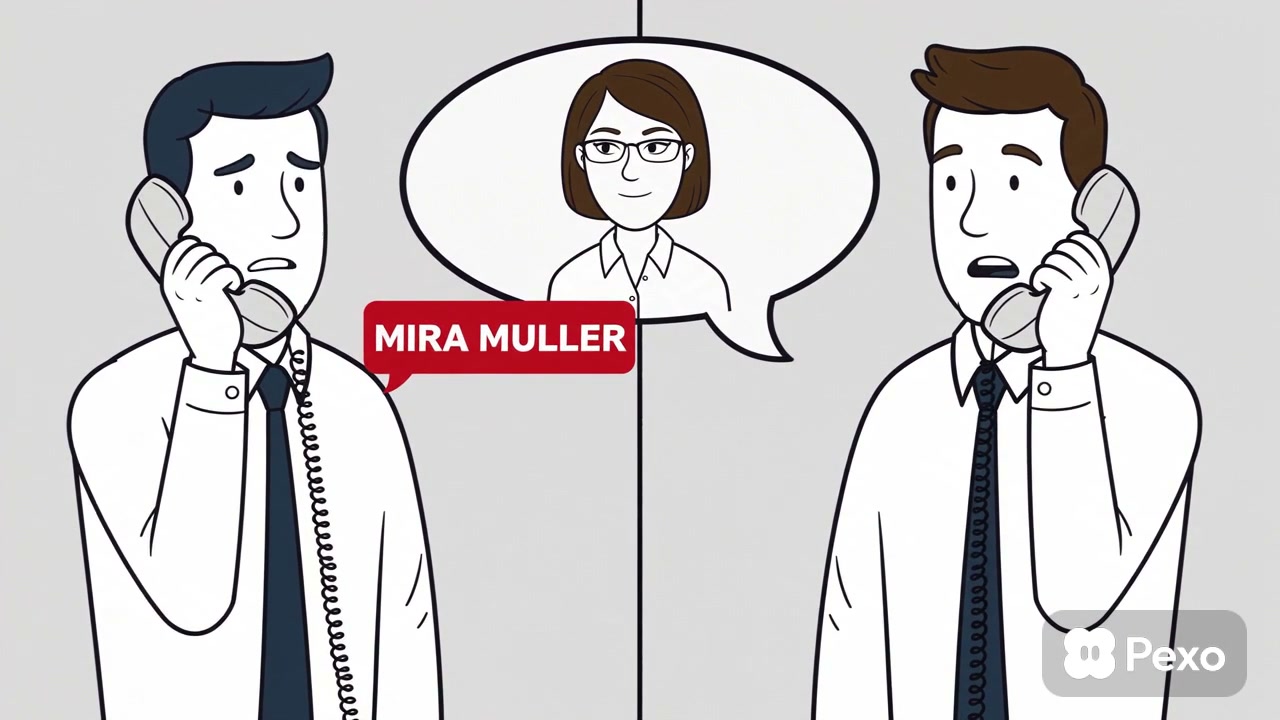
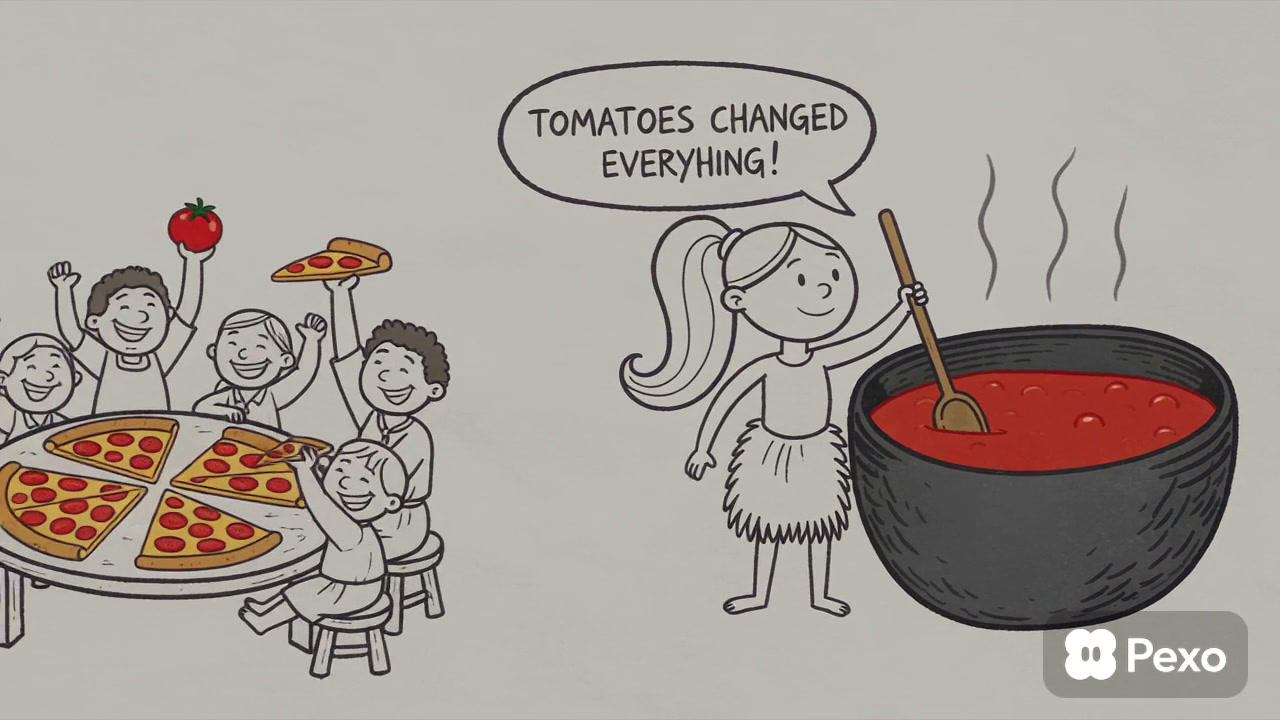
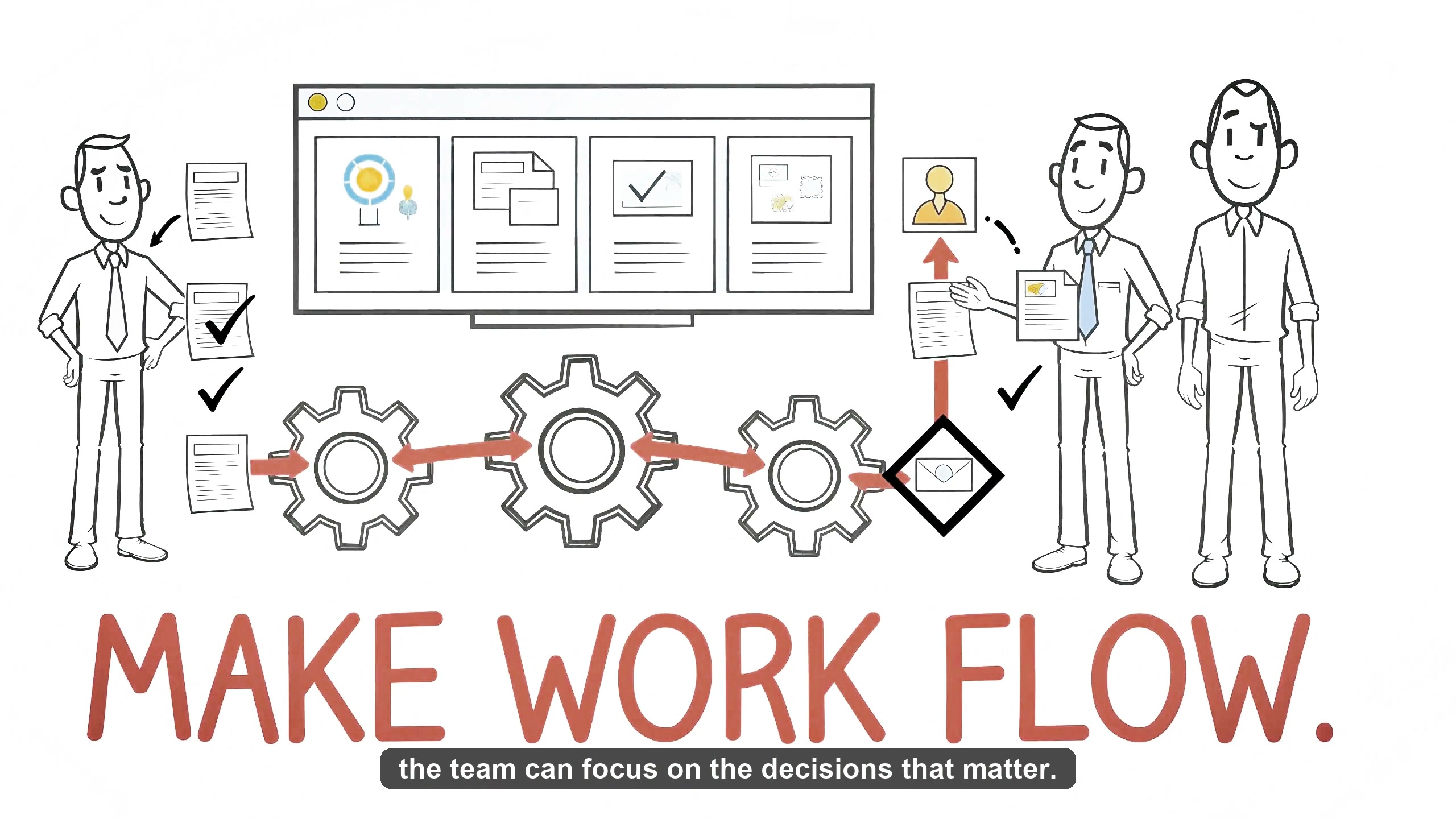
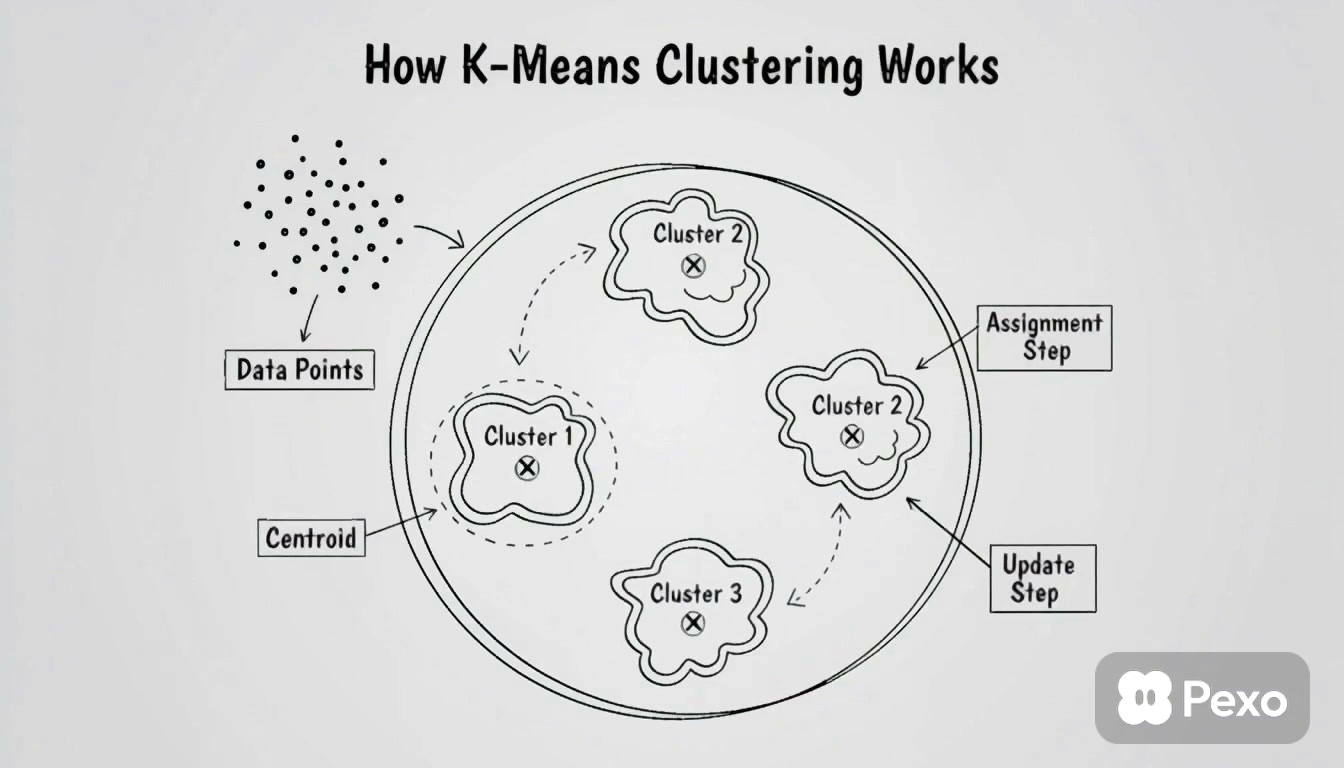
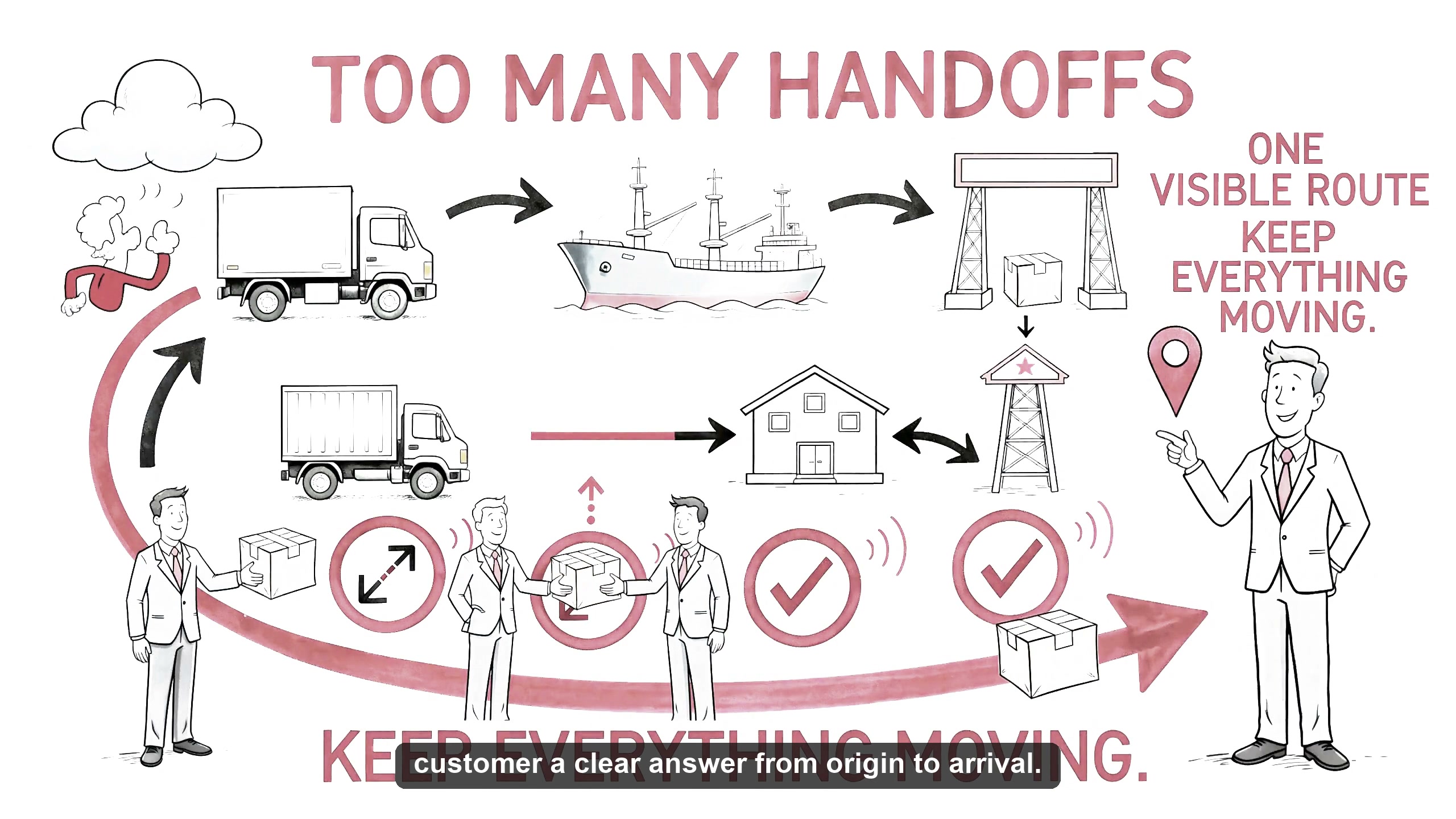
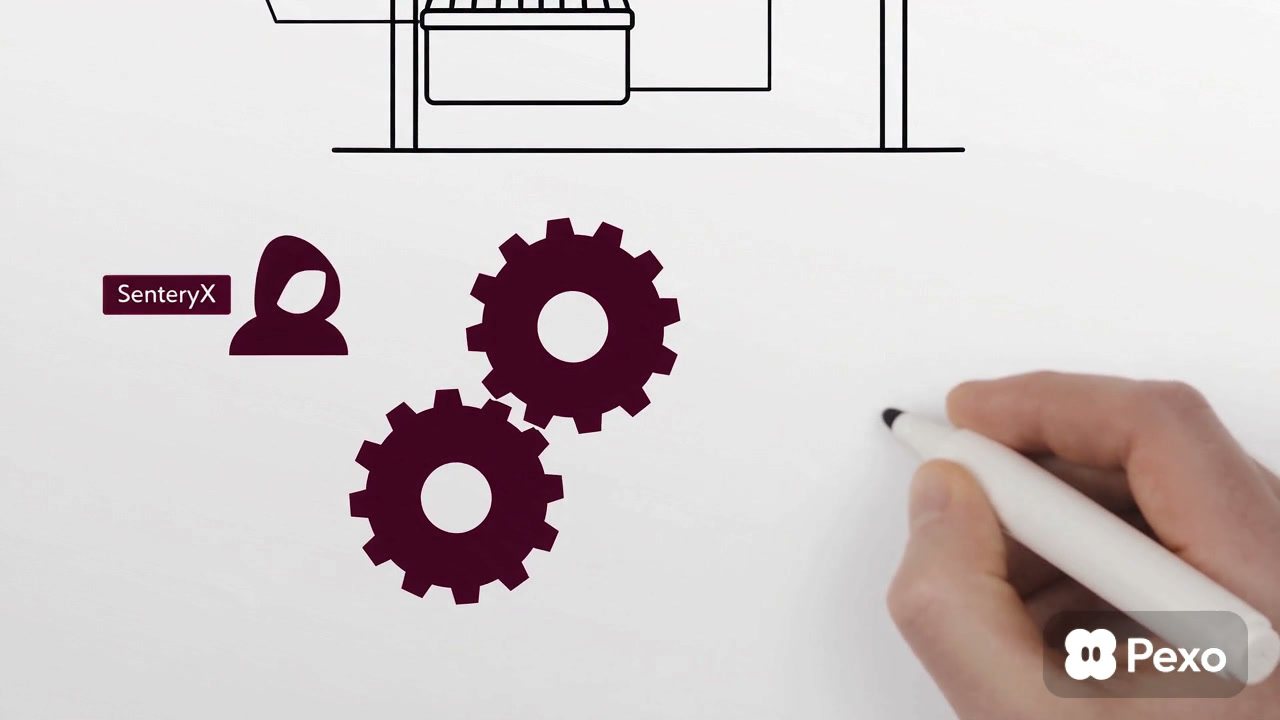
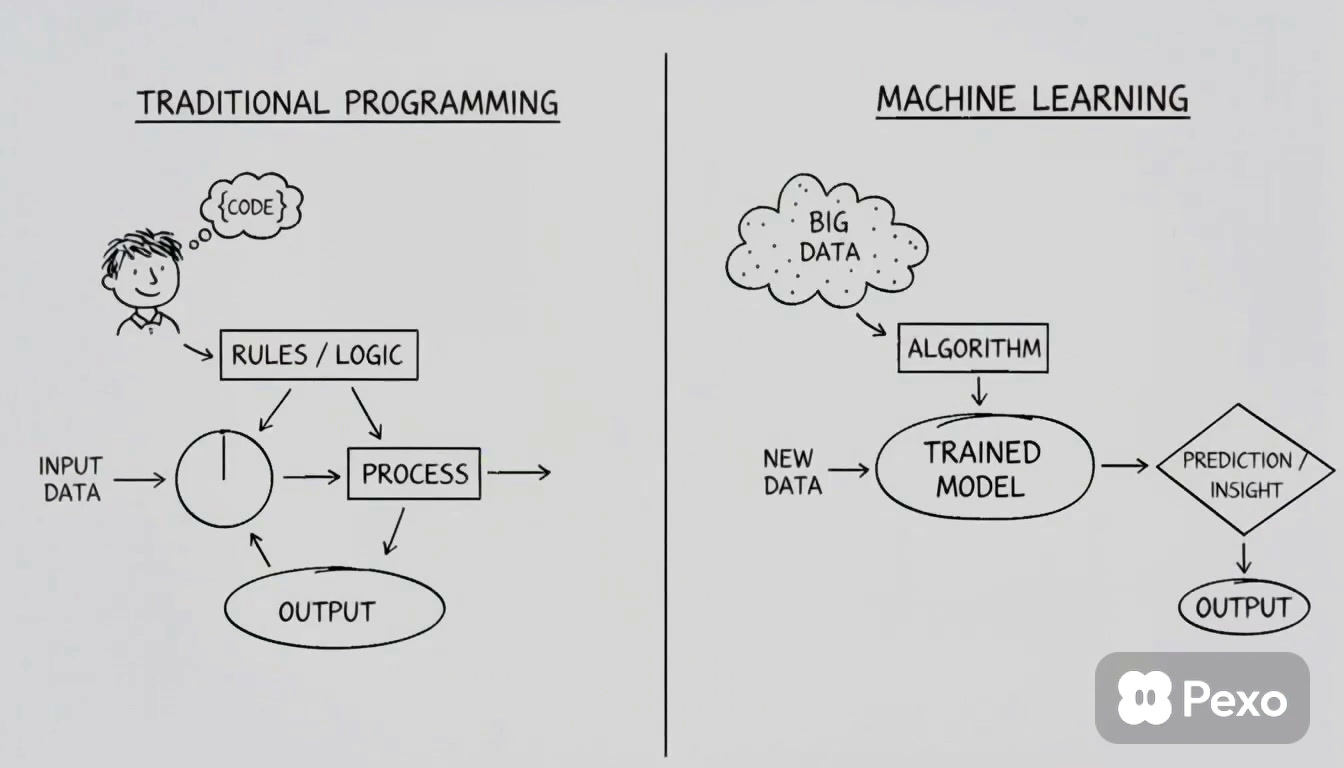
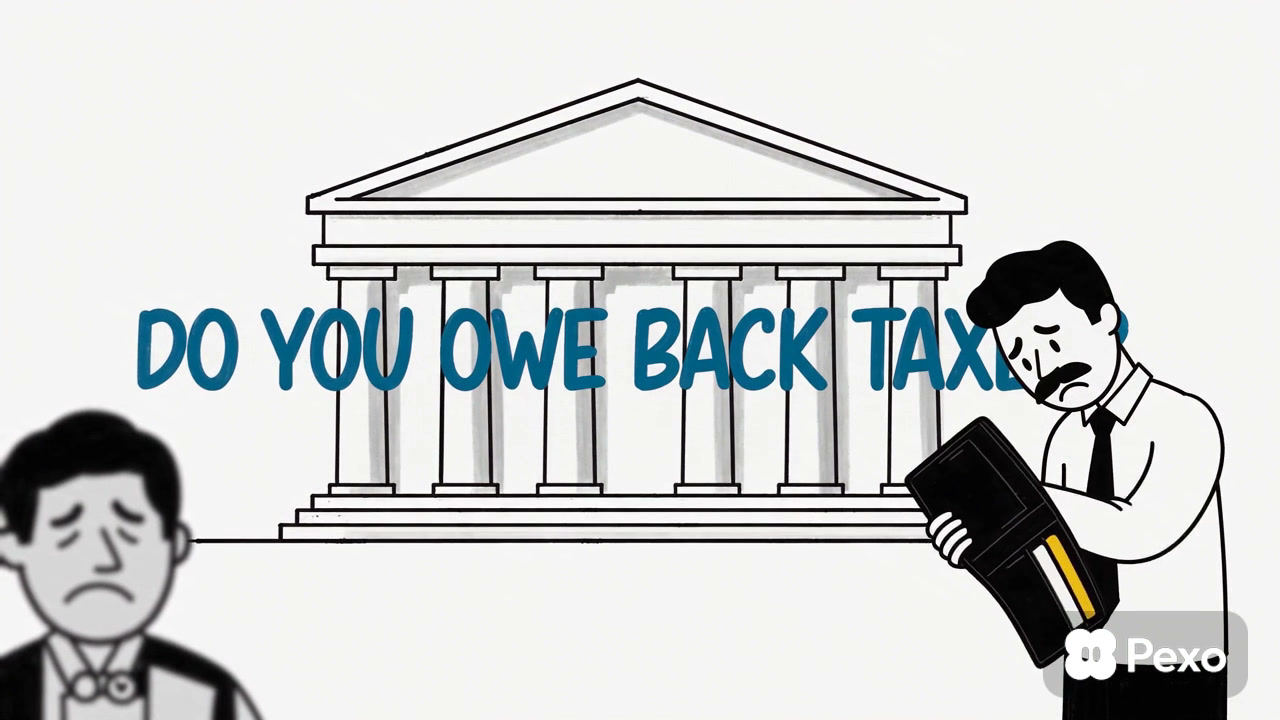
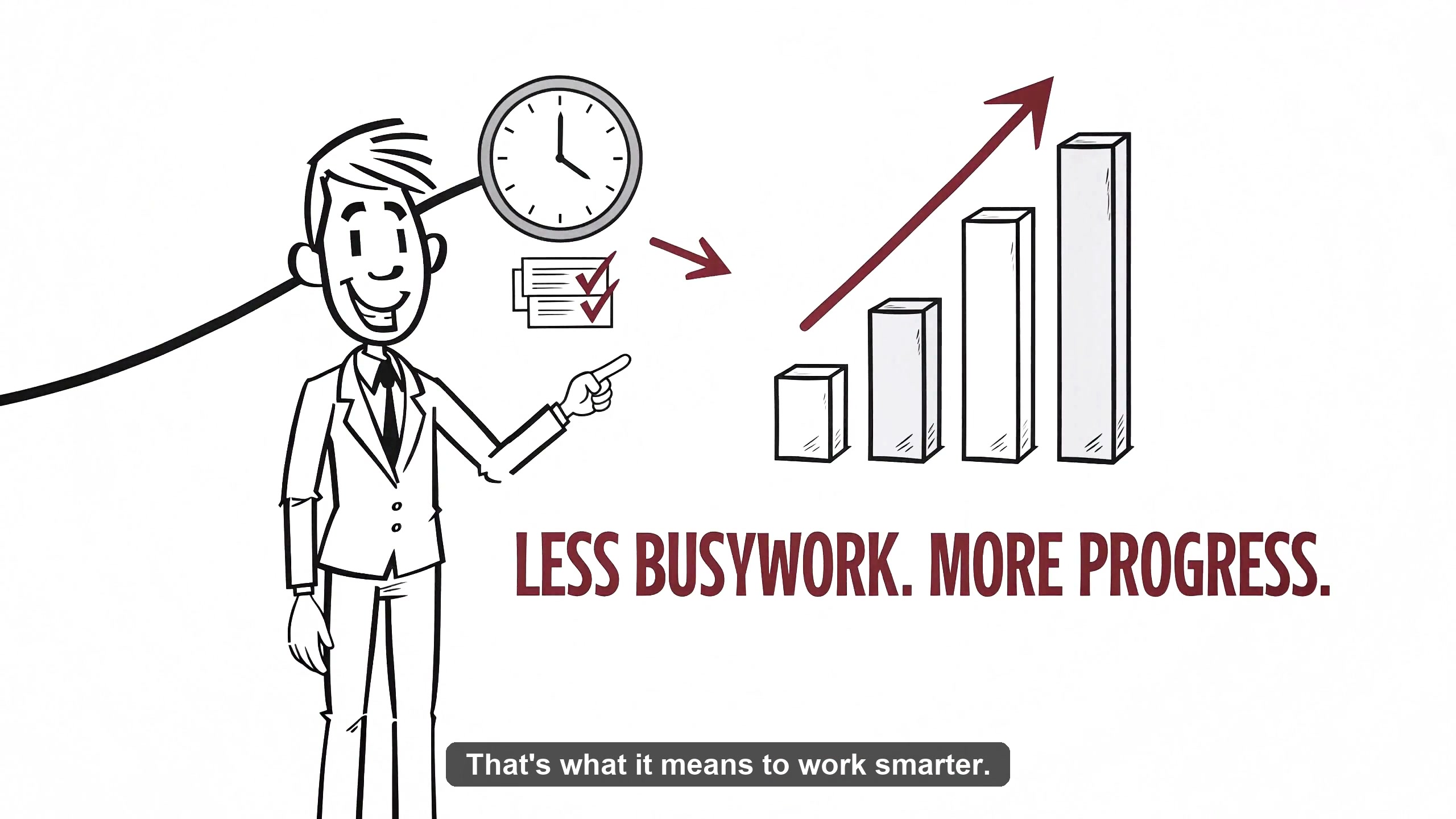
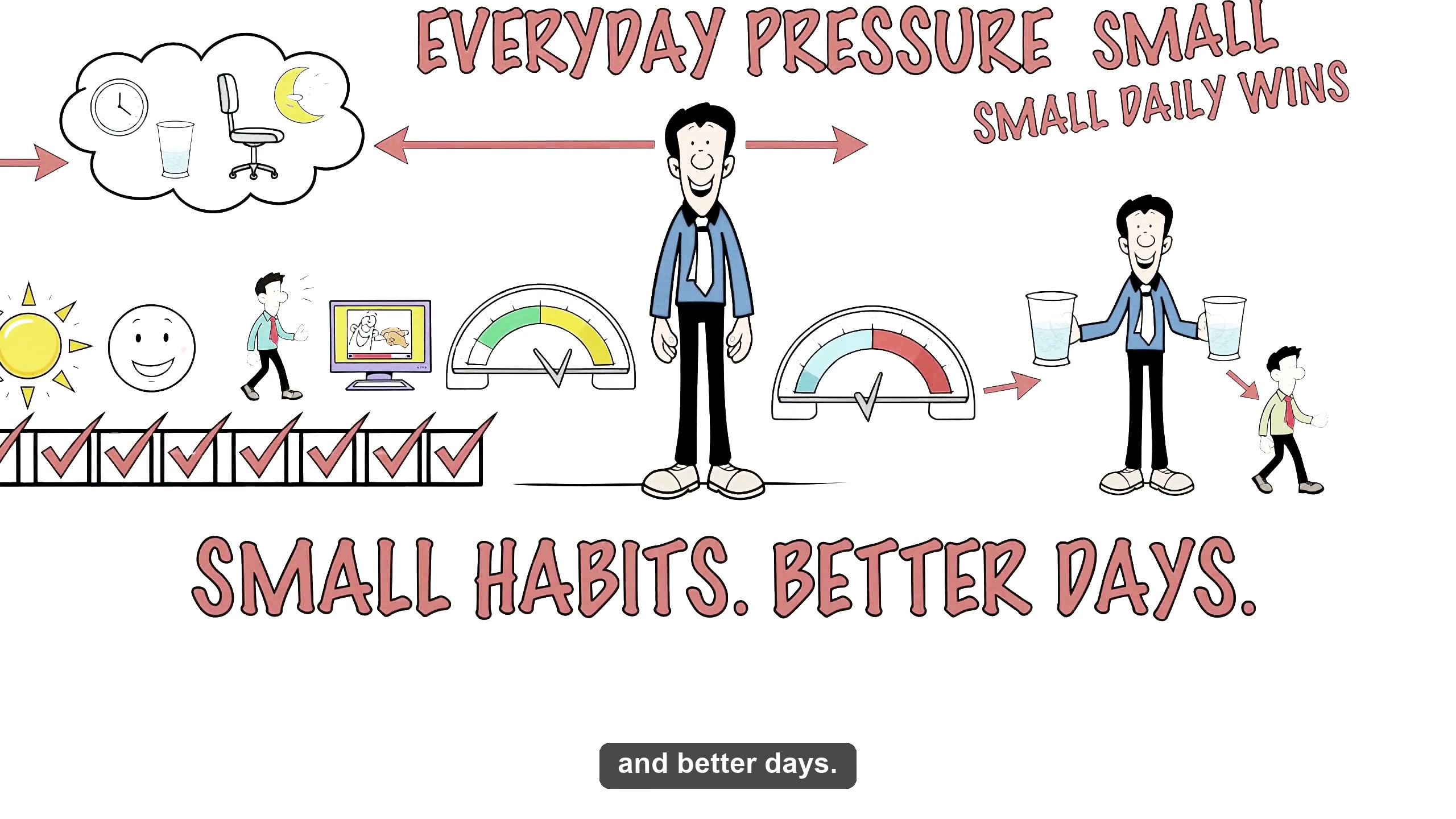
The current collection includes explainers about everyday habits, health, data, customer journeys, public support, logistics, finance, technology, and workplace systems. Most examples use landscape layouts, with black line drawings, restrained accent colors, diagrams, character scenes, and step-by-step reveals that connect one point to the next.
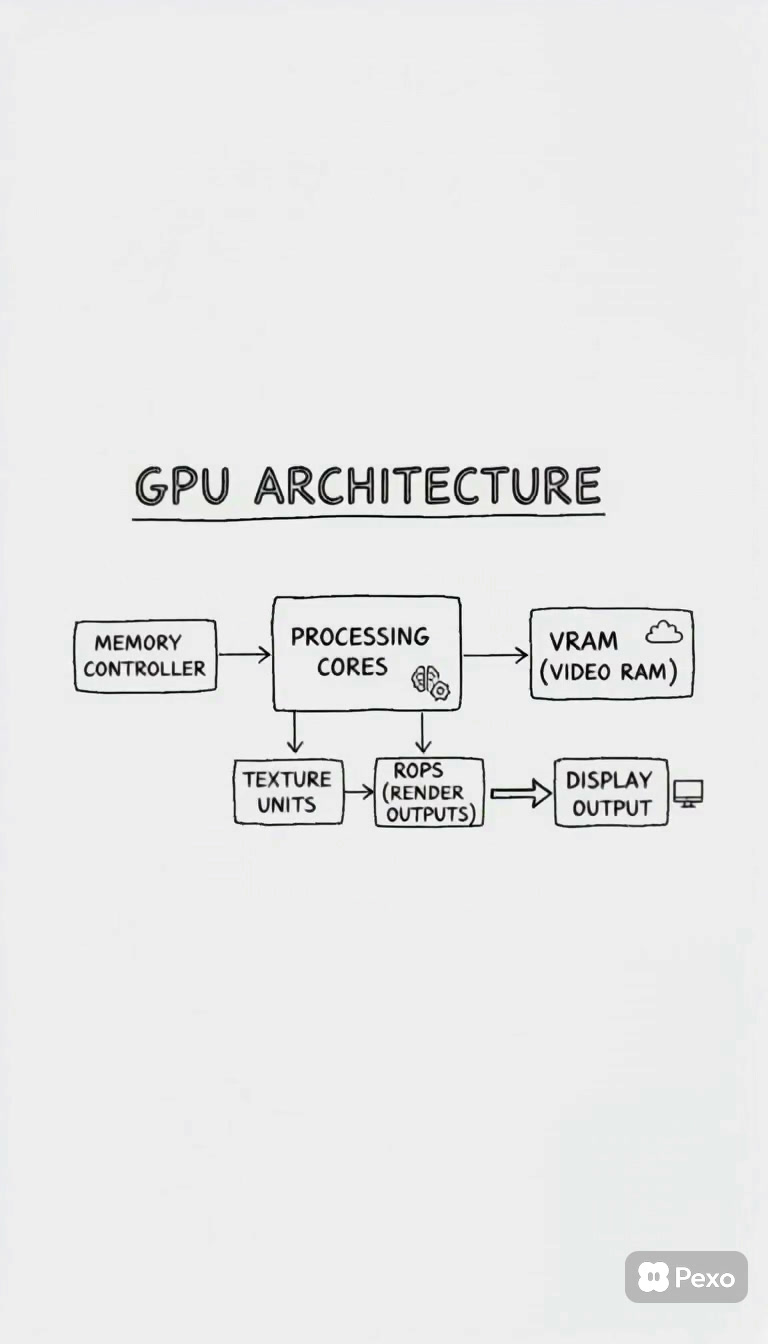
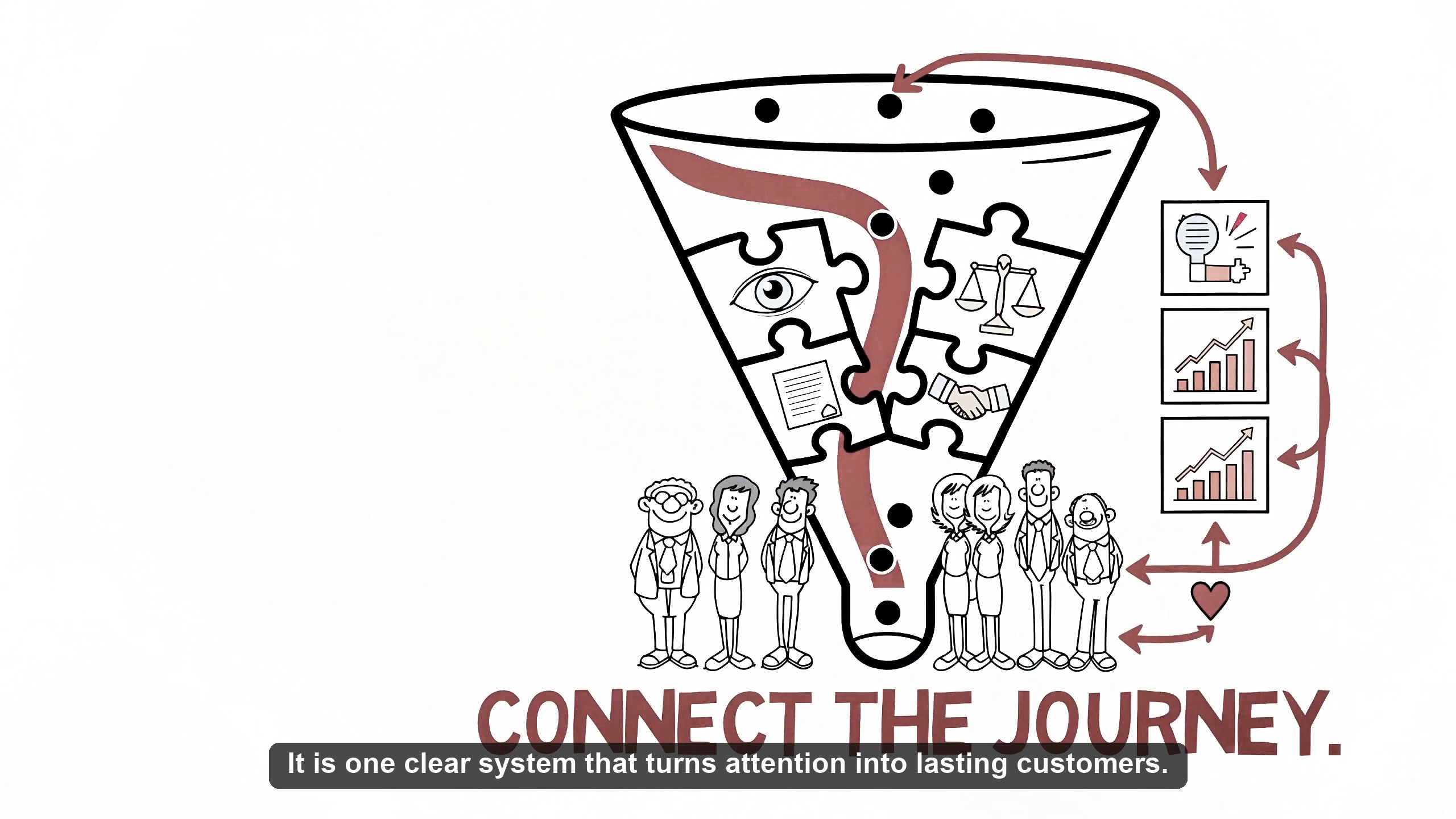
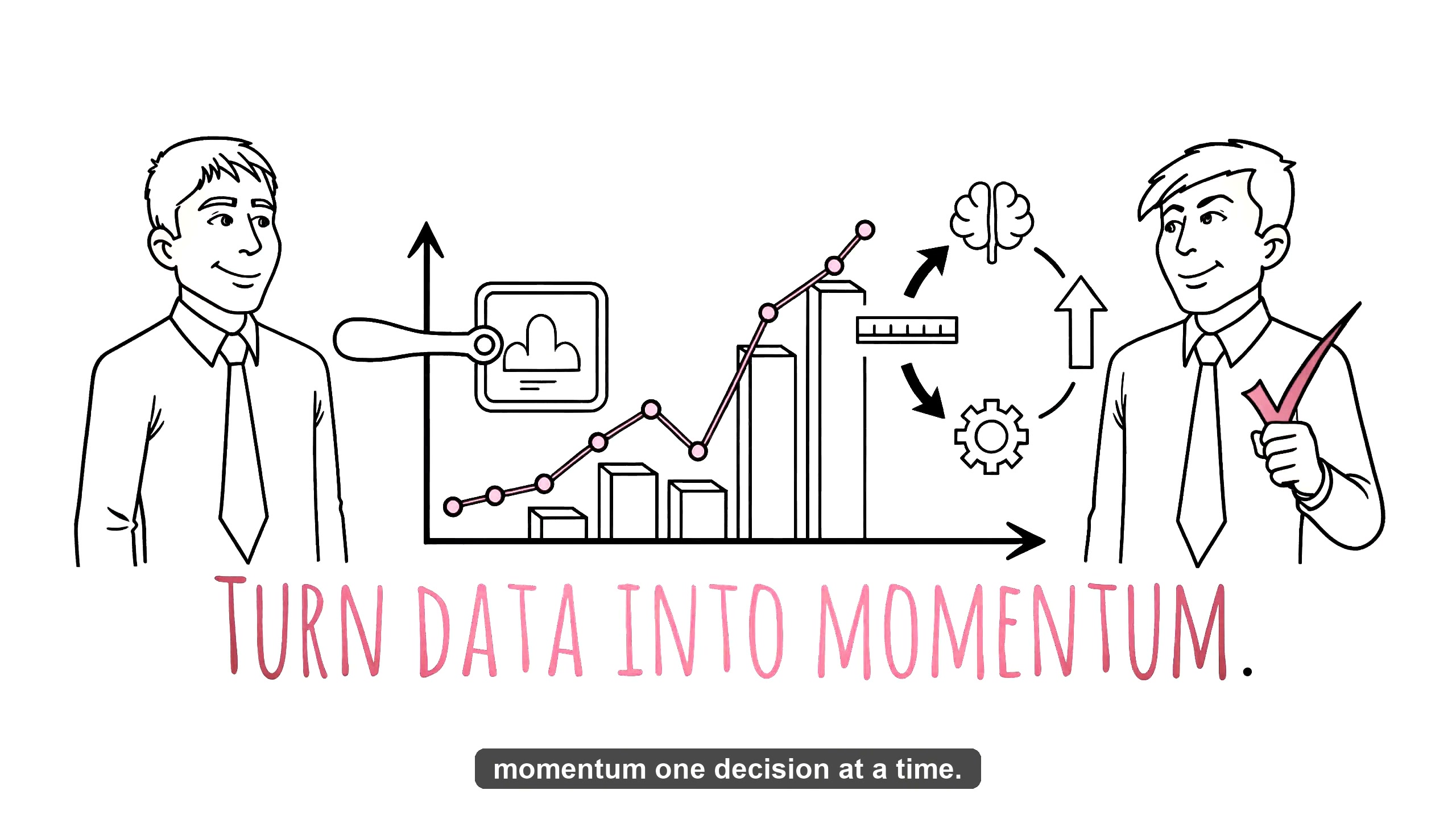
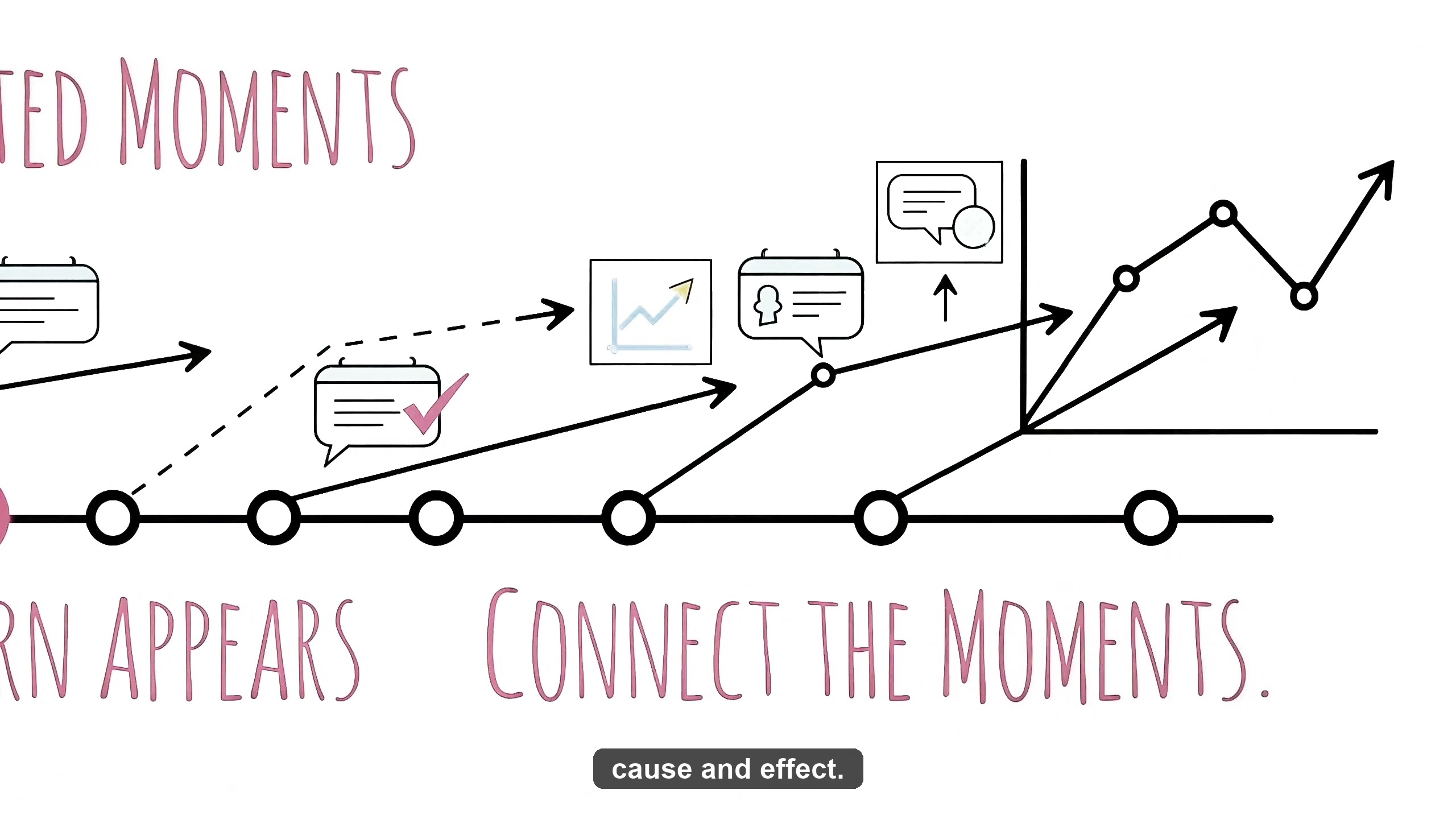
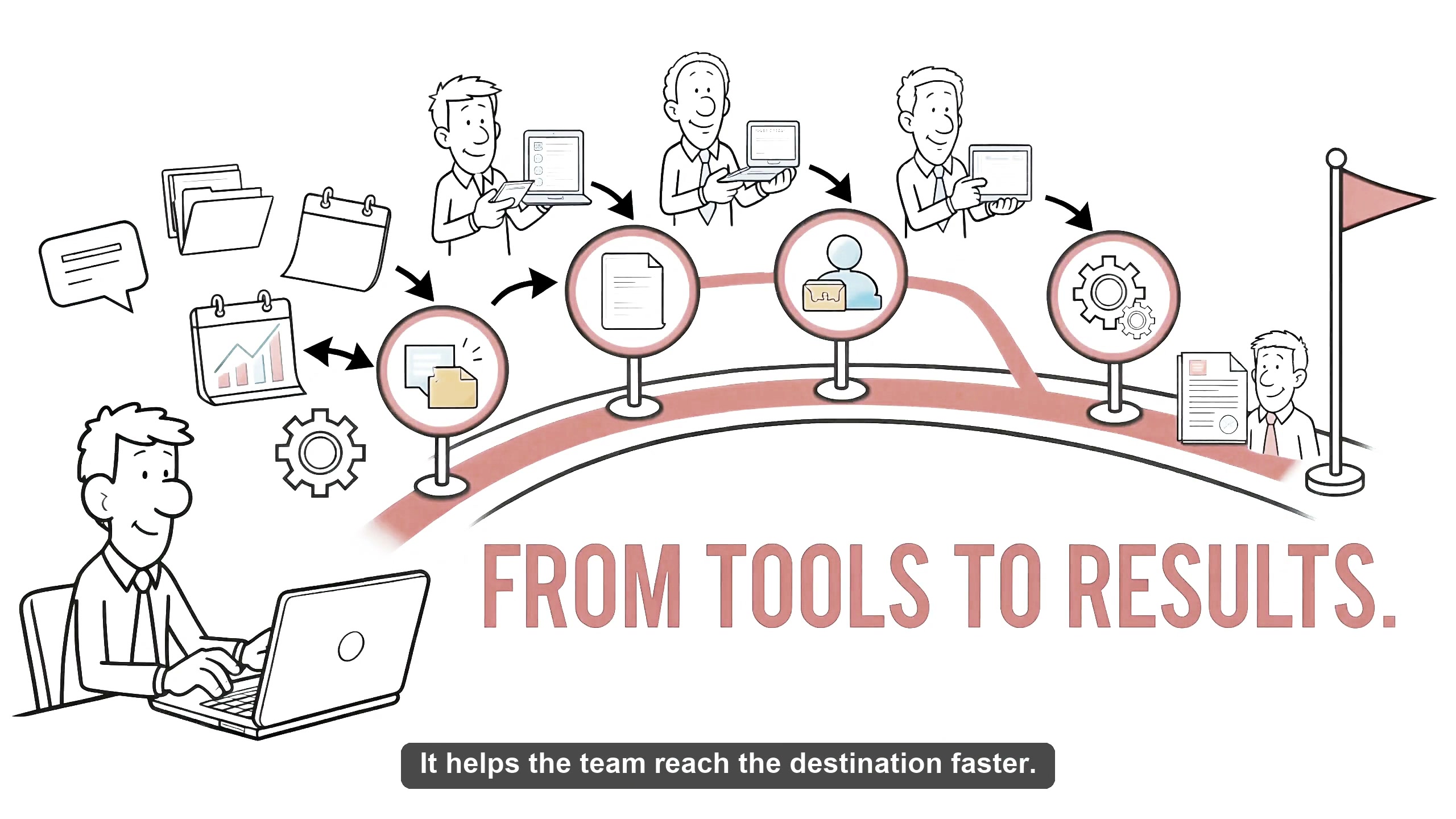
A process is easier to follow when each stage appears in order and stays visually connected. A data or systems topic benefits from timelines, arrows, grouped signals, and simple comparisons. A human-centered story can use characters, familiar objects, and a visible change in situation. Keep the drawing style, color accents, and label treatment consistent so the explanation feels like one continuous story.

Questions?
We're here to make it clear. Check out our FAQs, and if you still have questions, Pexo is always ready to help.
How should a whiteboard animation script be divided before storyboarding?
Break the script into short beats, with one main idea or action in each beat. Mark the words that need a visual explanation, then assign a drawing, label, or transition to that moment. This creates a storyboard based on meaning rather than dividing the narration into equal time blocks.
How much color should a whiteboard animation use?
A limited accent palette usually keeps the drawing easy to scan. Reserve color for the main subject, a change in status, or an important path through the scene. When every object uses a different bright color, the viewer may struggle to tell which detail matters most.
How should narration and drawing timing work together?
The drawing should reveal the visual idea close to the moment it is mentioned, without making the narration wait for every line to finish. Build the image in meaningful parts, hold long enough for recognition, and use the next reveal to move the explanation forward.
Can a whiteboard animation work in a vertical format?
Yes, but the composition should be designed for a narrow frame. Use fewer objects per scene, stack steps vertically, and keep labels large enough for a phone screen. A landscape board should be rebuilt rather than tightly cropped when important connections would otherwise sit outside the frame.